
Hear from Our Customers
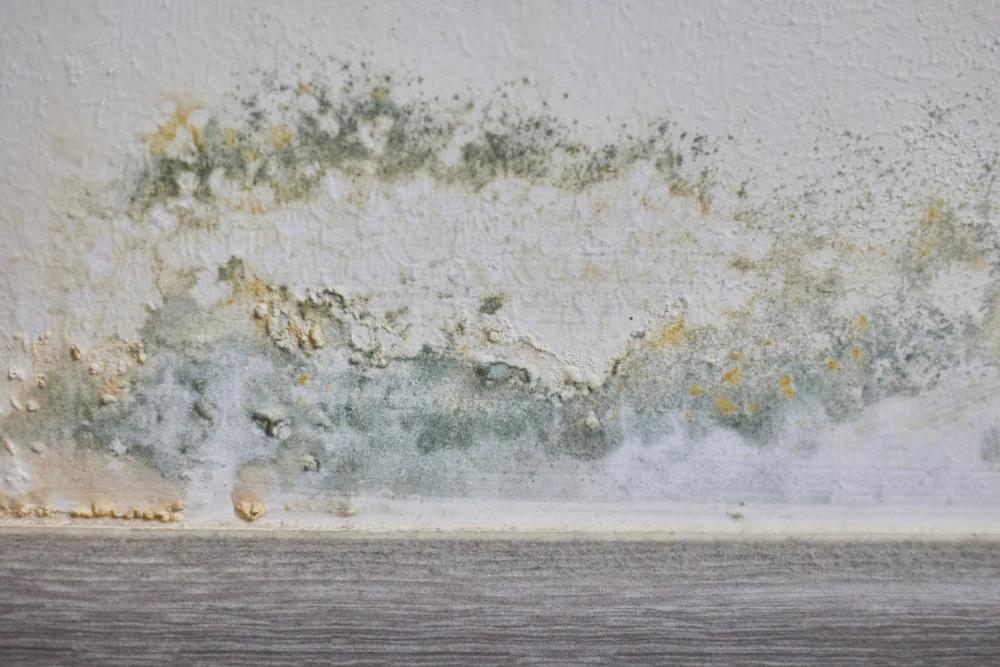
You stop smelling that musty odor every time you walk into your basement. Your family breathes easier because the air quality in your home isn’t compromised anymore. You don’t lie awake wondering if mold is spreading behind your drywall or under your floors.
Real mold mitigation means identifying why moisture is accumulating in the first place. It means removing contaminated materials the right way, not just spraying bleach and hoping it disappears. And it means addressing ventilation, drainage, or structural issues so you’re not dealing with the same problem six months later.
When the job’s done right, you get your space back. No more avoiding certain rooms. No more worrying about what a home inspector might find if you ever decide to sell. Just a home that feels safe again.
We’ve been helping homeowners in West Norriton, PA deal with mold problems for years. We know the area—the older homes with poor ventilation, the basements that flood after heavy rain, the crawl spaces that trap moisture all summer long.
We’re not the cheapest option, and we’re fine with that. You’re paying for technicians who actually understand building science, equipment that finds mold you can’t see, and a process that doesn’t cut corners. We use EPA-approved methods because your family’s health isn’t something to gamble with.
Most of our work comes from referrals. That tells you something about how we operate and what people think after we’ve finished the job.
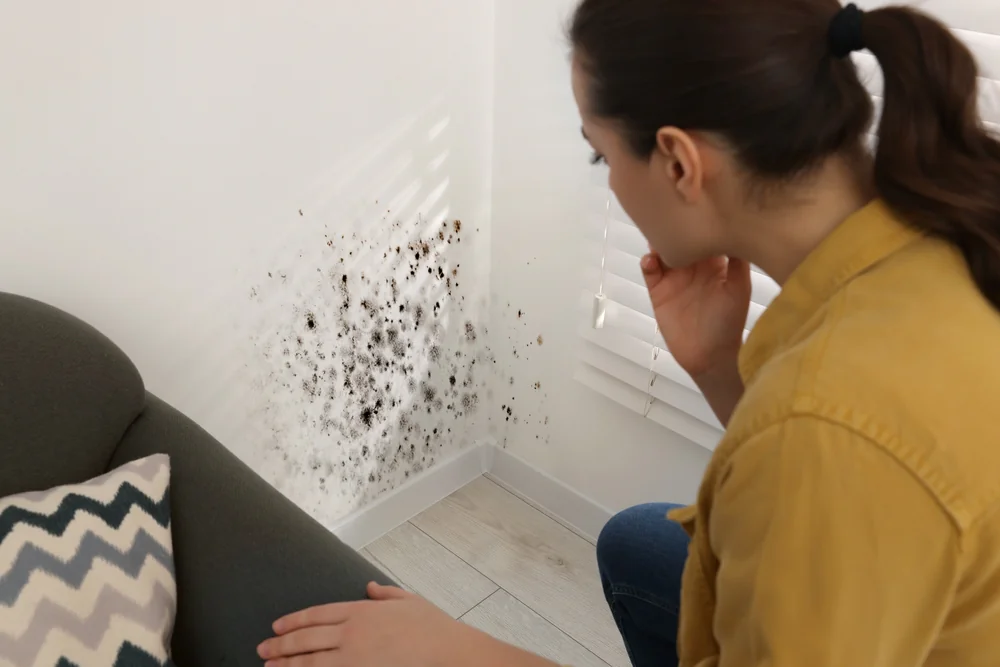
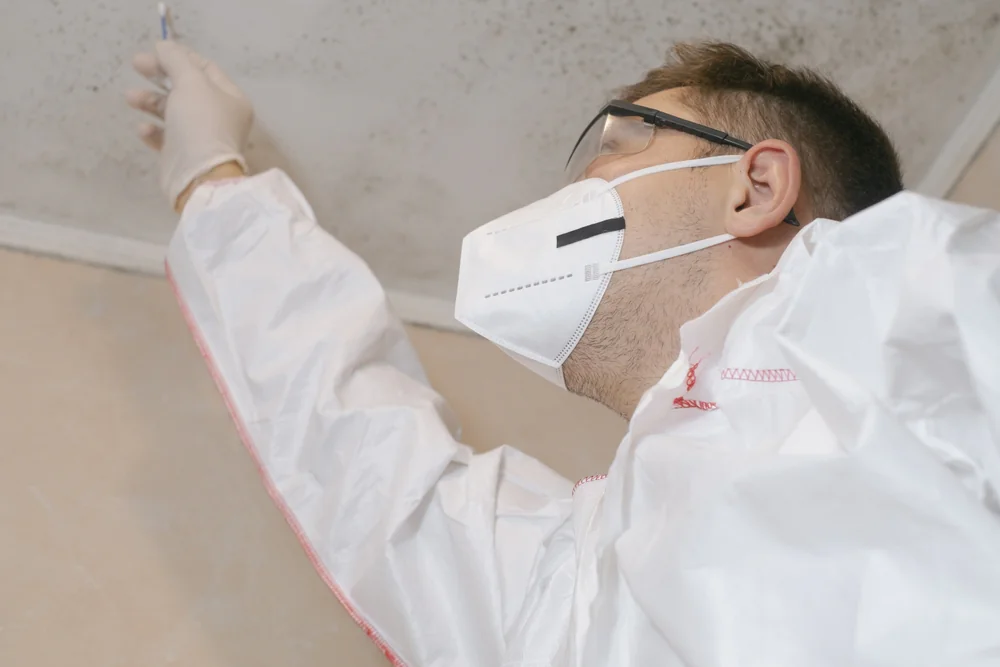
First, we inspect your property—not just the obvious spots, but behind walls, under floors, in attics and crawl spaces. We use moisture meters and infrared cameras to find what you can’t see. You get a clear assessment of what’s actually going on.
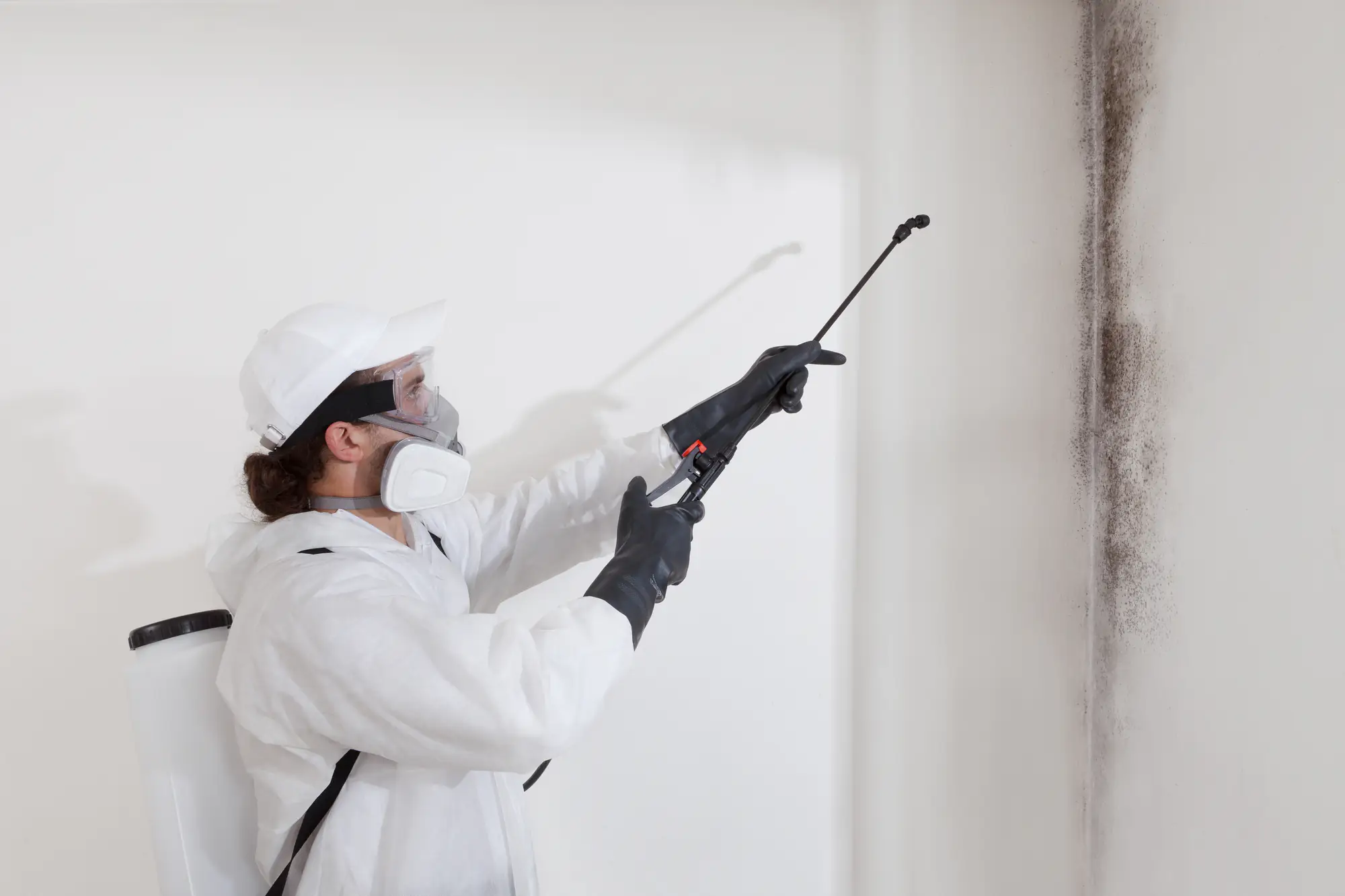
Then we contain the affected area so mold spores don’t spread during removal. We remove contaminated materials safely, following protocols that protect both you and our crew. If it’s drywall, insulation, or flooring that’s harboring growth, it comes out.
Next, we treat surfaces with antimicrobial solutions and dry everything thoroughly. But here’s the part that matters most: we identify and fix the moisture problem. Whether it’s a ventilation issue, a drainage problem, or a structural defect, we address it. Otherwise, you’re just paying to remove mold that’s going to come back.
You get documentation of everything we did, photos of the work, and recommendations for preventing future issues. If you’re filing an insurance claim, we help with that too.
Ready to get started?
You get a full inspection using professional-grade detection equipment. That means we’re checking moisture levels in materials, looking for hidden growth, and documenting the extent of contamination before we touch anything.
The removal process includes proper containment, safe extraction of affected materials, HEPA filtration to capture airborne spores, and antimicrobial treatment of all surfaces. We don’t just clean what you can see—we address the entire affected area.
In West Norriton, PA, we’re dealing with homes that often have moisture issues related to aging infrastructure, poor ventilation, or drainage problems common in this area. Older properties near the Schuylkill River basin or homes with stone foundations are particularly vulnerable. We factor in these local conditions when developing a mitigation plan.
You also get moisture control recommendations specific to your property. That might mean improving ventilation in your bathroom, redirecting downspouts, sealing foundation cracks, or installing a dehumidifier. The goal is making sure this doesn’t become a recurring expense.
It depends entirely on how much mold we’re dealing with and what’s causing it. A small bathroom issue might take two days. A basement with widespread contamination and moisture problems could take a week or more.
The inspection and assessment usually happen within 24 hours of your call. Once we know what we’re working with, we’ll give you a realistic timeline. Most jobs fall somewhere in the three-to-five-day range, but we’re not going to rush through the drying process or skip steps just to finish faster.
The containment and removal phases move quickly. The drying and moisture correction phases take as long as they take. We use moisture meters to confirm materials are actually dry before we close everything up, because sealing in dampness just creates another mold problem down the road.
Sometimes yes, sometimes no. It usually depends on what caused the mold. If it’s from a sudden, accidental water event—like a burst pipe or a roof leak during a storm—there’s a good chance your policy covers it.
If the mold developed because of long-term neglect or a maintenance issue you ignored, most policies won’t cover it. Insurance companies don’t pay for problems that developed slowly over time due to lack of upkeep.
We work with insurance companies regularly and can help you navigate the claims process. We’ll document everything thoroughly, provide detailed estimates, and communicate directly with adjusters if needed. But we’ll also be straight with you about whether your situation is likely to be covered before you waste time filing a claim that’s going to get denied.
You can try, but you’ll probably make it worse. Here’s why: disturbing mold without proper containment sends millions of spores into the air throughout your home. You’re now breathing them, and they’re landing on surfaces in rooms that didn’t have a mold problem before.
Most homeowners also don’t have the equipment to find all the mold. You might clean what you can see on a wall, but miss the fact that it’s growing inside the wall cavity, under the flooring, or in the HVAC system. Three months later, it’s back and spreading.
The bigger issue is that DIY approaches almost never address the moisture source. Killing surface mold with bleach or vinegar doesn’t fix the leak, the condensation problem, or the ventilation issue that caused it. You’re treating a symptom, not the problem. For small surface mold on non-porous materials, sure, you can handle it. For anything more than a square foot or two, or anything involving porous materials like drywall or insulation, call someone who knows what they’re doing.
Mold removal sounds like you’re getting rid of every single spore in your home. That’s not realistic and not how the industry actually works. Mold spores exist everywhere—they’re in the air outside, they’re in your home right now. You can’t eliminate them completely.
Mold mitigation means reducing mold levels to normal, safe levels and eliminating the conditions that allow it to grow. We remove the contamination, treat affected areas, and most importantly, fix the moisture problem. That’s a realistic, achievable goal.
Some companies use “removal” in their marketing because it sounds more complete. But professionals in the industry talk about mitigation because that’s the accurate term for what’s actually happening. We’re bringing your home back to a healthy state and preventing future growth, not promising some impossible mold-free environment.
Visible mold growth is the obvious sign—black, green, or white patches on walls, ceilings, or other surfaces. But you don’t always see it before it becomes a problem.
A persistent musty smell is a red flag, especially in basements, bathrooms, or areas that tend to be damp. If you’ve had any water damage—from flooding, leaks, or even high humidity—and it wasn’t dried out completely within 48 hours, there’s a good chance mold started growing.
Health symptoms can also point to a mold issue. If you or your family members are experiencing unexplained respiratory problems, allergies, headaches, or fatigue that improve when you leave the house, mold exposure could be the cause. In West Norriton, PA, we see this a lot in older homes with poor ventilation where moisture accumulates without anyone noticing. If you suspect something’s wrong, get an inspection. It’s better to know what you’re dealing with than to ignore it and let it spread.
It spreads. Mold doesn’t just stay in one spot—it releases spores that travel through your HVAC system and land on other surfaces. What starts as a small patch in your bathroom can become a whole-house problem within months.
Your health takes a hit. Prolonged mold exposure is linked to respiratory issues, allergic reactions, and in some cases, more serious health complications. If anyone in your home has asthma or a compromised immune system, the risks are even higher.
Your property value drops. When it comes time to sell, a home inspection will find the mold. Buyers will either walk away or demand a significant price reduction. Plus, the longer mold grows, the more structural damage it causes—weakening drywall, rotting wood framing, and destroying insulation. What might cost a few thousand to fix now could turn into a $20,000+ problem if you wait. Ignoring mold doesn’t make it go away. It just makes it more expensive to deal with later.
Other Services we provide in West Norriton