
Hear from Our Customers
You’re not wondering if the mold is really gone. You’re not second-guessing whether it’ll come back in six months. You’re breathing easier because the air quality test came back clean and someone finally addressed the moisture source, not just the visible growth.
That’s what proper mold mitigation looks like. The musty smell disappears. The anxiety about your kids’ health fades. Your home value stays intact because the work was documented and done right.
You get your space back without the constant worry. No more avoiding that basement corner or closing off rooms. The containment kept spores from spreading during removal, and the dehumidification system we recommended actually prevents future growth. You’re not dealing with a temporary fix—you’re dealing with a solution that holds up when you sell, when inspectors come through, when life happens.
Most homeowners in West Norriton don’t realize how fast mold spreads in our climate. Pennsylvania’s humidity creates ideal conditions, especially in crawl spaces and attics. Within 48 hours of water exposure, you’re looking at active growth. Within a week, you’re looking at contamination that affects multiple rooms.
The difference between catching it early and dealing with extensive damage often comes down to one phone call.
Mack’s Mold Removal isn’t a franchise following a corporate playbook. We’re a local company that’s seen every type of mold problem West Norriton homes face—from basement flooding after storms to attic mold from roof leaks to crawl space issues that went unnoticed for years.
Jeff, our owner, responds personally to calls and shows up for inspections. That’s not a marketing claim—it’s how we operate. When you call on a Friday morning, we’re there by Saturday. When your insurance company needs documentation, we handle that conversation directly.
We’ve worked with homeowners throughout Montgomery County long enough to know the common culprits: older homes with foundation issues, newer construction with ventilation problems, and everything in between. We know what local inspectors look for. We know which insurance adjusters cover what. We know how to get the job done without the runaround.
Fifteen years means we’ve refined our process. It means our methods work. It means when we tell you the mold won’t come back, we’re backing that up with a track record you can verify.
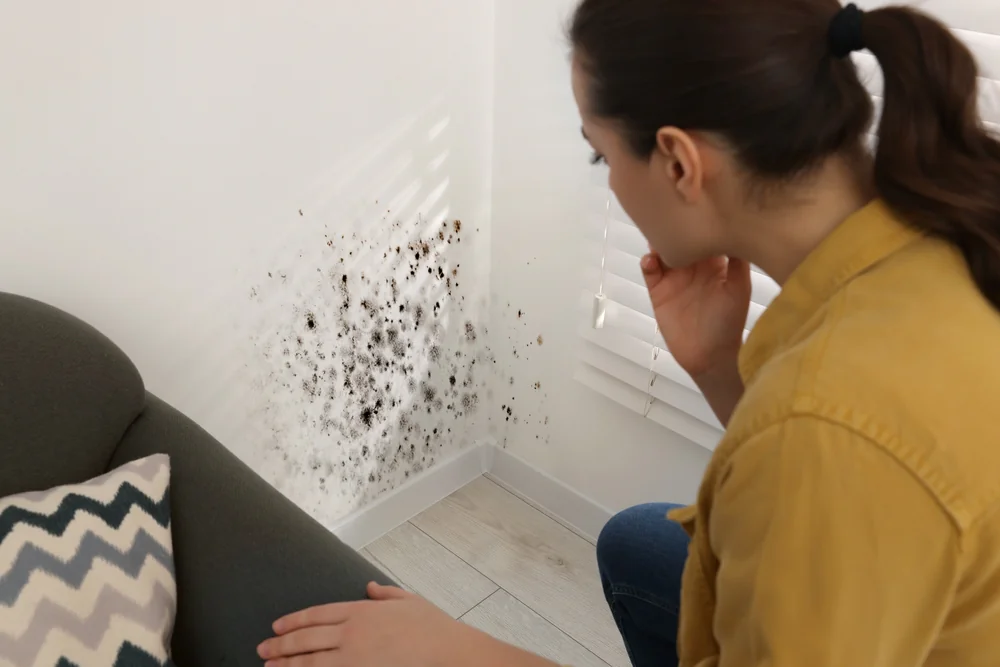
You call, and we schedule a free inspection—usually same-day or next-day, depending on when you reach out. Jeff comes to your property, assesses the visible growth, checks moisture levels in walls and floors, and identifies the source. This isn’t a quick walk-through. We’re looking in crawl spaces, attics, behind appliances, and anywhere water could be hiding.
If testing is needed to identify mold type or confirm contamination levels, we do that on-site. You get results within 24 hours. No waiting a week to find out if you have a problem.
Once we know what we’re dealing with, we contain the affected area with physical barriers and negative air pressure. This keeps spores from spreading to clean areas during removal. Then we remove contaminated materials—drywall, insulation, flooring, whatever can’t be salvaged. Everything gets bagged and disposed of properly, following EPA guidelines.
After removal, we treat surfaces with antimicrobial solutions and dry out the space completely. We don’t just remove mold—we eliminate the moisture that caused it. That might mean fixing a leak, improving ventilation, or installing a dehumidifier. Without addressing the source, you’re just buying time until it grows back.
Final step: clearance testing. We verify the air quality is back to normal levels before we close out the job. You get documentation showing the work was done right—critical if you ever sell the property.
If reconstruction is needed, we handle that too. Drywall, painting, flooring—we restore the space so you’re not coordinating with multiple contractors.
Ready to get started?
Every mold mitigation job we do includes a thorough inspection of your entire property, not just the obvious problem area. We check attics for roof leaks and poor ventilation. We inspect crawl spaces for groundwater intrusion and vapor barrier failures. We test HVAC systems because mold in ductwork spreads spores throughout your home every time the system runs.
You get moisture mapping to identify hidden water sources. You get containment that actually works—HEPA-filtered negative air machines, not plastic sheets and duct tape. You get removal that follows Pennsylvania regulations and EPA standards, which matters when insurance companies and future buyers ask questions.
West Norriton homes, especially older properties near the Schuylkill River area, deal with specific challenges. Basement moisture from high water tables. Attic condensation from temperature swings. Bathroom mold from inadequate exhaust fans. We’ve seen it all in Montgomery County, and we know how to address each situation.
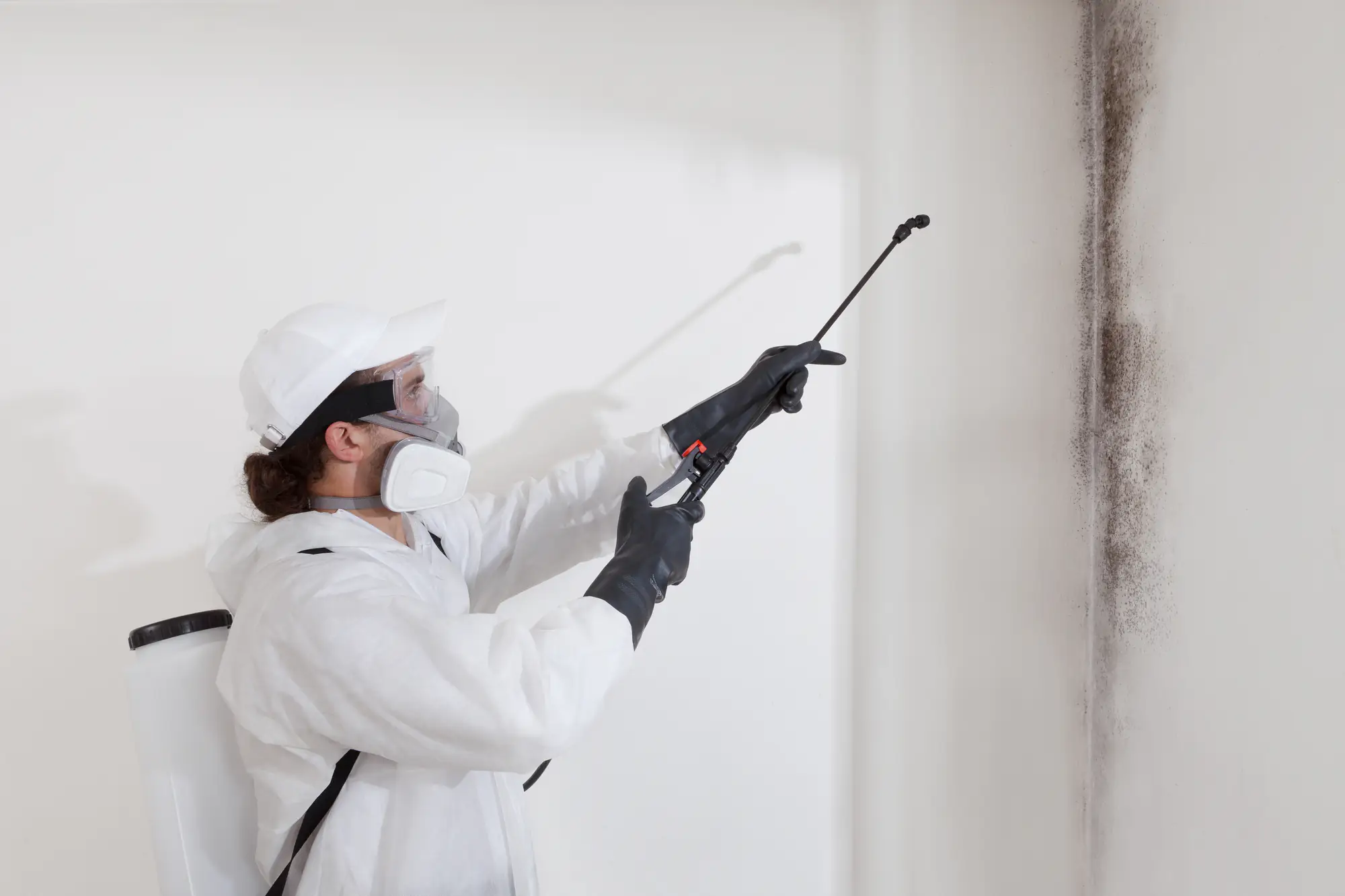
Black mold mitigation requires extra care because of health risks. We don’t take shortcuts. Full PPE, complete containment, and aggressive air filtration during the entire process. If you’ve got Stachybotrys (the technical name for black mold), we treat it seriously.
You also get documentation for insurance claims. We photograph everything, provide detailed reports, and communicate directly with adjusters. Most policies cover mold if it resulted from a covered event like a burst pipe. We help you navigate that process instead of leaving you to figure it out alone.
Post-mitigation, we provide recommendations for preventing future growth. Sometimes that’s as simple as running a dehumidifier. Sometimes it requires waterproofing or ventilation improvements. Either way, you know exactly what to do to protect your investment.
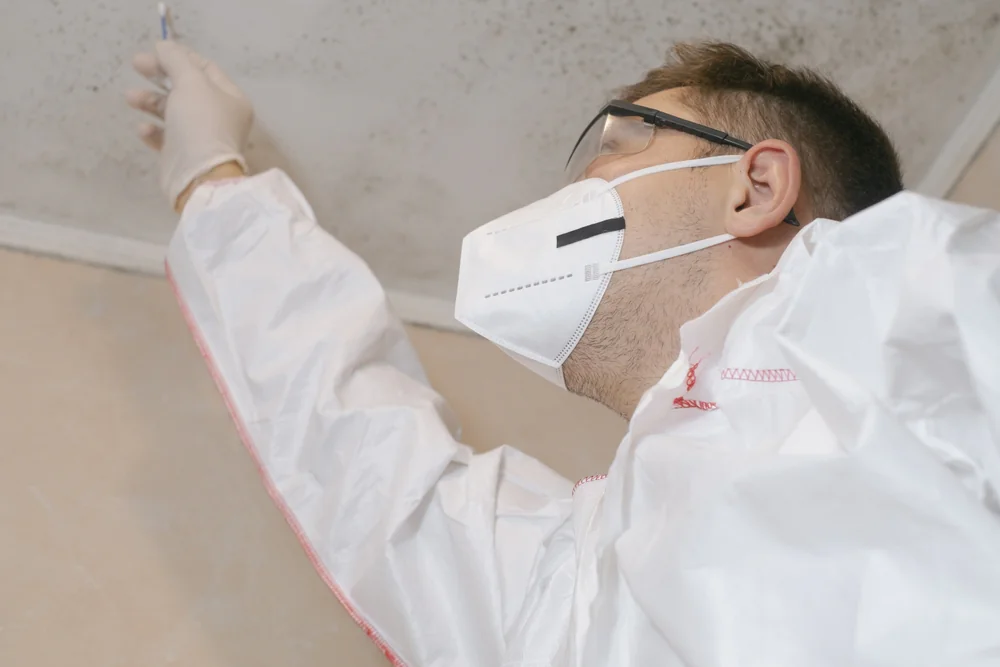
Mold can start growing within 24 to 48 hours after materials get wet. That’s not a maybe—that’s the timeline the EPA uses when advising homeowners about water damage response.
In West Norriton’s humid climate, that window can be even shorter during summer months. If your basement floods or a pipe bursts, you’re looking at active mold growth before the weekend is over. The materials don’t even need to look wet anymore. Moisture trapped inside walls, under flooring, or in insulation is enough.
This is why same-day response matters. The faster we can extract water, dry materials, and assess damage, the better your chances of avoiding a full mold mitigation project. Once growth establishes itself, removal becomes necessary. Before that point, proper drying might be enough.
Most homeowners don’t realize how little water it takes. A slow leak from a toilet supply line, a small roof drip during storms, even condensation from an AC unit—all of these create enough moisture for mold to thrive if left unchecked.
It depends on what caused the mold. Most homeowners insurance policies in Pennsylvania cover mold remediation if it resulted from a covered peril—like a burst pipe, storm damage, or appliance malfunction. They typically don’t cover mold that developed from long-term neglect or maintenance issues.
The key is documentation. Insurance adjusters want to see that the mold resulted from a sudden event, not gradual deterioration. They want proof that you responded quickly and didn’t let the problem fester. This is where having a professional assessment right away helps your claim.
We work directly with insurance companies regularly. We provide the documentation they need: photos, moisture readings, scope of work, and detailed reports. We can often tell you upfront whether your situation is likely to be covered based on what we see during inspection.
Some policies have mold coverage limits—commonly $10,000 or less—even when the cause is covered. Others exclude mold entirely unless you purchased additional coverage. Reading your policy before you have a problem is smart, but if you’re already dealing with growth, call us anyway. We’ll help you understand your options and work with whatever coverage you have.
Mold removal sounds like you’re getting rid of every single spore in your home. That’s not realistic. Mold spores exist everywhere—outdoors, indoors, in every building. Complete removal isn’t possible and isn’t the goal.
Mold mitigation is the accurate term for what actually happens. We reduce mold levels back to normal, naturally occurring levels. We remove active growth, eliminate contaminated materials, treat affected surfaces, and address the moisture source. The result is a safe indoor environment where mold isn’t actively growing and air quality is back to acceptable levels.
This distinction matters because some companies promise “complete mold removal” when that’s not how the science works. What you want is mitigation that brings levels down to where they’re not causing health problems or property damage. That’s achievable and that’s what proper remediation accomplishes.
The process involves containment, removal of affected materials, HEPA air filtration, antimicrobial treatment, and source correction. When done correctly, your home returns to normal conditions. Clearance testing confirms this by measuring airborne spore counts after work is complete.
If you can see mold growth or smell that distinctive musty odor, you already know you have a problem. Testing to confirm mold’s presence isn’t necessary—you need mitigation. The EPA’s position is clear: visible mold should be removed regardless of what species it is.
Testing becomes valuable in specific situations. If you’re experiencing health symptoms but can’t locate visible growth, testing helps identify hidden contamination. If you’re buying or selling a home and want documentation of mold levels, testing provides that. If you’ve completed remediation and want confirmation that spore counts are back to normal, clearance testing gives you that peace of mind.
Some mold mitigation companies push expensive testing because it increases the bill. We offer testing when it’s actually useful. If there’s visible black mold in your bathroom, we don’t need a lab to tell us it should be removed. We already know the answer.
Where testing helps: identifying mold inside HVAC systems, confirming whether that stain on the ceiling is active growth or old discoloration, or providing documentation for insurance claims and real estate transactions. In those cases, spending $300-$500 on testing makes sense. Otherwise, that money is better spent on actual remediation.
Small areas—less than 10 square feet—can often be cleaned by homeowners if the mold is on non-porous surfaces and you’re healthy. A small patch on bathroom tile from shower moisture? You can probably handle that with proper cleaning products and ventilation.
Anything larger, anything on porous materials like drywall or insulation, anything involving black mold, or any situation where you have health concerns requires professional mitigation. Here’s why: improper cleaning spreads spores throughout your home. Disturbing mold without containment turns a localized problem into whole-house contamination.
Most DIY attempts fail because homeowners address the visible growth but miss the source. You can scrub that basement wall all day, but if water is still seeping through the foundation, mold will return within weeks. Professional mitigation identifies and corrects the moisture problem, not just the symptom.
There’s also the health factor. Mold exposure during cleanup can trigger respiratory problems, especially with toxic varieties like Stachybotrys. We use respirators, protective suits, and HEPA filtration for a reason. If you’re not equipped to protect yourself during the process, you’re risking your health to save money on a problem that will likely come back anyway.
West Norriton homes with basement moisture issues, attic ventilation problems, or crawl space water intrusion need professional assessment. The visible mold is usually just part of a larger issue.
Most residential mold mitigation projects take 3 to 5 days from initial containment to final clearance testing. That timeline assumes a typical scenario—one or two affected rooms, standard contamination levels, and no major complications.
Smaller jobs, like isolated bathroom mold or a single wall section, might be done in 1 to 2 days. Larger projects involving multiple rooms, extensive water damage, or whole-house contamination can take a week or more. Crawl space mold mitigation often takes longer because of access challenges and the need for thorough drying.
The actual removal work happens relatively quickly. What takes time is proper drying, treatment, and verification. We can’t rush the drying process—materials need to reach acceptable moisture levels before we close up walls and move to reconstruction. Cutting corners here leads to recurring problems.
If reconstruction is part of the scope, add another few days to a week depending on what needs rebuilding. Drywall installation, mudding, sanding, painting, and flooring replacement all take time to do correctly.
You’ll have access to unaffected areas of your home during the process. Containment keeps the work zone isolated. Most families stay in their homes during mitigation unless the contamination is severe or health concerns require temporary relocation. We’ll let you know upfront if that’s necessary based on what we find during inspection.
Other Services we provide in West Norriton