
Hear from Our Customers
The musty smell disappears. Your family stops dealing with unexplained respiratory issues or skin irritation that you couldn’t quite pin down before.
Your basement or crawl space becomes usable space again instead of that area you avoid. The black spots on your bathroom ceiling or the discoloration creeping across your attic sheathing actually go away.
Your home value stays intact instead of dropping 20% to 37% because of an unaddressed mold problem. When you eventually sell, you’re not watching half your interested buyers walk away after the inspection report comes back.
You get documentation that proves the work was done right. That matters if you’re dealing with insurance, if you’re selling, or if you just want proof that your air quality is actually safe before your kids go back to playing in that basement.
The conditions that let mold grow in the first place get fixed. If it was a leak, bad ventilation, or a humidity issue, you’ll know exactly what caused it and what’s been done so you’re not calling someone else in six months to do this all over again.
We know the properties here. The basements leak, the crawl spaces stay damp, and the attics don’t always get the ventilation they need. Chester County’s humidity doesn’t help, especially in spring and fall when moisture levels spike.
We’ve seen what happens when homeowners try the DIY route or hire someone who doesn’t understand how mold actually spreads. You end up with surface cleaning that looks fine for a few weeks, then it comes back worse than before.
We follow EPA standards because Pennsylvania doesn’t require mold contractor certification. That means you could hire someone who has no idea what they’re doing. We use proper containment, we identify the moisture source, and we actually fix the conditions that caused the problem. You get thermal imaging and moisture meters to find issues you’d never spot on your own, plus post-mitigation testing if you want proof the job was done right.
You call us, we come out for a free inspection. That inspection includes checking visible areas, testing moisture levels, and using thermal imaging to detect hidden water damage behind walls or under floors. We’re looking for the source, not just the symptoms.
Once we know what we’re dealing with, you get a clear explanation of what needs to happen and what it’s going to cost. Most jobs in West Goshen, PA run between $1,500 and $6,000 depending on the size of the affected area. Small bathroom jobs might come in under $2,000. Whole basements or attics with structural damage can push closer to $10,000 or more.
We set up containment so spores don’t spread to clean areas during removal. Then we remove the contaminated materials, treat the affected areas, and address the moisture source. If it’s a leak, we identify it. If it’s a ventilation issue, we explain what needs to happen.
After removal, we verify the air quality and document everything. If you’re working with insurance, we help with that process. Your insurance may cover it if the mold resulted from a covered event like a burst pipe or storm damage, though most standard policies cap mold coverage between $1,000 and $10,000.
Ready to get started?
You get a certified inspector who knows what to look for. That includes attic mold mitigation if your roof has been leaking, crawl space mold mitigation if your foundation stays wet, and black mold mitigation if you’re dealing with the more dangerous varieties like Stachybotrys.
We’re available 24/7 because mold doesn’t wait for business hours. In West Goshen’s humid climate, it spreads through your property in 24 to 48 hours. That timeline matters because every day you wait, the problem gets bigger and the bill gets higher.
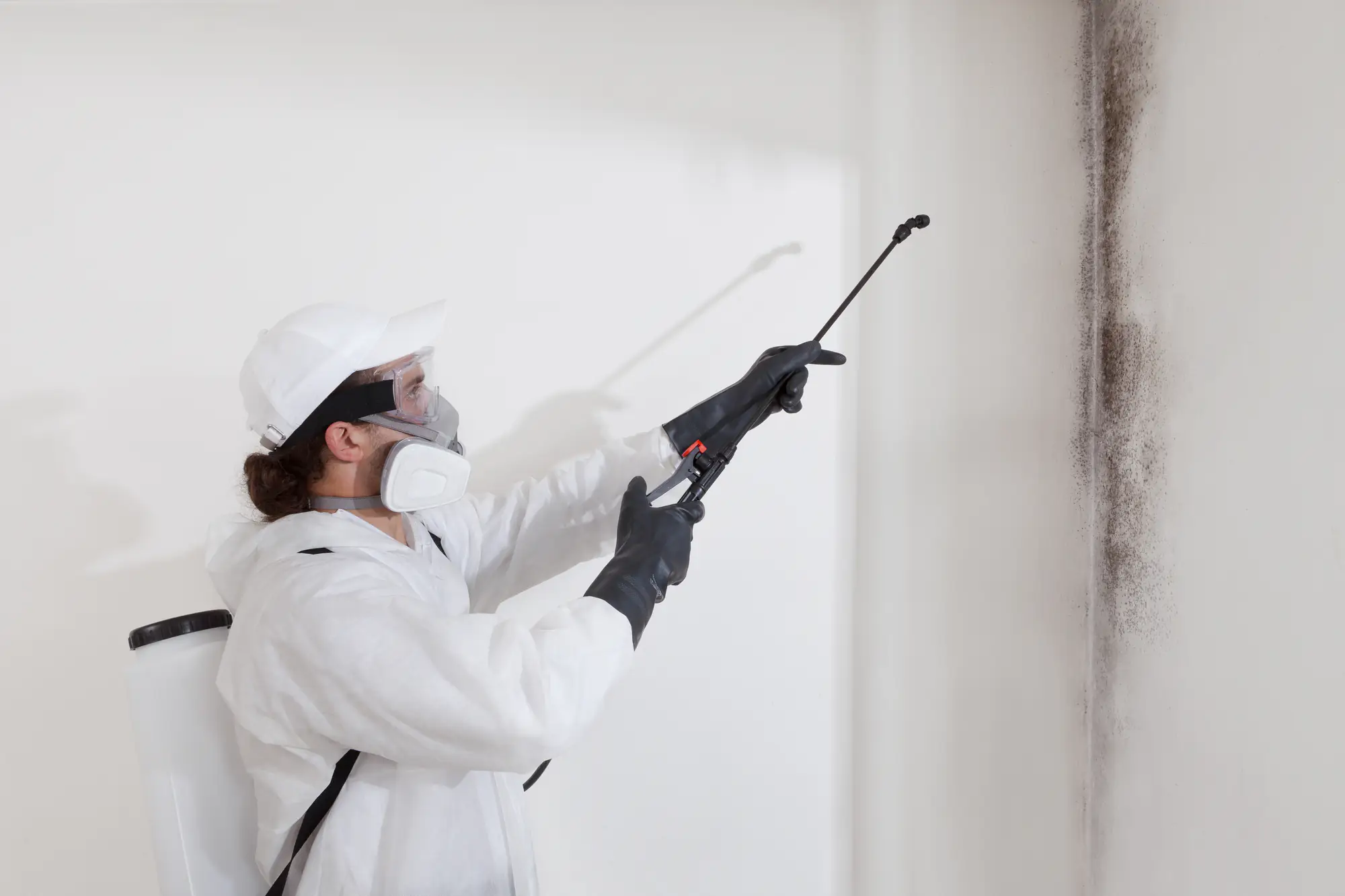
You get proper containment during the removal process, HEPA filtration to capture airborne spores, and antimicrobial treatment on affected surfaces. We remove contaminated materials that can’t be salvaged, and we don’t try to talk you into keeping something that needs to go.
The source gets addressed. If it’s a plumbing leak, a foundation crack, poor attic ventilation, or a humidity problem, we identify it and explain what needs to happen. Some fixes we can handle. Others require a plumber or a roofer, and we’ll tell you that upfront.
Post-mitigation testing is available if you want verification that the air quality is actually safe. Some companies skip that step. We don’t, because you deserve to know the job was done right before we pack up and leave.
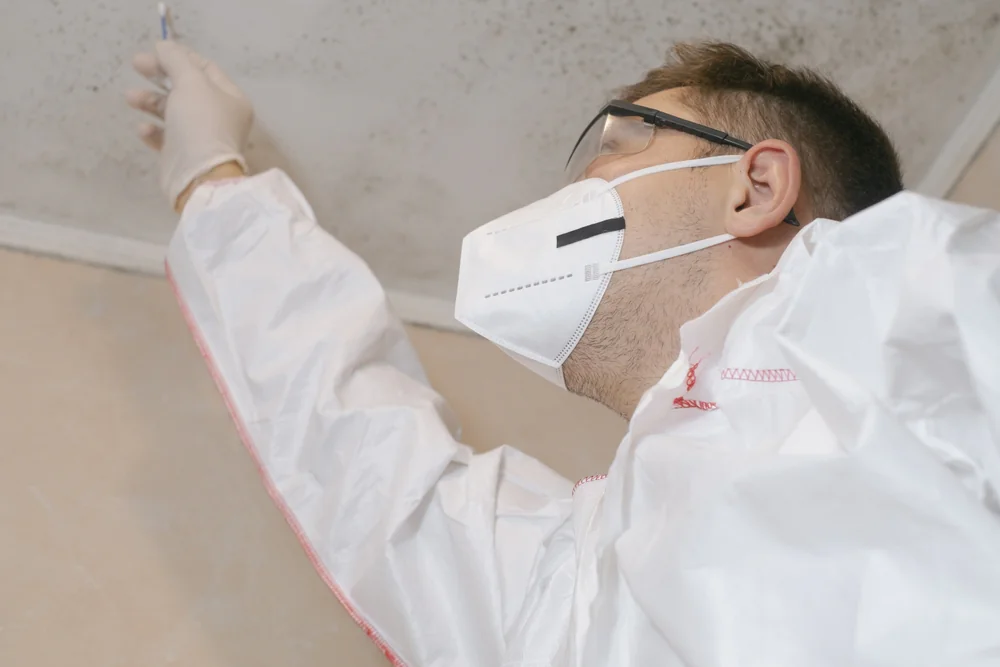
Mold starts growing within 24 to 48 hours after water exposure, and in West Goshen’s humid climate, that timeline can be even shorter during spring and fall. Once spores start colonizing, they spread fast.
That’s why emergency response matters. If you had a pipe burst, a roof leak during a storm, or flooding in your basement, you’re already on the clock. The longer you wait, the more surface area gets contaminated and the higher your mitigation costs climb.
If you’re seeing visible growth, it’s already been there for days or weeks. What you see on the surface is usually a fraction of what’s actually growing behind walls, under floors, or in your HVAC system. That’s why we use thermal imaging and moisture meters during inspection instead of just looking at what’s visible.
Mold removal sounds like you’re getting rid of every single spore, but that’s not realistic. Mold spores exist everywhere. They’re in the air outside, they’re in your home right now, and they’re not harmful until they find moisture and start growing.
Mold mitigation means we’re reducing the mold levels back to normal, removing the active growth, and fixing the conditions that let it colonize in the first place. That’s the honest version of what actually happens during professional mold work.
If someone promises complete mold removal, they’re either lying or they don’t understand how mold actually works. What you want is mitigation that addresses the source, removes the contaminated materials, and brings your indoor air quality back to safe levels. That’s what we do, and that’s what actually keeps it from coming back.
It depends on what caused the mold. If it resulted from a sudden, accidental event like a burst pipe, a toilet overflow, or storm damage, your insurance will likely cover it up to your policy limit. Most standard policies cap mold coverage between $1,000 and $10,000.
If the mold grew because of long-term neglect, lack of maintenance, or external flooding, your insurance probably won’t cover it. Policies typically exclude mold damage from gradual leaks you should have noticed or from flood events that require separate flood insurance.
We document everything during the mitigation process and provide the paperwork you need to file a claim. That includes photos, moisture readings, a scope of work, and verification that the job was completed to EPA standards. Some homeowners get partial coverage even when the claim isn’t fully approved, so it’s worth filing if there’s any chance your situation qualifies.
Most jobs run between $1,500 and $6,000 depending on the size of the affected area, how far the mold has spread, and what materials need to be removed. A small bathroom with surface growth might come in under $2,000. A full basement or attic with structural damage can push $10,000 or more.
The national average sits around $2,300, but that doesn’t account for Pennsylvania’s humidity or the older housing stock common in Chester County. Homes built before 1980 often have foundation issues, poor ventilation, and outdated plumbing that makes mold problems more expensive to fix.
You’ll get a clear estimate after the inspection. We don’t do bait-and-switch pricing where the final bill is double what we quoted. If we find additional contamination during the job, we stop and explain what’s happening before we proceed. You’ll know what it costs before we start tearing anything out.
If it’s a small area under 10 square feet, you’re not dealing with black mold, and you know exactly what caused the moisture problem, you can try handling it yourself. The EPA says homeowners can tackle minor mold issues with proper precautions.
But if you’re seeing growth across a larger area, if it’s in your HVAC system, if it’s black mold, or if you don’t know where the moisture is coming from, you need a professional. Here’s why: surface cleaning doesn’t address what’s growing inside your walls, and disturbing mold without proper containment spreads spores throughout your home.
Pennsylvania doesn’t require mold contractor certification, which means anyone can claim they do mold work. You want someone who follows EPA standards, uses proper containment and HEPA filtration, and actually identifies the moisture source. Otherwise you’re just cleaning what you can see and waiting for it to come back worse than before.
Common symptoms include respiratory issues, persistent coughing, skin irritation, headaches, and worsening asthma symptoms. If your family feels better when you leave the house and worse when you come back, that’s a red flag.
The CDC found that 21% of asthma cases in the U.S. could be linked to dampness and mold. Removing mold from a home can reduce asthma symptoms by 25% to 45%. If your kids are dealing with unexplained respiratory problems or if anyone in your household has a compromised immune system, mold exposure becomes even more serious.
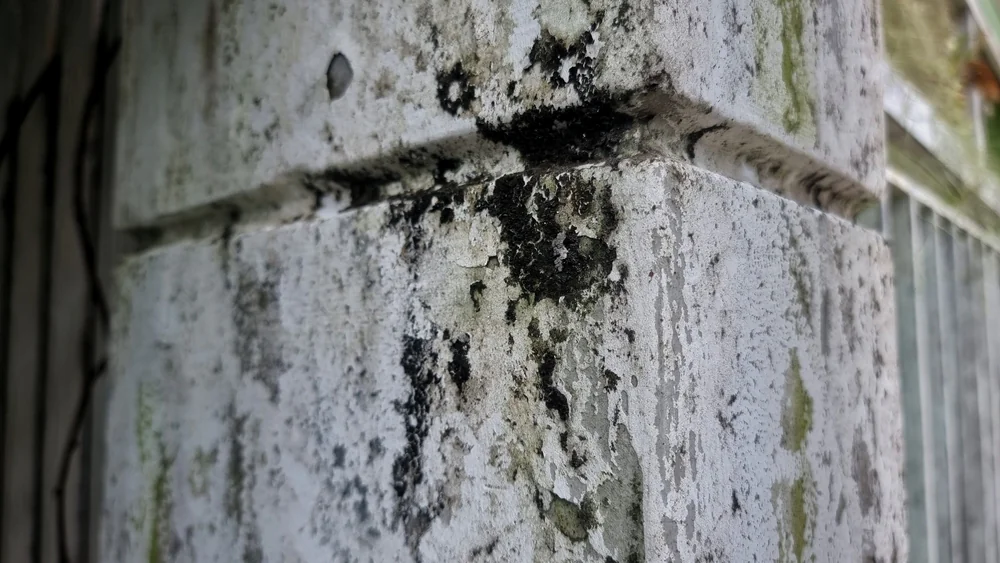
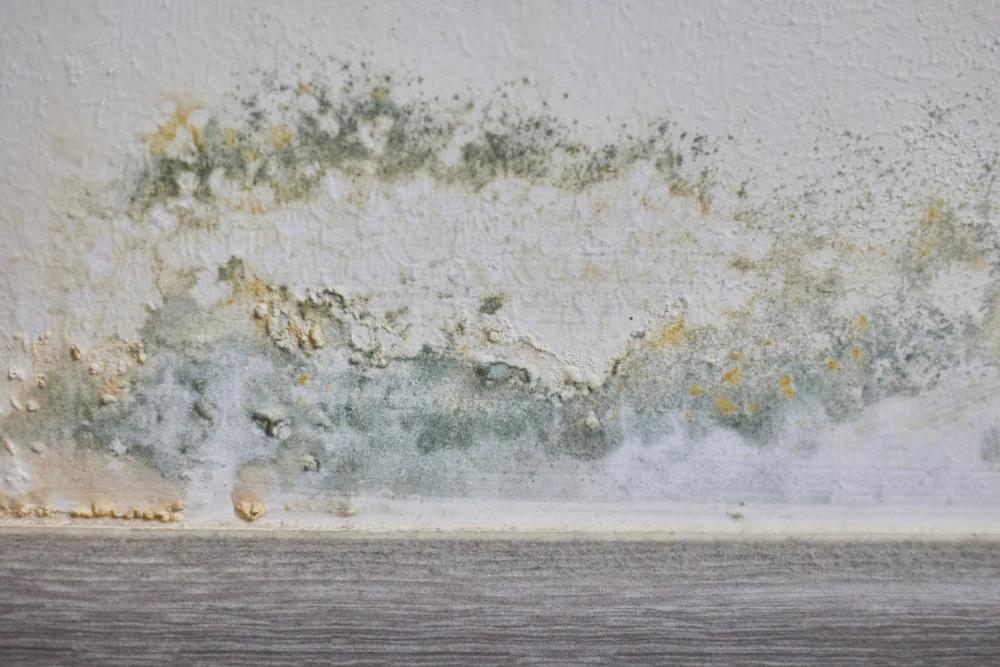
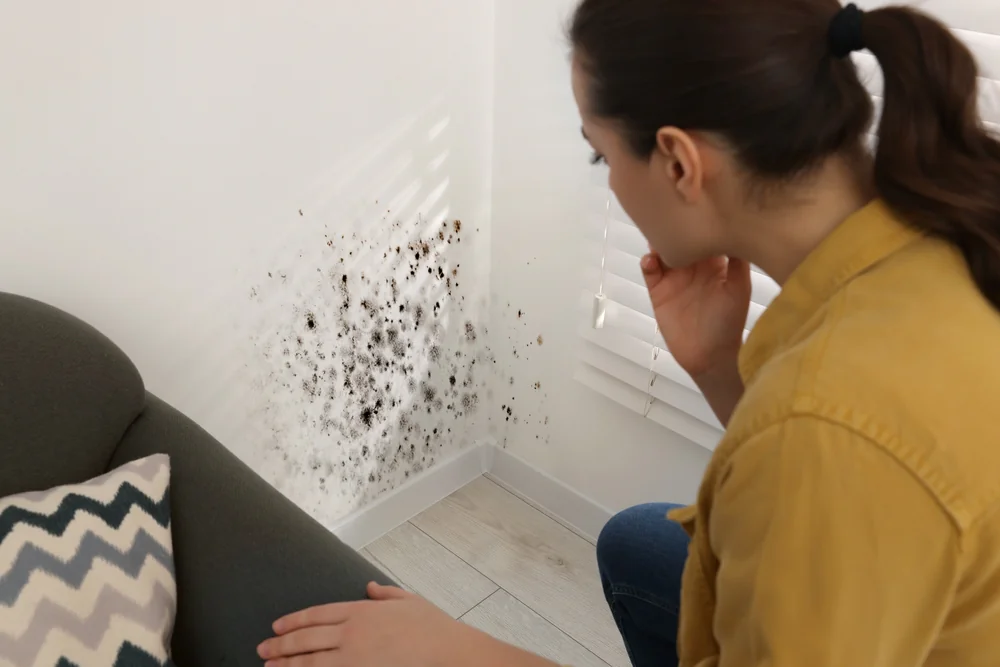
You might also notice a persistent musty smell that doesn’t go away no matter how much you clean, or you might see visible growth in bathrooms, basements, crawl spaces, or attics. If you’re seeing discoloration on walls or ceilings, peeling paint, or warping materials, there’s likely moisture damage and mold growth behind the surface. Get an inspection before it spreads further or before health symptoms get worse.
Other Services we provide in West Goshen