
Hear from Our Customers
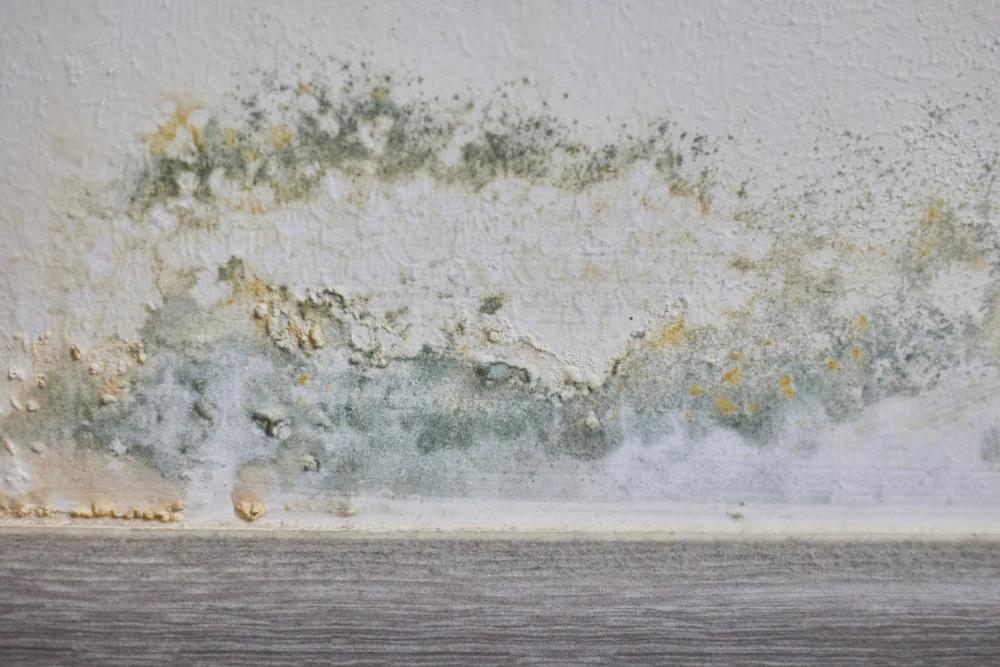
You’ve probably tried cleaning it yourself. Maybe you’ve bleached the same spot three times, only to watch it come back darker and bigger. That’s because surface cleaning doesn’t touch what’s actually causing the problem.
Mold grows when moisture sits too long in the wrong places. In West Caln, that means basements that flood during spring storms, crawl spaces that trap humidity all summer, and attics with poor ventilation. Chester County’s climate creates the perfect conditions for mold to thrive behind walls, under floors, and inside HVAC systems where you’ll never see it.
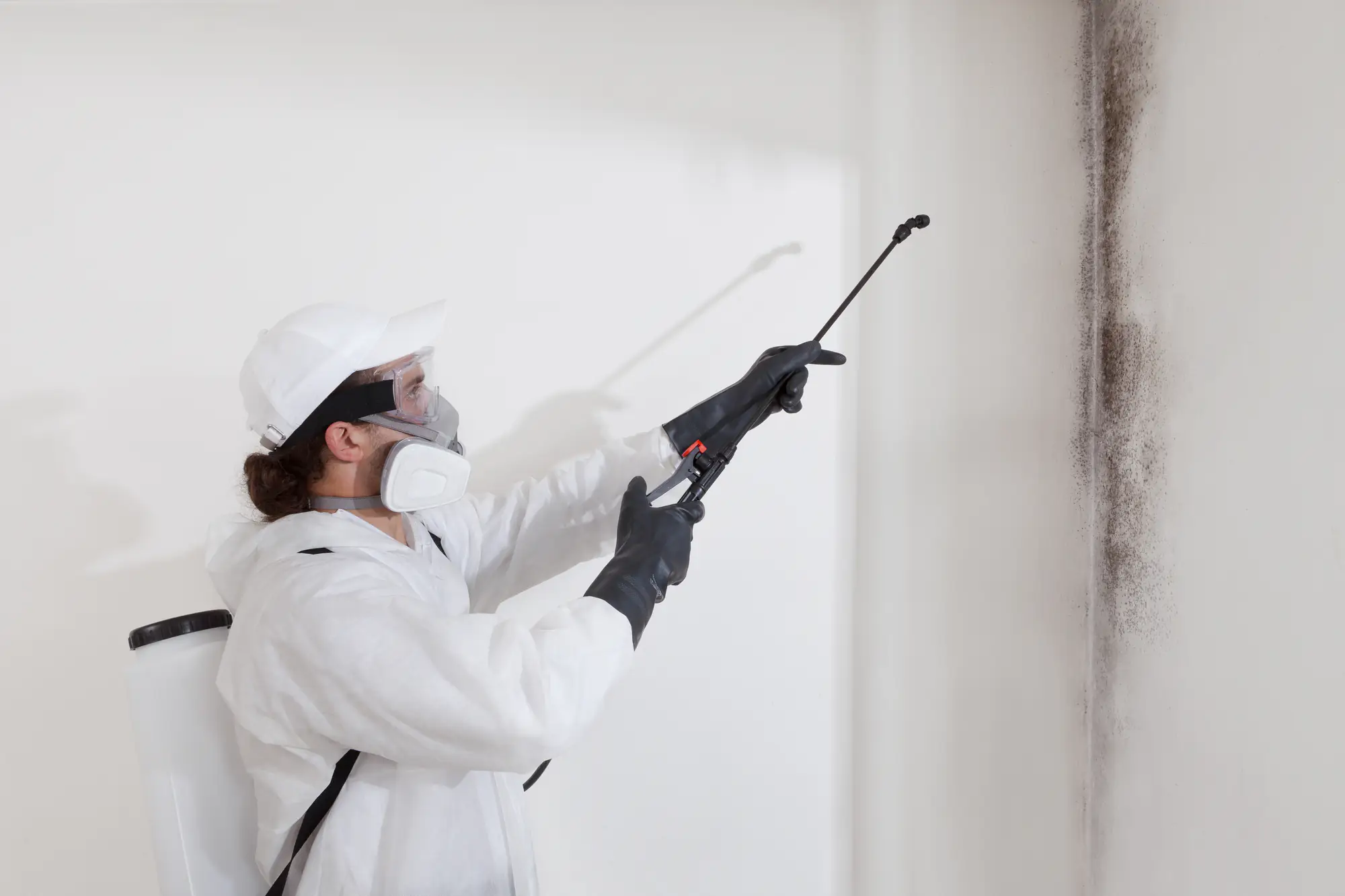
Real mold mitigation means finding where the water’s coming from, stopping it at the source, and removing contamination without spreading spores to clean areas of your home. It means using containment barriers, HEPA filtration, and moisture detection equipment that actually locates hidden problems. When it’s done right, you’re not just removing what you can see. You’re eliminating what’s been making your family sick and protecting your home’s structure from long-term damage.
We serve West Caln and Chester County with one major difference from most companies in this space. We don’t do the remediation work ourselves. That means when we test your property and tell you what’s growing, we’re not trying to sell you a bigger job.
We use thermal imaging, moisture meters, and air sampling to find mold you can’t see. Samples go to independent labs for analysis so you know exactly which species are present and at what levels. If you need remediation, we’ll tell you. If you don’t, we’ll tell you that too.
West Caln homeowners deal with older construction, high water tables, and humidity that sits heavy from May through September. We’ve been inside enough basements and crawl spaces in this area to know what actually works and what’s just expensive theater.
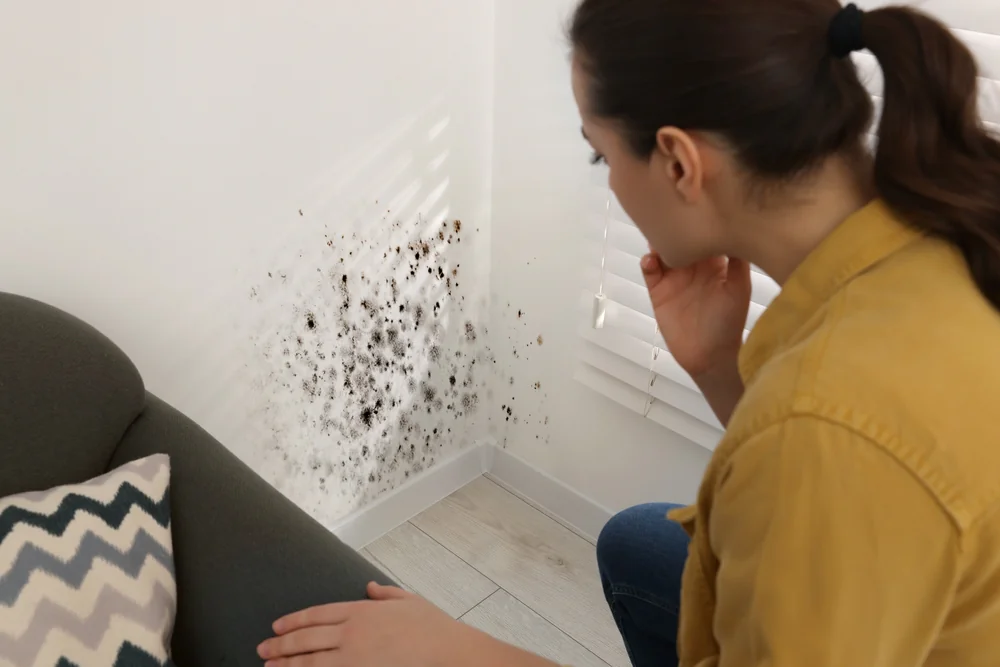
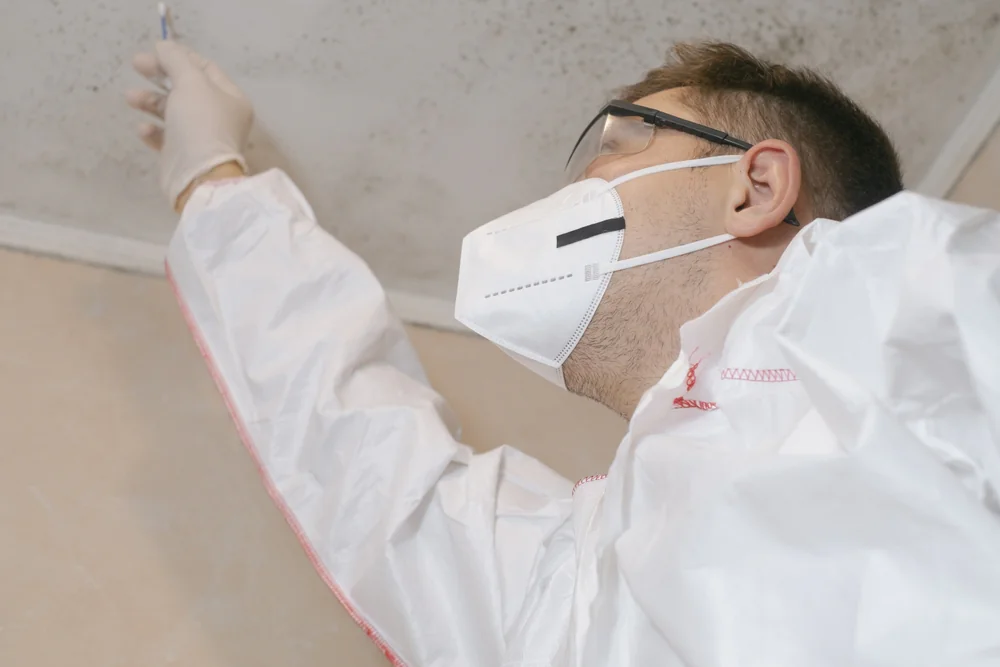
First, we inspect your property with moisture detection equipment and thermal cameras. We’re looking for active leaks, condensation patterns, and hidden water damage that’s feeding mold growth. This isn’t a visual check. We’re measuring humidity levels, temperature differentials, and moisture content in building materials.
Next, we take air samples and surface samples from affected areas. These go to an accredited lab that identifies mold species and concentration levels. You get a detailed report that shows exactly what’s in your home and whether it’s at levels that require professional mitigation.
If remediation is needed, we refer you to qualified contractors who follow EPA protocols. That includes containment with negative air pressure, HEPA filtration during removal, and fixing the moisture source so mold doesn’t regrow. After remediation is complete, we come back to retest and verify the air quality is back to normal levels.
The whole process is about giving you accurate information so you can make decisions based on data, not fear or sales pressure.
Ready to get started?
Air sampling tells us what’s floating through your home right now. We collect samples from multiple rooms and compare them to outdoor air to see if indoor levels are elevated. This catches mold growth you can’t see, including contamination inside walls or ductwork.
Surface sampling identifies what’s growing on visible areas. Different mold species require different approaches, and some are more concerning for health than others. Lab analysis gives you specific names and concentrations, not guesses.
Moisture mapping shows us where water is hiding in your structure. In West Caln’s older homes, that often means foundation cracks letting groundwater seep in, bathroom exhaust fans venting into attics instead of outside, or HVAC systems creating condensation in ductwork. We use infrared cameras to spot temperature differences that indicate moisture behind surfaces.
You get a written report with photos, lab results, and specific recommendations. If your insurance company needs documentation, you’ll have it. If you’re buying or selling a property, the report gives everyone clear information about what’s actually there. And if you just want to know whether your family’s health symptoms are related to your indoor air quality, the testing gives you real answers.
Mold starts growing within 24 to 48 hours once moisture is present. In West Caln’s humid climate, that timeline can be even shorter during summer months when indoor humidity is already elevated.
If your basement floods or a pipe leaks, the clock starts immediately. Building materials like drywall, insulation, and wood framing absorb water quickly. Once they’re damp, mold spores that are already in the air land on those surfaces and begin colonizing.
This is why fast response matters after any water intrusion. The longer materials stay wet, the deeper moisture penetrates and the more extensive the mold growth becomes. What starts as a small patch on the surface can spread behind walls where you won’t see it until the problem is much larger.
Mold removal sounds like you’re getting rid of every single spore, but that’s not realistic or necessary. Mold spores exist everywhere, indoors and out. The goal isn’t zero mold. It’s bringing levels back to normal and eliminating active growth.
Mold mitigation is the more accurate term. It means reducing mold to safe levels, removing contaminated materials, and fixing the conditions that allowed growth in the first place. You’re mitigating the problem by addressing the source, not just scrubbing surfaces.
A proper mitigation process includes containment so spores don’t spread during removal, HEPA filtration to capture airborne particles, removal of contaminated materials that can’t be cleaned, and repairs to stop water intrusion. Without fixing the moisture source, you’re just temporarily removing visible growth. It’ll come back because the environment still supports it.
Home test kits will tell you that mold is present, which you probably already know if you can see or smell it. They don’t tell you what species, what concentration levels, or whether those levels are actually elevated compared to normal outdoor air.
Professional testing uses calibrated equipment and accredited laboratories. Air samples are collected with pumps that pull a specific volume of air through a collection device. Surface samples are taken with sterile swabs or tape lifts. The lab identifies species under a microscope and provides spore counts.
That level of detail matters for several reasons. Some mold species are more concerning for health than others. Insurance companies and real estate transactions often require professional documentation. And if you’re experiencing health symptoms, you need accurate data to know whether your indoor air quality is the cause. Home kits can’t give you that information.
Testing typically runs between $400 and $800 depending on the size of your property and how many samples are needed. That gets you a full inspection, lab analysis, and a detailed report.
Remediation costs vary widely based on how much mold is present and what’s causing it. A small bathroom issue might cost $1,500 to $3,000. A basement with widespread contamination could run $5,000 to $15,000 or more. The biggest factor is whether you need structural repairs to fix the moisture source.
Here’s what drives the cost up: extensive contamination that requires removing drywall or insulation, HVAC systems that need cleaning or replacement, and foundation or plumbing repairs to stop water intrusion. The work itself—containment, removal, HEPA filtration—is labor-intensive and requires specialized equipment.
Most homeowners insurance policies cover mold remediation if it’s caused by a covered event like a burst pipe. They typically don’t cover it if it’s from long-term neglect or maintenance issues like a slow leak you ignored. Getting professional testing and documentation helps with insurance claims.
It depends on the extent of contamination and where it’s located. Small, contained projects in a single room often allow you to stay in other parts of the house. Large-scale remediation that involves multiple areas or your HVAC system usually means you should stay elsewhere temporarily.
Professional mitigation uses containment barriers and negative air pressure to prevent spores from spreading to clean areas. Even with those precautions, the process of removing contaminated materials stirs up particles. If you have respiratory issues, allergies, or a compromised immune system, it’s safer to stay away until the work is complete.
Children and elderly family members are more vulnerable to mold exposure. If the contamination is significant, finding temporary housing for a few days is worth it. Your mitigation contractor should be able to tell you whether it’s safe to stay based on the scope of work and your family’s health situation.
Mold keeps returning because the moisture source is still there. You can bleach, scrub, and repaint all you want. If water is still getting in or humidity is still too high, mold will regrow in the same spot.
Common moisture sources in West Caln homes include foundation cracks that let groundwater seep in during heavy rain, poor grading that directs water toward the house instead of away from it, bathroom and kitchen exhaust fans that don’t vent outside, and HVAC systems that create condensation. Basements and crawl spaces are especially prone to humidity issues because they’re below grade and often poorly ventilated.
Real mitigation means identifying where the water is coming from and fixing it. That might mean repairing a leaky pipe, installing a dehumidifier, improving ventilation, or waterproofing your foundation. Without addressing the root cause, you’re just treating symptoms. The mold will keep coming back because the environment still supports growth.
Other Services we provide in West Caln