
Hear from Our Customers
You stop wondering if that musty smell is dangerous. Your kids’ allergies improve. You’re not constantly wiping down the same damp spots or worrying about what’s growing behind your walls.
Real mold mitigation means you can sell your home without panic. It means guests don’t comment on the air quality. It means you’re not researching symptoms at 2 a.m. because someone in your house can’t stop coughing.
When the source is eliminated—not just scrubbed over—you get your peace of mind back. Your home feels like a safe place again, not a liability. And you’re not dealing with the same problem six months later because someone only treated the surface.
We’ve been serving families throughout Bucks County with one focus: creating healthy homes. We’re not a national franchise with rotating crews. We’re local, and we’ve seen what happens when mold problems get ignored or handled poorly.
West Bradford homes—especially older properties near Creek Road and in neighborhoods with basements prone to moisture—deal with specific challenges. High humidity, poor ventilation in crawl spaces, and attic condensation aren’t just inconveniences. They’re health risks.
We use advanced detection technology to find mold you can’t see. Our team doesn’t guess. We test, we identify the type, and we eliminate it at the source so it doesn’t come back.
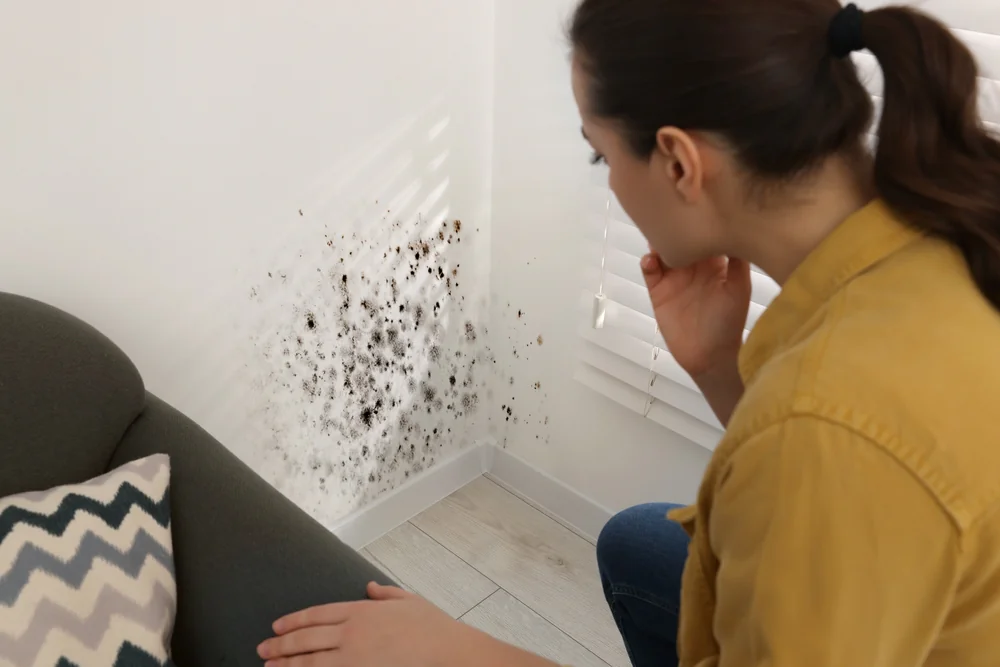
First, we come out for a free inspection. We’re not there to sell you something you don’t need. We’re there to find out if you have mold, where it is, and what’s causing it.
We use moisture meters and infrared cameras to check behind walls, in attics, and inside crawl spaces. If we find mold, we identify the type and map out the extent of the problem. Then we explain what needs to happen—in plain terms, with transparent pricing.
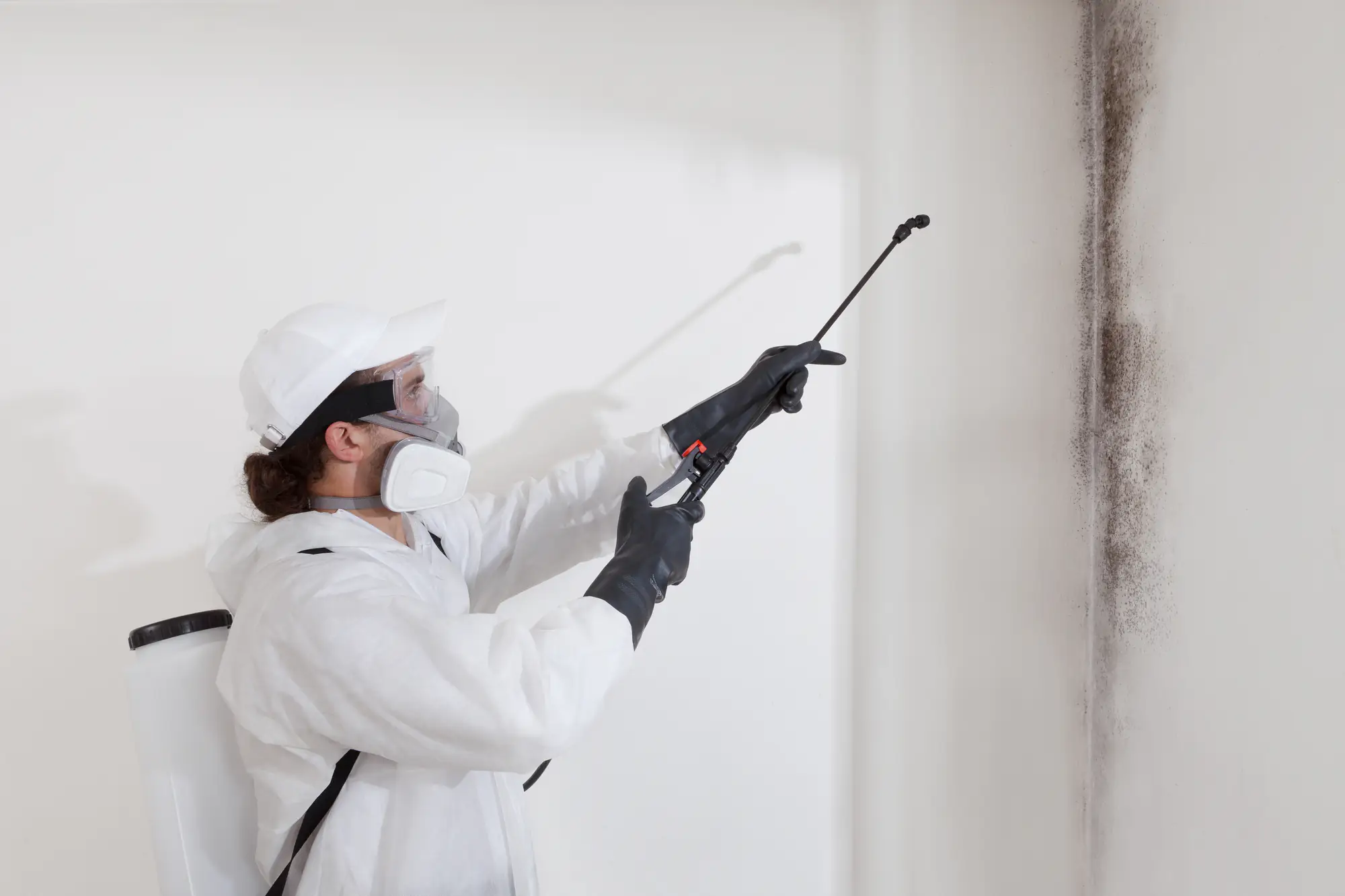
During remediation, we contain the area to prevent spores from spreading. We remove contaminated materials, treat affected surfaces, and use HEPA filtration to clean the air. But here’s the part that matters most: we fix the moisture source. Whether it’s a leak, condensation, or ventilation issue, we address what caused the mold in the first place.
After cleanup, we verify the air quality and make sure the problem is gone. You’re not left guessing. You get documentation, and you get a home that’s safe again.
Ready to get started?
You get a thorough inspection that covers visible and hidden areas—attics, crawl spaces, behind drywall, and inside HVAC systems. Many West Bradford homes have finished basements or older insulation that traps moisture. We check those areas carefully.
If you have black mold, we treat it seriously. Some molds produce mycotoxins that cause respiratory issues, headaches, and long-term health problems. We don’t just wipe it down. We remove it safely, using containment barriers and protective equipment to keep your family unexposed during the process.
For attic mold mitigation, we address ventilation problems and roof leaks that most homeowners don’t realize are there. For crawl space mold, we look at drainage, vapor barriers, and humidity levels. Water mold restoration after a leak or flood includes drying, dehumidification, and prevention strategies.
You also get help with insurance claims if your situation qualifies. We document everything and work directly with your provider to make the process less stressful. And if you need financing, we offer flexible payment options so you’re not stuck choosing between your health and your budget.
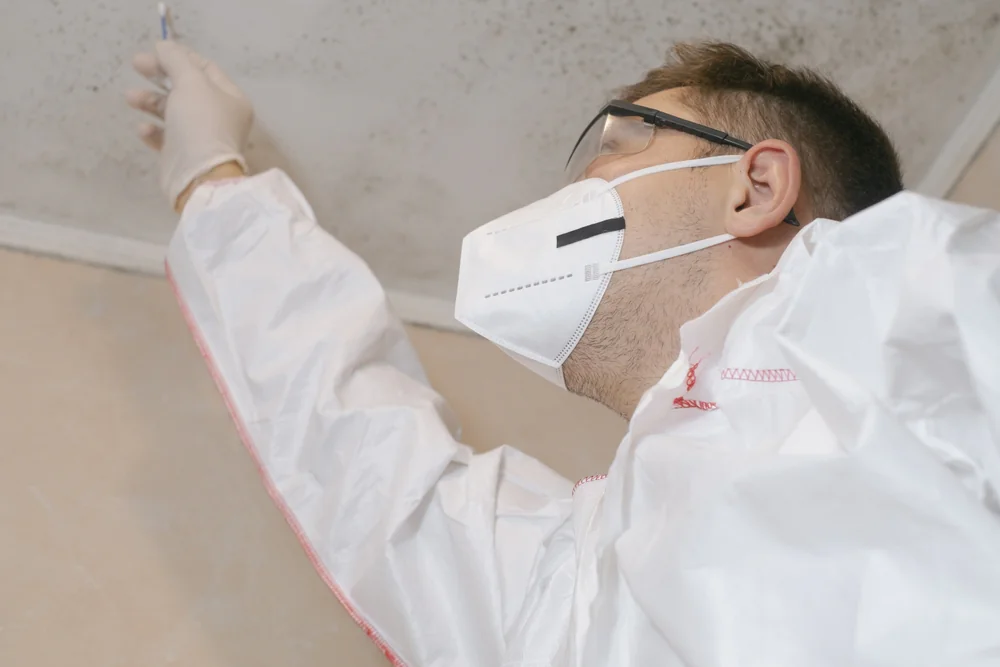
If you see visible mold, smell a persistent musty odor, or notice water damage that hasn’t been properly dried, you likely need professional help. But mold doesn’t always announce itself. Unexplained allergy symptoms, respiratory issues, or headaches that improve when you leave the house are red flags.
DIY cleaning with bleach might remove surface mold, but it won’t eliminate mold growing inside walls, under flooring, or in insulation. It also won’t fix the moisture problem causing it. If the mold covers more than a few square feet, or if it’s in your HVAC system, you need professionals with proper containment and equipment.
About 10% of people are severely allergic to mold. If anyone in your household has asthma, is elderly, or has a compromised immune system, don’t wait. Even small amounts of mold can trigger serious reactions. A free inspection will tell you exactly what you’re dealing with and whether remediation is necessary.
Mold removal sounds like you’re getting rid of every single spore, but that’s not realistic. Mold spores exist everywhere—they’re part of the natural environment. The goal isn’t to make your home sterile. It’s to reduce mold to safe levels and eliminate the conditions that let it grow.
Mold mitigation is the accurate term. It means we remove contaminated materials, treat affected areas, and control moisture so mold can’t come back. We’re addressing the root cause, not just scrubbing what you can see.
Some companies will remove visible mold and call it done. That’s not mitigation. If the leak isn’t fixed, the ventilation isn’t improved, or the humidity isn’t controlled, the mold will return. Real mitigation includes identifying why the mold grew in the first place and making sure it doesn’t happen again. That’s the difference between a temporary fix and a long-term solution.
It depends on the size of the affected area and the severity of the problem. A small bathroom mold issue might take one to two days. A larger problem—like attic mold mitigation or crawl space mold affecting multiple areas—can take three to five days or longer.
The process includes containment setup, removal of contaminated materials, treatment, drying, air filtration, and final verification. We don’t rush it. Cutting corners means the mold comes back, and you’re paying for the same job twice.
West Bradford homes with finished basements or older construction sometimes have hidden mold that extends further than it initially appears. We won’t know the full timeline until we complete the inspection. But we’ll give you a clear estimate upfront, and we’ll keep you updated if anything changes. Most homeowners are surprised by how manageable the process is once it’s explained clearly.
It depends on what caused the mold. If it resulted from a sudden, accidental event—like a burst pipe or storm damage—your insurance will likely cover it. If it’s from long-term neglect, poor maintenance, or gradual leaks, probably not.
Insurance companies look at the source. Water mold restoration after a covered event usually qualifies. Mold from an old roof leak you ignored for years typically doesn’t. The key is documentation and timing.
We help with the claims process. We document the damage, provide detailed reports, and communicate directly with your insurance adjuster. We’ve worked with most major providers, and we know what they need to approve a claim. Even if insurance doesn’t cover everything, we offer financing options so cost doesn’t stop you from protecting your family’s health. Don’t assume you’re not covered—let us help you find out.
In most cases, yes—but it depends on the location and extent of the mold. If we’re working in a contained area like a basement or attic, and you don’t have severe mold allergies, staying home is usually fine. We use containment barriers and negative air pressure to keep spores from spreading into living areas.
If the mold is extensive, involves your HVAC system, or includes toxic black mold in high-traffic areas, we might recommend staying elsewhere temporarily. Your safety comes first. We’ll be upfront about it during the inspection.
For families with young children, elderly members, or anyone with respiratory conditions, we often suggest staying with family or in a hotel during active remediation—even if it’s technically safe to stay. It’s not worth the risk of exposure, especially when spore counts are highest during removal. We’ll give you a realistic timeline so you can plan accordingly, and we work efficiently to get you back home as quickly as possible.
Don’t panic, but don’t ignore it either. First, stop using the area if possible—especially if it’s a bathroom, basement, or crawl space. Avoid disturbing the mold. Scrubbing or vacuuming it releases thousands of spores into the air, which makes the problem worse and increases your exposure.
If there’s an active leak, shut off the water source if you can. Open windows to improve ventilation, but don’t run fans directly on the mold. That just spreads spores throughout your home. Don’t try to clean it with bleach—it doesn’t work on porous surfaces like drywall or wood, and it can actually make some molds more resilient.
Call us for a free inspection. We’ll come out, assess the situation, and tell you exactly what needs to happen. If it’s minor and you caught it early, great—we’ll handle it quickly. If it’s more serious, you’ll know what you’re dealing with and have a clear plan. The worst thing you can do is wait and hope it goes away. It won’t.
Other Services we provide in West Bradford