
Hear from Our Customers
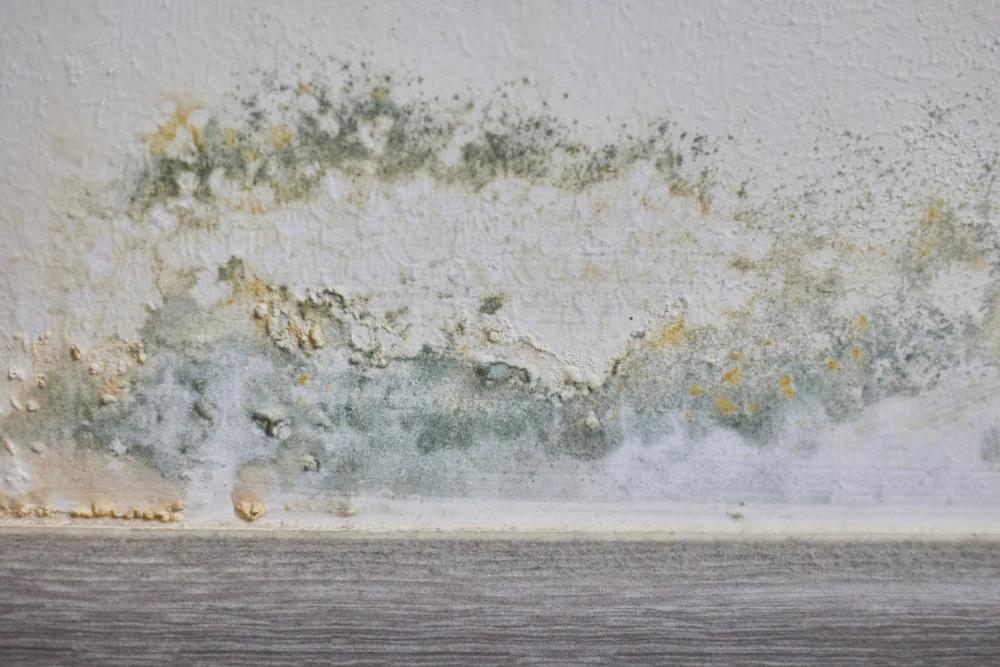
You stop worrying every time your kid coughs at night. The musty smell in your basement finally goes away. Those dark spots on your walls aren’t growing anymore.
Real mold mitigation means your air quality actually improves because we’re eliminating the contamination source, not just covering it up. You’re not second-guessing every stain or wondering if that spot got bigger. Your home feels like yours again.
Most importantly, you have documentation showing the work was done right. If you ever sell, you’ve got proof the problem was handled professionally. And if your insurance company needs records, you’re covered.
We’re local to Bucks County, which means we’ve seen what humid summers and older housing stock do to homes around here. Shared walls, brick basements, plaster construction, poor ventilation – these aren’t just buzzwords to us.
We show up, assess the situation honestly, and give you a clear plan. No scripts, no upselling, no scare tactics about black mold taking over your house. Just straightforward mold mitigation services from people who’ve done this hundreds of times in homes just like yours.
You get a full report with photos, moisture readings, and documentation of every step. If you want us to work with your insurance company, we can do that too.
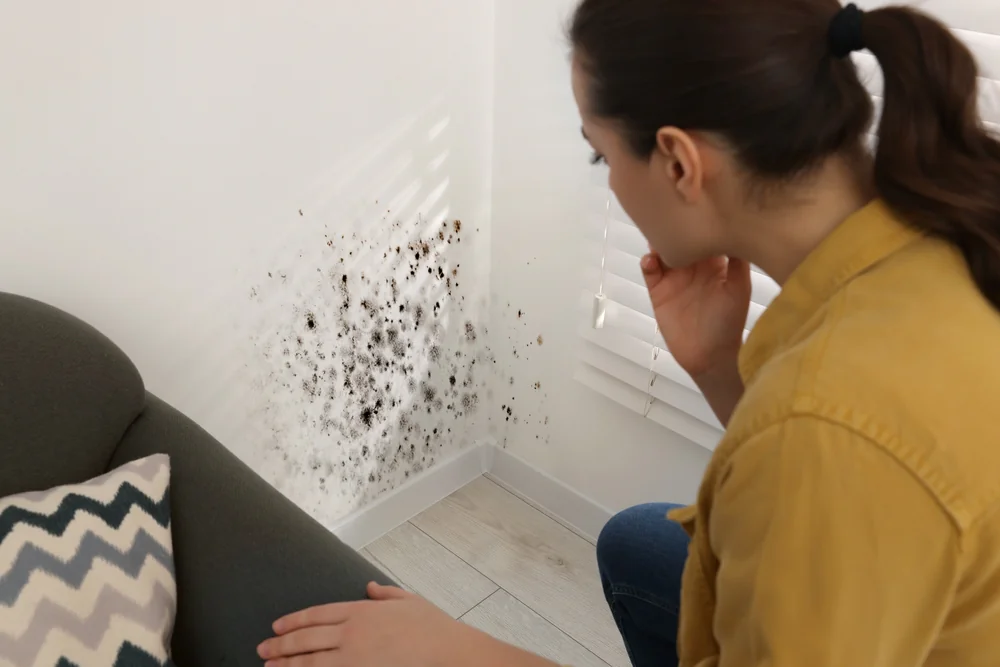
First, we inspect with moisture meters and infrared cameras to find mold you can’t see – behind walls, under floors, around HVAC systems. We’re looking for the moisture source, not just the visible growth.
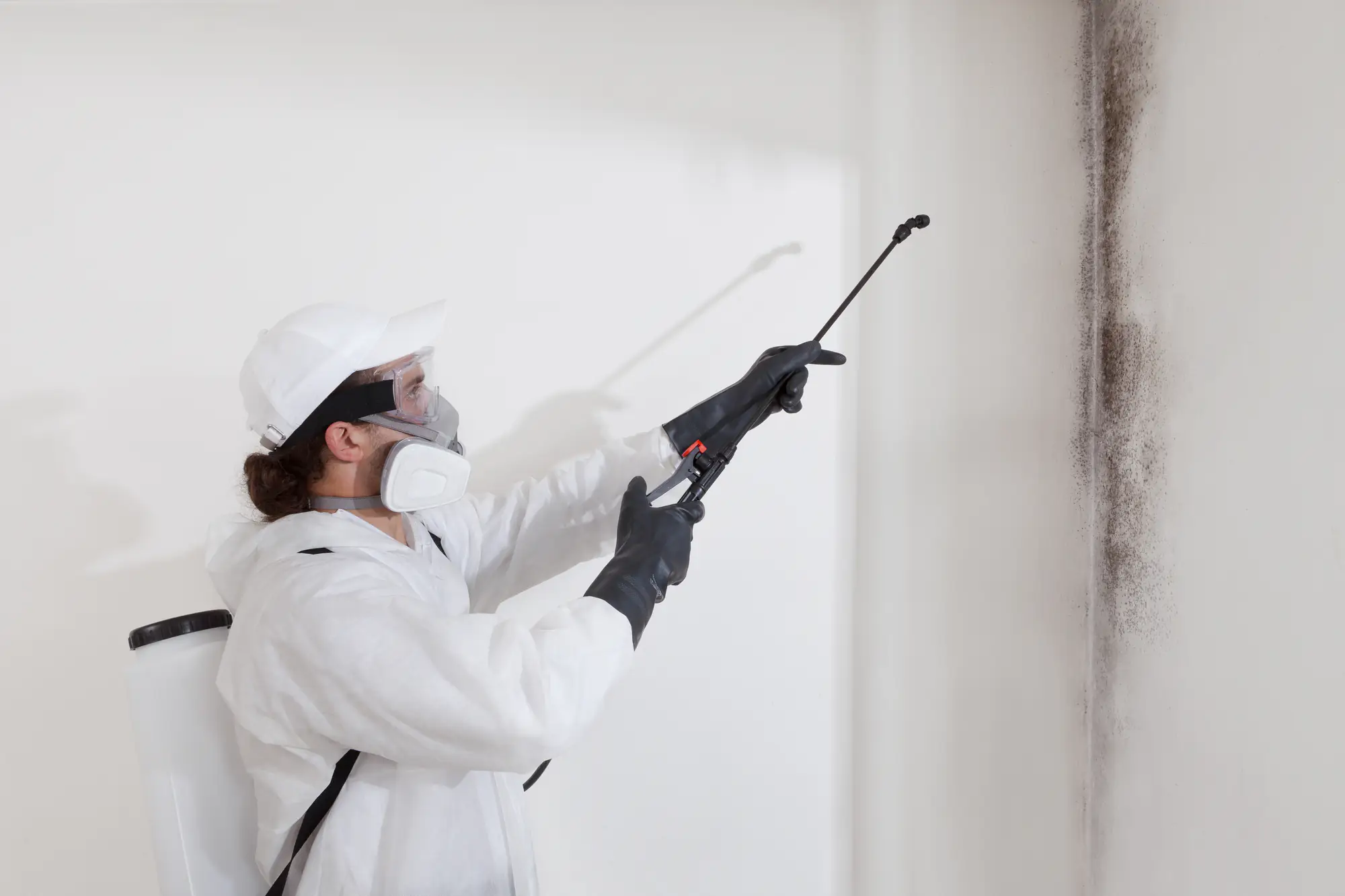
Then we contain the affected area with physical barriers and negative air pressure so spores don’t spread to clean parts of your home. We bring in HEPA vacuums and air scrubbers before we start removal.
Next comes the actual mitigation – removing contaminated materials, treating surfaces, and most importantly, fixing what caused the moisture problem in the first place. That might mean repairing leaks, improving ventilation, or installing dehumidifiers.
Finally, you get post-mitigation testing if you want proof the job was done right. Your air quality should pass clearance testing before we consider the job finished.
Ready to get started?
Mitigating black mold or any other type starts with identifying why it’s growing. In Upper Providence, that’s usually humidity from our summers, poor ventilation in older homes, or water intrusion that wasn’t caught fast enough.
We handle black mold mitigation, attic mold from poor ridge venting, crawl space issues, and water mold restoration. The process includes inspection, testing, containment, removal, treatment, and prevention – not just scrubbing visible spots and calling it done.
You’re dealing with a mold mitigation company that understands the difference between removal and mitigation. Removal is surface-level. Mitigation means managing the conditions that allowed mold to grow so you’re not calling someone back in three months.
Upper Providence homes built decades ago weren’t designed for today’s moisture challenges. We account for that when we assess your property and recommend solutions that actually work for your specific situation.
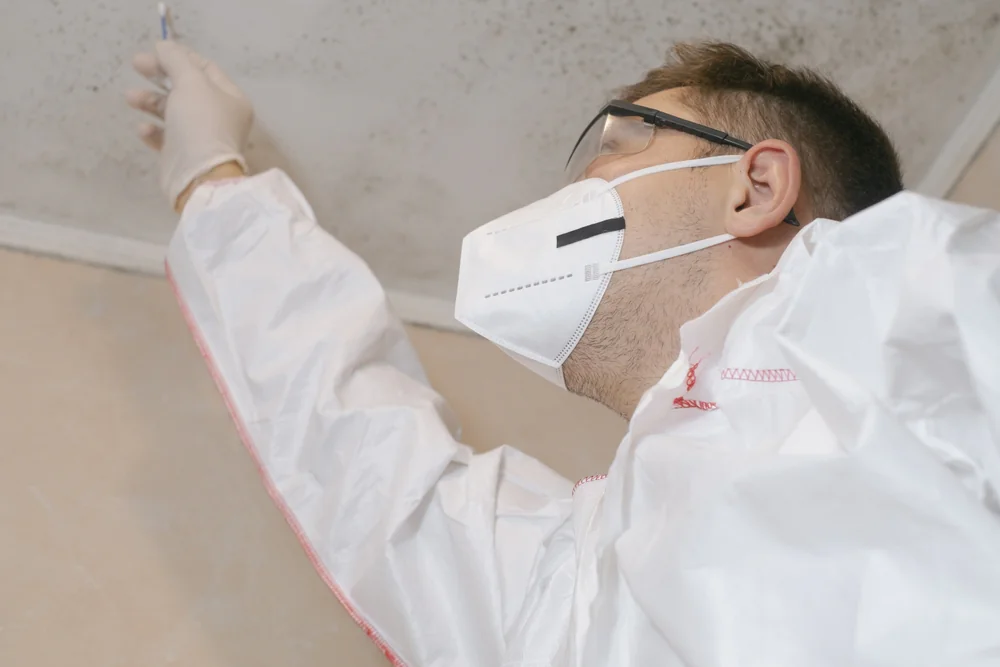
Most residential mold mitigation jobs take three to five days, but that depends entirely on how much mold we find and where it’s growing. A small bathroom issue might be done in two days. A basement with moisture problems affecting multiple rooms could take a week.
The timeline isn’t just about removing what you can see. We’re waiting for treated areas to dry completely, running air scrubbers, and making sure moisture levels are back to normal before we seal everything up. Rushing that process means mold comes back.
If we find mold in your HVAC system, that adds time because we need to clean the ducts properly. Same thing if we discover hidden growth behind walls during inspection. We’d rather take an extra day and do it right than leave you with a problem that resurfaces in six months.
It depends on what caused the mold. If it resulted from a covered peril – like a burst pipe or storm damage – most policies will cover remediation up to a limit, usually between $10,000 and $25,000. If the mold’s been growing for weeks because of ongoing moisture issues you didn’t address, probably not.
Insurance companies want to see that you acted quickly. Mold that develops within 24 to 48 hours of water damage is typically covered. Mold from long-term neglect or maintenance issues usually isn’t.
We document everything with photos, moisture readings, and detailed reports so you can file a claim if your situation qualifies. We’ve worked with enough adjusters in Bucks County to know what they’re looking for, and we can communicate directly with your insurance company if you want us to. But we’re honest about whether your situation is likely to be covered before you spend time on a claim that won’t go through.
Removal focuses on getting rid of visible mold growth. Mitigation focuses on managing the conditions that allowed mold to grow in the first place. You can remove mold all day long, but if you don’t fix the leak, improve the ventilation, or address the humidity problem, it’s coming back.
Mold mitigation means we’re identifying and eliminating the moisture source. We’re not just scrubbing surfaces – we’re repairing what’s broken, installing dehumidifiers if needed, and making sure your home’s moisture levels stay below 60% relative humidity where mold can’t thrive.
Think of it this way: removal is a band-aid. Mitigation is actually healing the wound. In Upper Providence, where humid summers and older construction create perfect conditions for mold growth, you need mitigation. Surface cleaning won’t cut it when your basement’s been damp for years or your attic ventilation is inadequate.
Musty smells are the biggest indicator, especially in basements, crawl spaces, or around HVAC vents. If you smell it but can’t see it, mold’s probably growing somewhere you can’t access easily. Water stains on ceilings or walls, even old ones, often mean mold’s behind the surface.
Other signs include condensation on windows, peeling wallpaper, or warping floors – all indicators of moisture problems that lead to mold growth. If anyone in your house is coughing more at home than elsewhere, or if allergies seem worse indoors, that’s worth investigating.
We use moisture meters and infrared cameras during inspections to find hidden mold behind walls, under floors, and in places you’d never think to check. The longer mold sits undetected, the more it spreads through air ducts and insulation. A free inspection tells you exactly what you’re dealing with so you’re not guessing.
Bleach kills surface mold on non-porous materials like tile or glass, but it doesn’t penetrate porous surfaces like drywall or wood where mold roots grow. You’re cleaning what you can see while leaving the actual problem untouched. Plus, bleach doesn’t address the moisture source, so mold returns within weeks.
The bigger issue is containment. When you start scrubbing mold without proper containment, you’re spreading spores throughout your home. Those spores land in clean areas and start new colonies wherever there’s moisture. Professional mold mitigation includes sealing off the work area and using negative air pressure to prevent cross-contamination.
For small surface mold on hard surfaces – under 10 square feet – you can handle it yourself if you catch it immediately. Anything larger, anything on porous materials, or anything that keeps coming back needs professional attention. In Upper Providence’s climate, DIY approaches usually just delay the inevitable while the problem gets worse.
Most residential jobs run between $1,500 and $6,000, depending on the size of the affected area and what’s causing the moisture problem. A small bathroom with surface mold might be on the lower end. A basement with extensive growth affecting multiple rooms and requiring structural repairs will cost more.
The price includes inspection, containment, removal, treatment, and fixing the moisture source – not just cleaning visible mold. If we need to remove drywall, treat framing, or install dehumidification equipment, that affects cost. HVAC system cleaning adds to the total if mold’s in your ductwork.
We give you upfront pricing after the free inspection so you know exactly what you’re paying for. No surprises, no hidden fees. Some homeowners try to save money with DIY approaches, but when mold comes back because the root cause wasn’t fixed, they end up spending more in the long run. Doing it right the first time costs less than doing it twice.
Other Services we provide in Upper Providence