
Hear from Our Customers
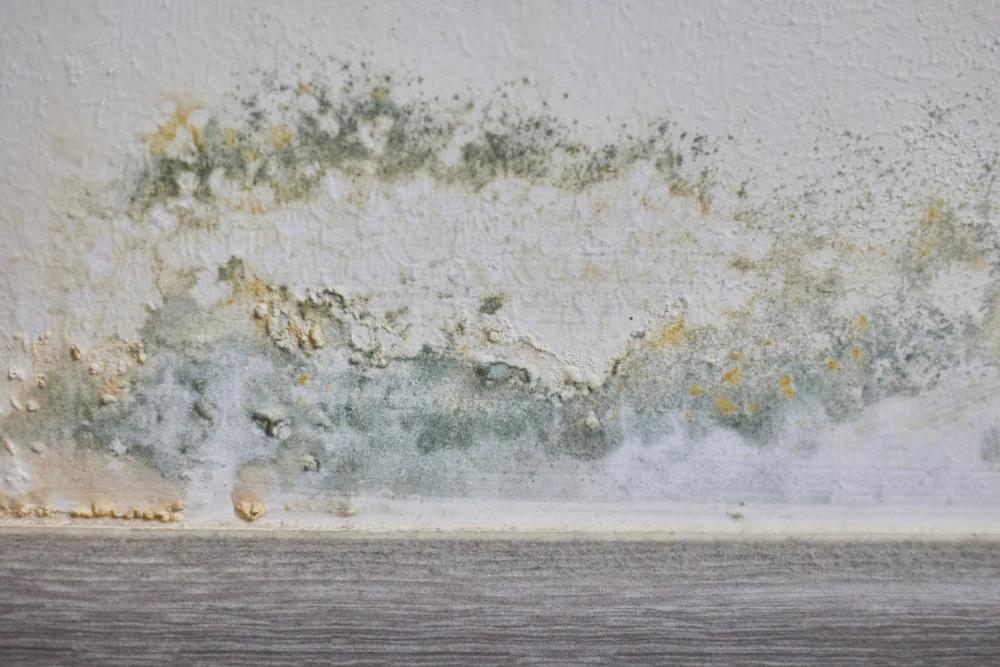
Mold doesn’t just look bad. It triggers asthma, causes respiratory issues, and makes your home feel like it’s working against you. If you’ve got kids, elderly parents, or anyone with allergies, you already know the stakes.
Real mold mitigation means finding where the moisture is coming from—not just wiping down what you can see. We use infrared cameras and moisture meters to locate hidden growth in walls, attics, and crawl spaces. Then we remove it using EPA-approved methods that don’t spread spores into the air.
Once it’s gone, we address the source. Leaks get sealed. Humidity gets controlled. You’re not just getting a cleaner house—you’re getting one that won’t grow mold again next month.
We serve Bucks County with one focus: creating healthy homes. We’re not a national franchise reading from a script. We’re local, certified, and we’ve seen what mold does to homes in this area—especially during humid Pennsylvania summers when AC units run nonstop and basements stay damp.
Our technicians are trained in mold remediation and follow all Pennsylvania regulations. We don’t guess. We test, document, and treat the problem at the source. You’ll know what we’re doing and why we’re doing it, every step of the way.
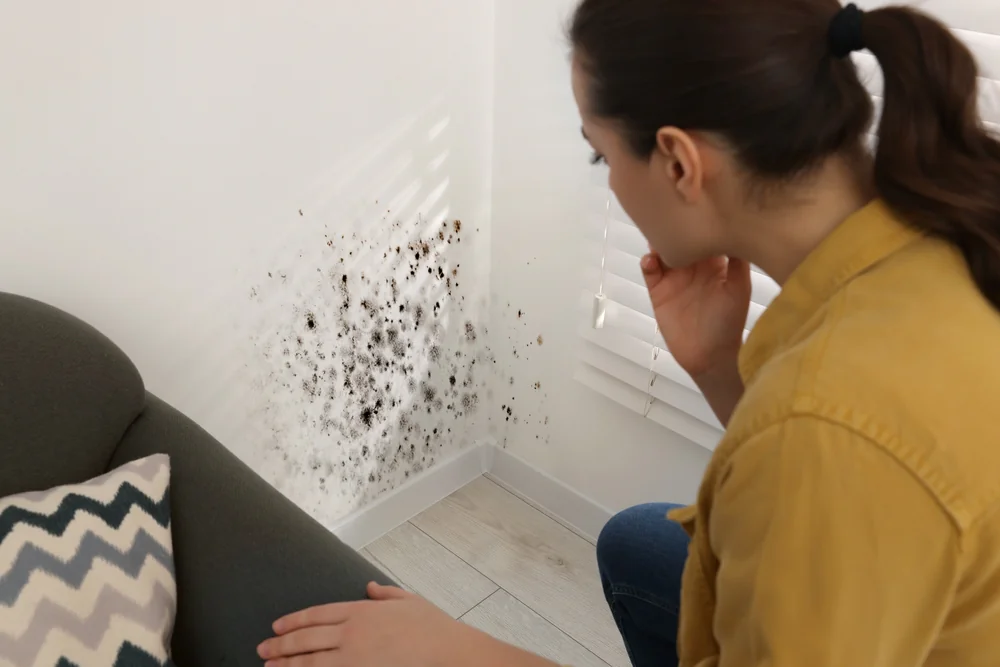
First, we inspect your property for free. That means checking visible areas, but also using thermal imaging to find moisture you can’t see. We’re looking for the why, not just the what.
Next, we test to confirm the type of mold and the extent of contamination. This tells us how aggressive we need to be and whether you’re dealing with black mold or something less severe.
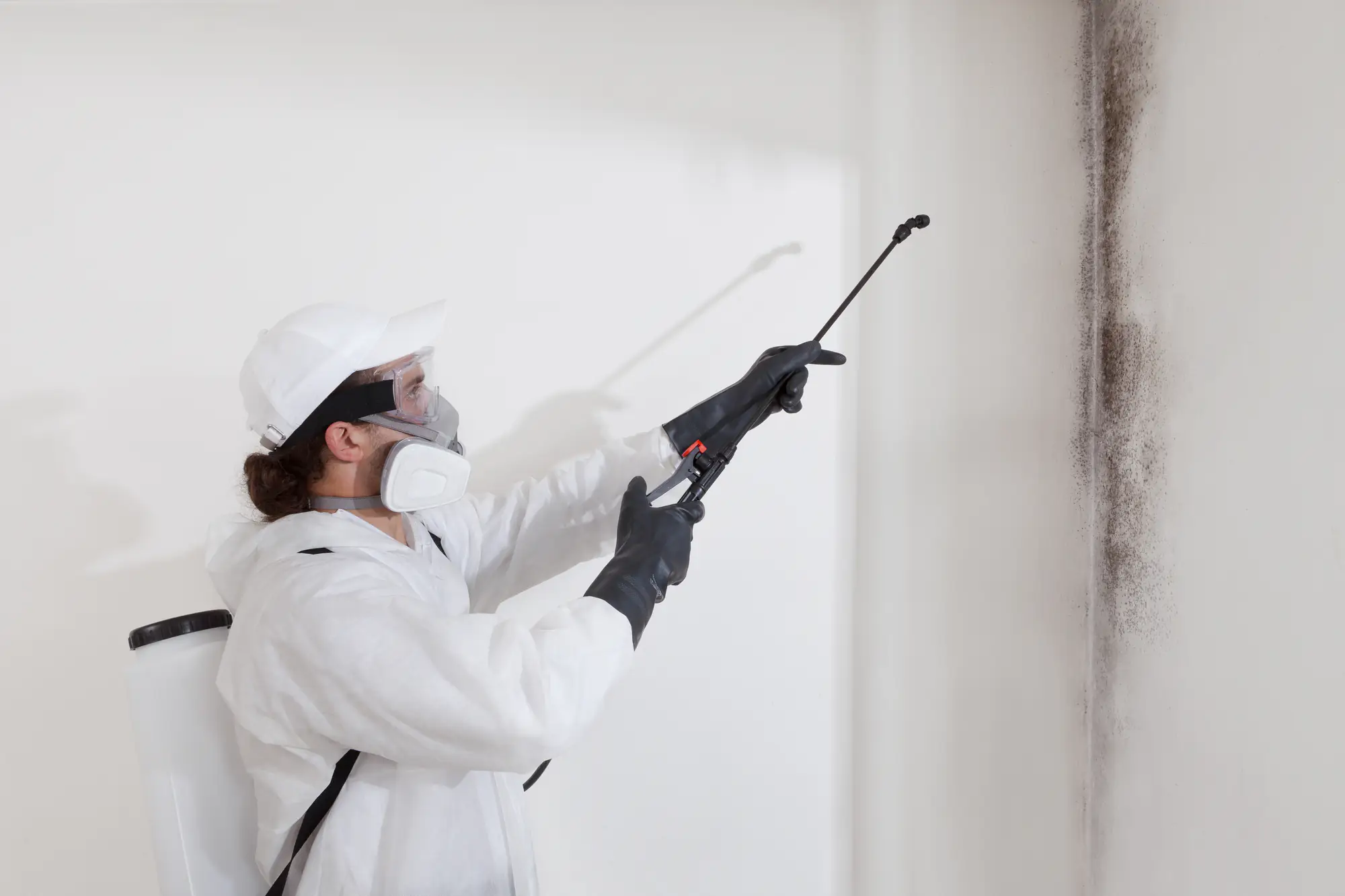
Then comes containment and removal. We seal off affected areas to prevent spores from spreading, remove contaminated materials safely, and treat surfaces with antimicrobial solutions. If drywall or insulation is too far gone, we remove it.
Finally, we fix the source. That could mean repairing a roof leak, improving ventilation in your attic, or installing a dehumidifier in your crawl space. Without this step, you’re just buying time before mold comes back.
Ready to get started?
You get a full inspection with moisture mapping and mold testing. You get containment that keeps spores from spreading to clean areas of your home. You get safe removal using HEPA filtration and EPA-approved cleaning agents.
But you also get the fix. We don’t leave until the leak is sealed, the humidity is under control, and the conditions that caused mold are gone. That’s the difference between mold removal and mold mitigation—one is temporary, the other is permanent.
In Upper Providence and throughout Bucks County, we see the same issues: attic mold from poor ventilation, crawl space mold from groundwater seepage, and bathroom mold from exhaust fans that don’t actually vent outside. We know what to look for because we’ve been doing this locally for years. If your home was built before 2000, chances are it wasn’t designed with mold prevention in mind. We bring it up to standard.
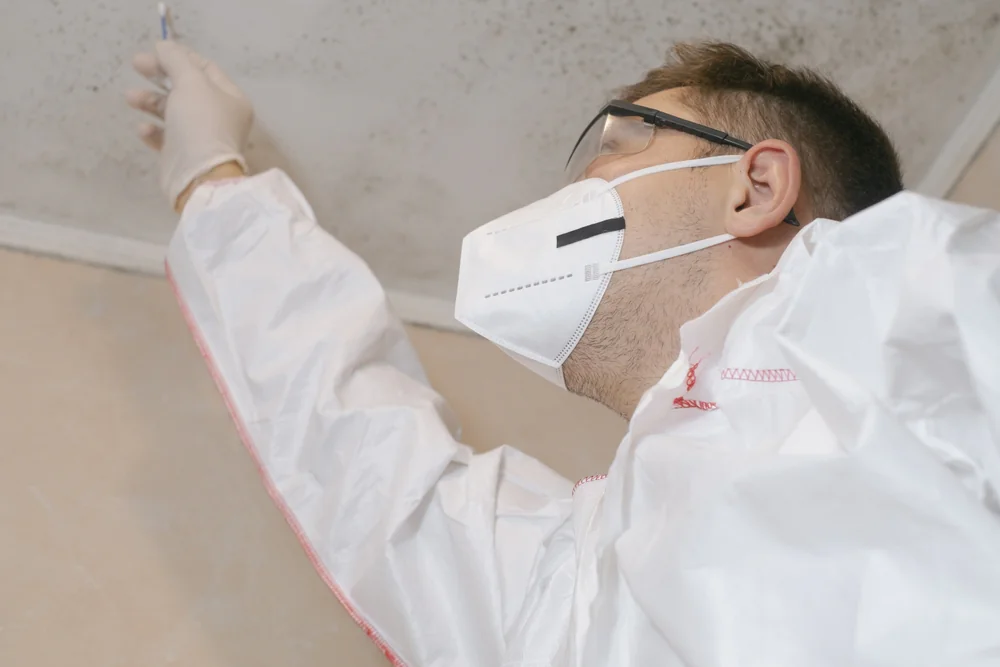
Most residential mold mitigation projects take between two and five days, depending on the size of the affected area and how far the mold has spread. A single bathroom with surface mold might only take a day or two. A finished basement with mold behind drywall could take closer to a week.
The timeline also depends on what caused the mold. If we need to coordinate with a plumber to fix a leaking pipe or a roofer to repair shingles, that adds time. But we move fast once we’re on-site because mold spreads quickly—within 48 to 72 hours of water exposure.
You won’t be displaced from your home in most cases. We contain the work area with plastic sheeting and negative air pressure so the rest of your house stays livable. If the contamination is severe or affects your HVAC system, we’ll let you know upfront.
Mold removal focuses on cleaning up what you can see. Mold mitigation goes deeper—it finds the source of moisture, eliminates the mold, and prevents it from coming back.
Here’s the problem with removal alone: if you don’t fix the leak, improve the ventilation, or control the humidity, mold will return. You’ll be calling someone again in six months. Mitigation addresses the root cause, whether that’s a leaking roof, condensation in your attic, or a crawl space that’s too damp.
We use both terms because people search for both, but what we actually do is mitigation. That means you’re not just paying for cleanup—you’re paying for a solution that lasts.
It depends on what caused the mold. If it’s the result of a sudden, accidental event—like a burst pipe or storm damage—most policies will cover mitigation. If it’s from long-term neglect or a maintenance issue like a slow leak you ignored, probably not.
Insurance companies want to see that you acted quickly. The longer you wait after discovering water damage, the less likely they are to pay. That’s why we offer free inspections—so you can document the problem right away and file a claim if needed.
We’ll work with your insurance adjuster and provide all the documentation they need: photos, moisture readings, scope of work, and itemized estimates. We’ve done this hundreds of times. You’re not navigating the claims process alone.
In most cases, yes. We contain the work area with heavy-duty plastic barriers and use HEPA air scrubbers to keep spores from spreading. That means the rest of your home stays safe and livable while we work.
If the mold is extensive—like throughout your HVAC system or across multiple rooms—we might recommend staying elsewhere for a few days. Same goes if you have severe asthma or immune system issues. But that’s rare.
We’ll be straight with you during the inspection. If it’s safe to stay, we’ll tell you. If it’s not, we’ll explain why and give you a realistic timeline for when you can return.
We fix the source. That’s the whole point of mitigation. If mold grew because of a roof leak, we make sure that leak is sealed. If it’s from condensation in your attic, we improve ventilation or add insulation. If your crawl space is the problem, we install vapor barriers or dehumidifiers.
We also treat surfaces with antimicrobial solutions that inhibit future growth. But chemicals alone won’t stop mold if moisture is still present. You need both—treatment and prevention.
After the job is done, we’ll walk you through maintenance tips specific to your home. That might mean running a dehumidifier in your basement during summer, cleaning your gutters twice a year, or checking your bathroom exhaust fan to make sure it’s venting outside. Small habits make a big difference.
Mold releases spores into the air, and when you breathe them in, they can trigger allergic reactions, asthma attacks, and respiratory infections. Symptoms include coughing, wheezing, throat irritation, nasal congestion, and skin rashes. For people with asthma or mold allergies, exposure can be severe.
Black mold—technically called Stachybotrys chartarum—produces mycotoxins that can cause more serious health issues, especially with prolonged exposure. The Mayo Clinic found that 96% of chronic sinus infections are linked to mold exposure. The CDC estimates that 21% of asthma cases in the U.S. are connected to damp, moldy environments.
Kids, elderly family members, and anyone with a compromised immune system are at higher risk. If you’re noticing symptoms that get better when you leave the house and worse when you come back, that’s a red flag. Don’t wait. Mold doesn’t improve on its own.
Other Services we provide in Upper Providence