
Hear from Our Customers
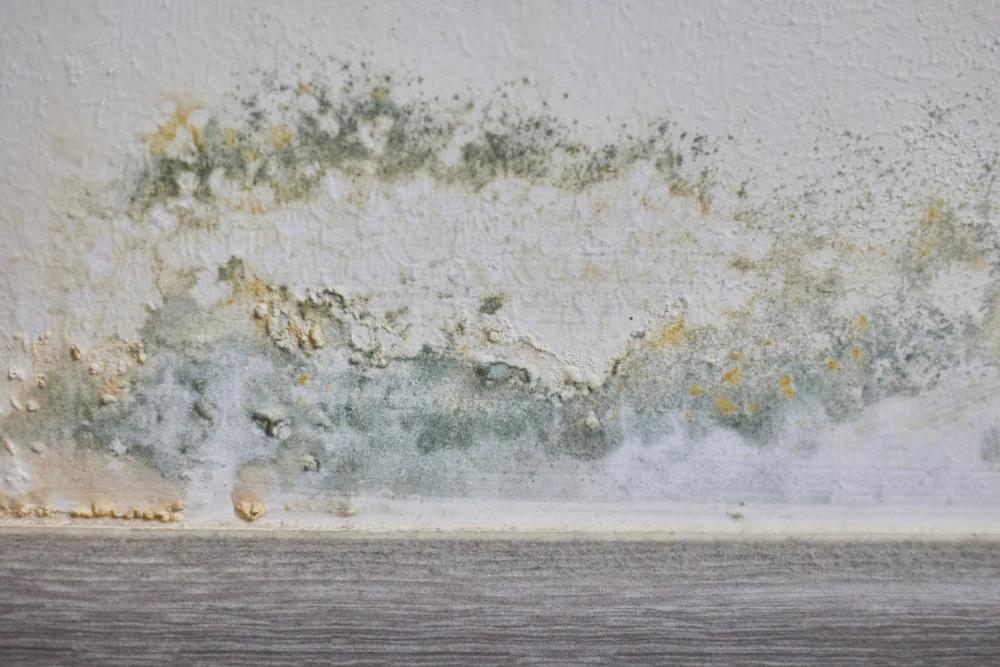
You’re dealing with more than just a musty smell. Mold spreads fast—within 24 to 48 hours of water exposure, it can take hold. In Upper Moreland’s humid summers, what starts in your basement can move through your HVAC system and into your attic within weeks.
The health risks are real. Sneezing, runny nose, skin rashes, and asthma attacks—especially if someone in your family is allergic. You need it gone, and you need to know it won’t come back.
That’s what proper mold mitigation does. It removes the mold you can see and the mold you can’t—inside walls, under floors, in ductwork. Then it fixes the moisture problem that caused it. No shortcuts. No surface cleaning that buys you two weeks before it returns.
You get a home that’s safe to live in, air that’s clean to breathe, and confidence that the problem is actually solved.
We serve homeowners throughout Bucks County who need real solutions, not quick fixes. Our team is IICRC-certified and follows EPA-approved methods for mold cleanup. Every job comes with a 5-year written warranty.
We know Upper Moreland homes. Older foundations, humid basements, attics that trap moisture during Pennsylvania summers—these aren’t just mold risks, they’re guarantees if the conditions are right. We’ve worked in hundreds of homes like yours, and we know how to find mold even when it’s hidden and how to stop it from coming back.
You’ll work with trained technicians who use advanced detection equipment and follow strict safety protocols. No guesswork. No unnecessary upselling. Just honest assessments and work that actually lasts.
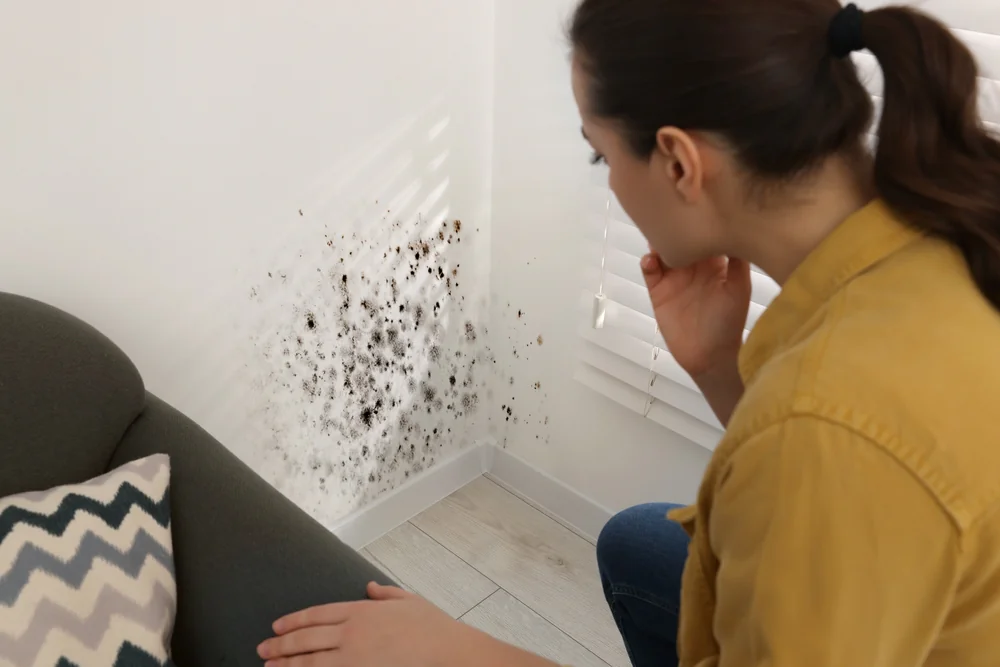
First, we inspect your entire property—not just where you see mold. We check wall cavities, crawl spaces, HVAC systems, anywhere moisture can hide. We identify what type of mold you’re dealing with and what’s causing it.
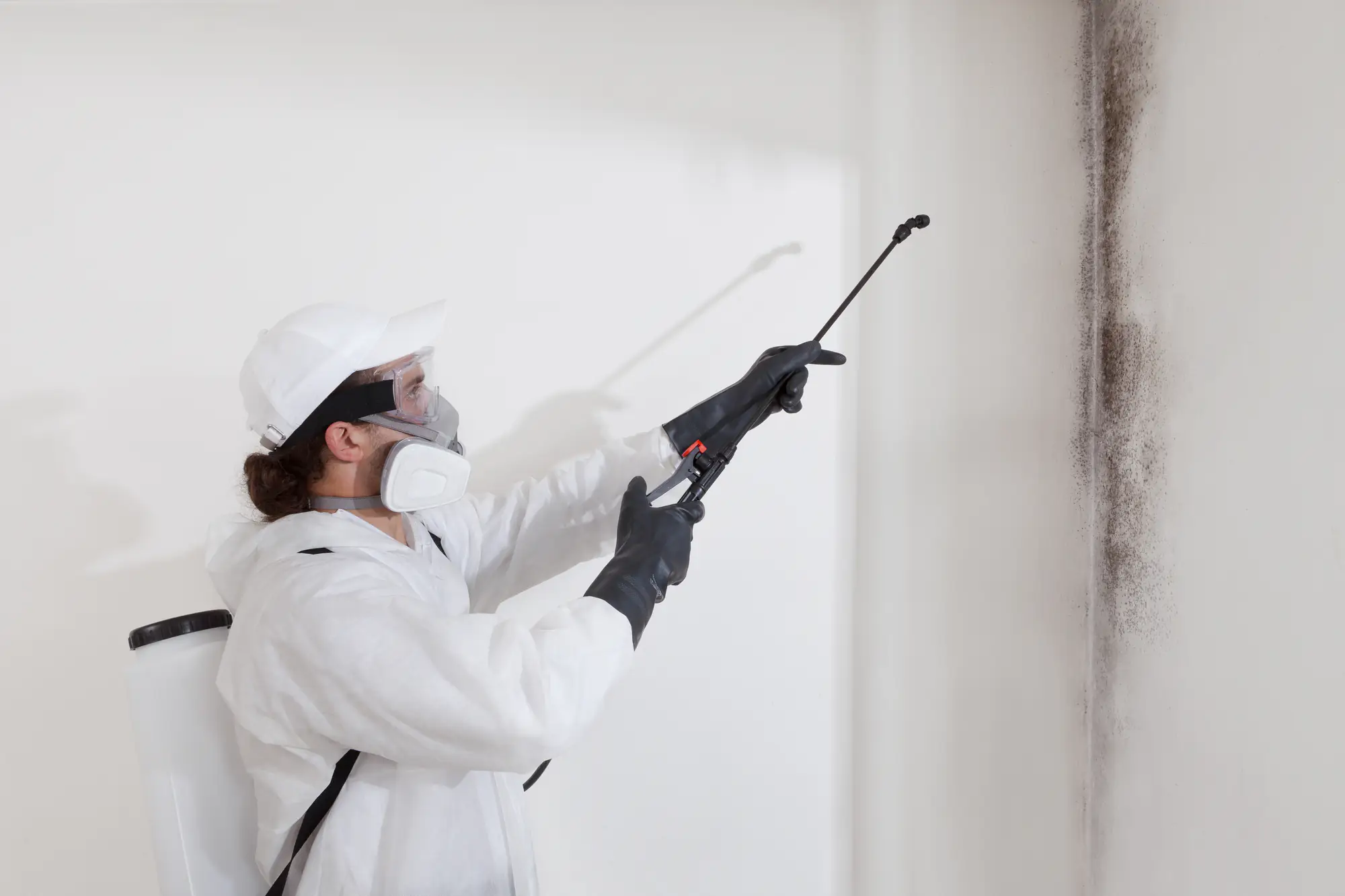
Then we contain the area to prevent spores from spreading during removal. We use negative air pressure and physical barriers because mold doesn’t stay put once you disturb it.
Next comes removal. We don’t just spray bleach and walk away. We remove contaminated materials, clean affected surfaces with EPA-approved products, and treat areas to prevent regrowth. If your drywall or insulation is compromised, we handle that too.
Finally, we fix the source. Leaky pipe? Poor ventilation? Humidity issue? If we don’t address why the mold grew in the first place, you’ll be calling someone again in six months. We make sure that doesn’t happen.
You’ll get documentation for insurance, clear communication throughout the process, and a final walkthrough so you know exactly what was done.
Ready to get started?
You get a free comprehensive inspection to start. We don’t charge you to figure out what’s wrong. From there, you’ll receive a detailed estimate before any work begins—no surprises, no hidden fees.
Our mold mitigation services include containment, removal of all contaminated materials, HEPA filtration during the process, antimicrobial treatment, and odor elimination. If reconstruction is needed after removal, we handle that too. You’re not coordinating between multiple companies.
Upper Moreland homes face specific challenges. Your basement probably stays damp even when it’s not raining. Your HVAC system runs overtime in July and August, creating condensation. Older homes in the area weren’t built with the vapor barriers and ventilation standards we have now. We account for all of that.
You also get help with insurance claims. We document everything, take photos, and provide the paperwork your insurance company needs. And because we’re available 24/7 for emergencies, you’re not waiting three days while mold spreads after a pipe bursts.
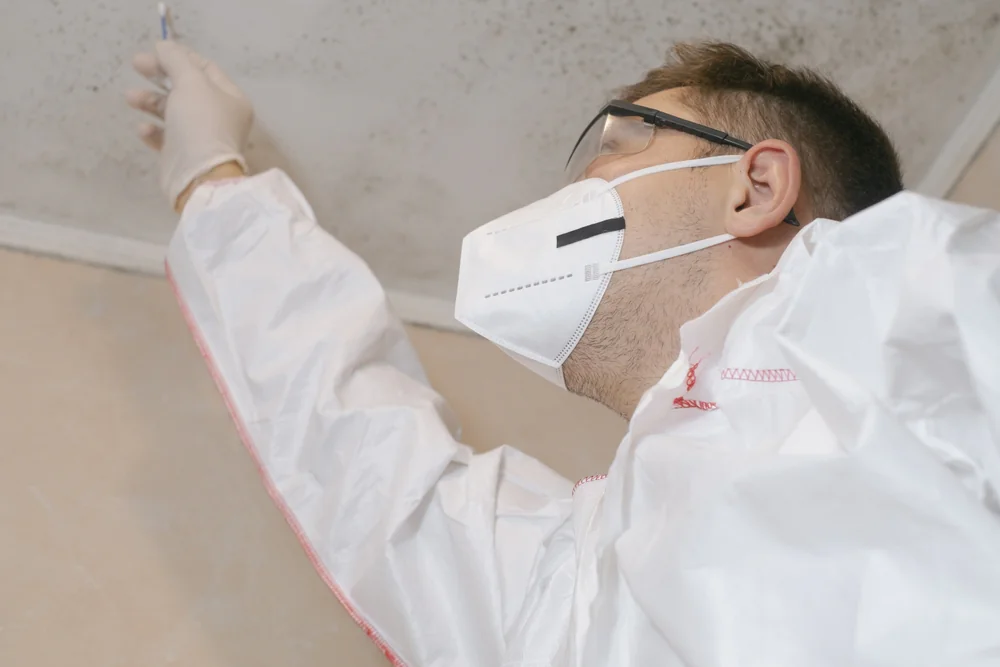
Most residential mold mitigation projects take between three and five days, but it depends on how much mold we find and where it’s growing. A small bathroom issue might be done in two days. A basement with mold behind finished walls and in the HVAC system could take a week.
The inspection happens first—usually within 24 hours of your call. Once we know what we’re dealing with, we’ll give you a timeline before we start. We don’t rush the process because cutting corners means the mold comes back.
Drying time matters too. After we remove the mold and treat the area, everything needs to dry completely. In Upper Moreland’s humid climate, we sometimes use dehumidifiers for an extra day or two to make sure moisture levels are where they need to be. You’ll know the full timeline upfront, and we’ll keep you updated if anything changes.
Mold removal means getting rid of visible mold growth. Mold mitigation means removing the mold and fixing the conditions that allowed it to grow. One is a band-aid. The other is a solution.
Here’s why that matters: mold spores are everywhere. They’re in the air right now. They only become a problem when they land somewhere wet and start growing. If you remove mold but don’t fix the leak, the poor ventilation, or the humidity problem, you’re just buying time until it grows back.
Mitigation addresses both. We remove all the mold—visible and hidden—and then we identify and fix the moisture source. That might mean repairing a leak, improving ventilation, installing a dehumidifier, or waterproofing part of your basement. It’s the difference between spending money twice and actually solving the problem.
Black mold—Stachybotrys chartarum—requires the same process as other mold types, but it usually costs more because of where it grows and how much damage it causes. Black mold needs constant moisture, so by the time you find it, there’s often significant water damage to drywall, insulation, or flooring.
The mitigation process is the same: containment, removal, treatment, and source repair. But black mold jobs often involve more demolition and reconstruction. If it’s growing inside your walls, we need to remove and replace those materials. That adds to the cost.
The average mold remediation costs around $2,347, but black mold projects in Upper Moreland basements or attics can run higher depending on the extent of the damage. We’ll give you an exact number after the inspection. What you’re paying for is complete removal and the peace of mind that it’s actually gone—not just covered up.
It depends on what caused the mold. If mold grew because of a sudden, accidental event—like a burst pipe or a roof leak during a storm—most homeowners insurance policies will cover mitigation. If it grew because of long-term neglect or a maintenance issue you ignored, probably not.
Insurance companies want to see that you acted quickly. Mold that develops within 48 hours of a covered water damage event is usually covered. Mold that’s been growing for months because you didn’t fix a slow leak typically isn’t.
We help with the claims process. We document everything, provide detailed reports, and communicate directly with your insurance adjuster if needed. We’ve worked with most of the major insurance companies, and we know what they require. Even if your claim gets denied, we offer financing options to make mitigation affordable. The worst thing you can do is wait—mold damage gets more expensive the longer it sits.
It depends on where the mold is and how extensive the growth is. For small, contained areas like a bathroom or a section of basement, you can usually stay in your home. We seal off the work area with plastic barriers and use negative air pressure to keep spores from spreading to other rooms.
For larger projects—especially if mold is in your HVAC system or spread across multiple rooms—we might recommend staying elsewhere for a few days. It’s not always necessary, but it’s safer, especially if anyone in your family has asthma, allergies, or a compromised immune system.
We’ll be honest with you after the inspection. If it’s safe to stay, we’ll tell you. If it’s not, we’ll explain why. Upper Moreland homes with finished basements often have mold behind walls that requires more invasive work, and in those cases, it’s usually easier to stay with family or in a hotel for a few days while we handle it.
If you can see mold or smell a persistent musty odor, you don’t need testing—you need mitigation. Testing tells you what type of mold you have, but it doesn’t remove it. And regardless of the type, all mold needs to go.
Testing makes sense in a few situations: if you’re buying a home and want to know if there’s hidden mold, if you’ve had water damage and want to confirm mold hasn’t started growing, or if you’re experiencing health symptoms but can’t find the source. In those cases, testing gives you information before you commit to a full mitigation project.
Most homeowners in Upper Moreland skip testing and go straight to mitigation because they already know there’s a problem. Our free inspection identifies where the mold is, how much there is, and what’s causing it. From there, you’ll know exactly what needs to happen and how much it costs. If you’re not sure whether you need testing or mitigation, call us. We’ll walk you through it and give you an honest recommendation.
Other Services we provide in Upper Moreland