
Hear from Our Customers
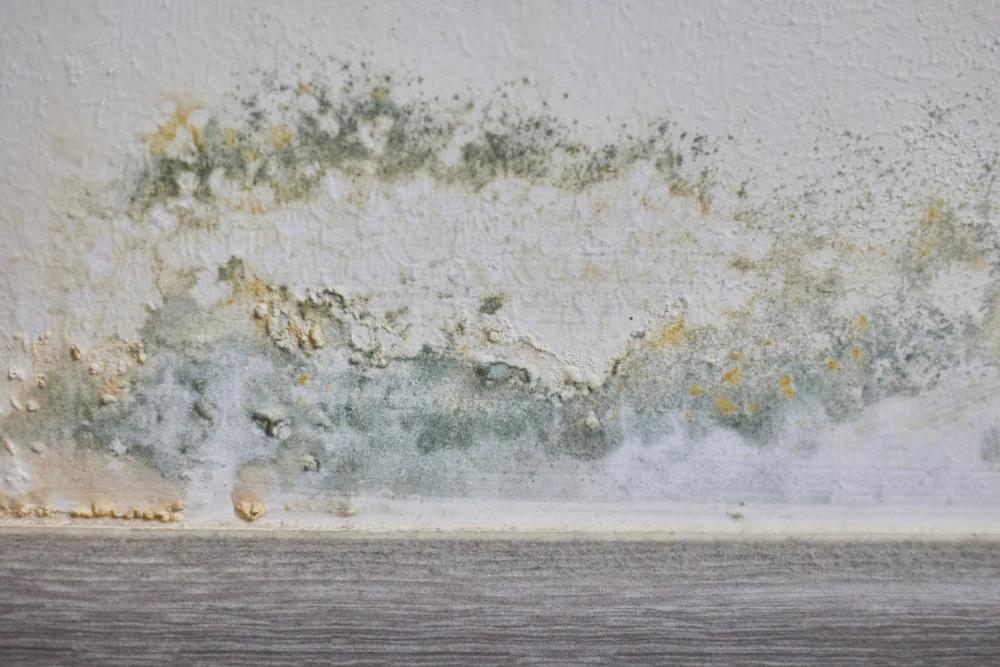
You’ve noticed the smell. Maybe you’ve seen the discoloration in the basement or behind the bathroom wall. Or maybe someone in your house has been coughing more, dealing with congestion that won’t quit, or struggling with asthma symptoms that seem worse at home than anywhere else.
Mold doesn’t just look bad. It affects how you breathe, how you sleep, and whether your home feels safe. And if you’re trying to sell, it can kill a deal faster than almost anything else.
Professional mold mitigation stops the growth, removes what’s already there, and fixes the conditions that let it happen in the first place. That means identifying leaks, controlling humidity, and treating affected areas with EPA-approved methods that actually work. You’re not just cleaning up a mess—you’re protecting your family’s health and your property’s value.
When the job’s done right, you can breathe easier. Literally.
We’ve been working in Upper Hanover, PA and throughout Bucks County since 1999. We’ve seen what Pennsylvania’s humid climate does to older homes, how basements flood after heavy rain, and how quickly a small leak turns into a bigger problem.
We’re certified in residential and commercial mold inspection, testing, and removal. Our technicians use advanced detection technology and follow EPA guidelines on every job. We also work directly with insurance companies to help you navigate claims without the runaround.
You’re not getting a national franchise that doesn’t know the area. You’re working with a local team that understands Upper Hanover’s housing stock, climate challenges, and what it takes to keep mold from coming back.
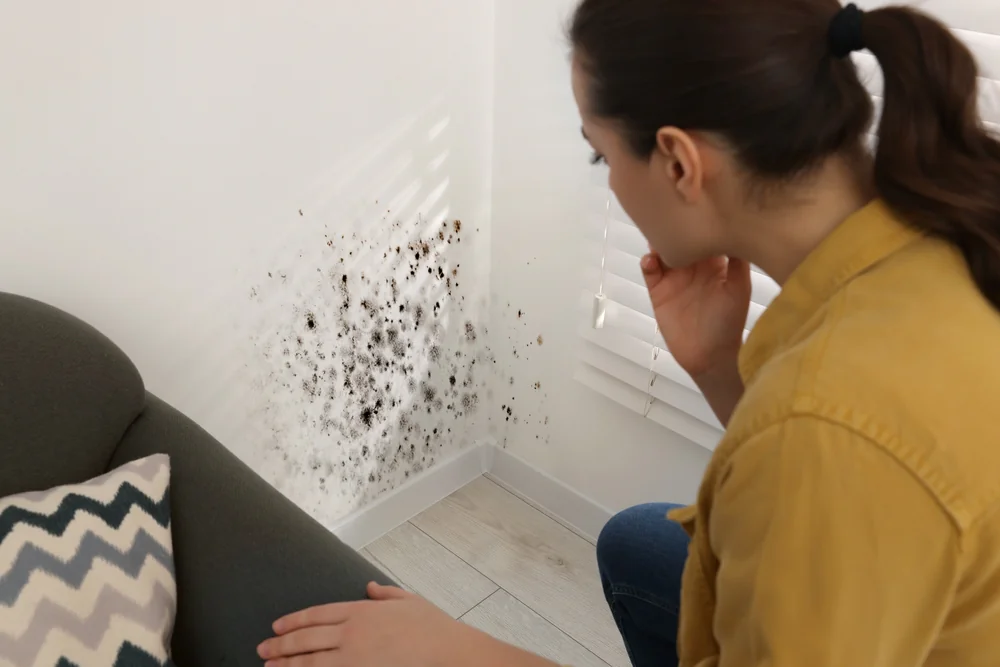
We start with a free inspection. That means walking through your property, checking areas where mold typically hides—basements, crawl spaces, attics, behind walls, around HVAC systems—and using moisture meters and infrared cameras to find what you can’t see. We’ll also test to identify the type of mold and measure how far it’s spread.
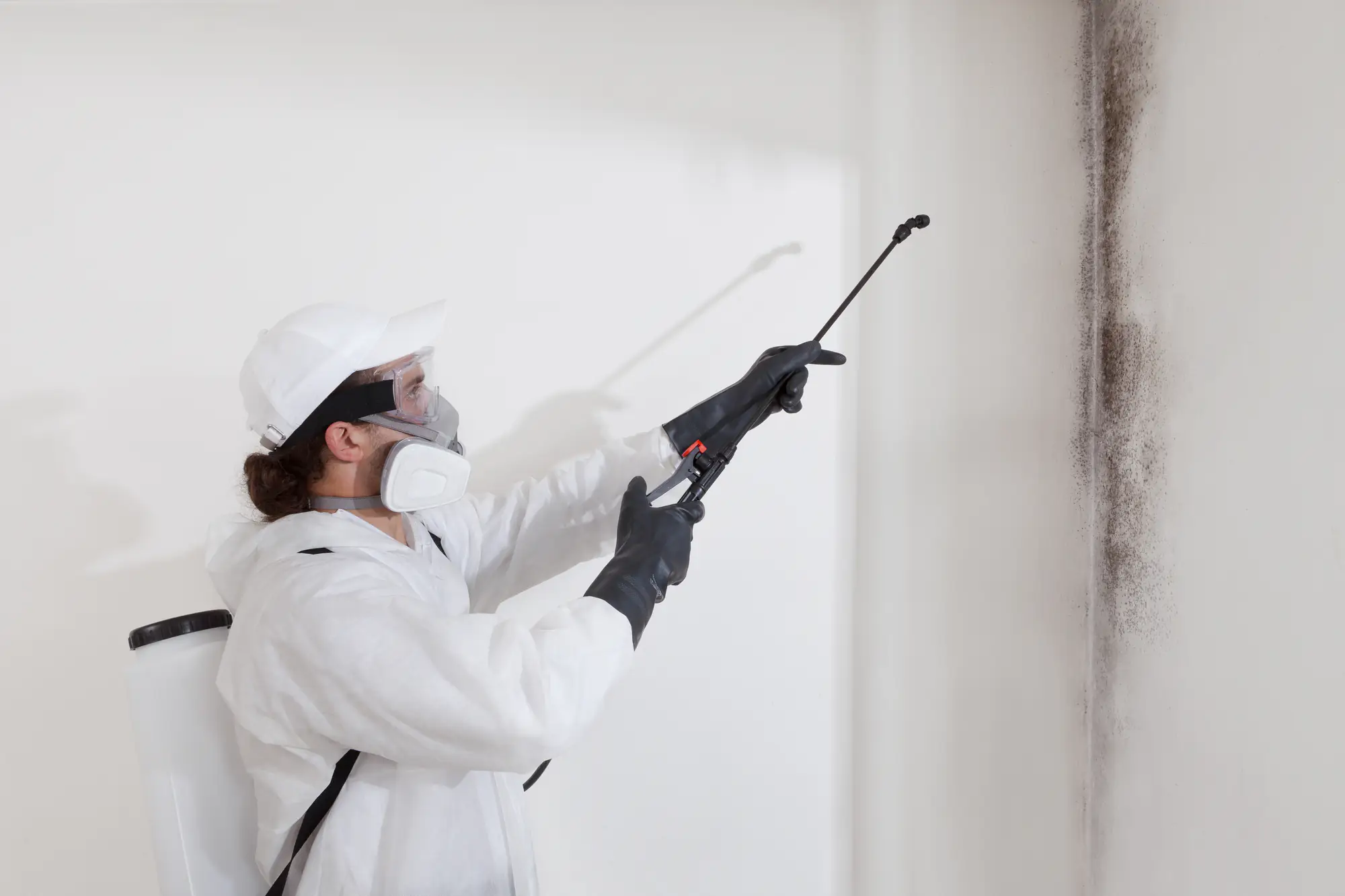
Once we know what we’re dealing with, we contain the area to prevent spores from spreading during removal. Then we remove contaminated materials, treat affected surfaces with antimicrobial solutions, and use HEPA filtration to clean the air. If there’s water damage or structural issues, we handle that too.
After removal, we address the source. That could mean fixing a leak, improving ventilation, installing a dehumidifier, or sealing entry points. Mitigation isn’t just about cleaning up—it’s about making sure the problem doesn’t come back.
You’ll get documentation of everything we did, including before-and-after photos and air quality results. That matters if you’re selling your home or filing an insurance claim.
Ready to get started?
Every mold mitigation job includes a full inspection, containment setup, safe removal of affected materials, antimicrobial treatment, air filtration, and moisture control. We don’t just treat the visible mold—we go after the root cause so it doesn’t come back next season.
Upper Hanover’s older homes and humid Pennsylvania climate create perfect conditions for mold growth, especially in basements and crawl spaces. If your property has had water damage, roof leaks, or poor ventilation, you’re at higher risk. We see it constantly in this area, and we know how to fix it.
We also handle the paperwork. If you’re filing an insurance claim, we’ll document everything and work with your adjuster. If you’re buying or selling a home, we’ll provide the reports you need to satisfy disclosure requirements under Pennsylvania law. Sellers who address mold professionally often recover thousands more in resale value than those who ignore it or try a quick DIY fix.
You also get access to 24/7 emergency response. Mold spreads fast, especially after flooding or a pipe burst. The sooner we start mitigation, the less damage you’ll deal with.
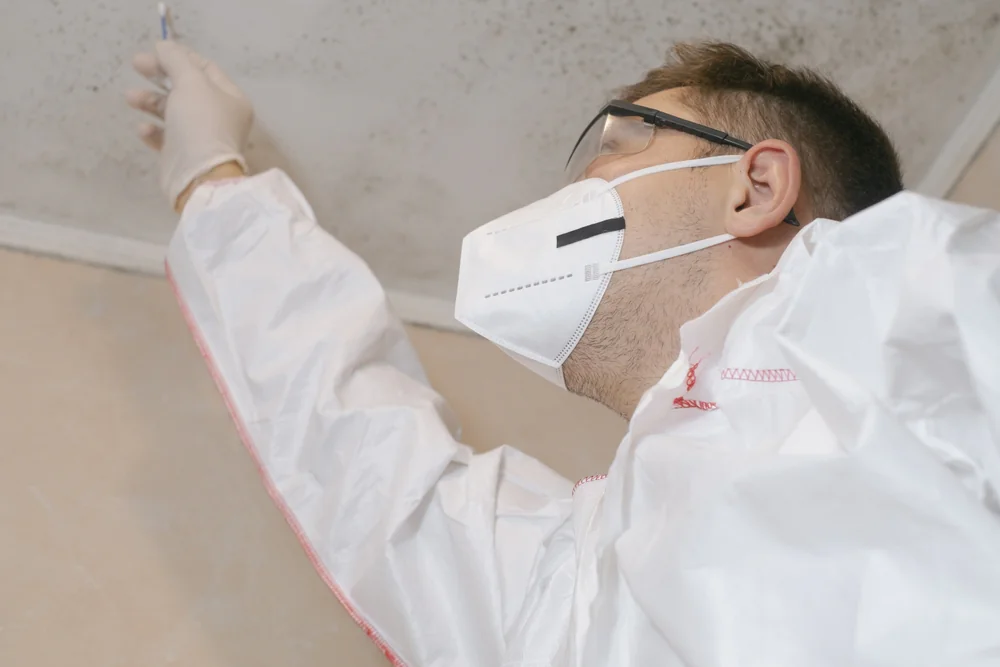
Mold remediation is the full process of removing mold that’s already growing in your home—cleaning, sanitizing, treating surfaces, and eliminating the contamination. Mold mitigation refers to the steps taken to prevent mold from growing in the first place or to reduce the damage once it’s been found.
In practice, most companies (including us) use the terms interchangeably because the work overlaps. When we mitigate mold damage, we’re removing what’s there and fixing the conditions that caused it. That means controlling moisture, improving airflow, repairing leaks, and treating the space so mold doesn’t come back.
If you’re searching for help with an active mold problem, both terms apply. What matters more than the label is whether the company addresses the source of the moisture and follows EPA-approved methods for safe removal.
If you can see mold, smell a musty odor, or you’ve had water damage in the last year, it’s worth getting an inspection. Mold often grows in places you can’t see—inside walls, under flooring, in HVAC ducts, or in crawl spaces.
You should also call us if anyone in your home is experiencing unexplained respiratory symptoms like coughing, wheezing, congestion, or worsening asthma. Mold exposure affects people differently, but it’s especially risky for kids, elderly family members, and anyone with allergies or a weakened immune system.
DIY cleaning works for small surface mold on non-porous materials, but if the affected area is larger than 10 square feet, if it’s behind walls, or if it keeps coming back, you need professional help. Trying to remove it yourself without proper containment and equipment can actually spread spores throughout your home and make the problem worse.
Most residential mold mitigation projects take between 1 to 5 days, depending on the size of the affected area and the extent of the damage. A small bathroom or closet might be done in a day. A flooded basement or whole-home contamination could take a week or more.
The timeline also depends on what caused the mold. If we need to fix a plumbing leak, repair roof damage, or address foundation moisture issues, that adds time. We won’t rush the job just to close it out—mitigation has to be done right, or the mold comes back.
After removal, some materials need time to dry completely before we can rebuild or refinish. We use dehumidifiers and air movers to speed up the process, but we won’t seal up a space until moisture levels are safe. You’ll know the timeline upfront after the inspection, and we’ll keep you updated if anything changes.
It depends on what caused the mold. Most homeowners insurance policies in Pennsylvania cover mold mitigation if the mold resulted from a “covered peril”—like a burst pipe, storm damage, or a sudden plumbing failure. If the mold grew because of long-term neglect, poor maintenance, or ongoing moisture problems you didn’t address, insurance typically won’t cover it.
The key is acting fast. If you have water damage, you usually need to start cleanup within 24 to 48 hours to stay within policy terms. Waiting too long can give the insurance company a reason to deny your claim.
We work directly with insurance adjusters and provide all the documentation they need—photos, moisture readings, scope of work, and detailed reports. That makes the claims process smoother and increases your chances of approval. If you’re not sure whether your policy covers mold, we can help you review it and figure out your next steps before starting work.
It depends on the size and location of the affected area. If we’re working in a contained space like a basement, bathroom, or single room, and you don’t have respiratory issues or sensitivities, you can usually stay in the home. We seal off the work area with plastic barriers and use negative air pressure to keep spores from spreading.
If the contamination is widespread, involves your HVAC system, or affects common living areas, we may recommend staying elsewhere until the work is done. This is especially important if anyone in your household has asthma, allergies, or a compromised immune system.
We’ll be upfront about what makes sense for your situation during the inspection. Your safety comes first, and we’re not going to tell you it’s fine to stay if it’s not. Most jobs are manageable without relocating, but when it’s necessary, we’ll explain why and give you a realistic timeline for when it’s safe to return.
Get it inspected and remediated before listing, if possible. Pennsylvania law requires sellers to disclose known defects, including mold. If a buyer’s inspector finds it and you didn’t disclose it, you’re opening yourself up to legal trouble, failed deals, and costly renegotiations.
Sellers who invest in professional mold mitigation often see a strong return. Homes with documented mold removal and moisture control sell faster and for more money than homes where mold is discovered mid-transaction. Buyers want proof the problem was handled correctly, and they want to see that the source of the moisture was fixed—not just covered up.
We provide full documentation, including lab results, photos, and a detailed report of all work completed. That paperwork gives buyers and their lenders confidence. It also protects you legally. If you try to hide mold or do a quick surface cleaning, and the buyer finds out later, you could be sued for the cost of repairs, legal fees, and additional damages. It’s not worth the risk.
Other Services we provide in Upper Hanover