
Hear from Our Customers
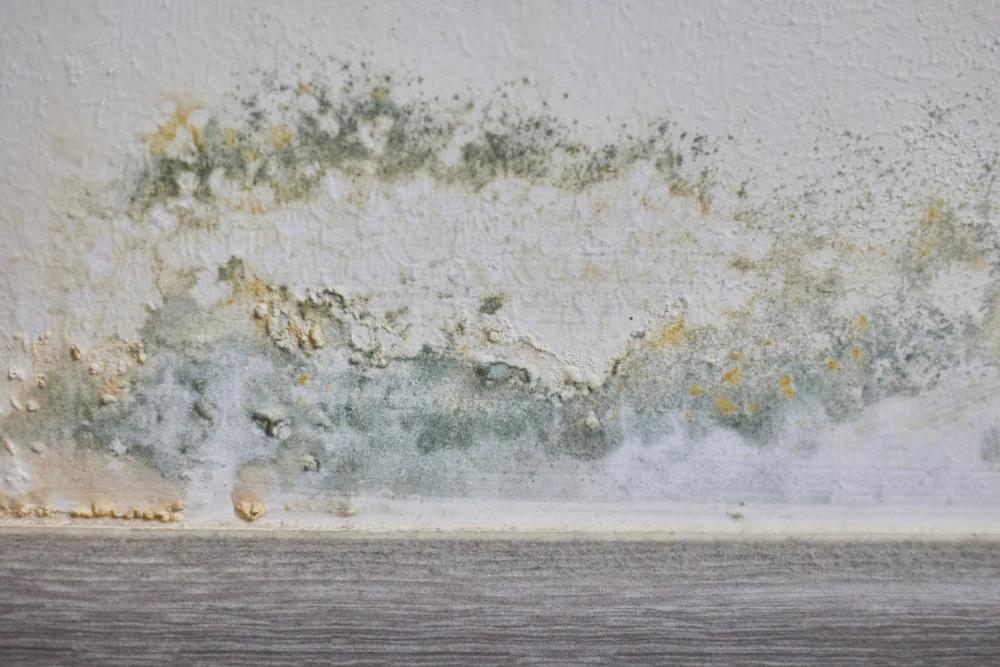
You stop smelling that musty basement odor every time you go downstairs. Your kids aren’t coughing at night anymore. You’re not wondering if that dark spot behind the water heater is getting bigger.
When mold mitigation is done correctly, the moisture source gets identified and eliminated. That means fixing the leak, improving airflow, or controlling humidity—whatever’s actually feeding the problem. Surface cleaning with bleach might make it look better for a few weeks, but it’ll be back if the conditions are still right.
Upper Gwynedd homes deal with humid Pennsylvania summers and proximity to Wissahickon Creek, which means basements and crawl spaces stay damp longer than they should. Older homes around the historic district weren’t built with the ventilation systems we use today. That trapped moisture creates perfect conditions for mold to grow in 24 to 48 hours after water damage.
Real mitigation addresses what caused it. You’re not just cleaning up what you can see—you’re stopping it from spreading to areas you can’t.
We handle black mold mitigation and water damage in Montgomery County homes that deal with the same issues yours does. Humid summers, older construction, and occasional flooding from heavy rain.
We’re not the cheapest option, and that’s intentional. You’re paying for moisture meters that find hidden leaks, HEPA filtration that captures airborne spores, and containment systems that keep mold from spreading while we work. You’re also paying for someone who knows the difference between wiping down a wall and actually mitigating mold damage.
Upper Gwynedd homeowners call us when they’ve already tried the DIY route and the problem came back. Or when they’re selling and the inspector found something. Or when their insurance adjuster told them they need a professional.
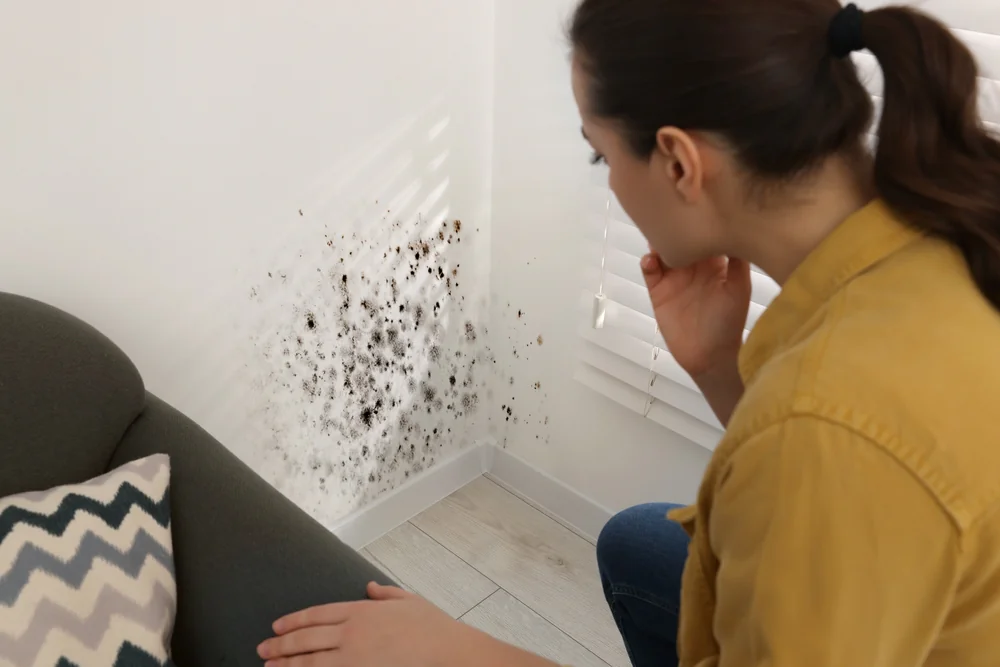
We start with an inspection using moisture meters and infrared cameras to find where water is getting in or condensation is forming. That could be a roof leak, poor attic ventilation, a cracked foundation, or just a bathroom exhaust fan that vents into the attic instead of outside.
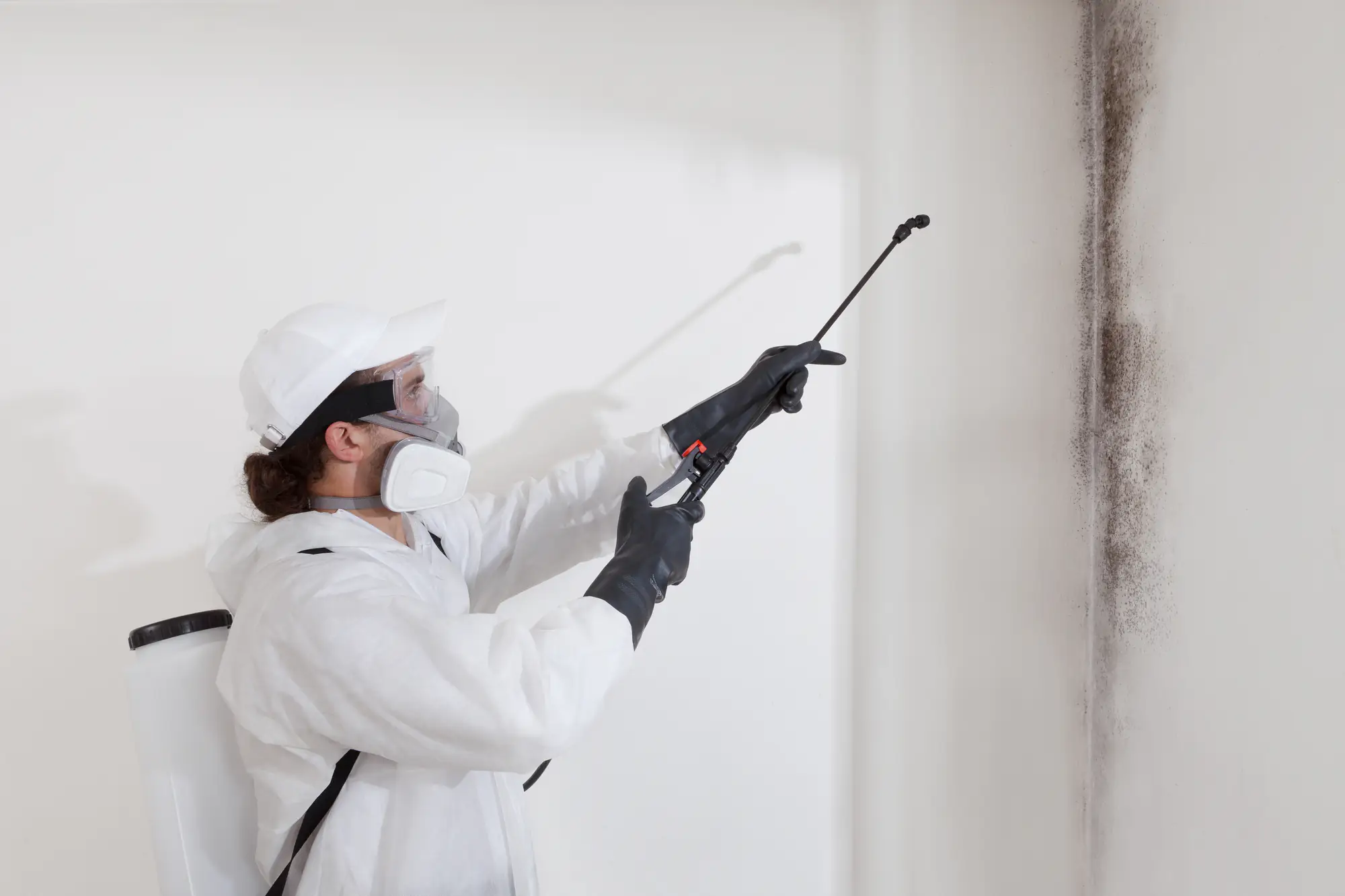
Once we know what’s feeding the mold, we set up containment. Physical barriers and negative air pressure systems keep spores from spreading to clean areas of your home while we remove contaminated materials. HEPA air scrubbers run continuously to filter the air.
Removal means taking out drywall, insulation, or flooring that’s been compromised. We don’t just clean the surface—we remove what can’t be saved and treat what can. Antimicrobial applications go on structural elements like studs and subfloors.
Then we fix the moisture problem. That might mean repairing a plumbing leak, sealing a foundation crack, installing a dehumidifier, or improving ventilation. If we don’t fix that part, you’ll be dealing with this again in six months.
Ready to get started?
You get a full assessment with detection equipment that finds problems you can’t see. Mold grows behind walls, under flooring, and in attics where most homeowners never look. We document everything for insurance claims if you need it.
Containment and air filtration happen before removal starts. That’s not optional—it’s how you prevent cross-contamination. We’re not spreading spores to your living room while we work in your basement.
Upper Gwynedd’s older homes often have mold in multiple areas because the same moisture issue affects more than one room. A roof leak doesn’t just damage the attic—it runs down wall cavities into second-floor bedrooms. We trace the full extent of the problem, not just the visible part.
You also get the source repair. We’re not a general contractor, but we work with the right people to fix what’s broken. If your sump pump failed and your basement flooded, we’ll make sure that gets addressed. If your bathroom fan is venting moisture into the attic, we’ll reroute it properly.
The goal is that you’re not calling someone else in three months because it came back.
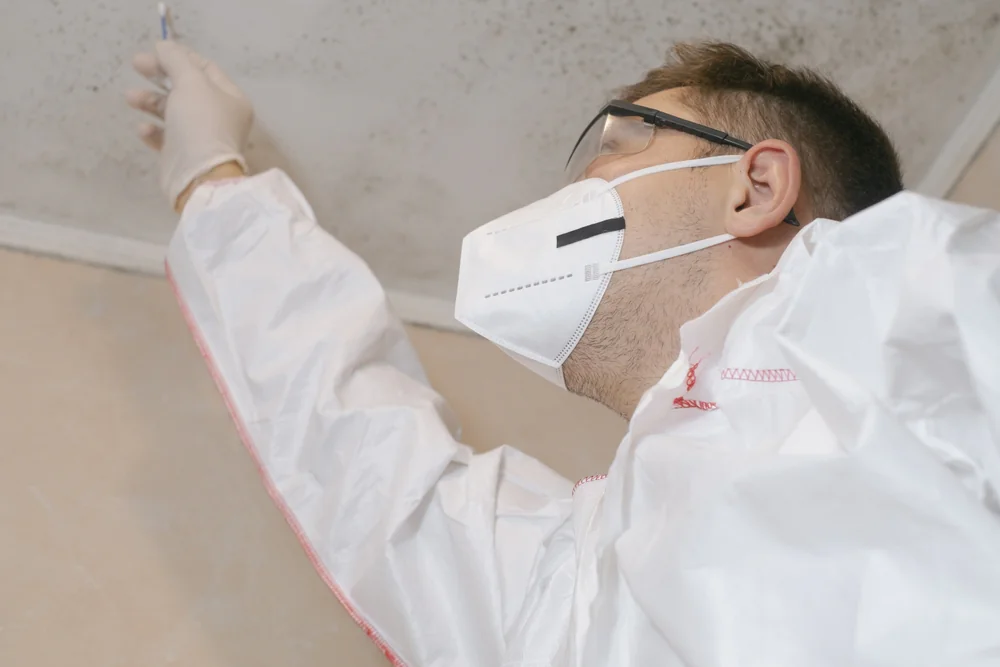
It depends on how much mold there is and where it’s growing. A small bathroom with surface mold on the ceiling might take a day. A finished basement with mold behind drywall and in the insulation could take three to five days.
The inspection happens first and usually takes a few hours. We’re checking moisture levels, looking for hidden growth, and figuring out what caused it. Once we know the scope, we can give you a timeline.
Containment and removal are the longest parts. We’re not rushing through this—we’re making sure spores don’t spread and that contaminated materials get disposed of properly. Drying out the space and treating structural elements adds time, but it’s necessary if you want it done right.
Mold removal sounds like you’re getting rid of every single spore, which isn’t realistic. Mold spores are everywhere—they’re in the air outside right now. The problem is when they find moisture indoors and start growing.
Mold mitigation means reducing the mold to normal levels and eliminating the conditions that let it grow. We remove contaminated materials, clean and treat surfaces, and fix the moisture problem. That’s what actually keeps it from coming back.
If someone’s promising to “remove all mold,” they’re either not being honest or they don’t understand how mold works. What matters is getting it to safe levels and making sure your home isn’t creating the environment for it to grow again.
It depends on what caused the mold. If a pipe burst and you got it dried out quickly but mold still grew, most policies will cover that. If your basement’s been damp for years and you ignored it, probably not.
Insurance typically covers sudden water damage, not long-term maintenance issues. A roof leak during a storm is usually covered. A slow leak that’s been dripping for months isn’t.
We document everything during the inspection—photos, moisture readings, the timeline of damage. That helps with your claim. We can also work directly with your insurance adjuster if needed. Just don’t wait weeks to call someone. The longer mold grows, the harder it is to argue it’s from a recent event.
If the mold is contained to one area like a basement or bathroom, and we can seal it off properly, you can usually stay. If it’s throughout the house or in your HVAC system, you might need to leave for a few days.
We set up containment barriers and negative air pressure to keep spores from spreading, but if you have asthma, allergies, or young kids, it’s safer to stay somewhere else during active removal. Even with precautions, there’s some disturbance to the air quality.
Upper Gwynedd homes with mold in finished basements can usually keep the upstairs livable during the work. Attic mold is similar—we contain the area and you stay out of that space. Whole-house issues are different and require more planning.
The moisture source never got fixed. You can bleach a moldy wall, scrub it clean, and paint over it. If that wall is still getting damp from a roof leak or condensation, mold will grow back in weeks.
Mold needs three things: moisture, organic material (like wood or drywall), and the right temperature. Your home already has the last two. The only thing you can control is moisture.
In Upper Gwynedd, common moisture sources are humid basements near Wissahickon Creek, poor attic ventilation during summer, and older homes without proper vapor barriers. If you’re not addressing those, you’re just cleaning the same spots over and over. Mitigation fixes the source so you’re not stuck in that cycle.
If the mold covers more than 10 square feet, the EPA recommends professional mitigation. If it’s in your HVAC system, behind walls, or in areas you can’t access safely, same answer.
Small surface mold in a bathroom from shower steam—you can probably handle that yourself if you fix the ventilation. Black mold in your basement after a flood, or mold spreading across attic sheathing, that’s not a DIY situation.
You also need professional help if anyone in your home is having respiratory issues that started or got worse around the same time you noticed mold. Or if you’ve cleaned it before and it came back. That means there’s a bigger problem that surface cleaning won’t fix.
Other Services we provide in Upper Gwynedd