
Hear from Our Customers
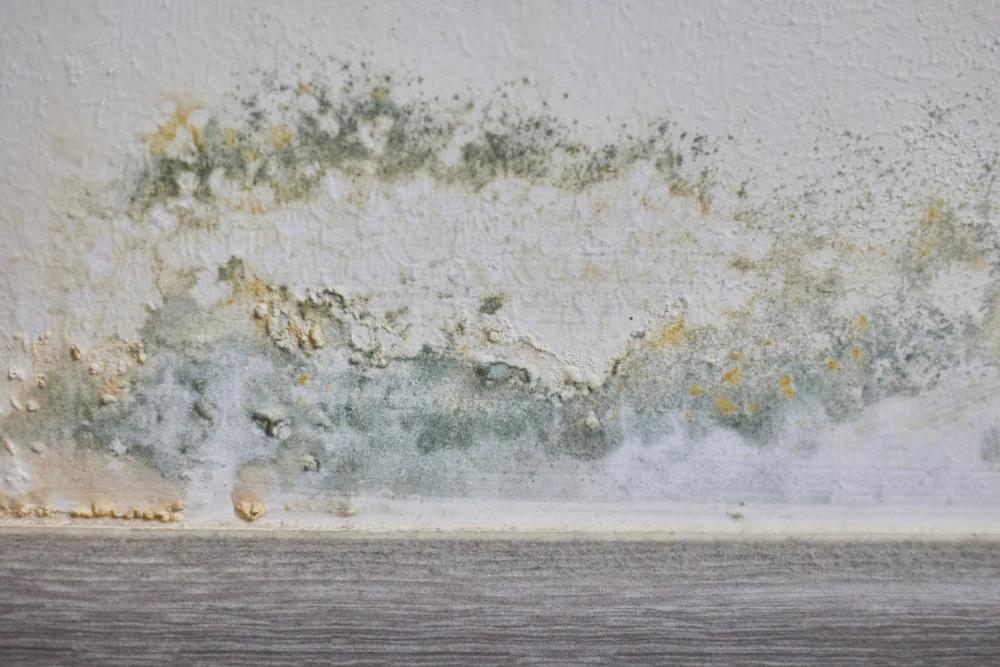
Mold doesn’t just sit on surfaces. It spreads through walls, into HVAC systems, and releases spores that affect the air your family breathes every day.
When you catch it early and handle it right, you stop the spread before it becomes a bigger problem. You protect your kids from respiratory issues that Pennsylvania already sees at nearly double the national rate. You avoid the structural damage that weakens wood, drywall, and the bones of your home.
Upper Gwynedd’s humid summers make this worse. After a storm rolls through or a pipe bursts, moisture doesn’t just dry on its own. It seeps into places you can’t see, and that’s where mold starts. The longer it sits, the more it costs you in repairs, health risks, and peace of mind.
Proper mold mitigation means more than wiping down visible spots. It means finding the hidden growth, eliminating it at the source, and making sure it doesn’t come back.
We’ve been handling mold problems in Montgomery County for over two decades. That means we know what happens when Gwynedd Creek floods a basement, when summer humidity turns an attic into a breeding ground, or when an old pipe finally gives out.
You’re not getting a national franchise that doesn’t know the area. You’re getting a local team that’s seen every type of mold situation Upper Gwynedd throws at us.
We’re IICRC-certified, which matters because Pennsylvania doesn’t regulate mold remediation. That certification means we follow EPA guidelines, use the right containment methods, and know how to handle black mold mitigation safely. We use industrial-grade equipment—moisture meters, infrared cameras, air movers, dehumidifiers—to find problems you can’t see and fix them before they get worse.
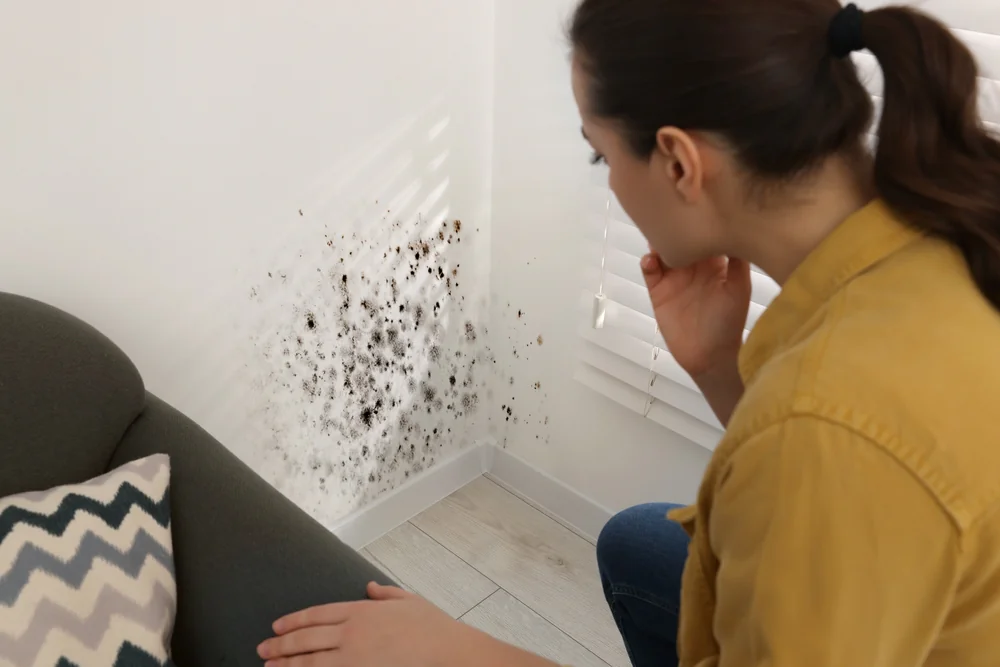
First, we inspect your property with moisture detection equipment. We’re looking for visible mold, but also hidden growth behind walls, under floors, in crawl spaces, and in your attic. Infrared cameras show us where moisture is trapped, even if you can’t see it.
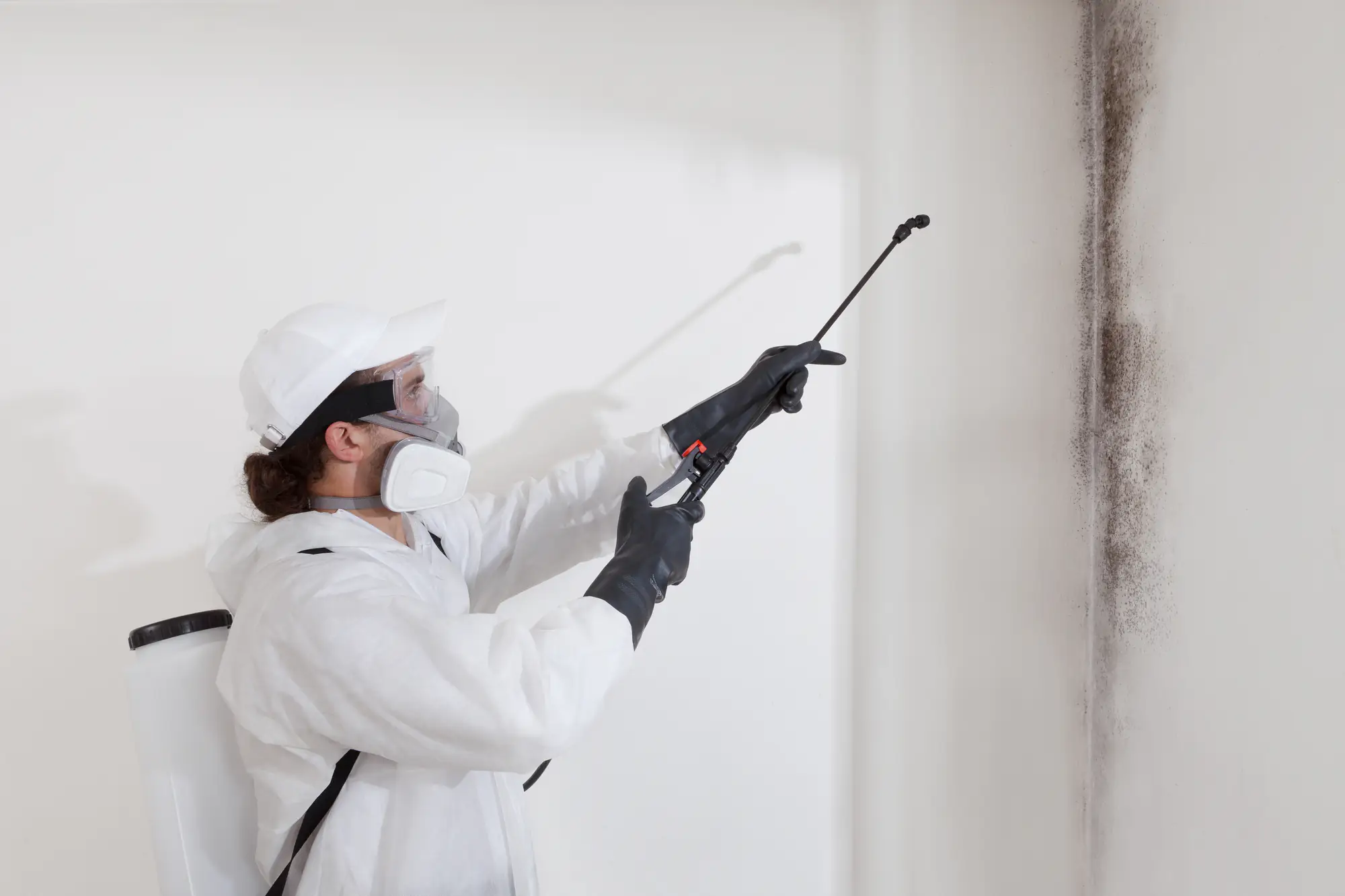
Next, we contain the affected area. Mold spreads through spores, so we seal off the space and use HEPA air filtration to keep those spores from traveling to clean areas of your home. This step is critical and often skipped by people trying to DIY.
Then we remove the mold. Depending on what we find, that might mean cleaning and treating surfaces, or removing materials that are too damaged to save. We take samples for lab analysis when needed, so we know exactly what we’re dealing with and can recommend the right prevention steps.
Finally, we dry everything thoroughly and address the moisture source. If your basement floods every spring or your bathroom exhaust isn’t venting properly, we’ll tell you. Mold mitigation only works long-term if you fix what caused it in the first place.
Ready to get started?
You get a full inspection with advanced detection tools that find moisture and mold you didn’t know was there. We check attics, crawl spaces, basements, behind appliances, and anywhere water could be hiding.
You get proper containment and air filtration during the removal process. This keeps mold spores from spreading to other rooms while we work. It’s the difference between solving the problem and making it worse.
You get EPA-compliant removal using safe, effective methods. We’re not just spraying bleach and calling it done. We’re treating the root cause, removing contaminated materials when necessary, and cleaning everything with products designed for mold mitigation.
Upper Gwynedd homes face specific challenges. Older properties near Wissahickon Creek deal with groundwater issues. Homes with finished basements see humidity problems every summer. We’ve handled both, and we know what works in this area. You also get a clear explanation of what caused the mold and what you can do to prevent it from coming back—whether that’s fixing a roof leak, improving ventilation, or addressing drainage around your foundation.
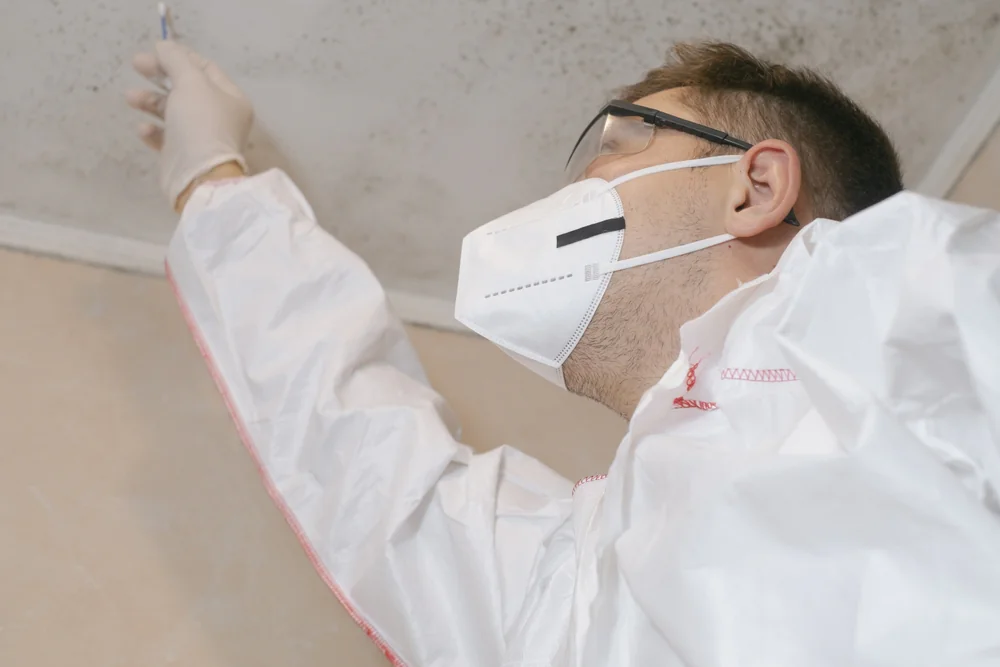
Mold removal sounds like you’re getting rid of every spore, but that’s not realistic. Mold spores exist everywhere. They’re in the air right now.
Mold mitigation is about reducing mold to safe levels and managing the conditions that let it grow. That means eliminating active growth, cleaning affected areas, and controlling moisture so it doesn’t come back. It’s a more honest and effective approach than promising total removal.
The EPA uses the term “mold remediation,” which is similar. It focuses on fixing the problem and preventing future growth, not chasing an impossible standard of zero mold in your home.
Mold can start developing within 24 to 48 hours in the right conditions. Upper Gwynedd’s humid summers make that window even tighter.
If you’ve had a pipe burst, roof leak, or flooding from a storm, the clock starts immediately. Even if surfaces look dry, moisture can be trapped in walls, under flooring, or in insulation where you can’t see it.
That’s why fast response matters. The sooner you dry out the space and address hidden moisture, the better your chances of avoiding a mold problem altogether. Waiting a few days to “see if it dries on its own” usually means you’re dealing with mold by the time you call someone.
Small surface mold on a bathroom tile? Sure, you can probably handle that. But if you’re seeing mold on drywall, smelling it in your basement, or dealing with water damage, DIY isn’t the answer.
Here’s why: disturbing mold without proper containment spreads spores throughout your home. You might clean what you can see, but miss the growth inside your walls or under your floors. And if you don’t fix the moisture problem, it comes right back.
Pennsylvania doesn’t regulate mold work, which means anyone can claim they know what they’re doing. IICRC certification and EPA-compliant methods matter because they ensure the job is done safely and completely. You’re not just paying for cleaning—you’re paying for containment, proper removal, and prevention.
It depends on what caused the mold. If a pipe suddenly bursts or your roof gets damaged in a storm, most homeowners policies will cover the mold mitigation that results from that sudden incident.
If the mold developed because of long-term neglect—like a slow leak you ignored for months—insurance probably won’t cover it. They expect you to maintain your property and address problems before they become bigger issues.
We can work with your insurance company to document the damage and provide the information they need. It helps to call us quickly after water damage happens, because that creates a clear timeline showing you responded fast to prevent further problems.
Mold affects people differently, but respiratory issues are the most common. You might notice coughing, wheezing, throat irritation, or nasal congestion that doesn’t go away.
For people with asthma or allergies, mold makes symptoms worse. Pennsylvania already has a childhood asthma rate of 13.9%—nearly double the national average. Mold exposure is directly linked to 21% of asthma cases nationwide, and kids are especially vulnerable.
Long-term exposure can lead to more serious problems, especially for seniors, young children, and anyone with a compromised immune system. Black mold gets the most attention, but any mold growth in your home can affect your health if you’re breathing it in every day. If you’re dealing with unexplained respiratory symptoms and you know you have moisture problems, mold is worth investigating.
We use moisture meters and infrared cameras to detect problems you can’t see. Moisture meters tell us exactly how much water is trapped in materials like drywall, wood, and insulation. Infrared cameras show temperature differences that indicate moisture behind walls or under floors.
If we find suspicious areas, we can take samples and send them to a lab for analysis. That tells us what type of mold we’re dealing with and helps us create the right treatment plan.
Crawl spaces and attics are common problem areas in Upper Gwynedd because they’re out of sight and often poorly ventilated. We check those spaces carefully during inspections, looking for condensation, standing water, and any signs of growth. Finding it early means you’re dealing with a smaller, cheaper problem instead of waiting until it spreads through your home.
Other Services we provide in Upper Gwynedd