
Hear from Our Customers
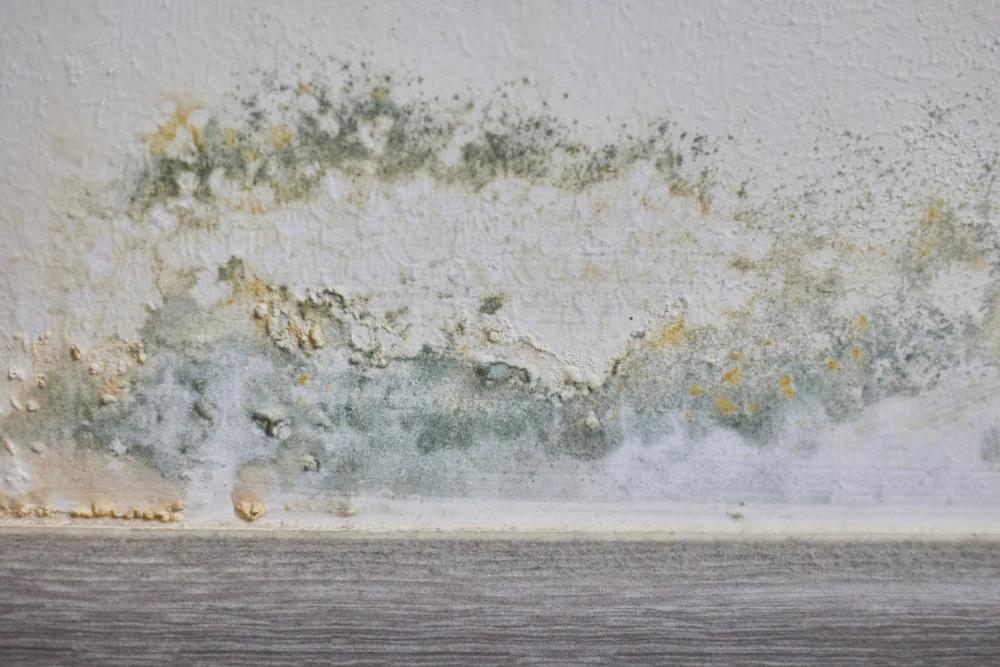
When you’re dealing with mold, the clock’s already running. Every day that passes means more spores spreading through your HVAC system, more contaminated surfaces, and more risk to anyone breathing that air.
Mold mitigation isn’t just about scrubbing what you can see. It’s about identifying where the moisture is coming from, containing the affected area so spores don’t travel, and removing contaminated materials the right way. That’s how you actually solve the problem instead of just covering it up.
What you get is a home that’s safe to live in again. Air quality that doesn’t trigger allergies or asthma. Property value that holds instead of tanking when a buyer’s inspector finds hidden growth. And the confidence that this isn’t going to come back in six months because the root cause was never addressed.
Upper Dublin’s humid summers create perfect conditions for mold to thrive, especially in older homes with basements or crawl spaces that trap moisture. If you’ve had any kind of water damage—burst pipes, roof leaks, flooding—you’re looking at potential growth within 24 to 48 hours. That’s not a scare tactic. That’s biology.
We work throughout Upper Dublin and the surrounding Bucks County area. We know the homes here—the older construction, the basement moisture issues, the way humidity settles in during July and August.
Our team is IICRC certified, which means we follow the industry standards for containment, removal, and air filtration. We use thermal imaging and moisture meters to find problems you can’t see, and we document everything for your insurance claim if you need it.
We’re not the cheapest option, and we’re fine with that. You’re paying for work that actually fixes the problem—complete moisture elimination, proper containment, and a process that doesn’t leave spores behind to regrow next season.
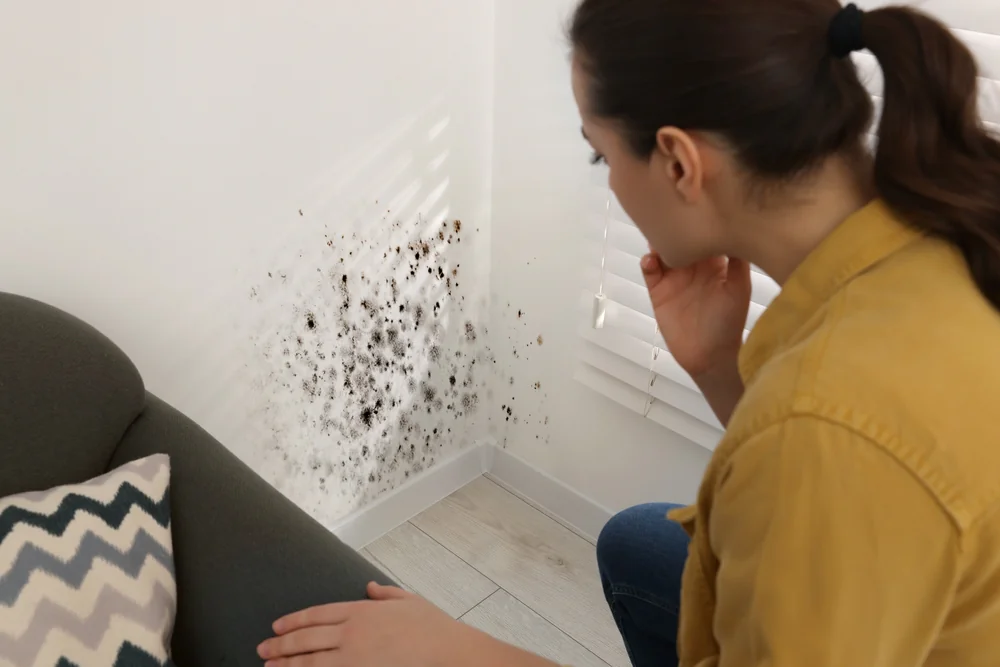
First, we inspect your property with moisture meters and thermal imaging cameras. We’re looking for visible mold, but also hidden growth behind walls, under flooring, or inside your HVAC system. You need to know the full scope before any work starts.
Next, we contain the affected area using physical barriers and negative air pressure. This keeps mold spores from spreading to clean areas of your home during removal. Containment is the difference between a localized problem and a whole-house contamination.
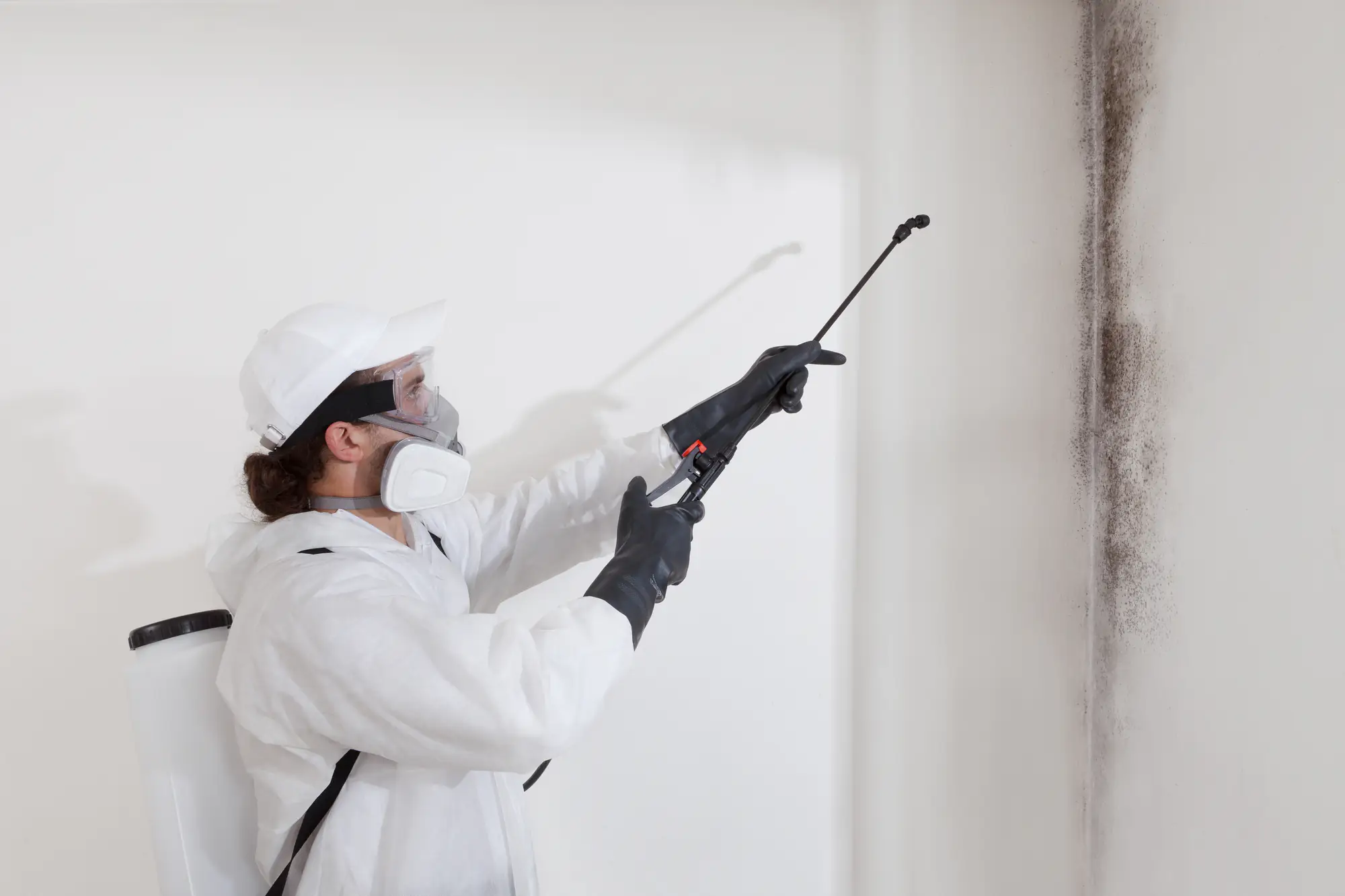
Then we remove contaminated materials—drywall, insulation, flooring, whatever can’t be salvaged. We treat surfaces with EPA-approved antimicrobials and run HEPA air scrubbers to pull spores out of the air. The goal is complete elimination, not just surface cleaning.
Finally, we address the moisture source. If we don’t fix the leak, dry out the crawl space, or repair the drainage issue, mold will come back. We make sure the environment isn’t hospitable for regrowth.
You get a detailed report of what we found, what we removed, and what we did to prevent it from returning. If you’re filing an insurance claim, that documentation is critical.
Ready to get started?
You get a free initial inspection to assess the extent of the problem. We identify all affected areas, measure moisture levels, and give you a clear scope of work before anything starts.
Our mold mitigation services include full containment setup, removal of contaminated materials, HEPA air filtration, antimicrobial treatment, and moisture source elimination. We also handle the disposal of contaminated materials according to EPA guidelines.
In Upper Dublin, we see a lot of basement mold from foundation moisture and attic mold from roof leaks or poor ventilation. Both require different approaches. Basements often need dehumidification and waterproofing recommendations. Attics need ventilation improvements and insulation replacement.
We also work directly with your insurance company if your policy covers mold damage. Most homeowners policies in Pennsylvania have coverage limits between $1,000 and $10,000 for mold remediation, and claims require professional documentation. We provide that.
Black mold mitigation gets the most attention because of the health concerns, but all mold growth is a problem. Whether it’s black mold, green mold, or white mold, the process is the same: find it, contain it, remove it, and eliminate the conditions that caused it.
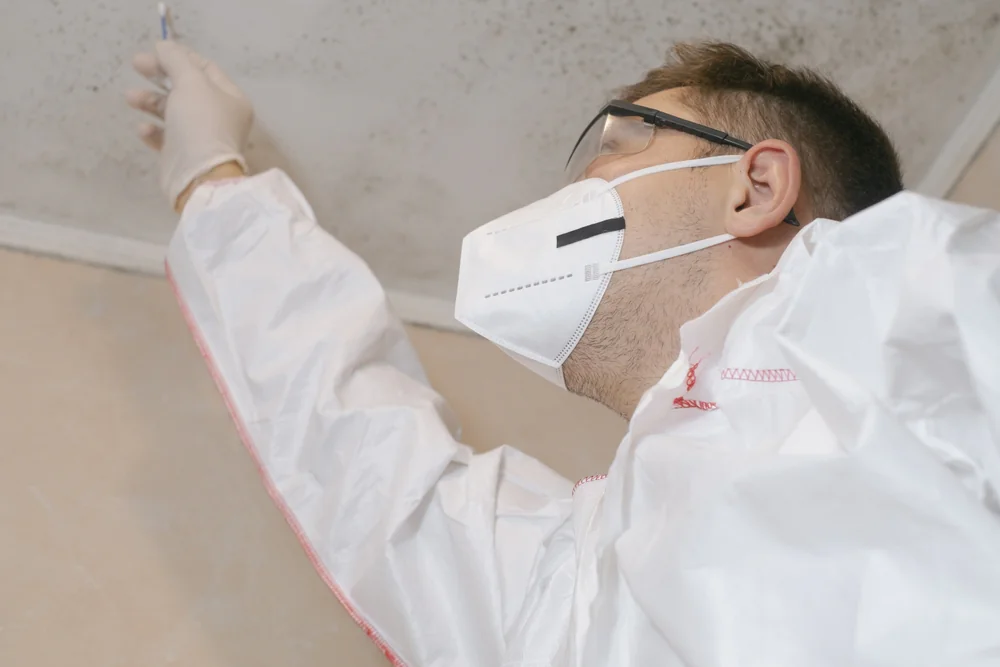
Most residential mold mitigation jobs in Upper Dublin take between three and five days, depending on the size of the affected area and how much material needs to be removed. A single bathroom with mold behind the shower might take two days. A finished basement with widespread contamination could take a week or more.
The timeline depends on containment setup, removal work, drying time, and air quality testing. We don’t rush the process because cutting corners means the problem comes back. You need the area fully dried and treated, not just visually clean.
If you’re dealing with an active water issue—like a pipe that’s still leaking—that has to be fixed before mitigation starts. Otherwise we’re just cleaning up a problem that’s going to reappear as soon as we leave.
It depends on what caused the mold. If it’s from a sudden, accidental water event—like a burst pipe or a roof leak during a storm—most homeowners policies in Pennsylvania will cover mitigation up to your policy limit, usually between $1,000 and $10,000.
If the mold is from long-term neglect, poor maintenance, or gradual moisture buildup, coverage is unlikely. Insurance companies don’t cover damage that could have been prevented with routine upkeep.
We document everything during the inspection and mitigation process so you have what you need to file a claim. That includes photos, moisture readings, scope of work, and a detailed report of what we found and what we removed. Some insurance companies require specific documentation, and we make sure you have it.
Mold removal sounds like you’re getting rid of every single spore, but that’s not realistic. Mold spores exist everywhere—in the air, on surfaces, outdoors, indoors. You can’t eliminate them completely.
Mold mitigation is the accurate term. It means reducing mold levels to normal, safe levels and eliminating the conditions that allowed overgrowth in the first place. You’re mitigating the problem, not promising a 100% mold-free environment forever.
The process involves removing contaminated materials, treating surfaces, improving air quality, and fixing the moisture source. That’s what actually solves the problem. Anyone promising total mold removal is either using the wrong terminology or making a claim they can’t back up.
If you’re dealing with a small area—less than 10 square feet, like a little mold on a bathroom tile—you can probably handle it yourself with the right cleaner and some ventilation. The EPA says that’s generally safe for DIY cleanup.
Anything larger than that, or any situation where mold is inside walls, under flooring, or in your HVAC system, needs professional mitigation. You don’t have the containment equipment to prevent spores from spreading during cleanup, and you can’t verify that the moisture source is actually fixed.
Black mold mitigation always requires professional help because of the potential health risks. Disturbing black mold without proper containment and respiratory protection can release mycotoxins into the air. That’s not something you want to mess with using a spray bottle and a paper mask.
Musty odors are the biggest indicator. If you smell something earthy or damp, especially in the basement, bathroom, or near the HVAC system, there’s likely mold growing somewhere you can’t see.
Other signs include water stains on ceilings or walls, peeling paint or wallpaper, warped flooring, and persistent allergy symptoms that get worse when you’re home. If anyone in your house is dealing with unexplained respiratory issues, chronic fatigue, or headaches, hidden mold could be the cause.
We use thermal imaging cameras and moisture meters during inspections to find hidden growth. These tools detect temperature differences and moisture levels behind walls and under floors without tearing anything apart. If there’s elevated moisture, there’s probably mold. That’s when we recommend opening up the area to confirm and start mitigation.
Don’t disturb it. Scrubbing or trying to remove mold yourself can release thousands of spores into the air and spread contamination to other areas of your home. Leave it alone and call for an inspection.
If the mold is from an active water leak, shut off the water source if you can and start drying the area with fans and dehumidifiers. The faster you dry things out, the less mold will grow. But don’t start tearing out materials or scrubbing surfaces—that’s where people make the problem worse.
Document everything with photos for your insurance claim, and don’t wait to schedule an inspection. Mold spreads fast in Upper Dublin’s humid climate, especially during summer. The longer you wait, the more surface area gets contaminated and the more expensive mitigation becomes.
Other Services we provide in Upper Dublin