
Hear from Our Customers
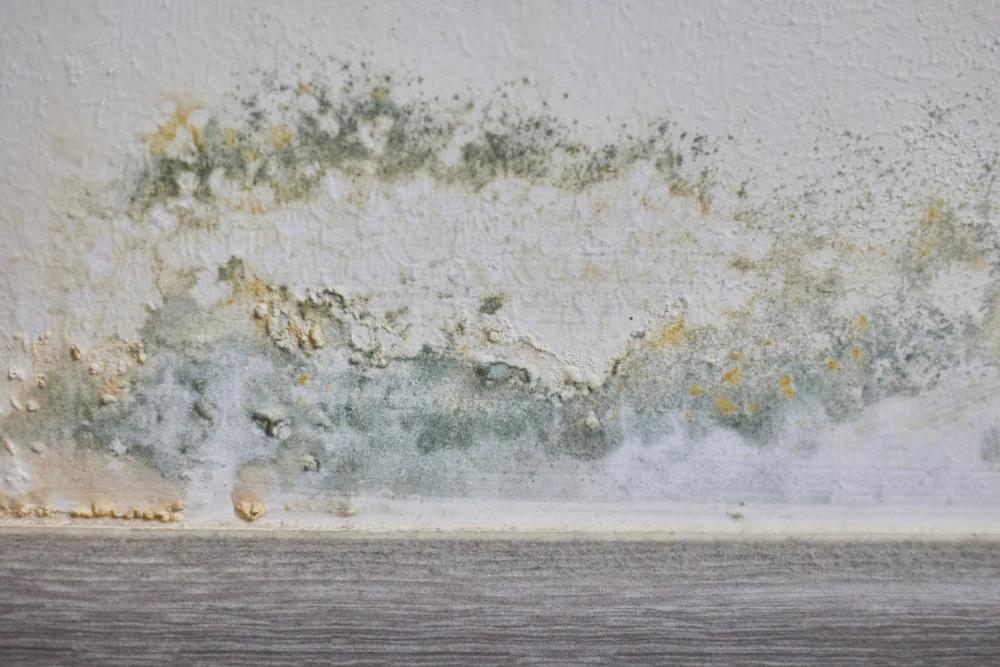
You stop worrying about what’s growing behind your walls. The musty smell disappears. Your kids’ allergy symptoms ease up, and you’re not constantly reaching for tissues or inhalers.
Your home feels like yours again. Clean air. No visible staining. No lingering concerns about what a future buyer might find during inspection.
That’s what complete mold mitigation looks like. Not a quick cover-up or a temporary fix, but a methodical process that removes contaminated materials, treats affected areas with EPA-approved solutions, and addresses the moisture problem that caused it in the first place. You get documentation, clear communication, and the confidence that comes from knowing the job was done right.
We’ve been handling mold mitigation in Montgomery County for years. We understand how Upper Dublin’s humid summers and damp basements create perfect conditions for mold growth, especially in older homes built during the postwar boom.
We’re not the cheapest option, and that’s intentional. You’re paying for technicians who know the difference between surface cleaning and actual mitigation, who understand building science, and who won’t leave until the source is fixed. We offer free inspections because we’d rather assess your situation honestly than guess over the phone.
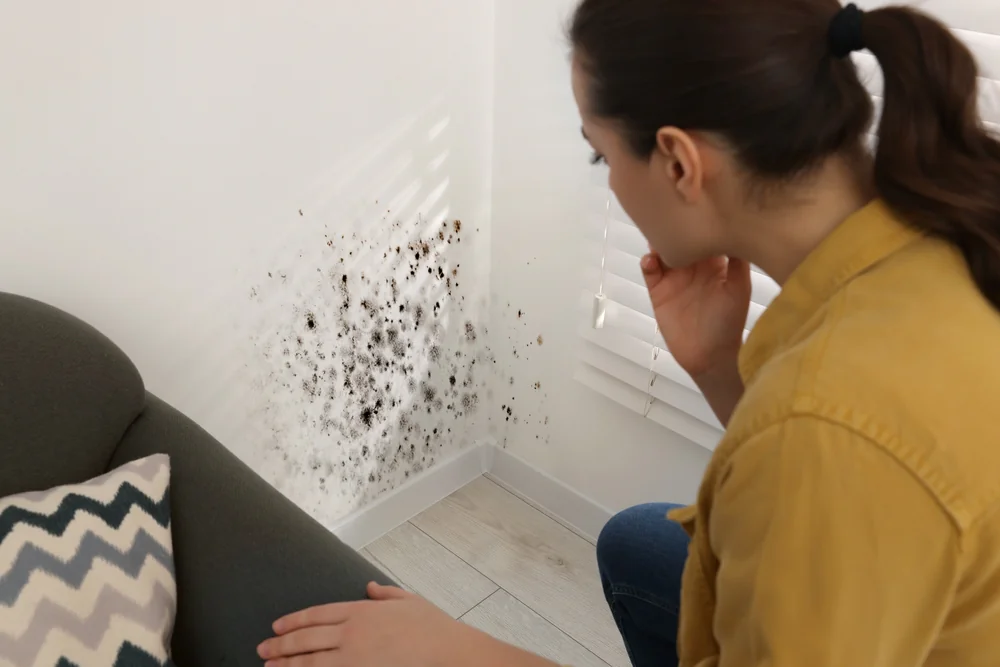
First, we inspect your property at no cost. We’re looking for visible growth, testing moisture levels, and identifying where water is getting in—whether that’s a leaky pipe, poor ventilation, or groundwater seeping through your foundation.
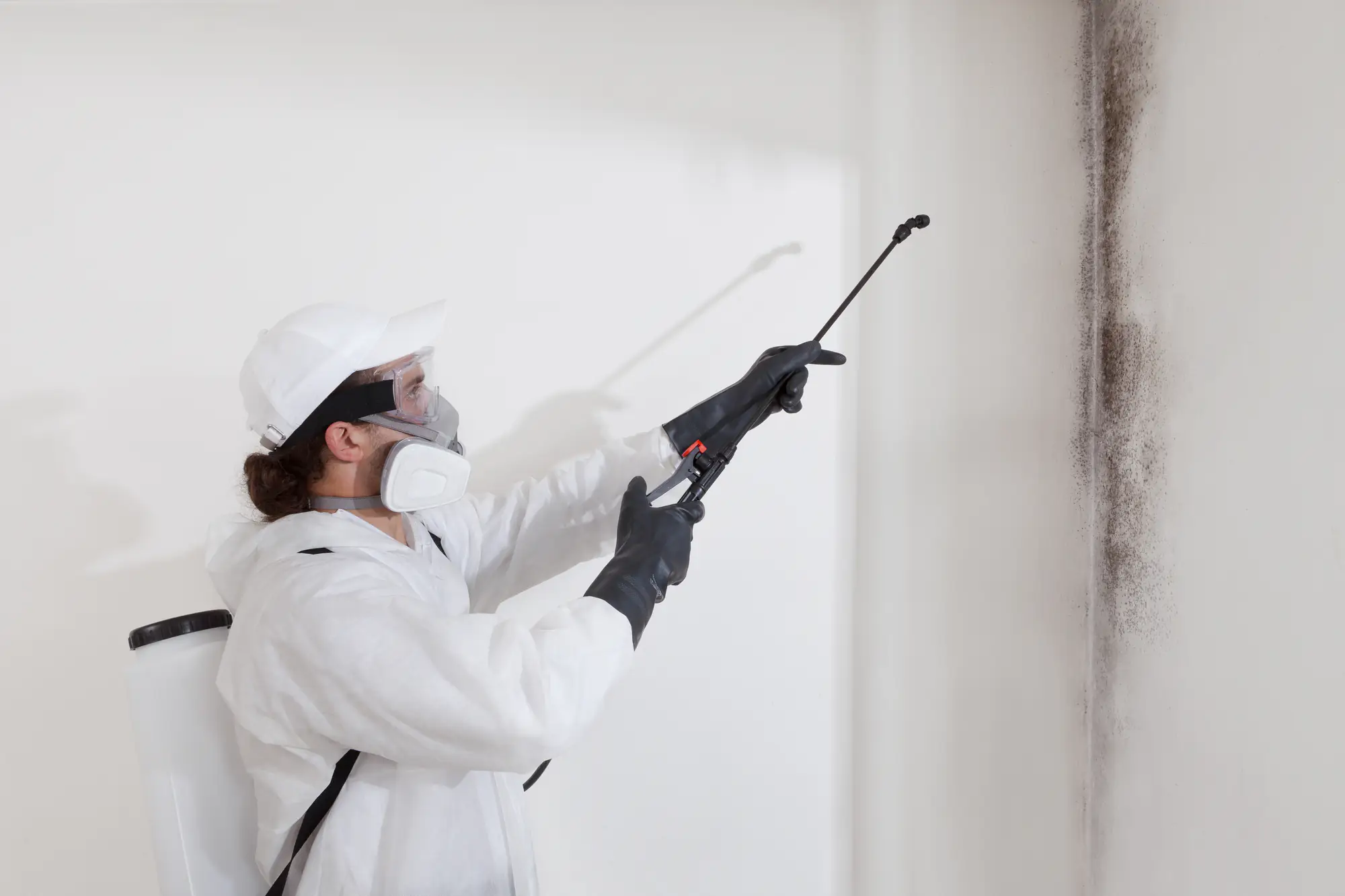
Once we know what we’re dealing with, you get a detailed estimate before any work starts. No surprises. If you move forward, we contain the affected area to prevent spores from spreading, remove contaminated materials that can’t be saved, and treat surfaces with antimicrobial solutions that meet EPA standards.
Then we address the moisture source. That might mean fixing a leak, improving ventilation in your crawl space, or recommending a dehumidifier for your basement. Without this step, mold comes back. After everything’s dry and treated, we handle the reconstruction—drywall, insulation, whatever was removed. You get your space back in livable condition.
Ready to get started?
Every mold mitigation project we handle includes containment, removal, treatment, and source correction. We handle black mold mitigation, attic mold mitigation, crawl space work, and water mold restoration after flooding or leaks.
Upper Dublin homes face specific challenges. Your property value—median around $540,000—means mold contamination isn’t just a health issue, it’s a financial one. Buyers walk away or demand steep discounts when mold shows up in inspections. Montgomery County’s fluctuating humidity levels mean basements and attics are especially vulnerable, particularly in homes built before modern moisture barriers became standard.
We use HEPA filtration during removal, EPA-approved antimicrobials for treatment, and moisture meters to verify everything’s dry before we close up walls. You get documentation of the work completed, which matters if you ever sell or file an insurance claim. We also coordinate with your insurance company when coverage applies, though policies vary significantly on what they’ll pay for.
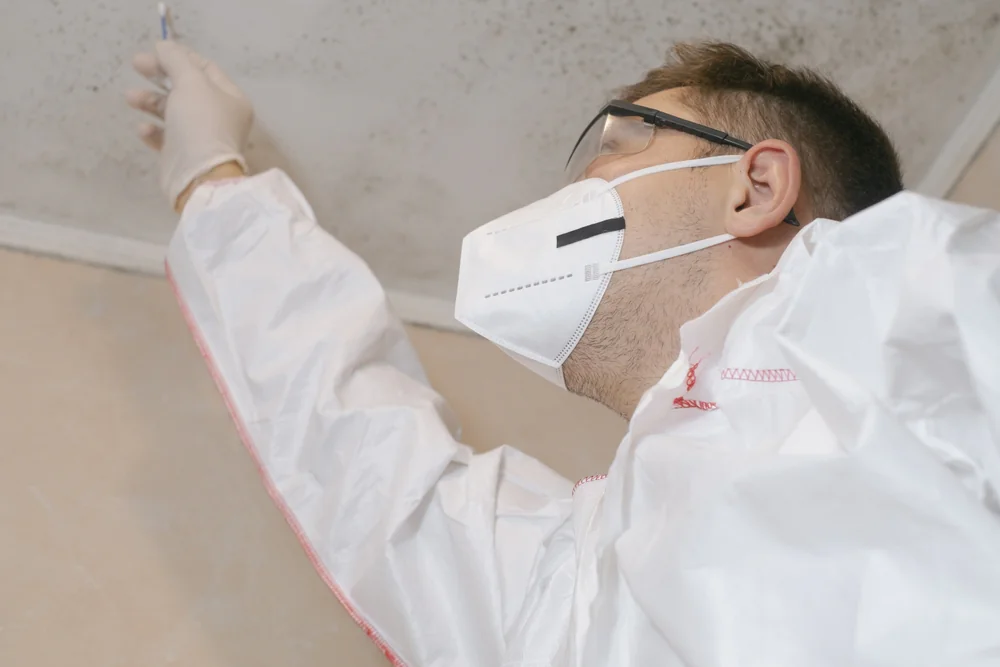
Mold can start forming within 24 to 48 hours after materials get wet. That’s not a lot of time, especially if you’re dealing with a flooded basement or roof leak that happened while you were away.
The EPA’s guidance is clear: if you can dry things out completely within that window, you’ll likely prevent mold growth. But “completely” is the key word. A wet carpet might feel dry on the surface while the padding underneath is still soaked. Drywall can hold moisture for days. That’s where professional equipment—industrial fans, dehumidifiers, moisture meters—makes a real difference.
In Upper Dublin’s humid climate, especially during summer months, the timeline gets even tighter. High humidity slows evaporation, giving mold more opportunity to establish itself. If you’ve had water intrusion, don’t wait to see if things dry on their own. The longer you wait, the more extensive (and expensive) the mitigation becomes.
It depends entirely on what caused the mold and what your policy says. Most homeowners insurance in Pennsylvania covers mold if it resulted from a “covered peril”—like a burst pipe or storm damage—and if you acted quickly to address it.
What insurance typically won’t cover is mold from long-term neglect, maintenance issues, or flooding (which requires separate flood insurance). If your basement has been damp for months and you didn’t address it, that’s usually on you. If a pipe burst yesterday and you called a mitigation company today, you’ve got a much better chance of coverage.
The other factor is your policy’s mold limit. Many standard policies cap mold coverage at $10,000 or less, even when the underlying cause is covered. Some offer higher limits as an add-on. Before you file a claim, it’s worth having us inspect the damage and provide an estimate. Sometimes the cost is close enough to your deductible that filing doesn’t make sense. We can work with your insurance adjuster when it does, providing documentation and justification for the scope of work.
Mold removal sounds like you’re getting rid of every single spore, but that’s not realistic. Mold spores exist everywhere—in outdoor air, indoor air, on surfaces. They’re microscopic and constantly present at low levels.
Mold mitigation is the accurate term for what actually happens. You’re removing mold growth, treating affected areas, and reducing spore counts to normal background levels. You’re also eliminating the conditions that allowed mold to grow in the first place—the moisture, the organic food source, the lack of airflow.
A company promising “complete mold removal” is either overselling or doesn’t understand the science. What you want is mitigation that brings your indoor environment back to safe, healthy levels and prevents regrowth. That’s achievable and that’s what we actually do. The goal isn’t a sterile environment—it’s a normal one where mold isn’t actively growing and your family isn’t being exposed to elevated spore counts.
Visible growth is the obvious sign—black, green, or white patches on walls, ceilings, or around windows. But mold often hides in places you can’t see: behind drywall, under flooring, in attic insulation, or in crawl spaces.
A musty, earthy smell is usually your first clue that something’s growing even if you can’t see it. If certain rooms smell off—especially basements, bathrooms, or areas near exterior walls—that’s worth investigating. Health symptoms can also be a red flag. If you or your family members have persistent allergy symptoms, respiratory issues, or headaches that improve when you leave the house, mold exposure might be the cause.
Water damage history matters too. If you’ve had leaks, flooding, or chronic condensation problems, there’s a good chance mold followed. Upper Dublin’s older homes are particularly susceptible in basements where foundation walls weren’t built with modern waterproofing. A professional inspection uses moisture meters, thermal imaging, and air quality testing to find hidden growth and determine the extent of contamination. That’s information you can’t get from a visual check alone.
For a small, contained area—like mold around a bathroom window or a section of basement wall—mitigation might take one to two days. Larger projects, like an entire finished basement or attic with widespread contamination, can take a week or more.
The timeline depends on how much material needs to be removed, how long it takes to dry everything out, and whether we’re also handling reconstruction. A crawl space with standing water and moldy insulation takes longer than surface mold on a bathroom ceiling. If we’re removing drywall, treating framing, and then rebuilding, you’re looking at additional time for materials to arrive and installation to happen.
We’ll give you a realistic timeline during the estimate. What slows projects down is usually moisture that won’t leave—like a basement with ongoing groundwater intrusion or an attic with poor ventilation. We can’t close things up until moisture levels are where they need to be, because sealing in dampness just invites mold back. Rushing the dry-out phase is how you end up needing mitigation twice.
In most cases, yes, especially if the affected area is small and we can seal it off from the rest of your house. We use plastic sheeting and negative air pressure to contain the work zone, which keeps spores from spreading into living areas.
For larger projects—like whole-house contamination or black mold mitigation in areas near bedrooms—we might recommend staying elsewhere temporarily. It’s not always necessary, but it’s the safer choice when we’re disturbing significant amounts of mold or when you have family members with respiratory issues, weakened immune systems, or mold sensitivities.
We’ll be straight with you about whether staying makes sense for your situation. Some homeowners prefer to leave regardless of project size just to avoid the noise, dust, and disruption. Others want to be present to see the work happening. Either way, we make sure the containment is solid and that you’re not being exposed to elevated spore levels during the process. Your health and safety aren’t negotiable.
Other Services we provide in Upper Dublin