
Hear from Our Customers
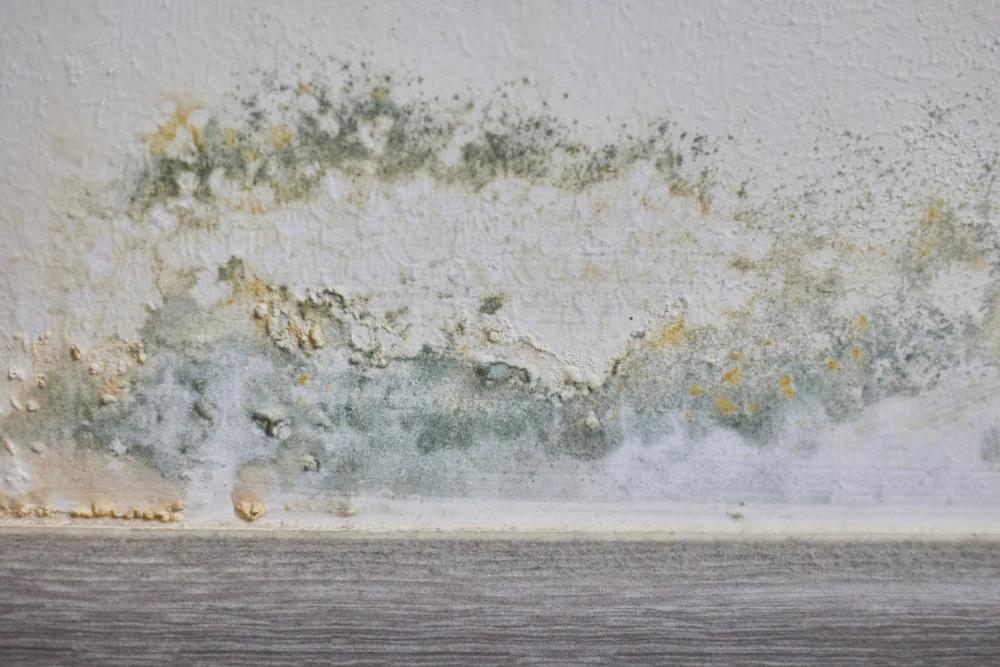
You stop worrying every time you smell that musty odor or see another dark spot forming. Your kids aren’t coughing at night. The air feels lighter, cleaner.
That’s what real mold mitigation does. It’s not about scrubbing surfaces with bleach and hoping for the best. It’s about identifying the moisture problem causing the growth in the first place, removing contaminated materials the right way, and creating conditions where mold can’t survive.
When we’re done, you’re not just looking at clean walls. You’re living in a space where the relative humidity stays below 60%, where hidden leaks have been found and documented, and where the conditions that allowed mold to thrive have been eliminated. You get documentation for insurance, peace of mind for your family, and a home that’s actually safe to breathe in.
We’ve been handling mold problems across Bucks County for years. We understand what happens in Tredyffrin homes during humid Pennsylvania summers when AC systems run constantly and condensation builds up in all the wrong places.
We’ve seen the basement moisture issues common in older properties around here. We know how quickly mold can start growing after water damage, and we’ve worked with enough local homeowners to recognize the signs most people miss until it’s already a bigger problem.
Our team is certified, our methods follow EPA guidelines, and we’re available 24/7 because mold doesn’t wait for business hours. We’re local, we’re responsive, and we’re focused on fixing the actual problem, not just making it look better temporarily.
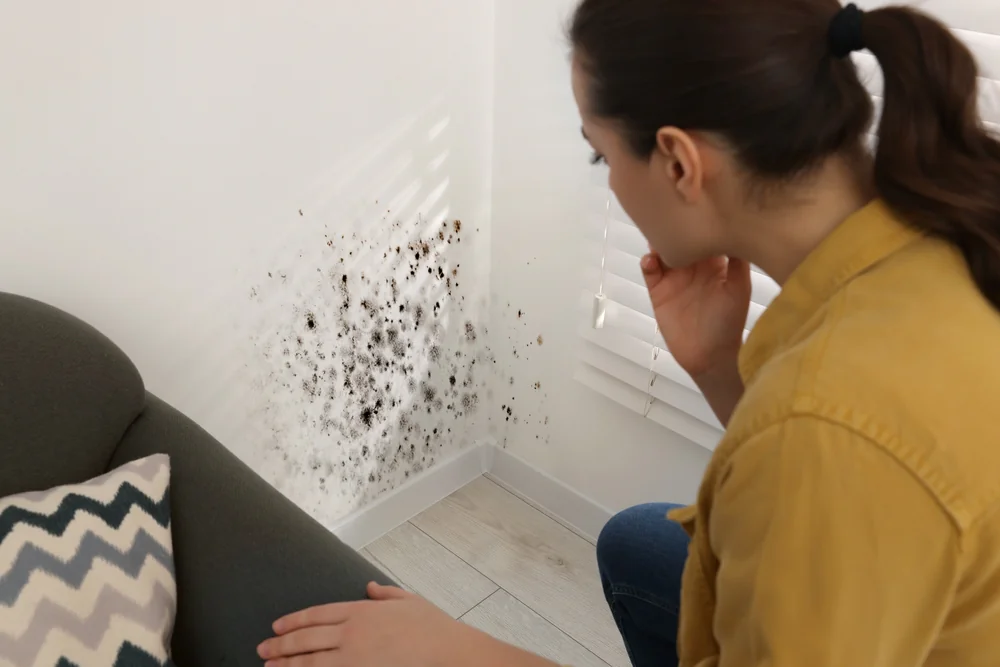
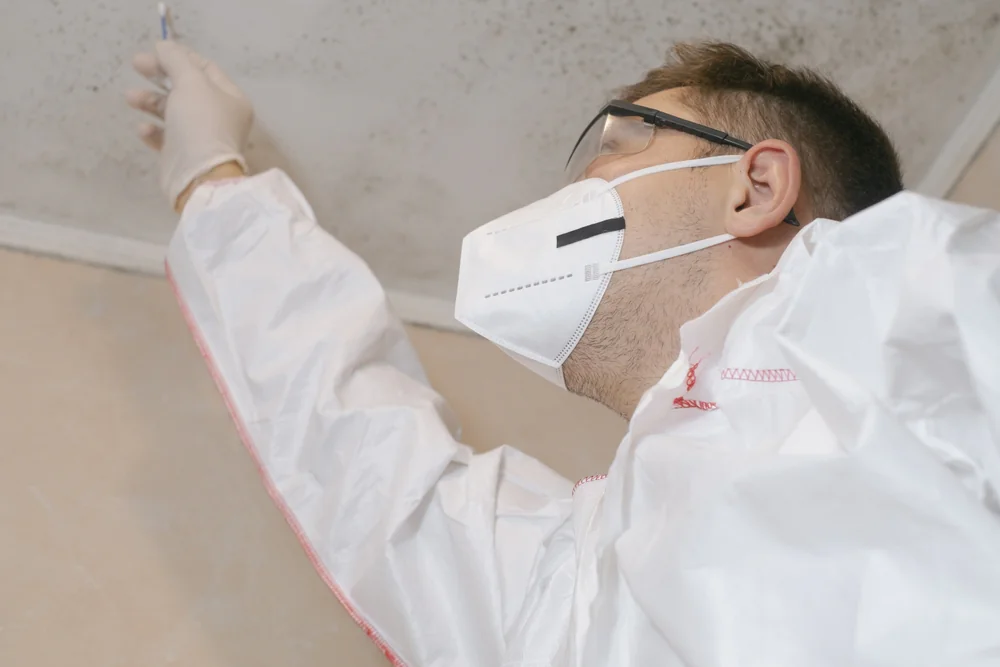
First, we inspect your property with moisture meters and infrared cameras to find mold you can see and mold hiding behind walls, under floors, or in crawl spaces. We’re looking for the source, the moisture problem feeding the growth.
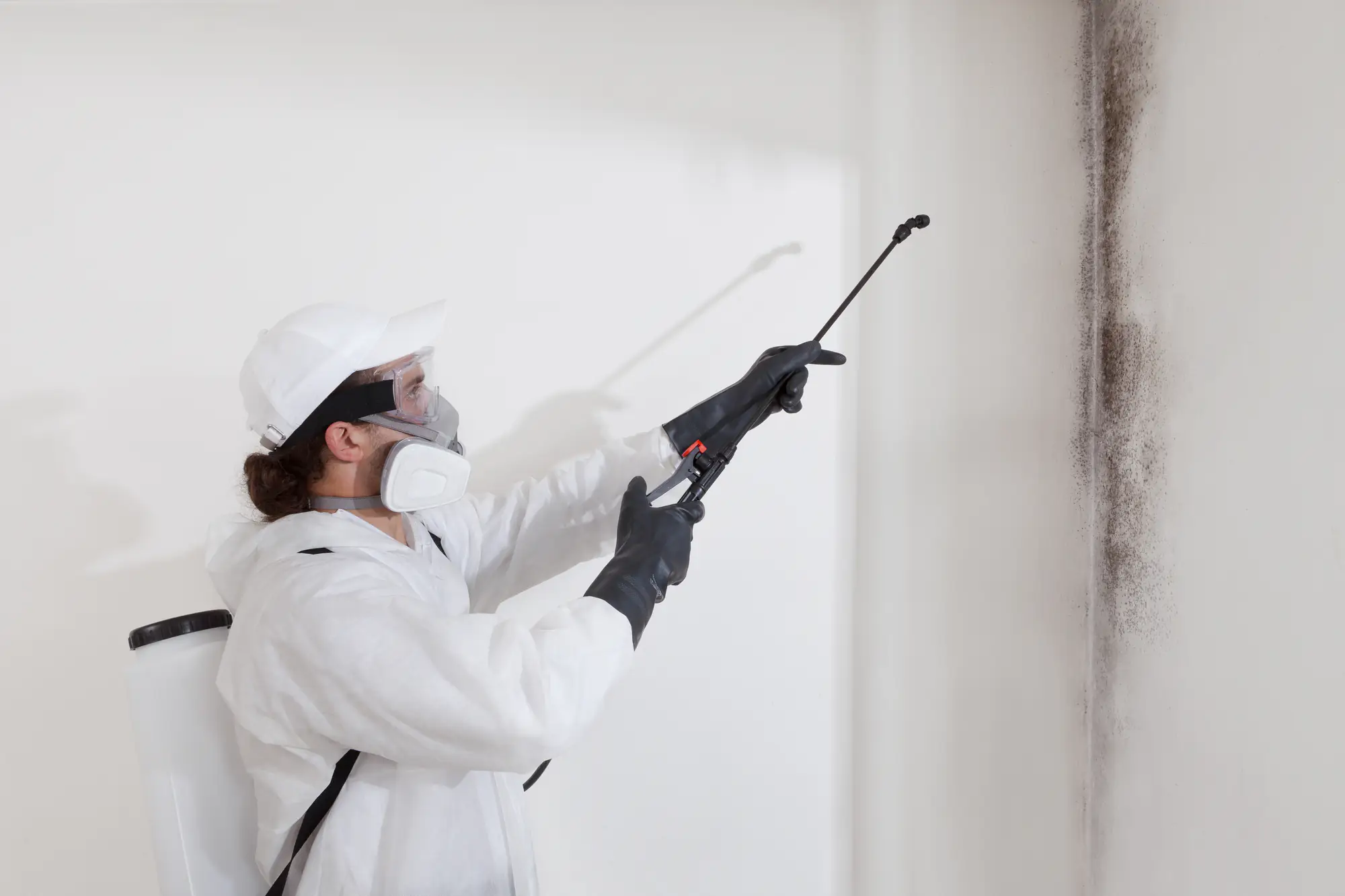
Next, we contain the affected area using physical barriers and negative air pressure systems so mold spores don’t spread to clean areas during removal. We use HEPA vacuums and air scrubbers throughout the process.
Then we remove contaminated materials, treat affected surfaces with EPA-approved antimicrobials, and address the moisture issue whether that’s a leaky pipe, poor ventilation, or condensation from your HVAC system. We document everything for your insurance company.
Finally, we verify the work with post-remediation testing if needed and restore your property to its original condition. You get a space that’s clean, dry, and set up to stay that way.
Ready to get started?
You get a thorough inspection that finds hidden mold growth and identifies moisture sources. We test humidity levels, check for water intrusion, and use thermal imaging to spot problem areas that aren’t visible to the naked eye.
The mitigation process includes containment setup, removal of contaminated materials, HEPA filtration, antimicrobial treatment, and repairs to whatever’s causing the moisture problem. We handle black mold, toxic mold species, and common mold growth from water damage or high humidity.
In Tredyffrin, we’re dealing with older homes that often have basement moisture issues, HVAC systems that create condensation problems, and the humid conditions Pennsylvania summers bring. We know what to look for and how to fix it permanently. You also get help with insurance documentation, transparent pricing before we start, and follow-up to make sure the problem is resolved. We’re not done until you’re confident the mold is gone and won’t be coming back.
Most mold mitigation projects in Tredyffrin run between $1,500 and $4,000, but the actual cost depends on how much mold you have, where it’s growing, and what’s causing it. A small bathroom mold problem from a leaky shower costs less than a finished basement with mold behind the walls from groundwater seepage.
We provide free inspections and give you a detailed estimate before any work starts. You’ll know exactly what needs to be done and what it costs. Many homeowners insurance policies cover mold removal when it’s caused by a covered event like a burst pipe or storm damage, and we work directly with insurance companies to help reduce your out-of-pocket costs.
The real cost isn’t just the remediation. It’s what happens if you don’t fix it properly. Surface cleaning might cost less upfront, but when the mold comes back in a few weeks because the moisture source wasn’t addressed, you’re paying twice and dealing with a bigger problem.
Mold removal is just cleaning up what you can see. Mold mitigation is fixing why it’s growing in the first place. You can scrub mold off a wall, but if there’s a slow leak behind that wall or condensation forming every time your AC runs, the mold will be back within weeks.
Mitigation means we identify the moisture source, eliminate it, remove contaminated materials that can’t be saved, treat affected areas, and create conditions where mold can’t grow back. It’s a complete solution, not a temporary fix.
The EPA actually recommends mitigation over simple removal because surface cleaning doesn’t address the root cause. When we mitigate mold damage, we’re looking at the whole picture: where the water is coming from, how it’s affecting your property, what materials need to be removed, and what needs to be repaired to prevent future growth. That’s the difference between a job that lasts and one that doesn’t.
Most residential mold mitigation projects in Tredyffrin take between two and five days, depending on the size of the affected area and the extent of the damage. A single room with surface mold might be done in a day or two. A basement with mold behind finished walls and moisture problems that need fixing takes longer.
The timeline includes inspection, containment setup, removal of contaminated materials, treatment, drying, and restoration. We can’t rush the drying process because if materials aren’t completely dry, you’re just creating conditions for mold to grow back.
For emergency situations like active water damage, we respond 24/7 and start containment immediately because mold can begin growing within 24 to 48 hours of water exposure. The faster we start, the less damage you’re dealing with. We keep you informed throughout the process so you know what’s happening and when you can expect the work to be finished.
It depends on where the mold is and how extensive the contamination is. If we’re working on a basement or a single bathroom and we can seal off that area completely, most families stay in their homes without any issues. If the mold is widespread or in your HVAC system where spores could spread throughout the house, we might recommend staying elsewhere temporarily.
We use containment barriers and negative air pressure systems to prevent mold spores from spreading to clean areas during removal. HEPA air scrubbers run continuously to filter the air. Our goal is to make the process as minimally disruptive as possible while keeping you and your family safe.
For homes with young children, elderly residents, or anyone with respiratory issues or mold sensitivities, we’re more cautious about recommending you stay during active remediation. Your health matters more than convenience. We’ll walk you through the specific situation in your home and give you an honest recommendation based on what we find during the inspection.
Not if the moisture problem is fixed. Mold needs water to grow. If we eliminate the source of moisture and keep indoor humidity below 60%, mold can’t survive. That’s why real mitigation focuses on finding and fixing leaks, improving ventilation, addressing condensation issues, and solving whatever’s causing the dampness.
If you just clean mold without fixing the underlying moisture problem, it absolutely will come back. That’s why surface cleaning with bleach or DIY attempts fail. You’re treating the symptom, not the cause.
When we complete a mold mitigation project, we’re addressing both the mold and the conditions that allowed it to grow. We document the moisture sources we found and the repairs we made. We verify that humidity levels are where they need to be. If new water damage occurs down the road from a different source, new mold could develop, but the problem we fixed stays fixed. That’s the difference between professional mitigation and temporary cleaning.
Yes. We work directly with homeowners insurance companies and handle the documentation they need for mold damage claims. Many policies cover mold removal when it’s caused by a covered event like a burst pipe, storm damage, or appliance failure. We document the source of the water damage, photograph the affected areas, and provide detailed estimates.
Insurance companies want to see that the work is being done by certified professionals using proper methods, and we meet those requirements. We follow EPA guidelines and industry standards, which helps with claim approval.
The key is acting fast. Most insurance policies require prompt action to mitigate damage, and mold can start growing within 24 to 48 hours of water exposure. If you wait too long, the insurance company might argue the damage could have been prevented. We help you navigate that process, communicate directly with adjusters, and provide the documentation needed to support your claim. Not all mold is covered by insurance, but when it is, we make the claims process as smooth as possible.
Other Services we provide in Tredyffrin