
Hear from Our Customers
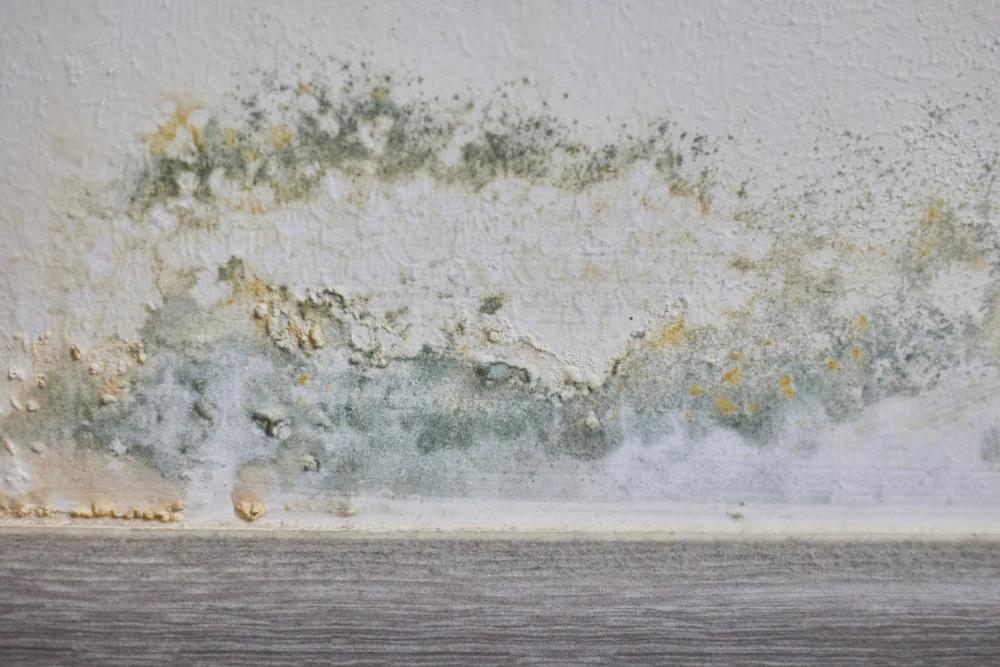
Mold doesn’t just sit there. It spreads through spores you can’t see, settles into your HVAC system, and keeps growing as long as moisture is present. You’re dealing with something that affects the air your family breathes every day.
Mold mitigation stops that cycle. We contain the affected areas so spores don’t travel to clean spaces. We remove the moisture source that’s feeding the growth—whether that’s humidity from your crawl space, a hidden leak, or condensation in your attic. Then we clean and treat surfaces to prevent regrowth.
What you’re left with is a home where you’re not constantly smelling that musty odor. Where your kids aren’t coughing at night. Where you’re not wondering if that dark spot behind the wall is getting worse. The air quality improves. The problem stops spreading. And you can actually trust the space you’re living in.
We work throughout Tredyffrin and Chester County, and we’ve seen what happens when mold takes hold in homes built in the 1940s and 50s. The construction methods used back then—solid, but not designed for today’s humidity levels or modern HVAC systems—create perfect conditions for hidden growth.
We’re not new to this. We understand how mold behaves in crawl spaces with dirt floors, in attics with poor ventilation, and behind walls where old plaster meets exterior moisture. We also know that homeowners here have significant investments to protect, and you need someone who can handle this the right way the first time.
You’ll work with trained technicians who follow EPA protocols, use professional-grade equipment, and can explain what’s happening in plain terms. No runaround. No upselling. Just clear answers and effective mold mitigation services.
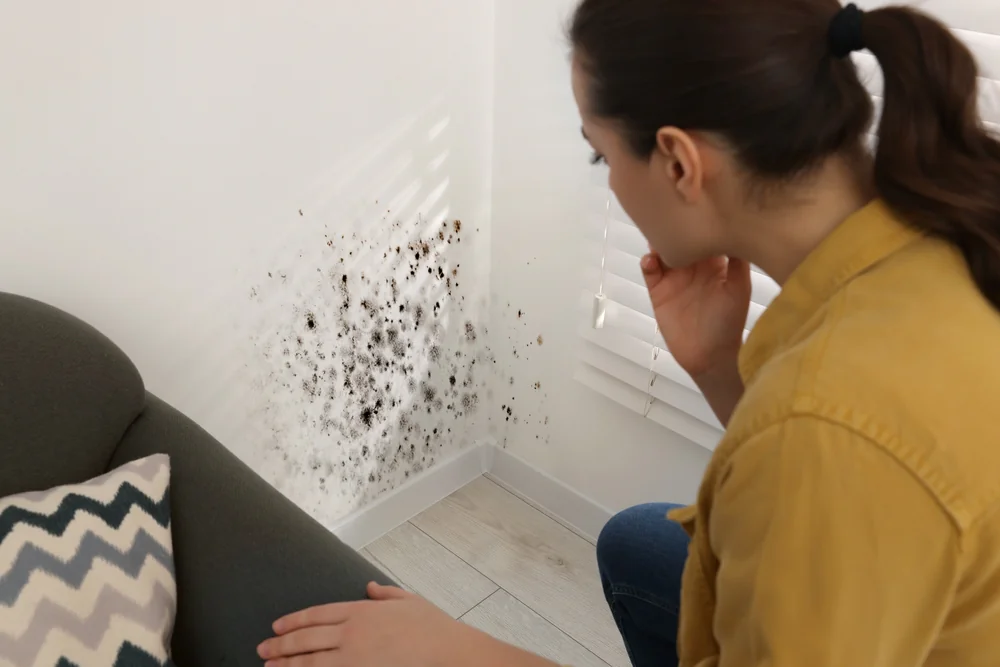
First, we inspect the affected areas and use moisture meters and infrared cameras to find hidden problems. Mold you can see is usually just part of the issue. We’re looking for what’s behind walls, under floors, and in spaces you can’t easily access.
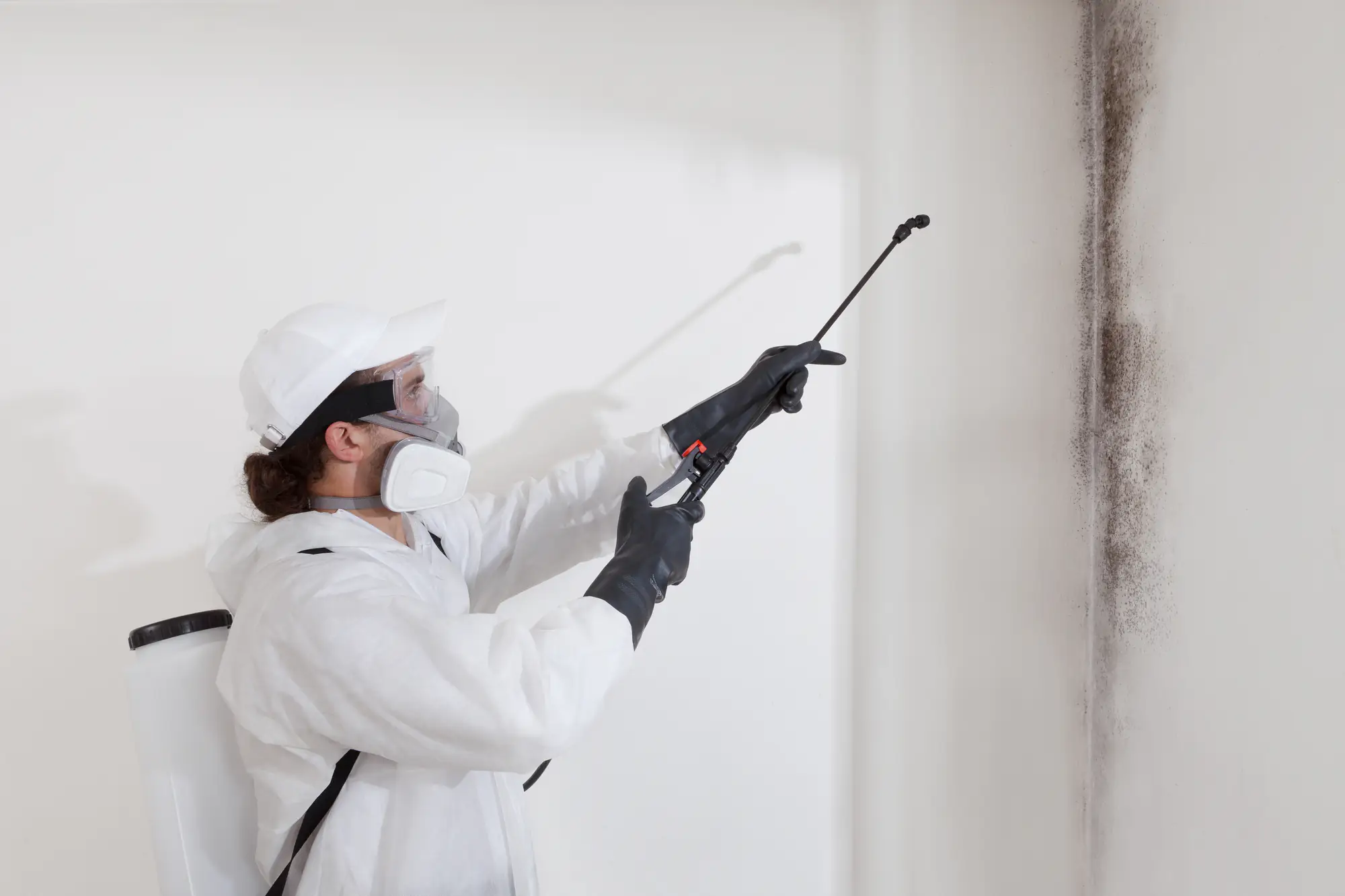
Next, we contain the work area with physical barriers and negative air pressure systems. This keeps mold spores from spreading to other parts of your home during the mitigation process. We’re not just cleaning what’s visible—we’re preventing cross-contamination.
Then we remove contaminated materials that can’t be saved, treat surfaces with antimicrobial solutions, and use HEPA filtration to clean the air. At the same time, we’re identifying and addressing the moisture source. If your crawl space is humid, your attic has condensation, or there’s a plumbing leak, that gets fixed or you’ll be dealing with mold again in six months.
Finally, we verify the work with air quality testing and give you a clear plan for prevention. You’ll know what humidity levels to maintain, what ventilation improvements to consider, and what warning signs to watch for.
Ready to get started?
Mold mitigation covers the full scope of the problem. That means containment barriers, HEPA air scrubbers running during the entire job, removal of affected materials like drywall or insulation, and antimicrobial treatment of all surfaces. It also means we’re tracking down the moisture source and giving you a realistic assessment of what needs to change.
In Tredyffrin, we’re often dealing with basement moisture from older foundations, attic mold from poor ventilation in homes that were built before modern building codes, and crawl space issues that stem from dirt floors and high humidity. Pennsylvania’s summers create the exact conditions mold needs—heat and moisture—and your AC system running constantly can actually make things worse if condensation isn’t managed properly.
You’ll also get documentation for insurance purposes if you’re filing a claim. We provide detailed photos, scope of work, and itemized reporting. And if you’re selling your home, having professional mold mitigation completed with proper verification protects your transaction.
The goal isn’t just to make the mold go away today. It’s to make sure it doesn’t come back next summer when humidity spikes again.
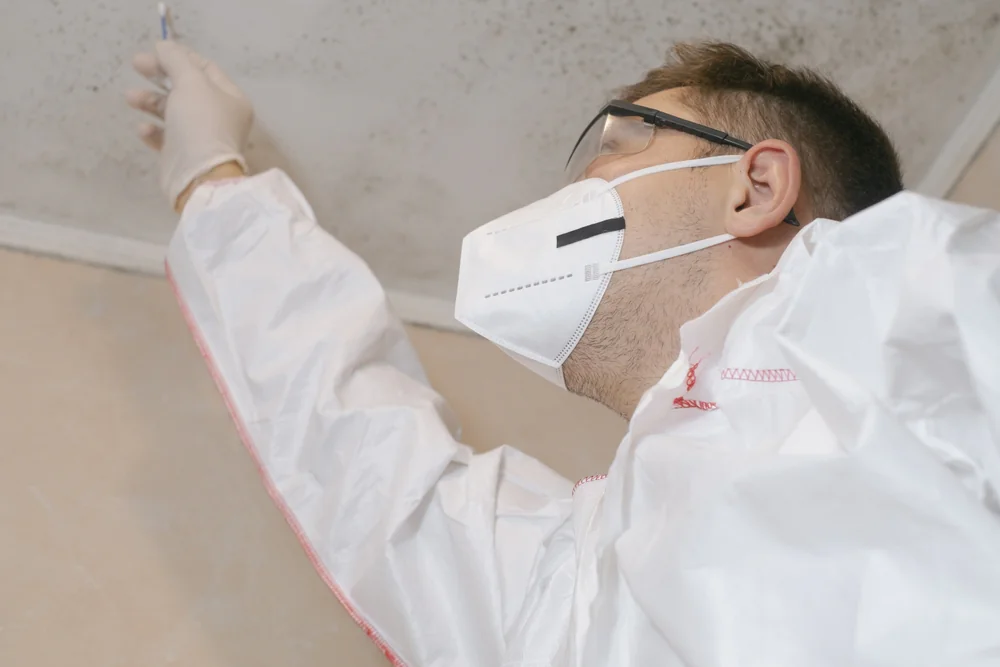
Mitigation focuses on stopping mold from spreading and reducing the impact right now. Remediation is the full removal and restoration process. Most people use the terms interchangeably, but technically mitigation is what happens first—containment, moisture control, and immediate treatment.
In practice, you need both. Mitigation keeps the problem from getting worse while we work. Remediation is the complete cleanup and repair. When you call for mold mitigation services, you’re getting the whole process—we’re not going to contain the mold and then leave you to figure out the rest.
The important thing is that both mitigation and remediation address the source of moisture. If we don’t fix what’s causing the mold, you’re just paying for temporary relief. We handle it all in one process so you’re not dealing with this again in a few months.
Mold can start growing within 24 to 48 hours after a water event. That’s why speed matters when you’ve had a leak, flood, or even just high humidity for an extended period. The longer moisture sits, the more established the mold becomes.
If you’ve had water damage in your basement, a roof leak in your attic, or even just noticed condensation problems, don’t wait to see if it dries out on its own. By the time you see visible mold growth, spores have likely already spread to surrounding areas. The 48-hour window is critical for effective mitigation.
This is especially true in Tredyffrin’s climate. Humid summers mean that once moisture gets into your home, it doesn’t evaporate quickly. Your home’s building materials—especially in older homes with plaster walls and wood framing—absorb that moisture and create perfect conditions for black mold and other types to take hold fast.
Small surface mold on non-porous materials—like a little mildew on a bathroom tile—you can handle yourself with proper cleaning products and ventilation. Anything larger than about 10 square feet, anything that’s penetrated porous materials like drywall or wood, or anything in your HVAC system needs professional mold mitigation.
Here’s why: disturbing mold releases thousands of spores into the air. Without proper containment, HEPA filtration, and protective equipment, you’re spreading the problem and exposing yourself to health risks. We use negative air pressure systems and physical barriers to prevent cross-contamination. You don’t have that equipment at home.
Also, DIY cleaning doesn’t address the moisture source. You might scrub away visible mold, but if the humidity in your crawl space is still at 70%, or if there’s still a slow leak behind your wall, the mold will be back. Professional mitigation finds and fixes the root cause, not just the symptom you can see.
Most mold mitigation projects in the Philadelphia area run between $1,200 and $3,400, with the average around $2,200. But that’s a wide range because every situation is different. The cost depends on the size of the affected area, what materials need to be removed, and how extensive the moisture problem is.
Attic mold mitigation costs less if it’s localized to one section versus your entire attic space. Crawl space mold mitigation might require encapsulation and dehumidification systems if the moisture problem is severe. Black mold mitigation in living spaces often involves more containment and air filtration because of health concerns.
The real cost comes from waiting. A small mold problem that could be handled for $1,500 today can turn into $5,000 or more if it spreads through your HVAC system or requires major structural repairs. Insurance may cover water mold restoration if the damage came from a sudden event like a pipe burst, but coverage for long-term moisture issues varies. We can walk you through documentation either way.
Mold exposure causes respiratory issues, allergic reactions, and can trigger or worsen asthma—especially in children. You might notice persistent coughing, wheezing, eye irritation, skin rashes, or a stuffy nose that doesn’t go away. Some people experience headaches or fatigue that improves when they leave the house.
Research shows that up to 21% of current asthma cases in the U.S. may be linked to dampness and mold in homes. That’s not a small risk. For kids, elderly family members, or anyone with existing respiratory conditions, the impact is even more serious. Black mold (Stachybotrys) gets the most attention, but other common molds like Aspergillus and Penicillium cause health problems too.
The tricky part is that symptoms are often vague and easy to dismiss. You might think it’s seasonal allergies or just a cold that won’t quit. But if multiple people in your household are experiencing respiratory symptoms that improve when you’re away from home, mold is a likely culprit. The only way to eliminate the health risk is to eliminate the mold and the moisture feeding it.
Control your indoor humidity. Keep it between 30% and 50% year-round. That means running dehumidifiers in your basement and crawl space during humid months, making sure your attic has proper ventilation, and fixing any plumbing leaks immediately. Mold can’t grow without moisture.
In Tredyffrin’s older homes, you’re often dealing with structural issues that promote moisture—dirt crawl spaces, inadequate attic vents, or foundations that weren’t built with modern waterproofing. After mold mitigation, you may need to invest in crawl space encapsulation, better gutter systems, or improved ventilation. These aren’t upsells—they’re the difference between solving the problem once and dealing with it repeatedly.
Also, get your HVAC system checked. If your AC is oversized or your ducts have condensation issues, you’re creating moisture problems every time the system runs. Regular maintenance and proper airflow prevent the conditions mold needs to come back. We’ll give you specific recommendations based on what we find during your mitigation, so you know exactly what to prioritize.
Other Services we provide in Tredyffrin