
Hear from Our Customers
You stop smelling that musty odor every time you walk into your basement. Your kids aren’t coughing as much at night. You’re not scrubbing the same spots over and over, wondering when it’ll show up again.
That’s what happens when mold mitigation actually addresses the problem instead of just cleaning what you can see. We’re talking about fixing the leak, controlling the humidity, improving the airflow—whatever’s creating the environment where mold grows in the first place.
In Towamencin, where summer humidity regularly pushes into the danger zone and older homes weren’t built with modern moisture barriers, surface cleaning doesn’t cut it. You need someone who understands that Pennsylvania’s climate creates specific challenges. High humidity in July and August, temperature swings that cause condensation, poor attic ventilation in homes built decades ago—these aren’t just inconveniences. They’re feeding mold growth in your walls, under your floors, and in places you’d never think to check.
When we’re done, you’re not just mold-free today. You’ve got a plan that keeps it from coming back next season.
We work throughout Bucks County and Montgomery County, and we’ve seen what happens when homeowners try to handle mold themselves or hire someone who only treats the symptoms. It comes back. Usually within weeks.
We’ve built our approach around one simple idea: if you don’t fix what caused the mold, you’re wasting your time and money. That means we use moisture meters and infrared cameras to find hidden water sources. We seal off contaminated areas so spores don’t spread during removal. We address ventilation issues, repair leaks, and install dehumidifiers when needed.
Towamencin’s housing stock includes plenty of older properties where basements weren’t waterproofed to modern standards and attics don’t have adequate airflow. We know these homes. We know the common failure points. And we know how to fix them so you’re not calling us back in six months.
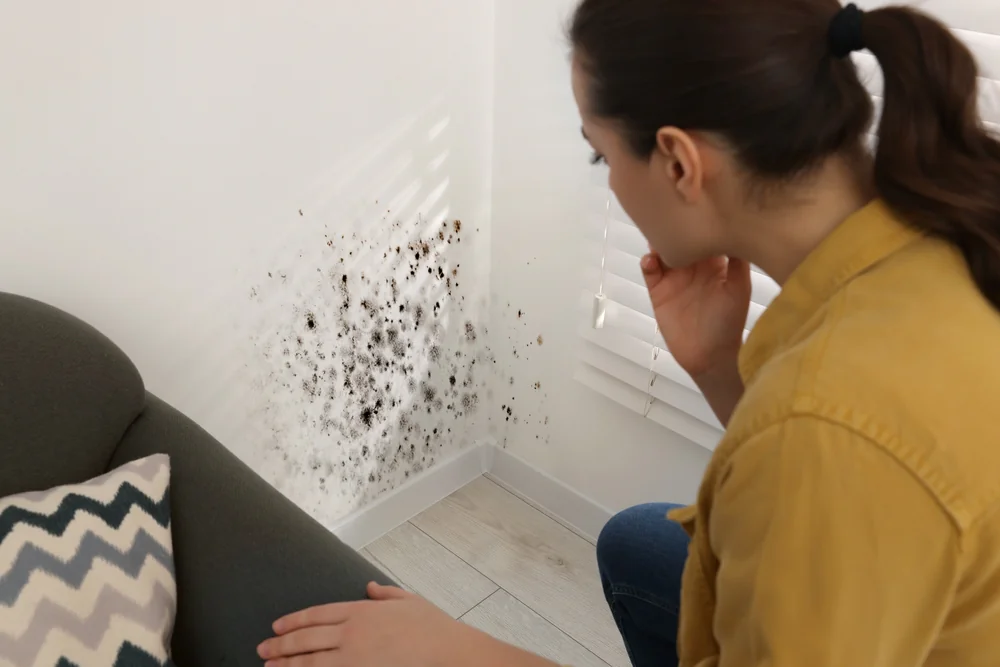
We start with a free inspection. That’s where we use detection equipment to find mold you can’t see and identify the moisture source feeding it. Could be a slow leak behind a wall, condensation from poor insulation, or humidity that’s too high because your basement doesn’t have proper ventilation. We need to know what we’re dealing with before we can fix it.
Once we’ve mapped out the problem, we give you a clear estimate. No surprises. You’ll know exactly what needs to happen and what it costs before any work starts.
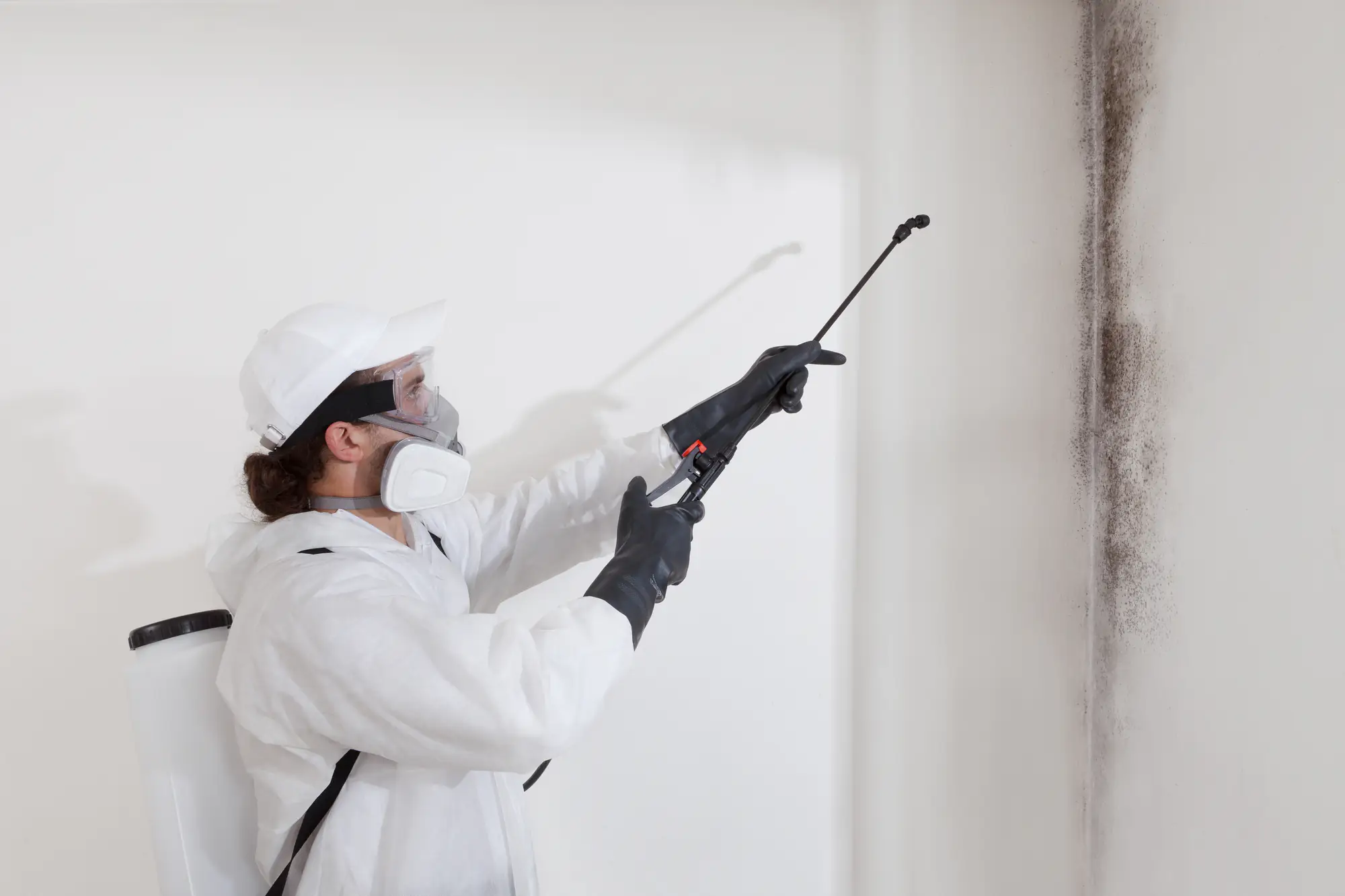
Then we contain the area. We seal it off with physical barriers and use negative air pressure systems to make sure mold spores don’t spread to clean parts of your home while we’re working. This step matters more than most people realize—it’s the difference between cleaning one room and contaminating three others.
After containment, we remove the mold using HEPA filtration and antimicrobial treatments. But here’s the part that actually matters: we fix the source. We repair the leak. We improve the ventilation. We address whatever moisture problem caused this in the first place. Because if we don’t, you’ll be dealing with mold again in a few months.
Finally, we verify the work. We make sure moisture levels are where they should be, the air quality is clean, and you’ve got a home that’s actually safe—not just surface-level clean.
Ready to get started?
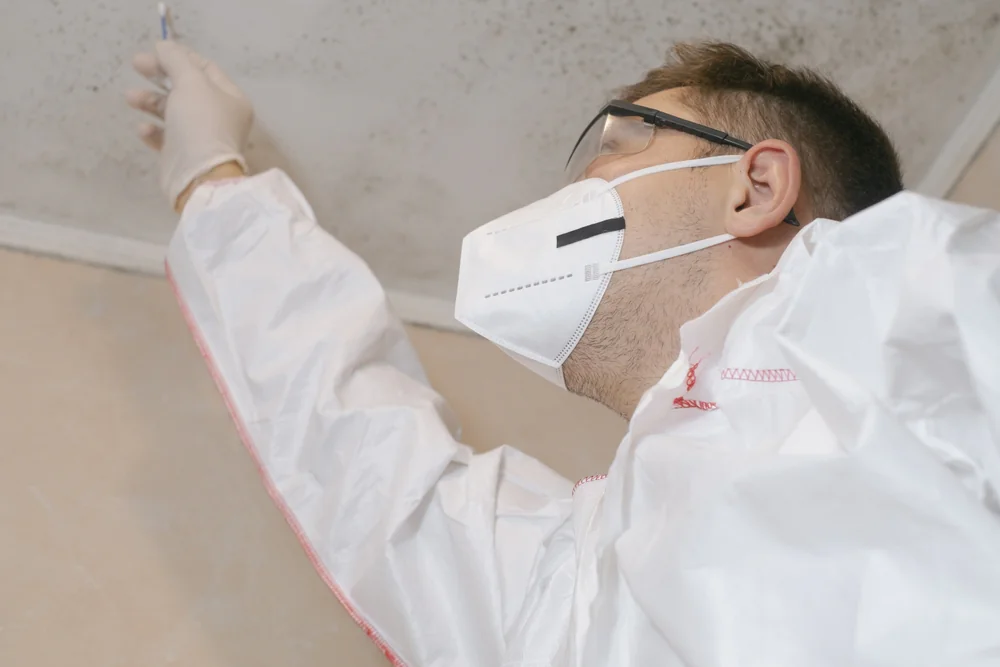
You get a thorough inspection with professional-grade equipment that finds mold hiding in places you’d never check on your own. Moisture meters tell us where water is accumulating. Infrared cameras show us temperature differences that indicate leaks or poor insulation. This isn’t guesswork.
You get proper containment so the problem doesn’t spread. We’re not just opening up a wall and hoping for the best. We’re sealing off the work area, controlling air pressure, and making sure spores stay where we can deal with them.
You get complete removal using HEPA filtration systems that capture particles down to 0.3 microns. That’s smaller than most mold spores. We’re not leaving anything behind to regrow later.
And you get source elimination. This is the part that separates real mold mitigation from surface cleaning. We find out why you have mold—whether it’s a plumbing issue, a ventilation problem, or humidity that’s too high—and we fix it. In Towamencin, where summer humidity often sits above 60% and many homes have basements that were never properly waterproofed, this step isn’t optional. It’s the only way to actually solve the problem.
We also work with your insurance company if your mold issue is related to a covered event like a pipe burst or storm damage. We’ll help you navigate the claims process so you’re not doing it alone.
It depends on how far the mold has spread and what’s causing it. A small bathroom issue where we’re treating one wall and fixing a leaky pipe might take two to three days. A basement with widespread growth from chronic moisture problems could take a week or more.
The inspection usually takes a few hours. Containment and removal might take one to three days depending on the size of the affected area. But the timeline really comes down to what we find during the inspection and how extensive the moisture problem is.
Here’s what slows things down: hidden mold behind walls or under flooring, structural repairs needed after removal, and waiting for materials to dry completely before we can seal them back up. We’re not rushing through this just to get it done faster. If we don’t let things dry properly or we miss a moisture source, you’ll have mold again in a month.
Mold removal is cleaning up what you can see. Mold mitigation is fixing why it’s there in the first place. One is a temporary fix. The other is a permanent solution.
When you remove mold without mitigating the conditions that caused it, you’re just buying time. The leak is still leaking. The humidity is still too high. The ventilation is still poor. Within weeks or months, you’re back where you started.
Mold mitigation means we identify the moisture source, eliminate it, and create an environment where mold can’t grow. That might mean repairing plumbing, installing a dehumidifier, improving attic ventilation, or waterproofing your basement. It’s more involved than just scrubbing surfaces, but it’s also the only approach that actually works long-term. In Towamencin’s climate, where summer humidity and older home construction create ongoing moisture challenges, mitigation isn’t just recommended—it’s necessary if you want the problem to stay gone.
Bleach kills surface mold on non-porous materials like tile or glass. It doesn’t penetrate porous surfaces like drywall or wood, which means it’s not reaching the roots. And it does nothing to address the moisture problem causing the mold in the first place.
More importantly, bleach can actually make things worse. It adds moisture to the area, which feeds mold growth. It releases fumes that are harsh on your lungs. And it gives you a false sense of security because the surface looks clean even though the mold is still growing underneath.
The EPA recommends professional mold mitigation for any area larger than 10 square feet. That’s about the size of a small bathroom wall. If you’re dealing with anything bigger, or if the mold keeps coming back after you clean it, you’ve got a moisture problem that bleach won’t fix. You need someone who can find the source, contain the area properly so spores don’t spread, and eliminate the conditions that are feeding the growth. That’s not something you can do with a spray bottle from the hardware store.
Small jobs—like treating a bathroom with limited mold from a leaky faucet—might run $500 to $1,500. Larger projects involving basements, crawl spaces, or multiple rooms can range from $2,000 to $6,000 or more, depending on the extent of the damage and what needs to be repaired.
Testing alone typically costs $200 to $800 depending on the size of your home and how many samples we need to take. But we offer free inspections, so you’ll know what you’re dealing with before you commit to anything.
What drives the cost up? Square footage of the affected area, how much material needs to be removed and replaced, whether there’s structural damage, and what kind of moisture control systems need to be installed. A basement that needs waterproofing, mold removal, and a dehumidifier will cost more than fixing a small leak under a sink.
Here’s what matters: if your mold problem is related to a covered insurance event—like a burst pipe or storm damage—your policy might cover part or all of the mitigation. We work with insurance companies regularly and can help you figure out what’s covered. Don’t assume you’re paying out of pocket until you’ve checked.
Mold spores irritate your respiratory system when you breathe them in. Common symptoms include stuffy nose, sore throat, coughing, wheezing, burning eyes, and skin rashes. If you have asthma, mold exposure can trigger flare-ups, chest tightness, and more severe breathing problems.
Studies show that living in damp, moldy environments increases respiratory and asthma-related health issues by 30 to 50 percent. About 21 percent of current asthma cases in the U.S. are potentially linked to dampness and mold in housing. That’s not a small number.
Kids, elderly family members, and anyone with existing respiratory conditions or weakened immune systems are at higher risk. But even healthy adults can develop symptoms if the exposure is ongoing. The longer you’re breathing in mold spores, the more likely you are to have problems.
If you’re noticing unexplained respiratory symptoms that get better when you leave the house, or if certain rooms make you feel worse, that’s a sign you might have a mold problem. Don’t wait for it to get worse. The EPA says mold can start growing within 24 to 48 hours after materials get wet, and once it’s established, it’s not going away on its own.
Because something in your home is creating the conditions mold needs to grow: moisture, warmth, and organic material to feed on. If you’re only cleaning the mold without fixing the moisture source, you’re treating the symptom instead of the problem.
In Towamencin, the most common culprits are basement humidity, poor attic ventilation, and older homes that weren’t built with modern moisture barriers. Pennsylvania’s summer humidity regularly pushes above 60 percent, which is high enough to support mold growth even without an active leak. Add in temperature swings that cause condensation, and you’ve got an environment where mold thrives.
Specific issues we see a lot: sump pumps that aren’t keeping up during heavy rain, crawl spaces without vapor barriers, bathrooms with exhaust fans that don’t actually vent outside, and attics where hot, humid air gets trapped because there’s not enough airflow. Any one of these problems can cause recurring mold.
The fix isn’t complicated, but it does require identifying the exact source. That’s where moisture meters and infrared cameras come in. We find where the water is coming from, whether it’s a leak you can’t see or humidity that’s too high, and we address it. Once the moisture problem is solved, the mold stops coming back.
Other Services we provide in Towamencin