
Hear from Our Customers
You stop worrying every time someone in your house coughs. The musty smell that’s been hanging around your basement or crawl space finally disappears. Your kids’ allergy symptoms start improving because the air quality in your home is actually clean again.
That’s what happens when mold mitigation is done right. Not just scrubbing visible spots and hoping for the best—but identifying where moisture is getting in, eliminating the mold that’s already there, and fixing the conditions that let it grow in the first place.
You’re not just paying for mold removal. You’re getting your home back to a place where you’re not second-guessing the air your family breathes. Where you can sell your property without disclosure nightmares. Where your investment is protected instead of quietly deteriorating behind your walls.
We’ve been handling mold problems across Towamencin and Bucks County long enough to know exactly where moisture hides in older Pennsylvania homes. We’ve seen what happens when basements flood during spring storms, when attic ventilation isn’t adequate for our humid summers, and when crawl spaces turn into breeding grounds because the vapor barrier failed years ago.
Our team includes certified mold remediation specialists who use professional-grade equipment to detect problems you can’t see and eliminate them completely. We’re available 24/7 because mold emergencies don’t wait for business hours.
When you call us, you’re getting a free inspection first—no pressure, just a clear assessment of what you’re dealing with and what it’ll actually take to fix it.
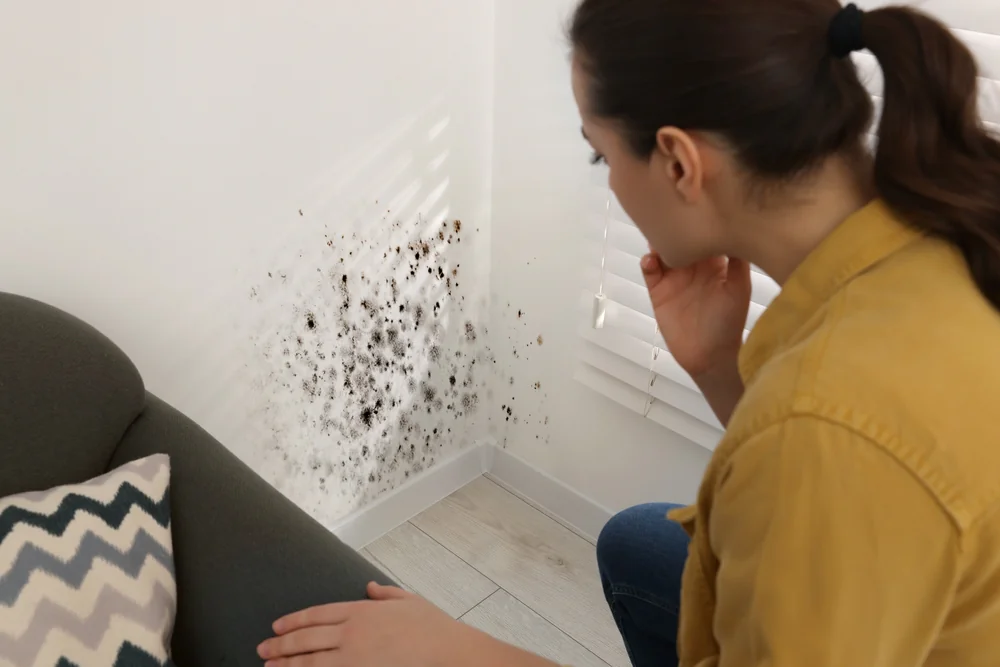
First, we come out and inspect your property thoroughly. Not just the obvious spots—we’re checking behind walls, in your HVAC system, under flooring, anywhere moisture could be hiding. We use moisture meters and thermal imaging to find problems before they become disasters.
Once we know what we’re dealing with, you get a detailed report and a transparent estimate. No surprises, no upselling. Just what needs to happen and what it costs.
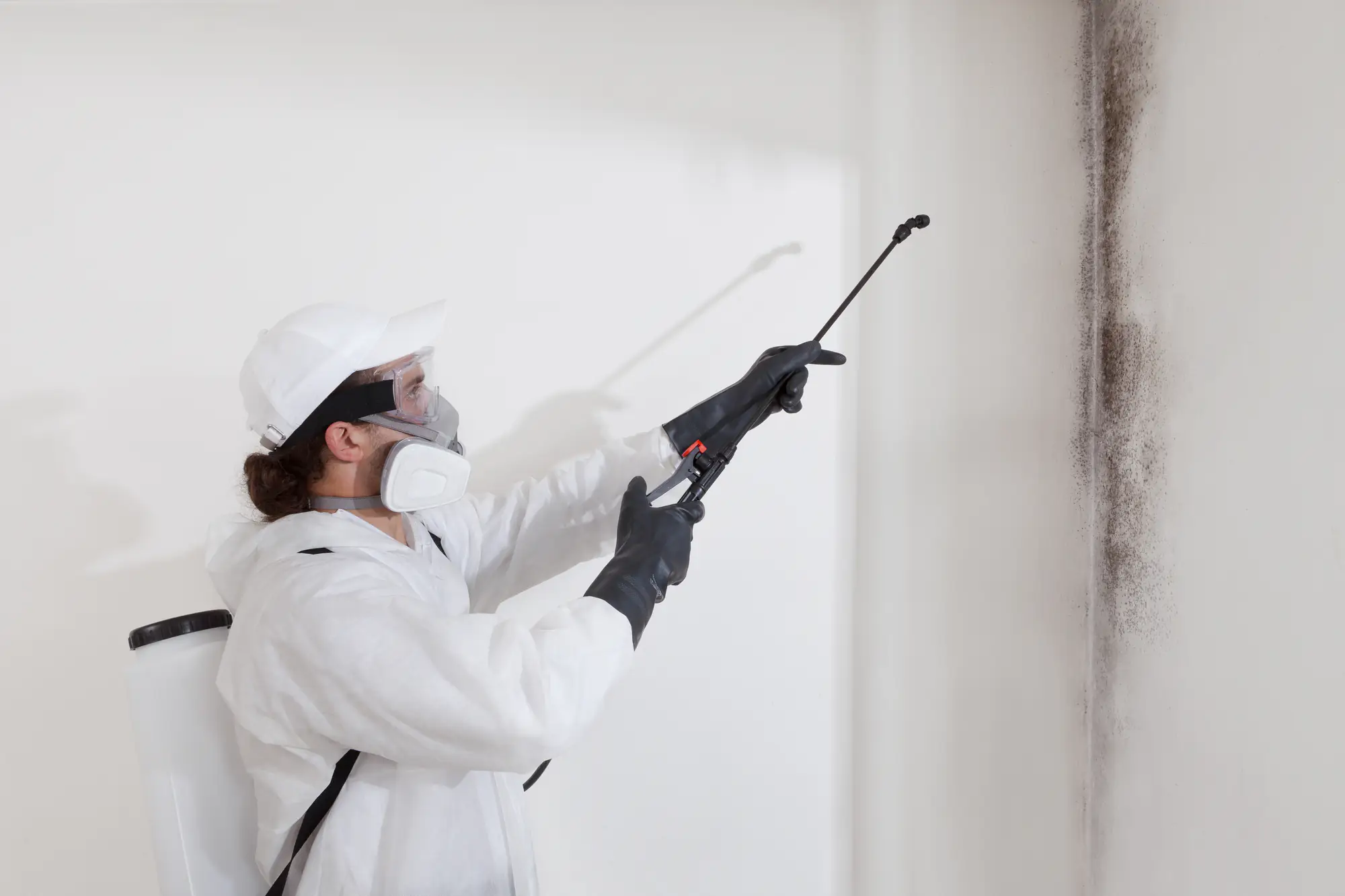
Then we contain the affected area to prevent spores from spreading during removal. We eliminate the mold using methods that are effective but safe for your family and pets. More importantly, we fix the moisture source—whether that’s a leak, poor ventilation, or drainage issues—so you’re not dealing with this again in six months.
After removal, we restore the affected areas and do a final clearance test to confirm the air quality is back to safe levels. You get documentation of everything, which matters if you’re selling your home or filing an insurance claim.
Ready to get started?
You’re getting a complete solution, not a band-aid. That means professional assessment using advanced detection equipment, containment to protect the rest of your home during the work, complete mold removal from affected areas, and most critically—fixing whatever caused the problem in the first place.
In Towamencin and throughout Bucks County, we see a lot of attic mold mitigation jobs because roof ventilation wasn’t designed for the humidity levels we get here. Crawl space mold mitigation is common too, especially in older homes where vapor barriers have degraded or were never installed properly. Black mold mitigation requires extra care because of the health risks, but the process is the same: find it, remove it, eliminate the conditions that let it grow.
You also get help navigating insurance claims if your policy covers the damage. We document everything and provide the reports your insurance company needs. And because we know mold problems stress people out, we keep you informed throughout the process—no disappearing for days while you wonder what’s happening in your own home.
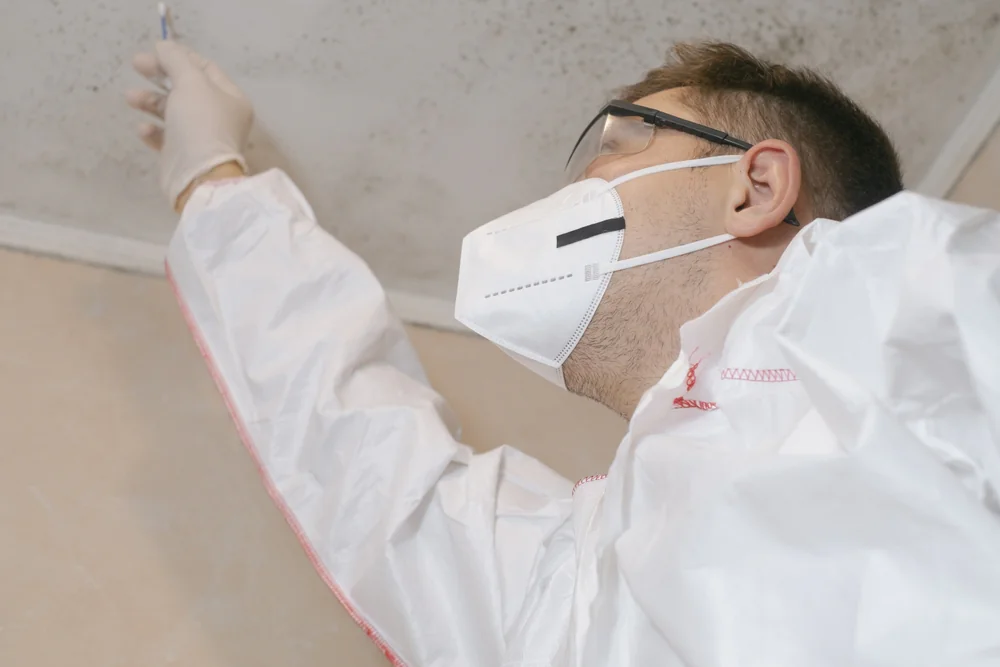
Mitigation focuses on stopping mold from spreading and reducing the damage while addressing the moisture problem that’s causing it. It’s about controlling the situation before it gets worse. Remediation is the full removal and restoration process after mold has already taken hold.
In practice, most homeowners need both. You need mitigation to contain the problem immediately, especially if you’re dealing with water damage or active leaks. Then you need remediation to actually remove the mold and restore your property to safe conditions.
The important thing is that both processes have to address the source of moisture. If you just remove visible mold without fixing why it’s growing there, you’re wasting your money. It’ll be back.
For a single-room problem like a bathroom or small basement area, you’re usually looking at 1-3 days. Larger jobs involving multiple rooms, attic mold mitigation, or extensive crawl space work can take a week or more.
The timeline depends on how widespread the problem is, how long the moisture issue has been going on, and what materials are affected. Drywall removal and replacement takes longer than cleaning hard surfaces. If we’re dealing with black mold in your HVAC system, that’s more complex than surface mold on basement walls.
We’ll give you a realistic timeline during the inspection. Most people are surprised it doesn’t take longer—but that’s because we’re set up to do this efficiently without cutting corners on safety or thoroughness.
It depends on what caused the mold. If it’s from a sudden, covered event like a burst pipe or storm damage, most policies will cover mitigation and remediation. If it’s from long-term neglect or maintenance issues like a slow leak you didn’t fix, probably not.
The key is documenting everything quickly. Insurance companies want to see that you acted fast to prevent further damage once you discovered the problem. That’s where mitigation helps your claim—it shows you took immediate action.
We work with insurance companies regularly and can help you understand what your policy covers. We’ll provide all the documentation, photos, and reports they need to process your claim. Just don’t wait weeks to call—both for your health and your coverage, speed matters.
For a tiny surface spot on a non-porous material, maybe. For anything larger than a few square feet, anything inside walls or HVAC systems, or any situation involving black mold—no, you shouldn’t try this yourself.
Here’s why: mold releases spores when disturbed. Without proper containment and protective equipment, you’re spreading the problem throughout your house and exposing yourself to health risks. You also can’t see the full extent of growth without professional detection equipment. What looks like a small patch on your wall might extend several feet inside the wall cavity.
More importantly, removing visible mold doesn’t solve anything if you don’t fix the moisture source. You need to know why it’s growing there, which usually requires experience with building science and water intrusion patterns. DIY mold removal typically leads to the same problem recurring within months—except now it’s worse because spores spread during your removal attempt.
Mold exposure affects different people differently, but the risks are real. You might experience respiratory issues, persistent coughing, headaches, skin rashes, or allergy symptoms that won’t go away. Kids, elderly family members, and anyone with asthma or compromised immune systems are especially vulnerable.
Some people have genetic predispositions that make them more sensitive to mold—up to 25% of the population. For them, exposure can cause severe reactions including memory problems, chronic fatigue, and symptoms that feel like a perpetual flu.
The longer mold grows unchecked, the worse your indoor air quality becomes. It’s not just about the visible mold—it’s about the spores circulating through your HVAC system and the mycotoxins some molds produce. The World Health Organization estimates that removing dampness and mold from homes reduces respiratory symptoms by 25-45%. That’s significant. Waiting doesn’t make the problem smaller or cheaper to fix—it just gives mold more time to spread and more opportunity to affect your family’s health.
Prevention comes down to moisture control. We identify every source of water intrusion or humidity—leaky pipes, poor drainage, inadequate ventilation, foundation cracks, whatever’s causing the problem. Then we fix it or tell you exactly what needs to be fixed.
In Bucks County homes, common prevention measures include improving attic ventilation, installing or repairing crawl space vapor barriers, fixing grading issues around foundations, and addressing basement waterproofing problems. Sometimes it’s as simple as redirecting a downspout. Other times it requires more significant repairs.
After mitigation, we also recommend monitoring humidity levels in previously affected areas. You want to keep indoor humidity below 60%, ideally between 30-50%. Dehumidifiers help in basements and crawl spaces. Proper ventilation in bathrooms and kitchens prevents moisture buildup. The goal is creating an environment where mold can’t thrive even if a few spores are present—because spores are everywhere, but they only become a problem when conditions are right for growth.
Other Services we provide in Towamencin