
Hear from Our Customers
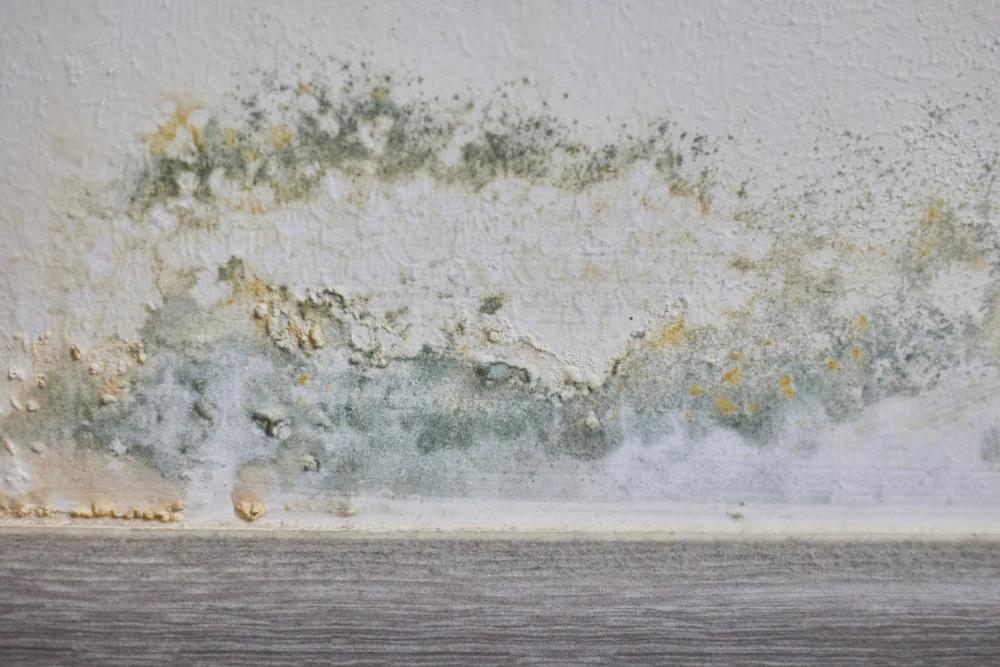
You stop worrying every time your kid coughs. The musty smell in your basement disappears. You’re not scrubbing the same corner every few weeks wondering why it keeps coming back.
Real mold mitigation means finding where the moisture is getting in and stopping it. That could be a hidden leak behind your bathroom wall, condensation in your attic because the ventilation isn’t cutting it, or groundwater seeping into your basement during those heavy Pennsylvania rains. If you only clean what you can see, you’re just buying time.
We use moisture meters and thermal imaging to find problems you can’t see. We contain the affected area so spores don’t spread while we work. We remove contaminated materials safely, treat surfaces properly, and then address the moisture issue that started this whole thing. After that, we test the air to confirm it’s clean.
You’re left with a home that’s healthier to live in, easier to sell if that’s ever the plan, and one less thing stealing your peace of mind. Your family breathes easier. You stop second-guessing whether that spot on the ceiling is getting worse.
We work with homeowners throughout Skippack and Bucks County who are dealing with mold problems that won’t quit. We’re not a national franchise following a script. We’re local, and we understand how Pennsylvania’s humid summers and older home construction create the perfect conditions for mold to thrive.
Many homes in this area were built decades ago with basements that weren’t designed to handle moisture the way modern construction does. Add in our summer humidity that regularly hits 70% or higher, and you’ve got an environment where mold doesn’t just grow—it spreads fast.
We’ve been helping families in Skippack identify hidden mold, eliminate it properly, and prevent it from returning. We show up when we say we will, we explain what we find in plain terms, and we don’t leave until the job is done right.
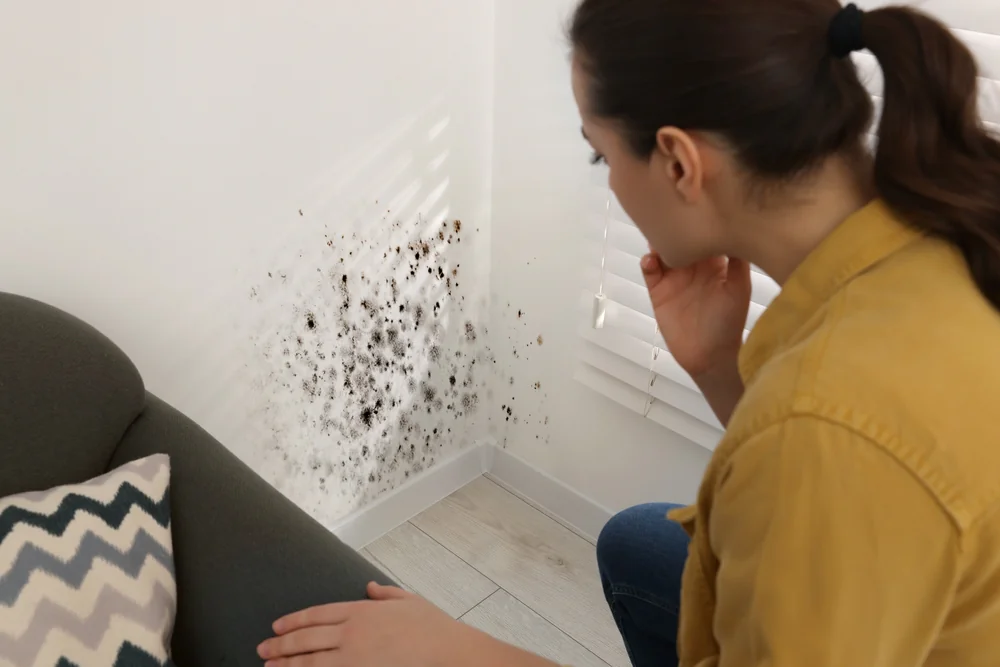
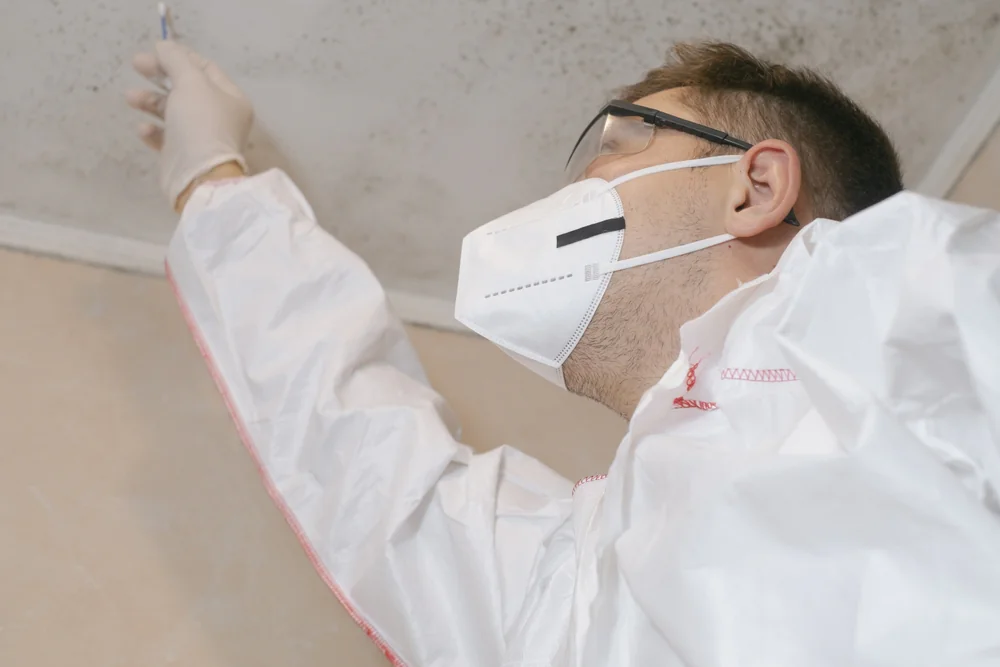
First, we inspect your property to figure out where the mold is and what’s feeding it. We’re looking for visible growth, but also using moisture meters and infrared cameras to find hidden problems behind walls, under floors, or in your attic. Mold doesn’t always announce itself.
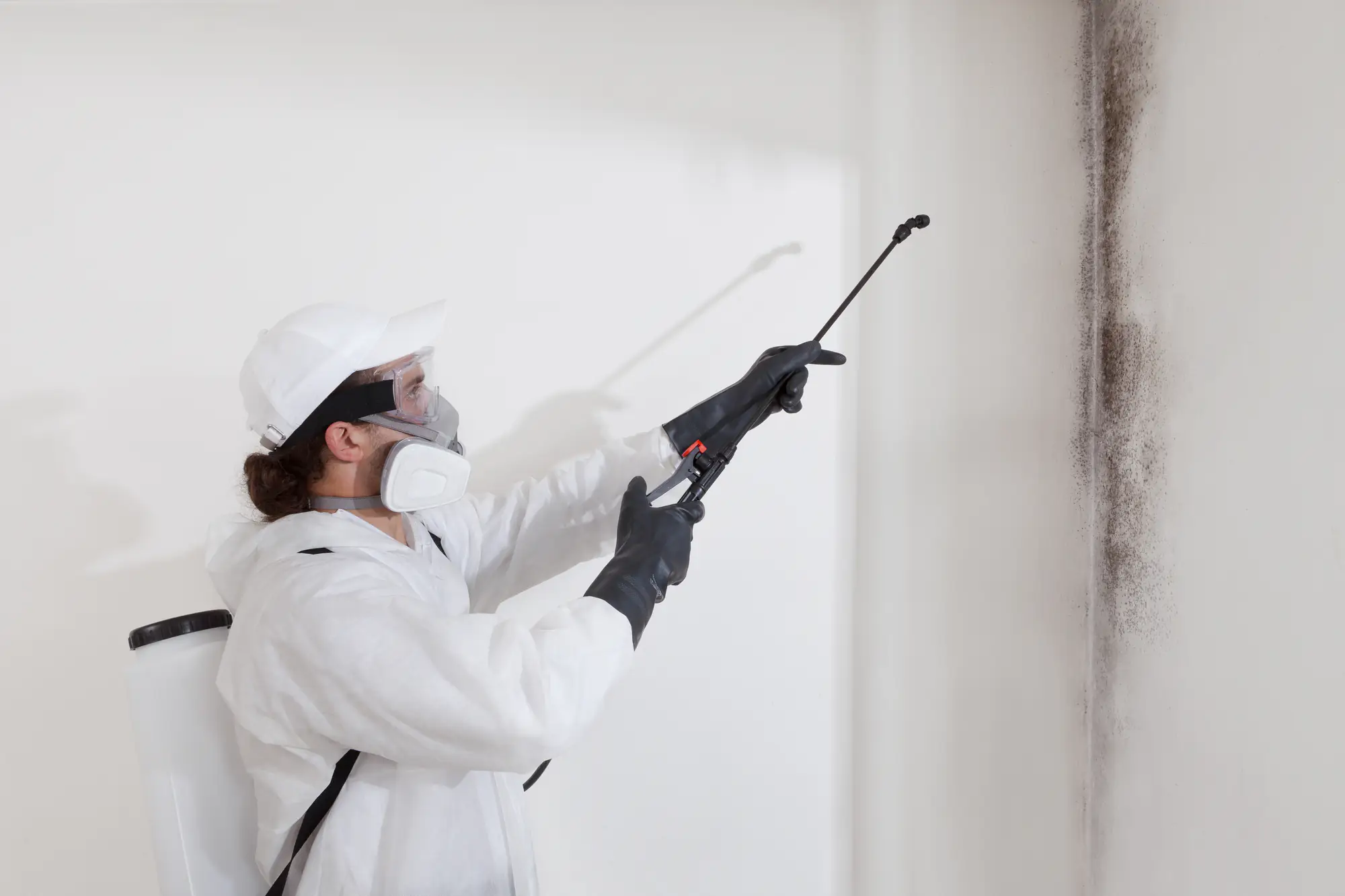
Once we know what we’re dealing with, we contain the area. That means sealing it off with physical barriers and using negative air pressure so mold spores don’t drift into the rest of your home while we work. We bring in HEPA vacuums and air scrubbers to capture what’s already airborne.
Then we remove the mold. Depending on the severity, that might mean treating surfaces, removing contaminated drywall or insulation, or cleaning ductwork. We don’t just scrub and hope. If materials are too far gone, we remove them.
After the mold is gone, we address the moisture source. Maybe that’s fixing a leaky pipe, improving ventilation, sealing a foundation crack, or installing a dehumidifier. If we don’t fix what caused the mold, you’ll be calling someone again in six months.
Finally, we test the air quality to make sure the job is complete. You get documentation of the work, which is helpful if you’re dealing with insurance or planning to sell your home down the line.
Ready to get started?
You get a free inspection to start. We assess the extent of contamination, identify the moisture source, and give you a clear estimate before any work begins. No surprises.
The mitigation process includes full containment to protect unaffected areas of your home, safe removal of mold and contaminated materials, HEPA filtration and air scrubbing during the job, and treatment of affected surfaces. We also handle the source—whether that’s repairing leaks, improving airflow, or waterproofing.
Skippack’s climate makes mold prevention critical. Homes here deal with humid summers, older construction, and basements that weren’t built with modern moisture barriers. We see a lot of crawl space issues, attic condensation from poor ventilation, and basement mold from groundwater intrusion. Knowing what’s common in this area means we know where to look and how to fix it for good.
We also work directly with your insurance company if you’re filing a claim. We provide all the documentation they need, and we’ve handled enough claims to know how to make that process less painful for you.
After the work is done, we conduct post-remediation air quality testing. That’s not optional for us—it’s how we confirm the job was done right and your home is safe.
It depends on how much mold there is, where it’s located, and what’s causing it. A small bathroom mold issue might cost a few hundred dollars. A full basement or attic remediation with structural repairs can run several thousand.
Most insurance policies cover mold mitigation if it’s caused by a sudden event like a burst pipe or storm damage. They typically don’t cover it if it’s from long-term neglect or maintenance issues. Coverage limits vary—some policies cap mold claims at $1,000 to $10,000, while others offer more.
We provide a free inspection and a detailed estimate before starting any work. That estimate breaks down what we’re doing and why, so you’re not guessing what you’re paying for. If you’re filing an insurance claim, we’ll work with your adjuster and provide all the documentation they need.
A small, contained area might take one to two days. Larger jobs involving multiple rooms, structural removal, or significant moisture issues can take a week or more.
The timeline depends on the size of the affected area, how much material needs to be removed, and how long it takes to dry everything out properly. Rushing the drying process is a mistake—if materials aren’t completely dry before we close things up, mold will return.
We also factor in time for post-remediation testing. We don’t consider the job done until air quality tests confirm the mold is gone. Most homeowners can stay in their home during mitigation as long as the affected area is properly contained, but if contamination is severe or affects your HVAC system, we might recommend staying elsewhere temporarily.
If it’s a very small area—less than 10 square feet—and it’s on a hard, non-porous surface like tile, you can try cleaning it yourself with the right products and precautions. Anything larger, hidden, or on porous materials like drywall or wood should be handled professionally.
The problem with DIY mold removal is that you’re usually only addressing what you can see. Mold grows behind walls, under floors, and in places you won’t notice until it’s a bigger problem. Without proper containment, you can spread spores to other parts of your home while you’re trying to clean.
Black mold mitigation especially requires professional equipment and safety measures. Disturbing mold releases spores into the air, and without HEPA filtration and containment, you’re making the problem worse. Plus, if you don’t fix the moisture source, the mold will be back in a few weeks. We see it all the time—homeowners who tried to handle it themselves and ended up with a bigger, more expensive problem.
Moisture. That’s it. Mold needs water, warmth, and organic material to grow. In Skippack and Bucks County, the combination of humid summers and older home construction creates ideal conditions.
Basements are a common problem because many homes here were built before modern waterproofing standards. Groundwater seeps through foundation cracks, humidity condenses on cool surfaces, and poor ventilation traps moisture inside. Attics are another hotspot—heat rises, and if your attic ventilation isn’t adequate, condensation builds up and mold takes hold.
Leaky pipes, roof damage, and poorly sealed windows also contribute. Even something as simple as a bathroom exhaust fan that vents into the attic instead of outside can cause serious mold growth over time. Pennsylvania’s climate doesn’t help—our summer humidity regularly sits above 70%, and that moisture has to go somewhere. If your home isn’t equipped to handle it, mold will find a way in.
Not if the moisture problem is fixed. Mold will absolutely return if the conditions that caused it are still there. That’s why real mold mitigation isn’t just about removing what you can see—it’s about eliminating the source.
If we remove mold from your basement but don’t address the foundation crack letting water in, you’ll have mold again after the next heavy rain. If we clean your attic but don’t improve ventilation, condensation will keep forming and mold will regrow.
We don’t just treat the symptom. We find the leak, improve the airflow, seal the crack, or install the dehumidifier. Then we test the air after the work is done to confirm it’s clean. If moisture comes back because of a new issue—a different pipe leaks, your sump pump fails—mold can return. But if we’ve addressed the original problem correctly and you maintain your home, it shouldn’t come back.
Sometimes. It depends on what caused the mold and what your policy says. Most insurance companies will cover mold mitigation if it resulted from a sudden, accidental event like a burst pipe, storm damage, or appliance malfunction. They typically won’t cover it if the mold is from long-term neglect, poor maintenance, or gradual leaks you didn’t address.
Coverage limits vary widely. Some policies cap mold claims at $1,000 to $10,000, while others offer higher limits or require you to purchase additional mold coverage. You need to read your policy or talk to your agent to know what you’re working with.
We work with insurance companies regularly and can help with the claims process. We provide detailed documentation, photos, moisture readings, and a scope of work that adjusters need to process your claim. We’ve dealt with enough claims to know what insurers look for, and we can communicate directly with your adjuster to move things along. If your claim gets denied or disputed, we’ll provide the information you need to appeal it.
Other Services we provide in Skippack