
Hear from Our Customers
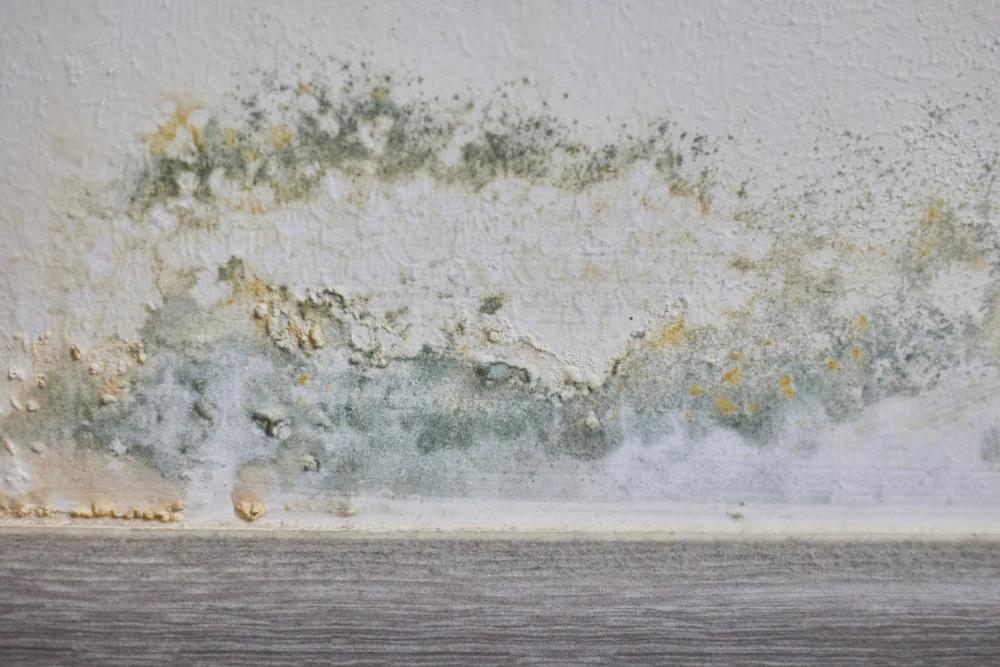
Mold doesn’t just sit there. It spreads through your property in as little as 48 hours, releasing spores into the air you breathe and compromising the structure you’re paying for.
You need it gone completely. Not covered up, not partially treated, but eliminated at the source with equipment and processes that actually work.
That means finding moisture where you can’t see it, containing the affected areas so spores don’t travel during removal, and treating the root cause so you’re not dealing with this again in six months. Mold mitigation services done right give you clean air, a safer home, and the confidence that your family isn’t breathing in something that could trigger asthma, allergies, or worse.
When the job’s finished, you’re not wondering if it’s really gone. You know it is.
We work throughout Skippack, PA and the surrounding Bucks County area. We’ve seen what Pennsylvania’s humid climate does to basements, crawl spaces, and attics—especially in older homes where ventilation wasn’t built to handle today’s moisture levels.
We’re not a franchise following a script. We’re a local team that understands how water moves through your property, where mold hides, and what it takes to remove it safely without making things worse.
Our technicians are IICRC-certified and trained in EPA-compliant mold remediation. We use moisture meters, infrared cameras, and HEPA filtration systems to do the job right the first time. You’re working with people who’ve handled black mold mitigation, attic mold mitigation, crawl space contamination, and water mold restoration across every type of property in this area.
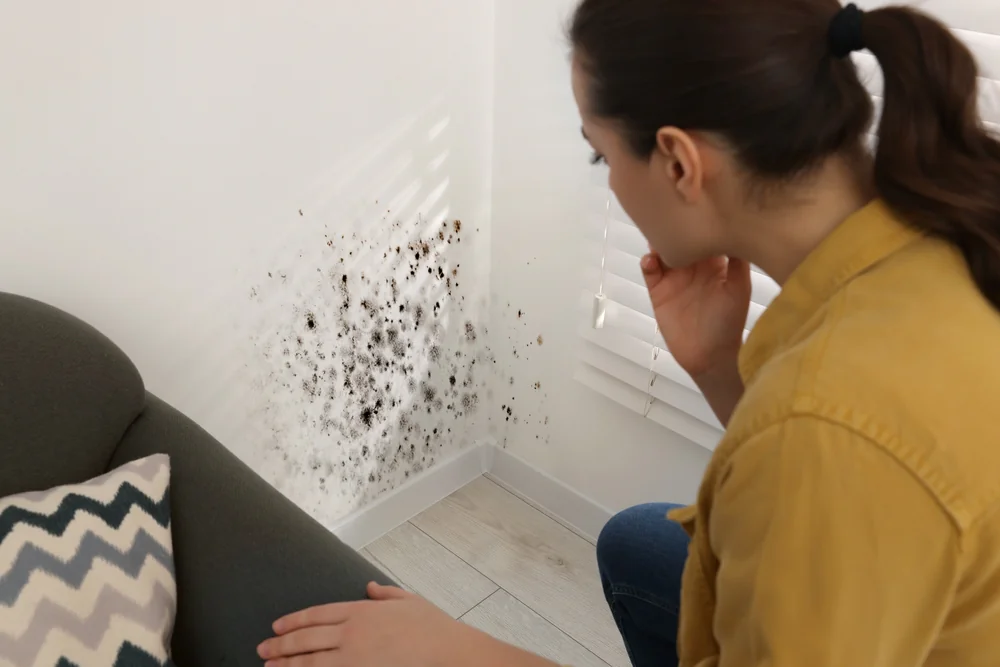
First, we assess the full scope of contamination. That means more than looking at the visible mold on your bathroom ceiling. We use moisture detection equipment to find hidden growth behind walls, under flooring, and in areas you’d never think to check.
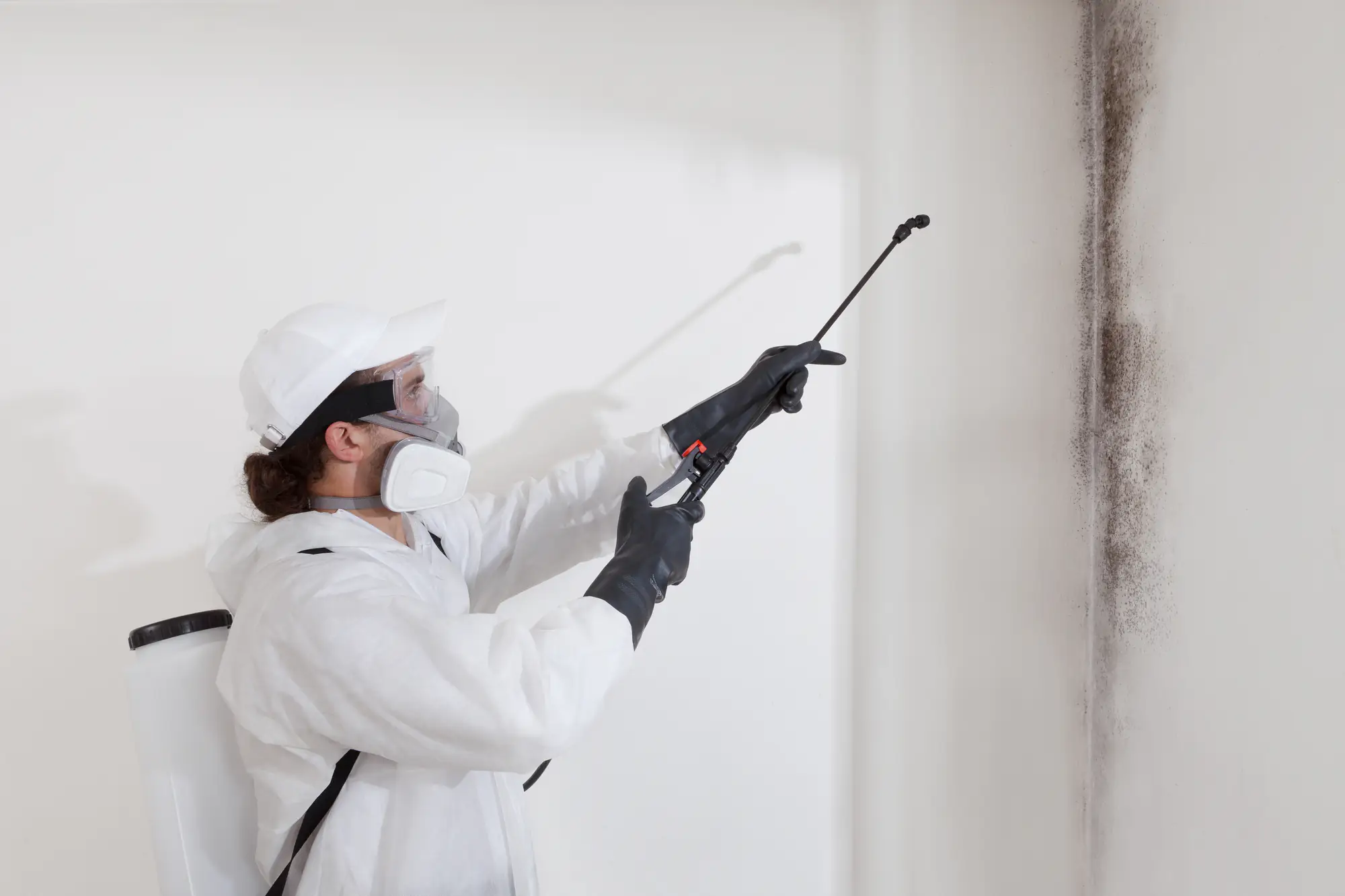
Next, we contain the affected area with physical barriers and negative air pressure systems. This keeps mold spores from spreading to clean parts of your home during removal. Then we remove contaminated materials, treat surfaces with antimicrobial solutions, and use HEPA air scrubbers to filter airborne spores.
After removal, we address the moisture source. Leaky pipes, poor ventilation, humidity issues—whatever caused the mold in the first place gets identified and documented. If you’re filing an insurance claim, we provide the detailed reports and photos your carrier needs.
Finally, we verify the work with post-remediation testing to confirm air quality is back to safe levels. You’re not taking our word for it. You’re seeing the data that proves the job is done.
Ready to get started?
You’re getting a full-scope mold mitigation service that covers inspection, containment, removal, treatment, and verification. We handle black mold mitigation, attic mold mitigation, crawl space mold mitigation, and water mold restoration with the same level of care and precision.
In Skippack and throughout Bucks County, we see recurring issues with basement moisture from groundwater intrusion, attic mold from roof leaks and poor ventilation, and crawl space contamination from standing water and humidity. Pennsylvania’s climate creates perfect conditions for mold growth, especially in homes built before modern moisture barriers and HVAC systems became standard.
We document everything for insurance purposes. Most homeowners don’t realize their standard policy may only cover $1,000 to $10,000 in mold damage, and only if the cause is sudden and accidental. We help you understand what’s covered, provide the documentation your adjuster needs, and work within the scope of your claim whenever possible.
You’re also getting prevention guidance. We’ll tell you what needs to change to keep mold from coming back—whether that’s fixing a plumbing issue, improving ventilation, or addressing drainage problems around your foundation.
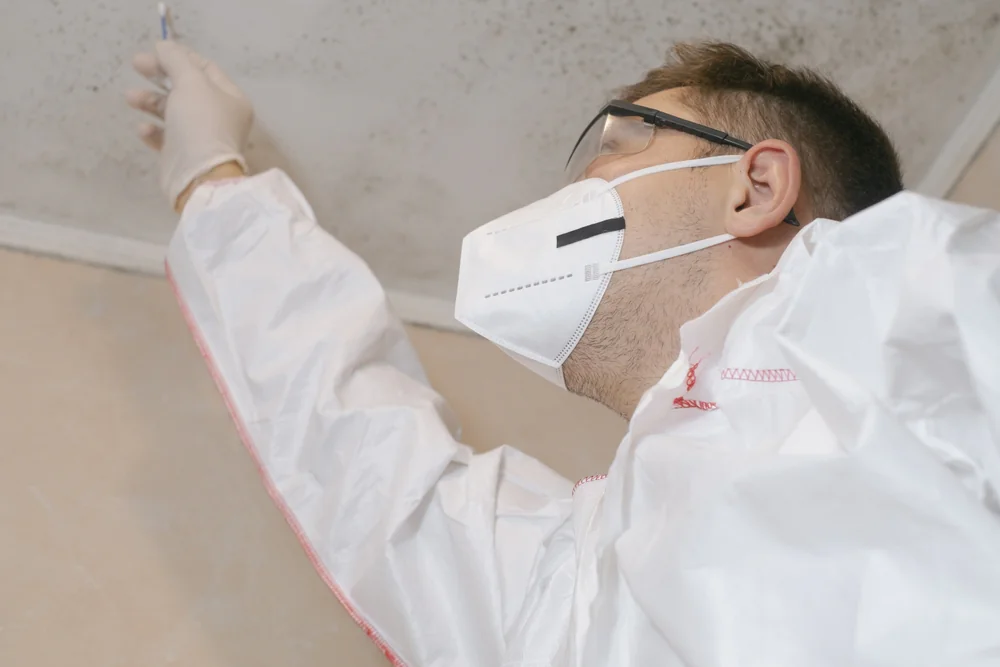
Most mold mitigation projects in Skippack run between $1,500 and $9,000, depending on the size of the affected area, the type of mold, and how much material needs to be removed. A small bathroom with surface mold costs far less than a full basement or attic with structural contamination.
The price includes inspection, containment, removal, treatment, and post-remediation testing. If you’re dealing with black mold or extensive water damage, expect costs on the higher end because the process requires more intensive containment and safety protocols.
Insurance may cover part of the cost if the mold resulted from a covered peril like a burst pipe or storm damage. We provide detailed documentation to support your claim, but it’s worth knowing that most policies cap mold coverage between $1,000 and $10,000, and some exclude it entirely if the damage was gradual or due to lack of maintenance.
A typical mold mitigation project takes three to seven days, depending on the extent of contamination and how long it takes to dry out affected areas. Small, contained jobs can be finished in a day or two. Larger projects involving multiple rooms, structural materials, or severe water damage take longer.
The timeline includes initial inspection, setting up containment, removing contaminated materials, treating surfaces, running air scrubbers, and conducting post-remediation testing. Drying time is often the longest phase—if there’s still moisture in your walls or subfloor, we can’t close out the job because mold will just come back.
We move as quickly as possible without cutting corners. Mold spreads fast, so we prioritize emergency response and work efficiently to limit your disruption. But we won’t rush through steps that matter for your safety and the long-term success of the remediation.
It depends on the size and location of the contaminated area. If we’re treating a small section of your basement or a single bathroom, you can usually stay in your home as long as we’ve properly contained the work zone and you’re not experiencing health symptoms.
For larger projects involving black mold, extensive attic or crawl space contamination, or areas near your HVAC system, we may recommend staying elsewhere during active removal. Containment barriers and negative air pressure keep spores from spreading, but sensitive individuals—especially those with asthma, allergies, or compromised immune systems—are better off avoiding exposure entirely.
We’ll give you an honest assessment during the inspection. If it’s safe to stay, we’ll tell you. If it’s not, we’ll explain why and give you a realistic timeline for when you can return. Your health isn’t something to gamble with, and we’d rather have you stay with family for a few days than risk making symptoms worse.
Mold removal and mold mitigation are often used interchangeably, but technically, mitigation is the more accurate term. You can’t remove every single mold spore from a property—they exist naturally in the air. What you can do is reduce contamination to safe, normal levels and eliminate the conditions that allowed mold to grow in the first place.
Mold mitigation involves identifying the moisture source, removing contaminated materials, treating affected surfaces, and restoring air quality to acceptable levels. It’s a comprehensive process that addresses both the visible mold and the underlying problem.
Some companies use “mold removal” in their marketing because that’s what people search for, but the actual work is mitigation. We’re not just scrubbing mold off a wall and calling it done. We’re containing the area, removing porous materials that can’t be saved, treating what can be cleaned, and verifying with testing that spore counts are back to normal. That’s what protects your home long-term.
Mold will come back if the moisture problem isn’t fixed. That’s the hard truth. You can remove every trace of contamination, but if you still have a leaky pipe, poor ventilation, or water seeping through your foundation, you’re just buying time until it grows again.
Professional mold mitigation includes identifying and documenting the moisture source. We’ll tell you what’s causing the problem—whether it’s a plumbing issue, roof damage, condensation from your HVAC system, or groundwater intrusion. Some fixes are simple. Others require a plumber, roofer, or waterproofing contractor.
Once the moisture issue is resolved and the mold is properly removed, the chances of recurrence drop significantly. We also provide guidance on humidity control, ventilation improvements, and maintenance habits that reduce risk. If you address the root cause and follow through on the recommendations, mold shouldn’t be a recurring problem in your home.
Not always. If you can see mold and you know you have a moisture problem, a separate inspection usually isn’t necessary. We can assess the contamination, identify the source, and start mitigation right away.
However, if you’re buying or selling a home, dealing with an insurance claim, or experiencing health symptoms but can’t find visible mold, a formal inspection with lab testing may be worth it. Testing identifies the type of mold, measures spore counts, and provides documentation that’s useful for legal or insurance purposes.
We offer inspection services as part of our process, using moisture meters and infrared cameras to find hidden contamination. If lab testing is needed, we can arrange it. But for most residential mold mitigation projects in Skippack, the presence of mold and moisture is obvious enough that we can move straight to remediation and save you the cost of a separate inspection.
Other Services we provide in Skippack