
Hear from Our Customers
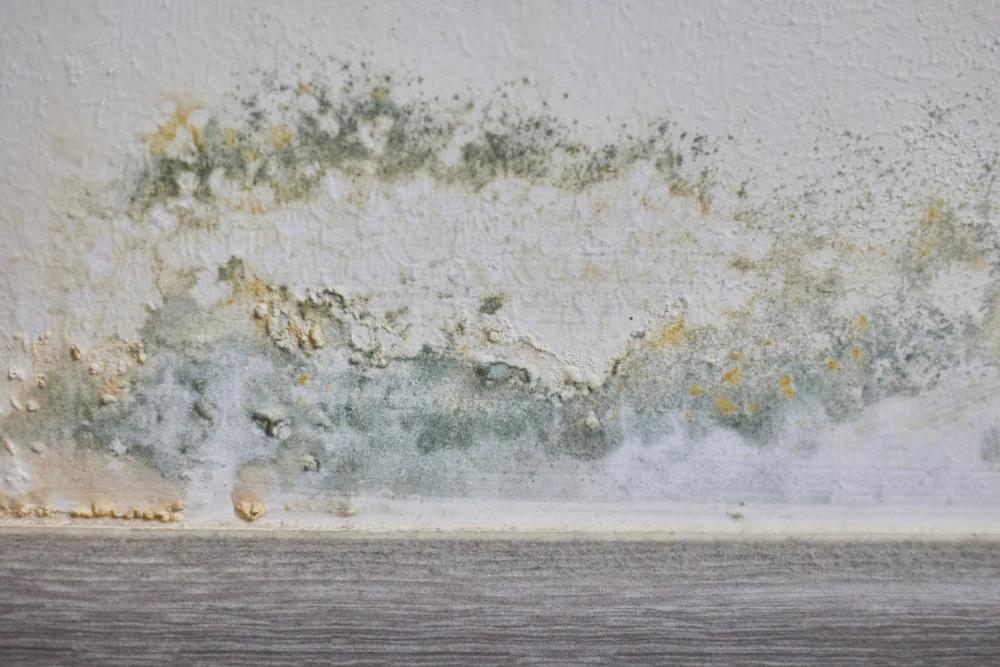
When you catch mold early, you’re looking at a few hundred to maybe a couple thousand dollars in mitigation. Wait too long, and you could be staring down $10,000 or more in full remediation, not to mention what it does to your property value.
Homes in Roslyn weren’t built for today’s humidity levels. Most of the housing stock here went up between 1940 and 1969, before modern moisture barriers and ventilation standards existed. That means basements stay damp, crawl spaces trap moisture, and older windows create condensation problems that newer builds don’t deal with.
Black mold mitigation isn’t something you want to gamble on. The health risks are real—chronic sinus infections, asthma flare-ups, respiratory issues that don’t go away. And if you’re thinking about selling, unaddressed mold can tank your home value by 20% or more before you even list it.
We’ve been handling mold problems across Bucks County for years. We’re not a national franchise following a script—we’re local, and we understand what happens to older homes in this climate.
Roslyn’s humidity doesn’t mess around. Summer months regularly push past 70% humidity, and when you combine that with homes that have original foundations, outdated HVAC systems, and minimal vapor barriers, you get the perfect breeding ground for mold growth.
We use thermal imaging, moisture meters, and lab-certified air sampling to find problems you can’t see. And we don’t just show up and spray something on your walls. Every job starts with a free inspection so you know exactly what you’re dealing with before any work begins.
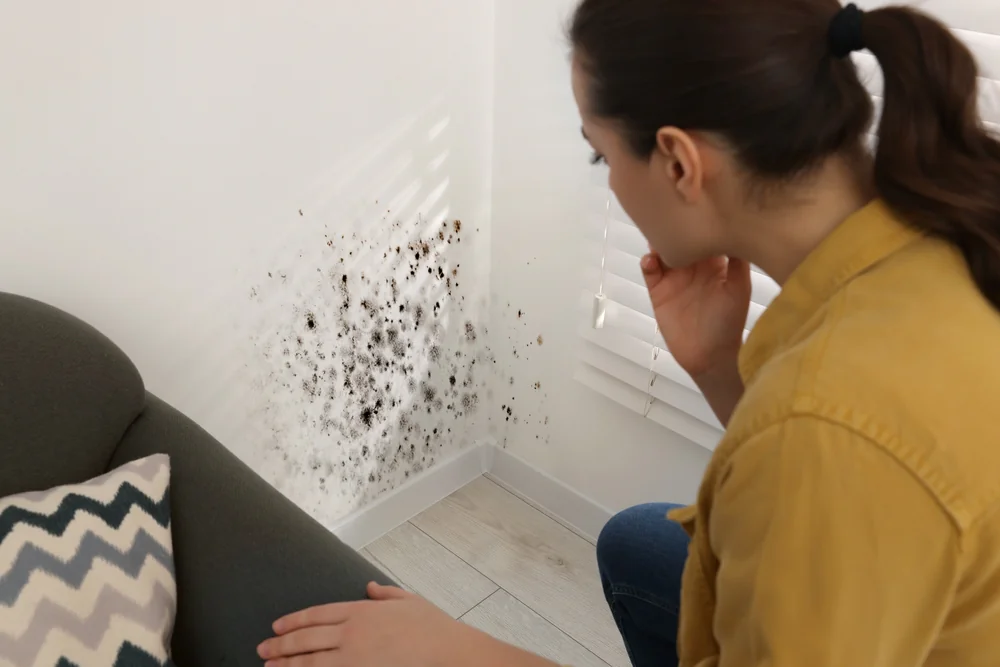
First, we come out for a free inspection. That means a certified inspector walks your property with moisture meters and thermal imaging cameras to identify where water is getting in and where mold is growing—even behind walls or under flooring.
Next, we collect air samples and send them to a certified lab. You’ll get a report that tells you what species of mold you’re dealing with, the concentration levels, and whether it’s a health risk. No guessing, no vague “you’ve got mold” diagnosis.
Then we map out a mitigation plan. If we’re within that 24-48 hour window after water damage, we can often dry out materials before mold even establishes. If growth has already started, we contain the area, remove contaminated materials safely, treat affected surfaces, and set up air filtration to keep spores from spreading.
Once mitigation is complete, we retest the air to confirm levels are back to normal. You get documentation for your records and for insurance if you’re filing a claim. And we’ll walk you through what caused it so you can prevent it from happening again.
Ready to get started?
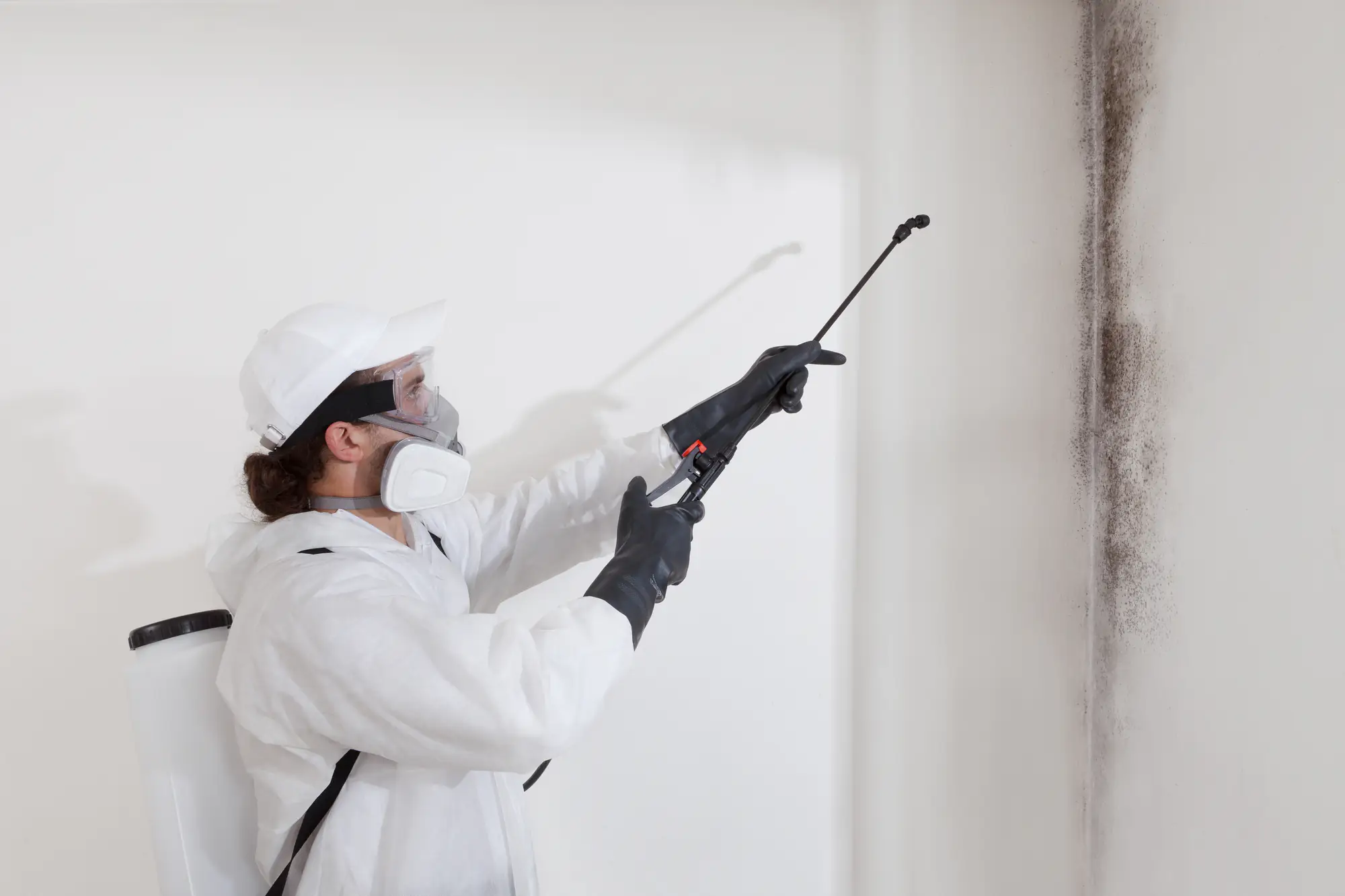
Mold mitigation services cover the full scope—not just scrubbing visible growth off a wall. You’re getting containment barriers to stop spores from traveling to clean areas of your home. You’re getting HEPA filtration running continuously during the job. You’re getting safe removal and disposal of materials that can’t be saved.
In Roslyn, basement mold cleanup is one of the most common calls we get. Older homes here have stone foundations, minimal waterproofing, and drainage issues that send water straight into the lowest level of your house. We address the moisture source, not just the symptom.
We also handle insurance documentation. Most homeowners don’t realize that mold coverage varies wildly depending on your policy and what caused the moisture problem in the first place. We’ll photograph everything, provide detailed reports, and give you the paperwork you need to file a claim if water damage is covered.
And if you’re selling a home or buying one, we offer pre-sale inspections and buyer-requested testing. You’d be surprised how many deals fall apart because a home inspector finds elevated moisture levels and the buyer walks. Getting ahead of it saves you time, money, and a lot of stress.
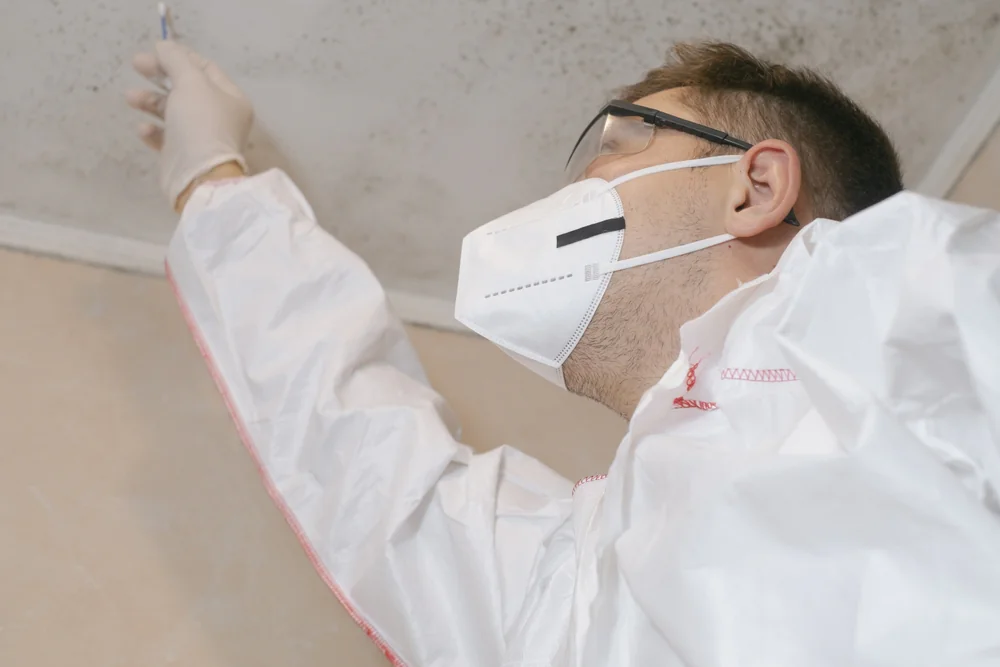
Mold can start growing within 24 to 48 hours after materials get wet. That’s not a maybe—it’s the EPA’s official timeline, and it’s why speed matters more than anything else when you’re dealing with a leak, flood, or humidity problem.
If you dry out the affected area within that window, you can often prevent mold from establishing at all. But once it takes hold, you’re not just dealing with surface growth. Mold spreads through microscopic spores that travel through your HVAC system, settle on furniture, and colonize in places you’d never think to check.
In Roslyn’s climate, that timeline can be even shorter during summer months when indoor humidity is already elevated. Basements, crawl spaces, and areas with poor airflow are especially vulnerable. The takeaway: don’t wait to see if it dries on its own. It won’t.
Mitigation is what you do early to stop mold from becoming a bigger problem. Remediation is what happens when it’s already spread and you need full-scale removal and treatment.
Think of mitigation as damage control. If you’ve had a pipe burst or a roof leak, mitigation means drying everything out fast, treating surfaces before mold establishes, and monitoring moisture levels to make sure nothing’s been missed. It’s less invasive, less expensive, and keeps the problem contained.
Remediation is the heavy lifting. That’s when you’re removing drywall, tearing out insulation, sealing off rooms with plastic barriers, and running industrial air scrubbers for days. It costs more, takes longer, and usually means you’re dealing with contamination that’s been growing for weeks or months. If you catch it early, you can mitigate mold damage instead of remediating a full infestation—and that’s a much better position to be in.
It depends on what caused the moisture problem. If mold resulted from a sudden, accidental event—like a burst pipe, storm damage, or an appliance malfunction—there’s a good chance your policy will cover at least part of the mitigation cost.
But if the mold is from long-term neglect, poor maintenance, or gradual issues like a slow leak you didn’t fix, most insurance companies won’t pay. They consider that a homeowner responsibility, not a covered peril.
Here’s where it gets tricky: even if the water damage is covered, your policy might have a separate, lower limit for mold-related claims. Some policies cap mold coverage at $10,000 or less, regardless of how much the full job costs. That’s why documentation matters. We provide detailed reports, photos, moisture readings, and lab results so you have everything you need to file a claim. And if your insurer pushes back, you’ve got hard evidence showing the scope of the problem and the work that was done.
If it’s a tiny spot on a non-porous surface—like a little mildew on a bathroom tile—sure, you can wipe it down with a bleach solution and call it a day. But if you’re dealing with anything larger than a few square feet, or if it’s on porous materials like drywall, wood, or insulation, you’re in over your head.
Here’s why: visible mold is only part of the problem. What you see on the surface is the fruiting body. The real issue is the root structure growing into the material, plus the airborne spores you’re releasing every time you disturb it. Without proper containment, HEPA filtration, and protective equipment, you’re just spreading contamination to other parts of your home.
And if you’re dealing with black mold mitigation, the health risks go up significantly. Toxic mold species release mycotoxins that can cause serious respiratory issues, neurological symptoms, and long-term health problems. DIY mold cleanup might save you a few bucks upfront, but it usually leads to bigger problems down the road—either because the mold comes back or because you’ve exposed your family to harmful spores in the process.
You might not see it, but your nose and your body will give you clues. Musty odors that don’t go away, even after cleaning, are a dead giveaway. So are unexplained health symptoms—chronic sinus congestion, headaches, coughing, or allergy-like reactions that get worse when you’re home and better when you leave.
Other signs include water stains on ceilings or walls, peeling paint, warped flooring, or condensation on windows that never seems to dry. If you’ve had any past water damage—even if it was months or years ago—there’s a chance mold established itself in hidden areas like wall cavities, under flooring, or in your HVAC ducts.
The only way to know for sure is to bring in a certified inspector with the right equipment. We use thermal imaging cameras to detect temperature differences that indicate moisture buildup, and moisture meters to measure water content in materials you can’t see. Then we take air samples and compare indoor spore levels to outdoor baselines. If your indoor counts are significantly higher, you’ve got growth somewhere—and we’ll find it.
For a standard inspection, you’re typically looking at $400 to $600, though we offer free inspections to help you understand what you’re dealing with before committing to anything. Actual mitigation costs depend on the size of the affected area, the type of mold, and how much material needs to be removed or treated.
A small, contained job—like treating a section of basement wall after a minor leak—might run $1,500 to $3,000. Larger projects involving multiple rooms, extensive contamination, or structural materials like floor joists can easily hit $10,000 to $20,000 or more.
Here’s the thing: the longer you wait, the more expensive it gets. Mold doesn’t stay in one spot. It spreads, and every day you delay means more materials get contaminated, more spores circulate through your home, and more damage accumulates. Catching it early isn’t just better for your health—it’s better for your wallet. We give you upfront pricing before any work starts, so there are no surprises. And if insurance is involved, we’ll help you document everything to maximize your claim.
Other Services we provide in Roslyn