
Hear from Our Customers
You stop waking up congested. Your kids’ allergies calm down. That musty smell in the basement finally disappears.
The air in your home feels lighter because it is—our HEPA filtration removes 99.97% of airborne mold spores during the job. You’re not masking the problem or waiting to see if it gets worse.
When we’re done, you get post-remediation testing that confirms mold levels are back below safe thresholds. That’s not a guarantee we throw around lightly. It’s documentation you can show your insurance company, your realtor, or just keep for your own peace of mind.
Most jobs wrap in three to five days. You’re not displaced for weeks. You’re not wondering if the crew knows what they’re doing. You’re getting your home back—and it’s actually fixed.
We work throughout Bucks County, and we’ve seen what happens when mold mitigation gets done halfway. Homes in Quakertown deal with older construction, humid summers, and basements that weren’t built with modern moisture barriers. That’s not your fault—it’s just reality here.
We’re IICRC certified, which means our team follows the same protocols used nationwide by restoration professionals. We’re not learning on your property. Every job starts with moisture mapping and infrared scanning to find what’s hidden behind walls or under floors.
You’ll work with a local crew that shows up when we say we will, explains what we’re doing in plain terms, and leaves your home cleaner than we found it. No runaround. No surprise charges.
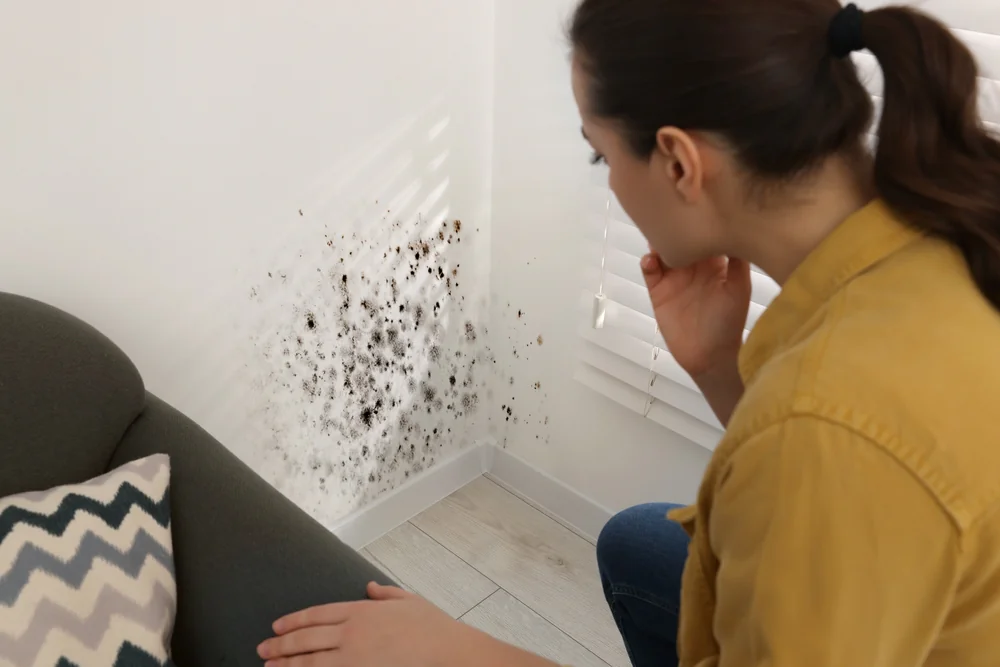
First, we inspect. That means moisture meters, infrared cameras, and a real conversation about where you’ve noticed problems. We’re looking for the source—not just the visible mold.
Then we contain the area. Plastic sheeting and negative air pressure keep spores from spreading to other rooms while we work. This isn’t optional. It’s how you protect the rest of your home.
Next comes removal. Depending on what we find, that could mean HEPA vacuuming, antimicrobial treatment, or removing materials that are too damaged to save. We don’t guess. If drywall or insulation is compromised, we tell you.
After that, we dry and dehumidify. Mold needs moisture. We pull humidity levels down and keep them there until the area is bone dry. This step takes as long as it takes.
Finally, we test. Air samples go to a third-party lab. You get results that show spore counts are back to normal. That’s how you know the job is done right.
Ready to get started?
You’re paying for someone to find the leak in your crawl space that’s been feeding mold for six months. To set up containment so your upstairs bedrooms don’t get cross-contaminated. To run air scrubbers for 72 hours straight if that’s what the job requires.
In Quakertown, we see a lot of attic mold from poor ventilation and crawl space issues from groundwater. Older homes here weren’t designed with vapor barriers, and summer humidity makes everything worse. We deal with that constantly.
Black mold mitigation gets the most attention, but honestly, all mold needs to go. Whether it’s in your bathroom, your HVAC system, or behind your washing machine, the process is the same: find it, contain it, remove it, and fix what caused it.
We also handle water mold restoration after flooding or pipe bursts. If you’ve had water damage in the last 48 hours, you’re on the clock. Mold starts growing fast, and the longer you wait, the bigger the problem gets.
Every job includes documentation for your insurance company. We’ve worked with most of the major carriers, and we know what they need to process your claim. You shouldn’t have to fight for coverage on top of everything else.
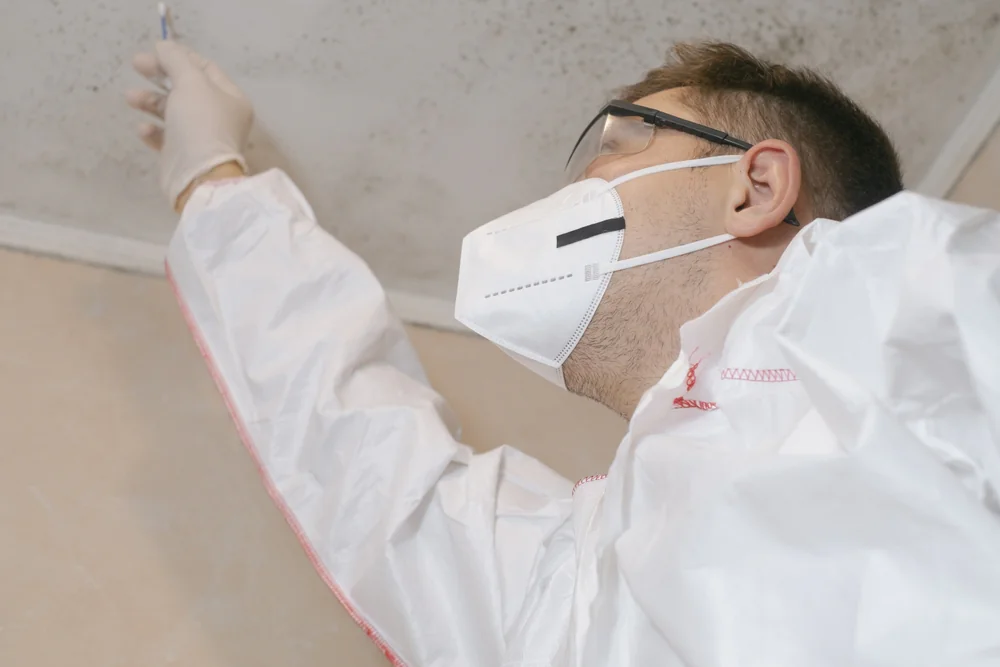
Most residential jobs take three to five days from start to finish. That includes inspection, containment, removal, drying, and final testing.
The timeline depends on how much mold we find and where it’s located. A small bathroom with surface mold might be done in two days. A finished basement with mold behind drywall and in the HVAC system could take a week.
We don’t rush the drying phase. Even after visible mold is gone, moisture levels need to drop below 15% to prevent regrowth. We use dehumidifiers and air movers to get there, and we monitor with meters daily. You’ll know the timeline upfront, and we’ll update you if anything changes.
It depends on what caused the mold. If it’s from a sudden event—like a burst pipe, roof leak during a storm, or appliance failure—most policies cover it. If it’s from long-term neglect or maintenance issues, probably not.
We work with your insurance company directly. That means we document everything with photos, moisture readings, and detailed notes. We’ll submit the claim paperwork and communicate with the adjuster so you’re not stuck playing middleman.
Some policies have mold caps, usually between $5,000 and $10,000. We’ll let you know upfront if your situation is likely to exceed that. The worst thing we can do is surprise you with a bill after the work is done.
Sometimes, yes. If mold is only on the surface and the material underneath isn’t compromised, we can treat and clean it. But if it’s grown into porous materials like drywall, insulation, or wood framing, those sections need to come out.
Mold has roots. You can scrub the surface all day, but if it’s embedded in the material, it’ll come back. We use moisture meters and inspection cameras to see how deep it goes before we make the call.
When we do remove drywall, we only take out what’s necessary. We’re not here to gut your house for no reason. And we can refer you to trusted contractors for the rebuild if you need that. Our job is to get the mold out and make sure the structure is dry and safe.
Honestly, most people use the terms interchangeably, and so do we. Technically, remediation means bringing mold levels back to normal—not zero, because mold spores exist everywhere. Mitigation focuses on reducing the immediate risk and preventing spread.
In practice, the work is the same. We’re containing the area, removing contaminated materials, cleaning what can be saved, and addressing the moisture source. The goal is always to get your indoor air quality back to safe levels.
What matters more than the terminology is whether the company doing the work is certified and follows proper protocols. IICRC standards are the industry benchmark. If someone’s offering a “mold treatment” that involves spraying something and walking away, that’s not remediation or mitigation—that’s a shortcut.
If you’ve had water damage in the last 24 to 48 hours, that’s an emergency. Mold can start growing within a day, and the longer water sits, the worse it gets. Burst pipes, sewage backups, and flooding all qualify.
You should also call immediately if someone in your home is having serious respiratory symptoms—difficulty breathing, constant coughing, or asthma attacks that won’t let up. Mold exposure hits kids, elderly family members, and anyone with compromised immune systems the hardest.
We offer 24/7 response because we know mold doesn’t wait for business hours. When you call, we’ll ask a few questions to assess urgency and get a crew scheduled. If it’s truly an emergency, we’ll be there that day. If it’s something that’s been going on for a while, we’ll still get you on the schedule fast—but you’re not in crisis mode.
Moisture. Every single time. If the source of water or humidity isn’t fixed, mold will return no matter how thoroughly it’s removed.
That could be a slow leak behind a wall, condensation from poor attic ventilation, groundwater seeping into your crawl space, or even a bathroom exhaust fan that vents into the attic instead of outside. We see all of it in Quakertown, especially in older homes.
During our inspection, we don’t just look for mold—we look for why it’s there. We’ll tell you if your gutters are overflowing and soaking your foundation, if your dehumidifier isn’t keeping up, or if you need better airflow in your basement. Fixing those things isn’t always part of the mold job itself, but we’ll point you in the right direction. Otherwise, you’re just paying to remove the same mold twice.
Other Services we provide in Quakertown