
Hear from Our Customers
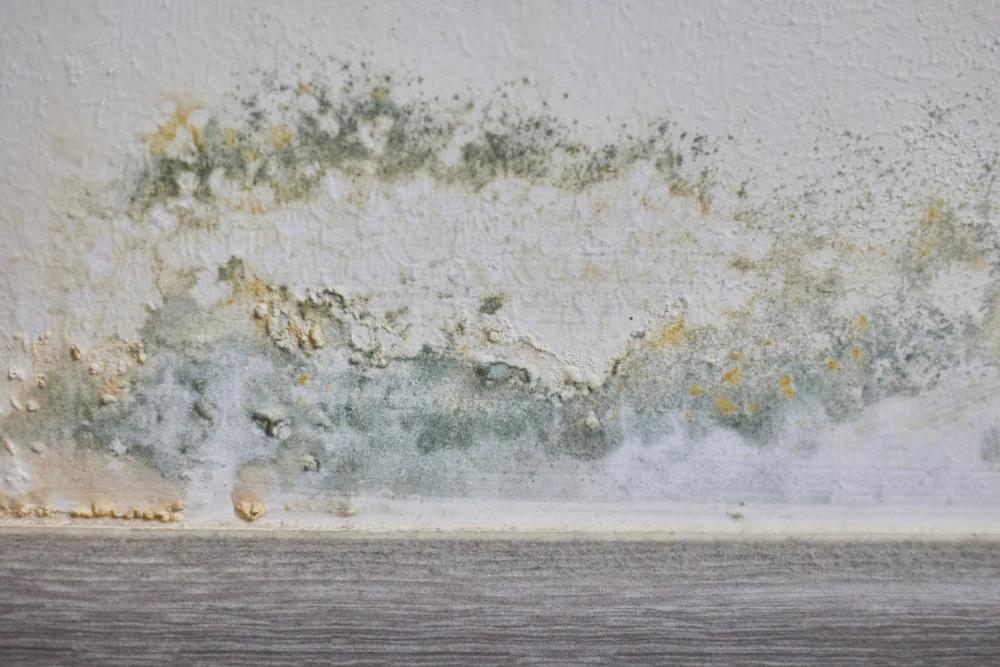
You stop waking up congested. Your kids aren’t coughing at night. The musty smell in the basement finally disappears.
That’s what real mold mitigation does. It doesn’t cover up the problem or scrub away surface stains. It removes every trace of active mold, identifies what caused it, and fixes the moisture issue so it doesn’t grow back in three weeks.
You’re not just paying for cleanup. You’re getting your air quality back. You’re protecting your property value. And you’re done worrying whether that dark spot behind the water heater is going to turn into a bigger problem while you’re trying to sell.
Most mold issues in Pottstown start the same way—older homes, basement moisture, humidity that sits too long after a storm. We’ve seen it in hundreds of homes across Bucks County. The difference is whether you catch it early and handle it right, or let it spread into your HVAC system and behind your drywall.
We serve families throughout Pottstown and Bucks County with one focus: creating healthy homes. We’re not a national franchise following a script. We’re local, we know how homes here are built, and we understand why mold keeps showing up in basements with stone foundations and crawl spaces that don’t get enough airflow.
We use EPA-approved methods, advanced detection equipment, and a process that actually addresses the source—not just the symptoms. That means moisture meters, infrared cameras, HEPA filtration, and containment systems that keep spores from spreading while we work.
You’ll get a free inspection, a clear explanation of what’s happening, and transparent pricing before we start. No surprises. No upselling. Just honest work that fixes the problem so you can move on.
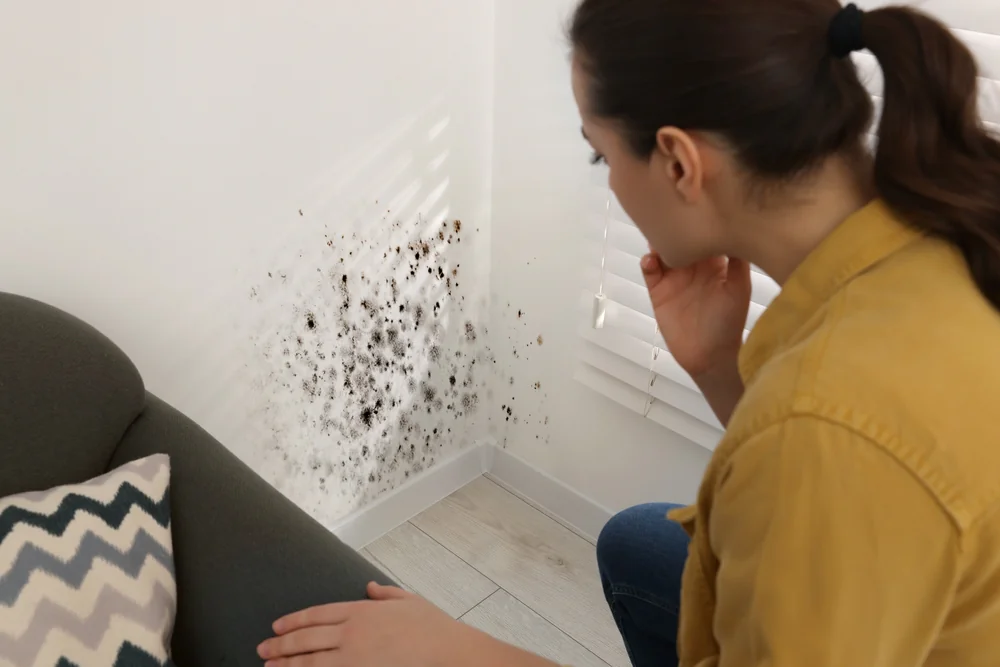
We start with a free inspection. That means walking through your home, checking moisture levels, using infrared cameras to find hidden water intrusion, and identifying where the mold is actually growing—not just where you can see it.
Once we know what we’re dealing with, we’ll explain what needs to happen and why. You’ll get a detailed estimate that breaks down the work, the timeline, and the cost. If insurance is involved, we’ll help with documentation and claims.
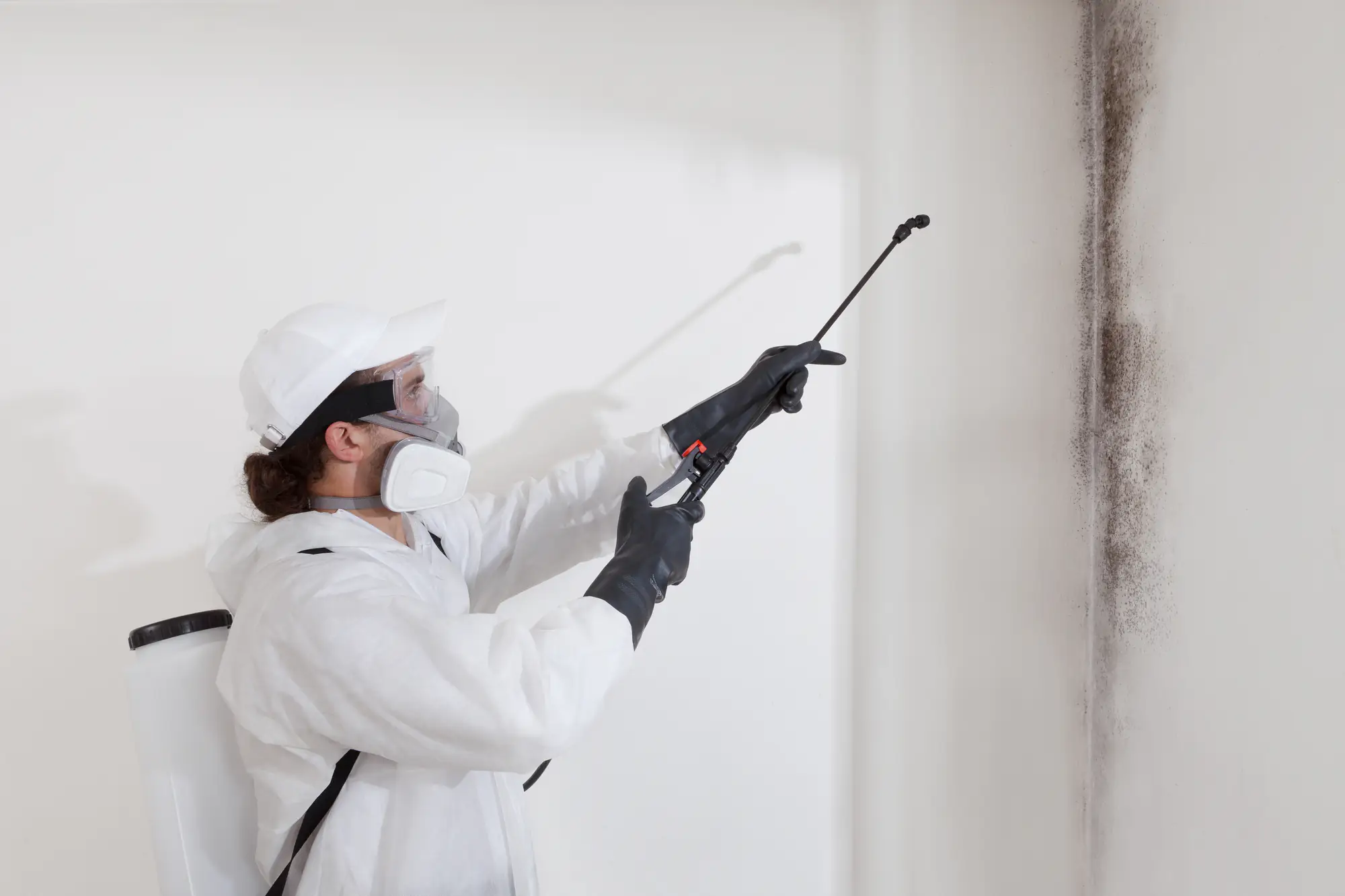
Before removal starts, we seal off the affected area with physical barriers and set up negative air pressure systems. That keeps mold spores from spreading to clean areas of your home while we work. Then we remove contaminated materials, treat surfaces with antimicrobial solutions, and use HEPA vacuums and air scrubbers to capture microscopic spores.
The last step is fixing what caused it. That might mean repairing a leak, improving ventilation, or addressing drainage issues around your foundation. If the source isn’t fixed, the mold will come back. We make sure it doesn’t.
Ready to get started?
Every mold mitigation project includes a full inspection with moisture mapping and infrared imaging to locate hidden growth. You’re not guessing where the problem is—you’re seeing it.
We handle containment and removal using professional-grade equipment: HEPA filtration systems, antimicrobial treatments, and proper disposal of contaminated materials. If drywall, insulation, or flooring needs to come out, we remove it safely and help coordinate the restoration work afterward.
Pottstown’s older housing stock and high groundwater levels make basement mold especially common here. Homes built on stone foundations or with crawl spaces tend to trap moisture, and that creates the perfect environment for mold growth. We see it all the time after heavy storms or during cooling season when humidity spikes.
We also work with your insurance company if the damage is covered. That means documentation, photos, moisture readings, and clear communication so your claim moves forward without unnecessary delays. You shouldn’t have to fight for coverage while mold is actively growing in your home.
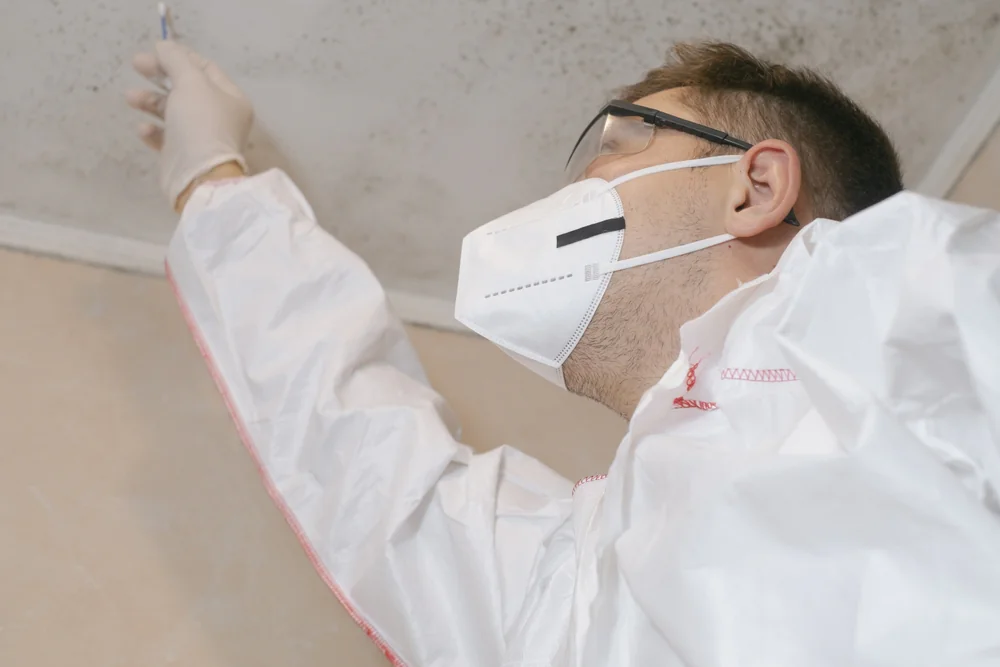
Most residential mold mitigation projects take between two and five days, depending on the size of the affected area and how far the mold has spread. A small basement corner with surface growth might be handled in a day or two. A larger job involving multiple rooms, HVAC contamination, or structural materials like insulation and drywall will take longer.
The timeline also depends on how quickly we can dry out the space and address the moisture source. If there’s an active leak or drainage issue, that needs to be fixed before we can finish the mitigation work. Otherwise, you’re just treating the symptom.
We’ll give you a clear timeline during the inspection so you know what to expect. If something changes during the project—like discovering hidden mold behind a wall—we’ll let you know immediately and explain how it affects the schedule.
It depends on what caused the mold. Most homeowners insurance policies cover mold remediation if it’s the result of a sudden, accidental event—like a burst pipe or storm damage. If the mold developed because of long-term neglect, poor maintenance, or an issue you knew about and didn’t fix, coverage is less likely.
Flood-related mold usually isn’t covered unless you have a separate flood insurance policy with a mold rider. That’s important to know in Pottstown, where basements flood more often than people expect.
We work with insurance companies regularly and can help with documentation, moisture readings, photos, and detailed estimates. If your claim gets denied or disputed, we’ll provide the information you need to appeal. But we’ll also be upfront about what’s likely to be covered and what isn’t, so you can make an informed decision about how to move forward.
Small surface mold on non-porous materials—like a little growth on a bathroom tile—can usually be cleaned with the right products and precautions. But if the mold covers more than ten square feet, if it’s growing on porous materials like drywall or insulation, or if you’re dealing with black mold, you need professional mold mitigation services.
Here’s why: mold spreads through microscopic spores that become airborne when disturbed. If you start scrubbing or tearing out materials without proper containment, you’re sending those spores throughout your home. They’ll settle in your HVAC system, your furniture, and other rooms—and the problem gets worse, not better.
Professional mitigation includes containment systems, HEPA filtration, antimicrobial treatment, and proper disposal. We also find and fix the moisture source, which is something most homeowners miss. If you don’t address what’s causing the mold, it’ll be back in a few weeks no matter how much you scrub.
Mold exposure causes respiratory issues, allergic reactions, and irritation to your eyes, skin, nose, and throat. Symptoms include coughing, wheezing, nasal congestion, sore throat, and skin rashes. If someone in your home has asthma, mold can trigger severe attacks and make existing symptoms much worse.
Research shows that up to 21% of current asthma cases in the U.S. may be linked to dampness and mold in homes. That’s not a small risk—it’s a documented health concern that affects thousands of families.
Young children, elderly family members, and anyone with a compromised immune system are especially vulnerable. Long-term exposure can lead to chronic respiratory problems and persistent allergy symptoms that don’t go away until the mold is removed. If you’re noticing that symptoms improve when you leave the house and return when you come home, that’s a strong indicator that mold is affecting your indoor air quality.
We use moisture meters and infrared cameras to detect water intrusion and temperature differences behind walls, under floors, and in ceilings. Mold grows where moisture sits, and infrared imaging shows us cooler areas where water might be trapped—even if there’s no visible staining or damage on the surface.
We also check common problem areas based on how homes in Pottstown are built: basements with stone foundations, crawl spaces with poor ventilation, attics with roof leaks, and areas around HVAC systems where condensation builds up. Older homes here are especially prone to hidden mold because of how they were constructed and how moisture moves through them.
If we find elevated moisture levels or temperature anomalies, we’ll investigate further—sometimes that means pulling back a section of drywall or lifting flooring to see what’s underneath. It’s better to know the full scope of the problem upfront than to discover it halfway through the project or, worse, after we’ve already left.
Mold removal refers to physically taking out mold growth and contaminated materials. Mold mitigation is the complete process: removing the mold, treating affected areas, addressing the moisture source, and preventing future growth. Mitigation is more comprehensive—it’s not just cleanup, it’s problem-solving.
You can remove visible mold and still have a mold problem if the underlying cause isn’t fixed. That’s why mitigation focuses on both elimination and prevention. We’re not just making it look better. We’re making sure it doesn’t come back.
In Pottstown, where basement moisture and humidity issues are common, mitigation is what actually works. Removal alone is a temporary fix. Mitigation gives you a long-term solution that protects your home and your family’s health.
Other Services we provide in Pottstown