
Hear from Our Customers
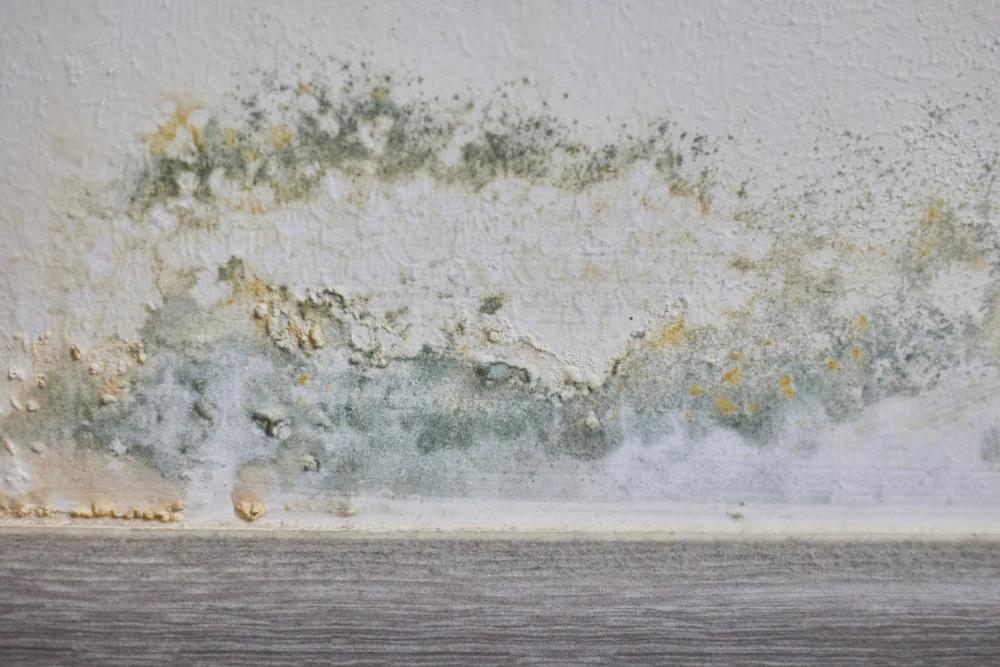
Mold mitigation means more than scrubbing what you can see. It means finding where the moisture is coming from, eliminating the contamination completely, and fixing the conditions that let it grow in the first place.
You’re not just covering up a problem. You’re getting your air quality back, protecting your family from respiratory issues, and making sure the mold doesn’t reappear in a few weeks.
Homes in Plymouth and across Bucks County deal with basement moisture, old plumbing, and humidity issues that create perfect conditions for black mold. If you’ve noticed a musty smell, visible growth, or health symptoms like coughing and throat irritation, waiting only makes it worse. Mold spreads through a property in as little as 48 hours, and hidden contamination behind walls or under flooring can drop your home’s value by 20-37%.
The outcome you’re looking for is simple: a home where you’re not worried about what’s growing in the walls, where your kids can breathe without issues, and where the problem is actually solved.
We’ve been handling mold problems across Plymouth, Bucks County, Montgomery County, and the surrounding areas for years. We’re not a national franchise that shows up with a script—we’re local, and we know what causes mold issues in Pennsylvania homes.
Older homes in this area have plumbing that leaks, basements that hold moisture, and ventilation that doesn’t move air the way it should. We’ve seen it all, and we know how to fix it right.
We use moisture meters, infrared cameras, and HEPA filtration systems to find contamination you can’t see and remove it without spreading spores through your home. We follow EPA standards and Pennsylvania regulations, and we work directly with your insurance company when coverage applies.
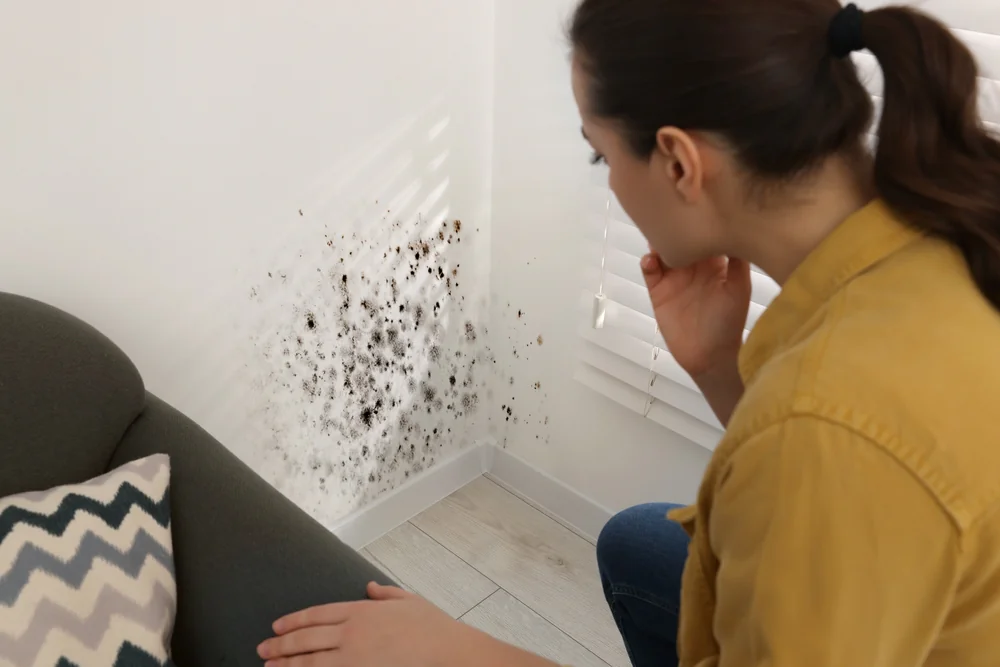
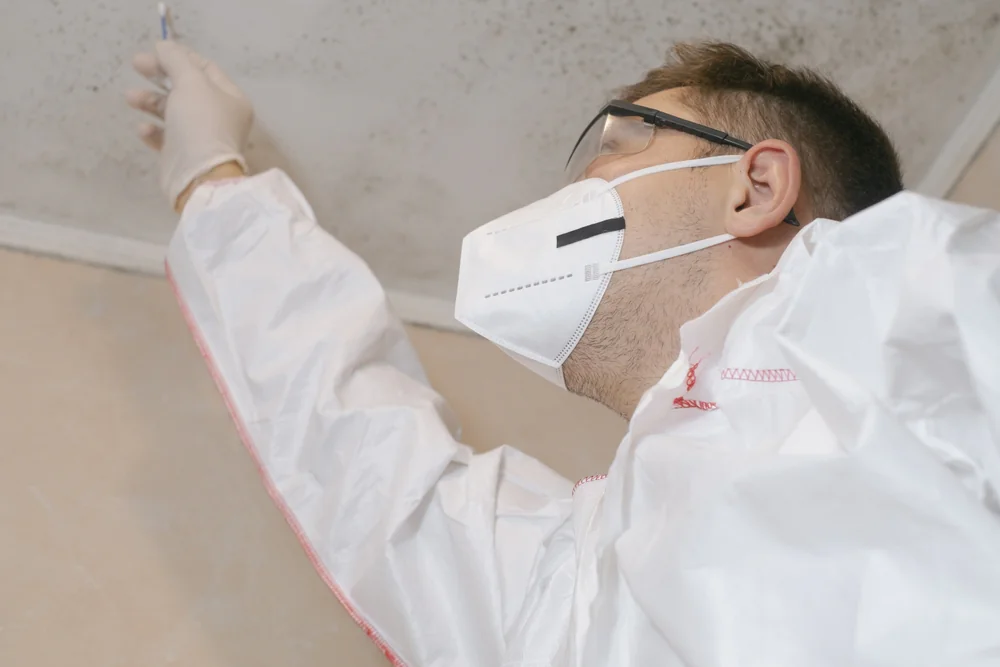
First, we inspect your property to find all the mold—not just what’s visible. We use infrared cameras and moisture meters to detect elevated humidity levels and contamination behind walls, under floors, and in crawl spaces.
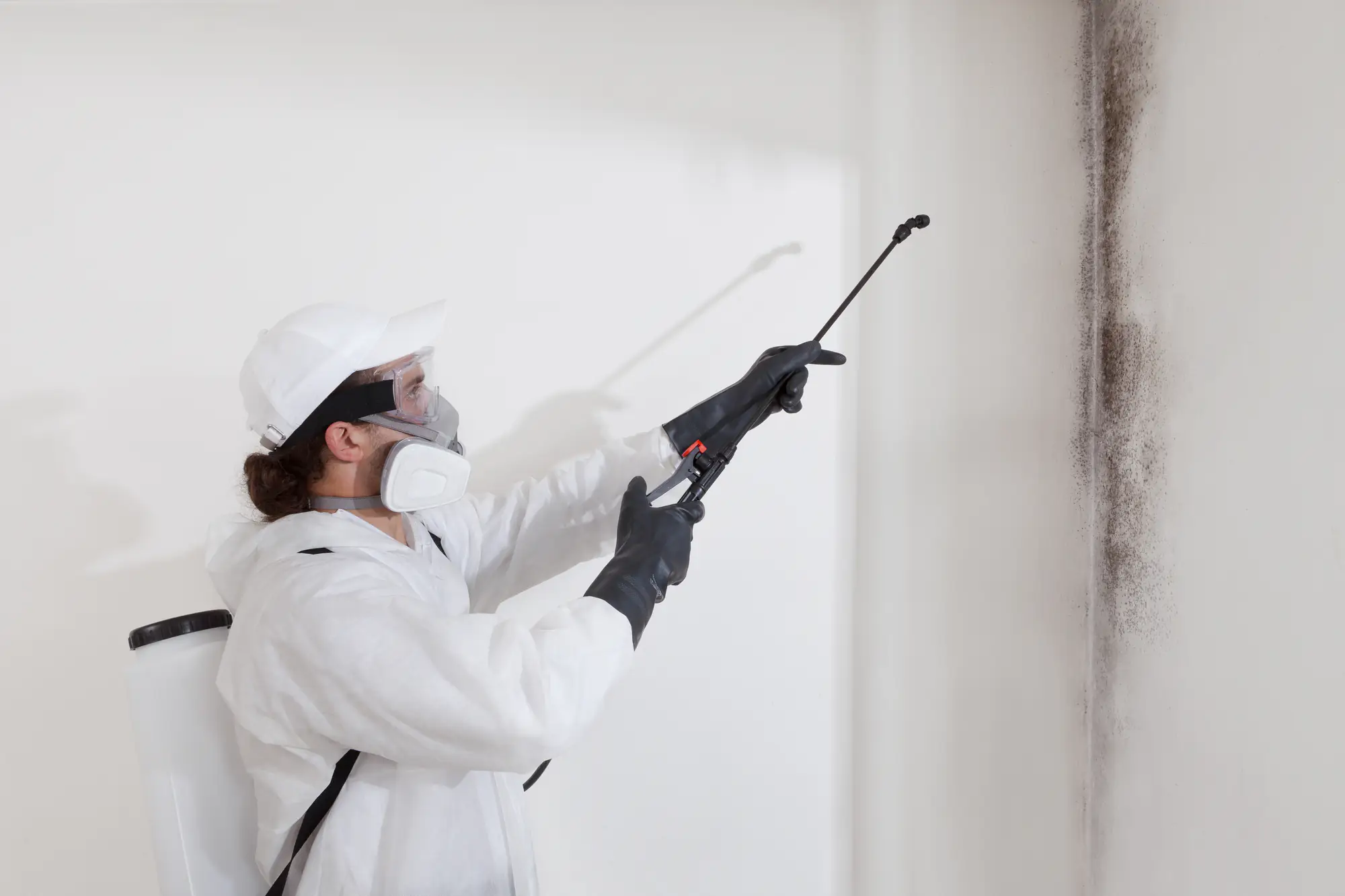
Once we know what we’re dealing with, we contain the affected areas using physical barriers and negative air pressure systems. This keeps spores from spreading to clean parts of your home while we work. Then we bring in HEPA vacuums and air scrubbers to capture microscopic particles during removal.
We don’t just remove the mold. We identify and fix the moisture source—whether that’s repairing a leaking pipe, improving ventilation, or installing a dehumidifier. If the root cause isn’t addressed, you’ll have the same problem again in a few weeks.
After removal, we send samples to an independent certified lab for analysis. This confirms what species of mold was present, the concentration levels, and whether your home is back to safe conditions. You get documentation that shows the job was done right.
Ready to get started?
You get a full inspection with advanced detection technology that finds hidden contamination. We assess moisture levels, identify the source of the problem, and give you a clear explanation of what needs to happen.
Containment comes next—sealing off affected areas so spores don’t spread during removal. We use HEPA filtration and negative air pressure to keep your home’s air quality controlled throughout the process.
Removal involves safely eliminating contaminated materials and cleaning affected surfaces using EPA-approved methods. If drywall, insulation, or flooring is too damaged, we remove and dispose of it properly.
Then we fix the moisture problem. In Plymouth and Bucks County, that often means addressing basement humidity, repairing old plumbing, or improving airflow in areas that trap moisture. Pennsylvania homes—especially older ones—are at higher risk because of these exact issues.
You also get post-remediation testing through an independent lab, documentation for insurance claims if needed, and recommendations to prevent future growth. We’re available 24/7 for emergency response, because mold doesn’t wait for business hours.
Cost depends on the size of the contamination, the type of mold, and what’s causing the moisture problem. In Pennsylvania, homeowners typically pay between $254 and $4,083 for mold testing and mitigation, but extensive contamination that’s spread through multiple rooms can run $3,000 to $20,000.
Early detection saves money. If you catch mold when it’s isolated to one area, mitigation is faster and less invasive. If it’s been spreading for months, you’re looking at more demolition, more materials to replace, and more labor.
We give you upfront pricing before any work starts. You’ll know exactly what the job involves and what it costs, and we’ll work with your insurance company if your policy covers mold damage. Most homeowner policies cover mold if it’s the result of a sudden water event, like a burst pipe, but not if it’s from long-term neglect.
Mold removal means getting rid of visible mold growth. Mold mitigation means reducing mold levels to normal, safe concentrations and fixing the conditions that allowed it to grow.
You can’t remove every single mold spore from a building—mold exists naturally in outdoor air, and some amount will always be present indoors. Mitigation focuses on bringing indoor mold levels back in line with outdoor levels and eliminating the moisture source so it doesn’t regrow.
Mitigating black mold or any other species involves containment, removal, moisture control, and prevention. If someone only removes the mold without addressing why it’s there, you’ll see it again. That’s why real mold mitigation services include identifying leaks, improving ventilation, and controlling humidity—not just scrubbing surfaces.
Most residential mold mitigation projects in Plymouth take 3-7 days, depending on the extent of contamination and what needs to be repaired. Small, isolated areas might be done in a day or two. Larger jobs that involve multiple rooms, demolition, or significant moisture repairs take longer.
The inspection and containment happen fast—usually within 24 hours of your call. Removal and cleaning take a few days, depending on the size of the affected area. Then there’s drying time if we’ve had to repair leaks or remove wet materials.
Post-remediation testing adds another day or two, because samples need to be analyzed by an independent lab. You’ll get results that confirm your home is safe before we close out the project. We don’t rush the process, because doing it right the first time means you won’t be calling us back in a month.
It depends on the size and location of the contamination. If mold is isolated to one area—like a basement or a single bathroom—and we can seal it off completely, you can usually stay in other parts of the house.
If contamination is widespread, or if you have young children, elderly family members, or anyone with asthma or mold allergies, it’s safer to stay elsewhere during active removal. Mold spores become airborne during mitigation, and even with containment and HEPA filtration, sensitive individuals can react.
We’ll tell you upfront whether it’s safe to stay or not. We’re not going to sugarcoat it or tell you it’s fine when it’s not. Your health matters more than convenience, and we’d rather you make an informed decision than take a risk.
Not if the moisture problem is fixed. Mold needs water to grow, so if you eliminate the source of moisture, it won’t return.
That’s why mold mitigation includes identifying and repairing leaks, improving ventilation, and controlling humidity. If your basement stays damp, if a pipe is still dripping behind a wall, or if your bathroom exhaust fan isn’t venting properly, mold will grow again no matter how thoroughly we remove it.
Homes in Plymouth and Bucks County are especially vulnerable because of older plumbing, poor basement drainage, and inadequate airflow in certain areas. We address those issues as part of the mitigation process, and we give you recommendations for maintaining safe humidity levels going forward. If you keep moisture under control, mold won’t come back.
Sometimes. Most homeowners insurance policies in Pennsylvania cover mold if it’s caused by a sudden, accidental water event—like a burst pipe, a leaking appliance, or storm damage. They typically don’t cover mold that results from long-term neglect, poor maintenance, or gradual leaks you didn’t address.
Coverage limits for mold vary by policy. Some policies cap mold remediation at $10,000, while others offer higher limits or require a separate endorsement. You’ll need to check your specific policy or call your insurance company to confirm what’s covered.
We work directly with insurance companies and handle the documentation they need. That includes detailed reports, photos, lab results, and itemized estimates. We’ll help you navigate the claims process and reduce your out-of-pocket costs when coverage applies. If your policy doesn’t cover mold, we offer competitive pricing and transparent estimates so you know exactly what you’re paying for.
Other Services we provide in Plymouth