
Hear from Our Customers
Your home smells clean again. Not just covered up with air freshener, but actually clean because the source is gone.
You stop worrying every time you walk past that bathroom or head down to the basement. The air feels lighter. Your family breathes easier, especially if anyone’s been dealing with allergies, headaches, or that constant stuffy feeling that wouldn’t go away.
Your property value stays protected. When mold gets handled the right way, there’s no lingering damage, no half-finished cleanup that comes back to haunt you during an inspection or sale. You’re not just treating symptoms. You’re eliminating the problem at the root so it doesn’t show up again in three months when the humidity kicks back in.
That’s what professional mold mitigation actually delivers. Not a quick scrub and a prayer, but a complete fix that addresses why the mold showed up in the first place.
We’ve been handling mold problems in Phoenixville and throughout Bucks County for years. We know the older homes here, the basement moisture issues that come with Pennsylvania’s humid summers, and the ventilation problems that plague properties built decades ago.
We’re not a national franchise that shows up, runs through a checklist, and disappears. We’re local. Our team lives and works in this area, and we’re still here after the job’s done.
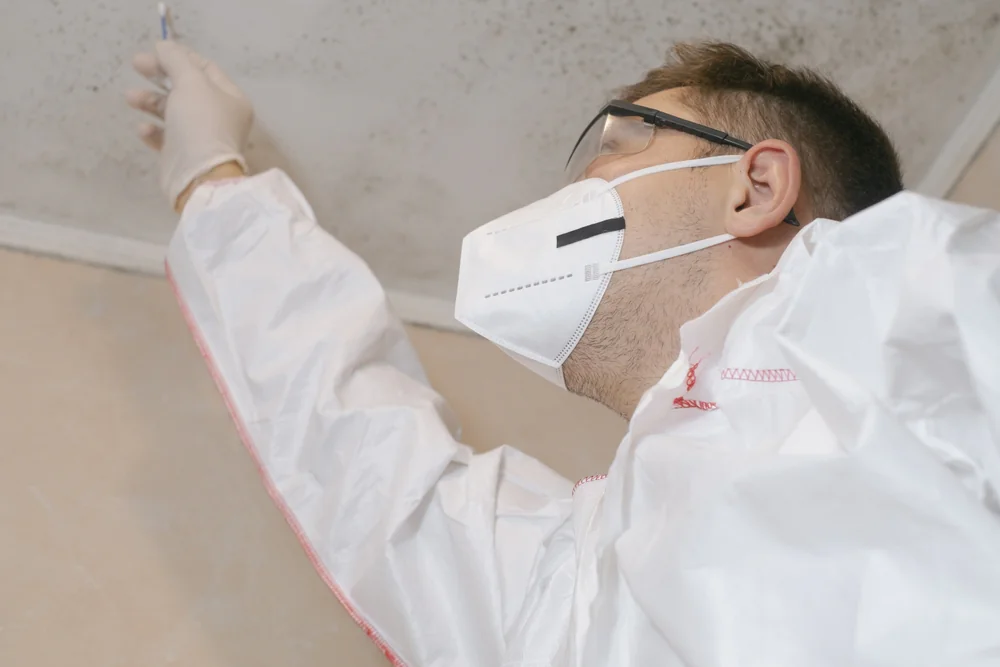
You’ll work with trained technicians who use moisture meters and infrared cameras to find mold you can’t see, who understand how to contain the problem so it doesn’t spread while we’re working, and who know how to fix the moisture source so you’re not calling us back next year.
We start with a free inspection. Not a sales pitch disguised as an inspection, but an actual assessment using moisture meters and infrared cameras to find where the mold is growing and why.
Once we know what we’re dealing with, you get a clear estimate before any work starts. No surprises, no upselling once we’re halfway through the job.
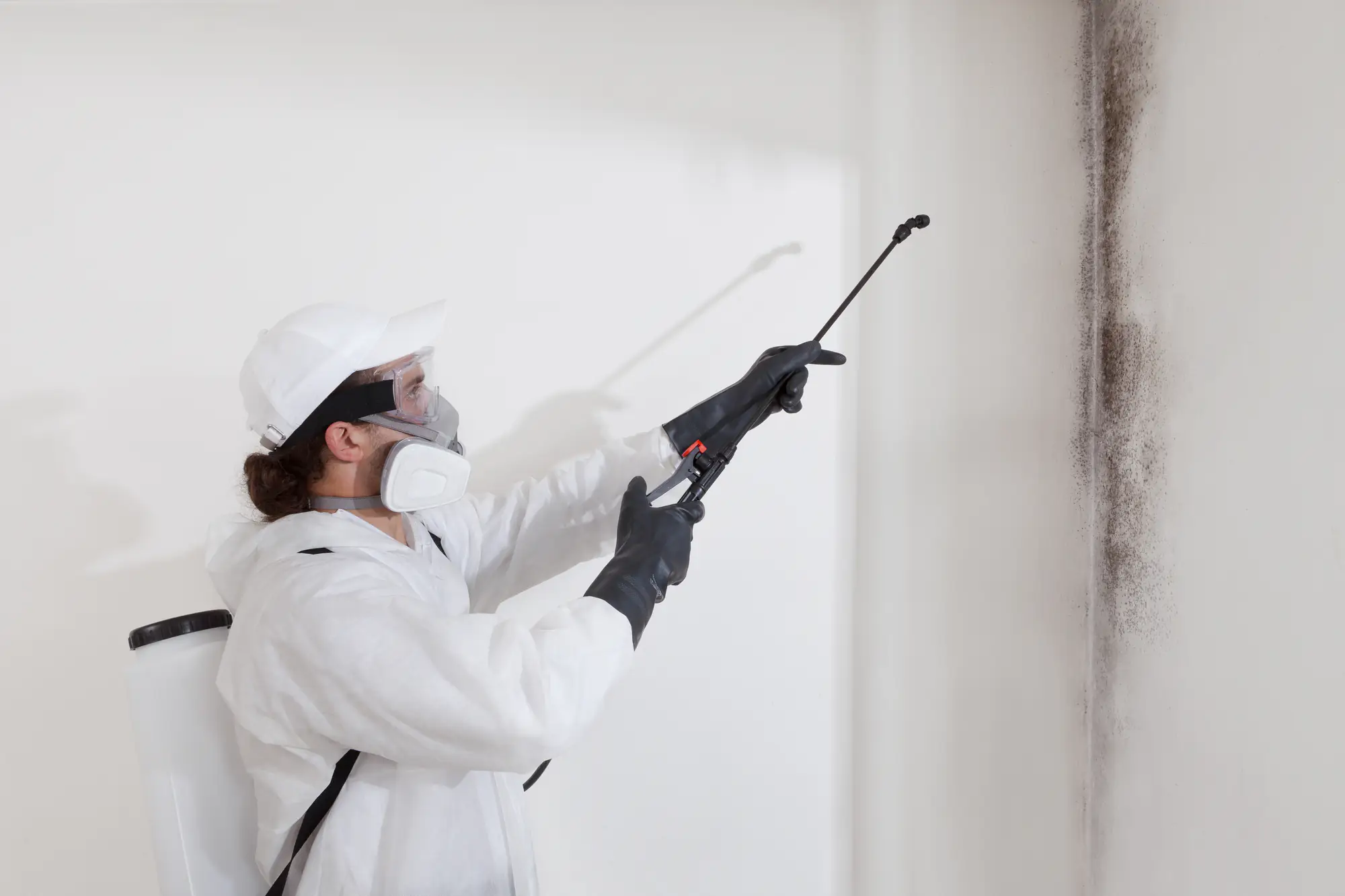
Then we contain the affected area using physical barriers and negative air pressure so mold spores don’t spread to clean parts of your home while we’re working. We remove the contaminated materials, treat the surfaces, and use HEPA vacuums and air scrubbers to clean the air.
But here’s the part that matters most: we identify and fix the moisture source. Whether that’s repairing a leak, improving ventilation, or addressing a drainage issue, we handle what caused the mold so it doesn’t just come back. That’s the difference between mold removal and actual mold mitigation.
Ready to get started?
You get a complete inspection that finds mold hiding behind walls, under floors, and in crawl spaces where most homeowners never think to look. We’re checking for moisture patterns, not just visible growth.
We contain the work area so the rest of your home stays clean. We remove contaminated materials safely and treat affected surfaces with the right products, not just bleach and hope.
We address the moisture problem directly. In Phoenixville, that often means dealing with basement humidity, poor bathroom ventilation, or roof leaks that have been slowly feeding mold growth for months. Pennsylvania’s climate creates perfect conditions for mold, especially in older homes with foundation issues or inadequate airflow.
You also get help navigating insurance claims if your policy covers the damage. We document everything, provide detailed reports, and work with your insurance company to simplify the process. And if you’re dealing with black mold specifically, we follow the same thorough process because all mold needs proper mitigation, regardless of type.
Most residential mold mitigation jobs take between two to five days, depending on how widespread the problem is and where the mold is growing.
A small bathroom with surface mold might be done in a day or two. A basement with mold behind drywall, under flooring, and in the HVAC system could take a full week once you factor in containment, removal, treatment, and fixing the moisture source.
The timeline also depends on what’s causing the moisture. If we need to coordinate with a plumber to fix a leak or wait for a dehumidifier installation, that adds time. We’ll give you a realistic schedule during the inspection so you know what to expect. Rushing a mold job just means it comes back, and nobody wants that.
Mold removal means cleaning up the mold you can see. Mold mitigation means fixing the problem so it doesn’t come back.
Removal is surface-level. Someone scrubs the visible mold, maybe sprays some cleaner, and calls it done. But if the leak is still there, if the humidity is still too high, if the ventilation still isn’t working, that mold will be back in weeks.
Mitigation addresses the root cause. We find the moisture source, fix it, remove the mold properly, and set up conditions where mold can’t easily grow again. That might mean repairing pipes, improving airflow, installing a dehumidifier, or fixing drainage around your foundation. It’s a complete solution, not a temporary cleanup. That’s why we focus on mitigation, not just removal.
It depends on what caused the mold. If it’s from a sudden, accidental event like a burst pipe or storm damage, most policies will cover mitigation. If it’s from long-term neglect or a maintenance issue you ignored, probably not.
Insurance companies want to see that the mold resulted from a covered peril, not from something that’s been slowly getting worse for months. That’s why documentation matters. We provide detailed reports, photos, and moisture readings that show what happened and when.
We also work directly with insurance adjusters to help move your claim along. We’ve handled plenty of claims in Bucks County, and we know what insurers need to see. Even if your policy doesn’t cover everything, we’ll give you transparent pricing so you know exactly what you’re paying for. No hidden fees, no surprises after the fact.
You can try, but you’ll probably make it worse. Mold releases spores when you disturb it, and without proper containment, you’re just spreading those spores to other parts of your home.
Most DIY attempts also miss the hidden mold. You might clean what you see on the bathroom wall, but you’re not checking behind the drywall, under the subfloor, or in the HVAC ducts where mold is often growing out of sight. And if you don’t fix the moisture problem, it comes right back.
Professional mold mitigation uses containment barriers, negative air pressure, HEPA filtration, and proper removal techniques to keep spores from spreading. We also have the tools to find hidden mold and the experience to identify moisture sources you might not notice. For small surface mold in a well-ventilated area, sure, you might handle it. But for anything larger, older, or in a space with ongoing moisture issues, you’re better off calling someone who does this every day.
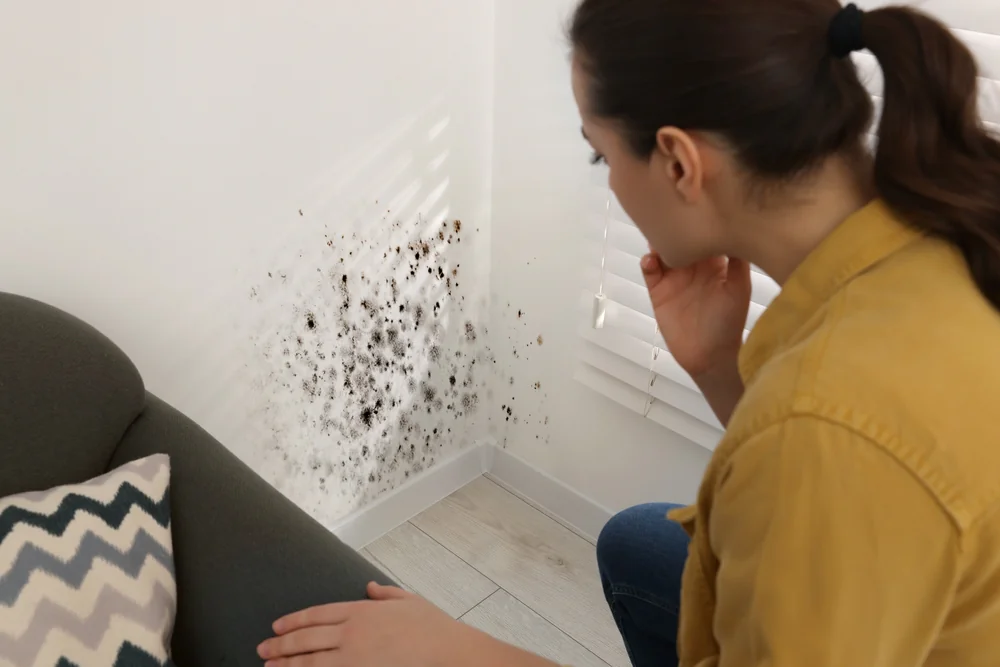
You’ll usually smell it before you see it. That musty, earthy odor that doesn’t go away even after you clean is a strong indicator that mold is growing somewhere, even if it’s hidden.
Visible signs include discoloration on walls, ceilings, or floors, especially in bathrooms, basements, or anywhere that’s been exposed to water. You might also notice peeling paint, warped wood, or water stains that suggest moisture problems.
Health symptoms can be another clue. If you or your family are dealing with persistent allergies, respiratory issues, headaches, or skin irritation that gets worse at home and better when you leave, mold exposure could be the cause. About 10 percent of people are severely allergic to mold, and even those who aren’t can experience symptoms with prolonged exposure. If you’re noticing any of these signs, get a free inspection. We’ll tell you exactly what you’re dealing with and whether mitigation is necessary.
Pennsylvania’s humid summers create ideal conditions for mold growth, and Phoenixville’s older housing stock makes the problem worse. Many homes here were built decades ago with poor ventilation systems, and that trapped moisture feeds mold.
Basements are a major issue. Older foundations allow water infiltration, especially during heavy rain. Add in inadequate drainage around the property, and you’ve got standing moisture that never fully dries out. Crawl spaces with dirt floors, leaky plumbing, and aging roofs all contribute.
Bathrooms without proper exhaust fans, kitchens with steam buildup, and even poorly maintained HVAC systems can create enough humidity for mold to establish itself. Once it starts growing, it spreads quickly if the moisture source isn’t addressed. That’s why mold mitigation in this area isn’t just about cleaning up what’s visible. It’s about fixing the underlying moisture problems that are common in older Pennsylvania homes.
Other Services we provide in Phoenixville