
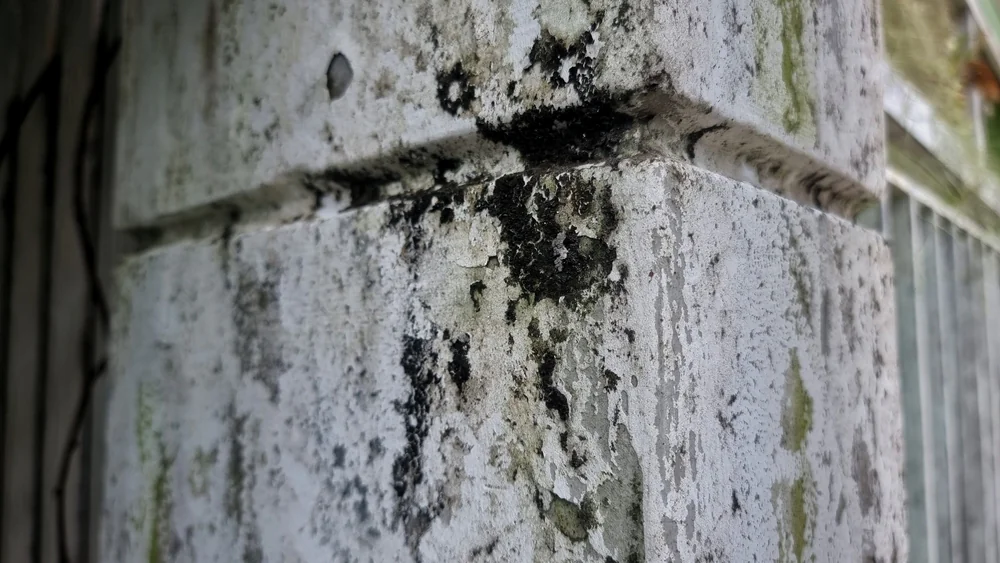
Hear from Our Customers
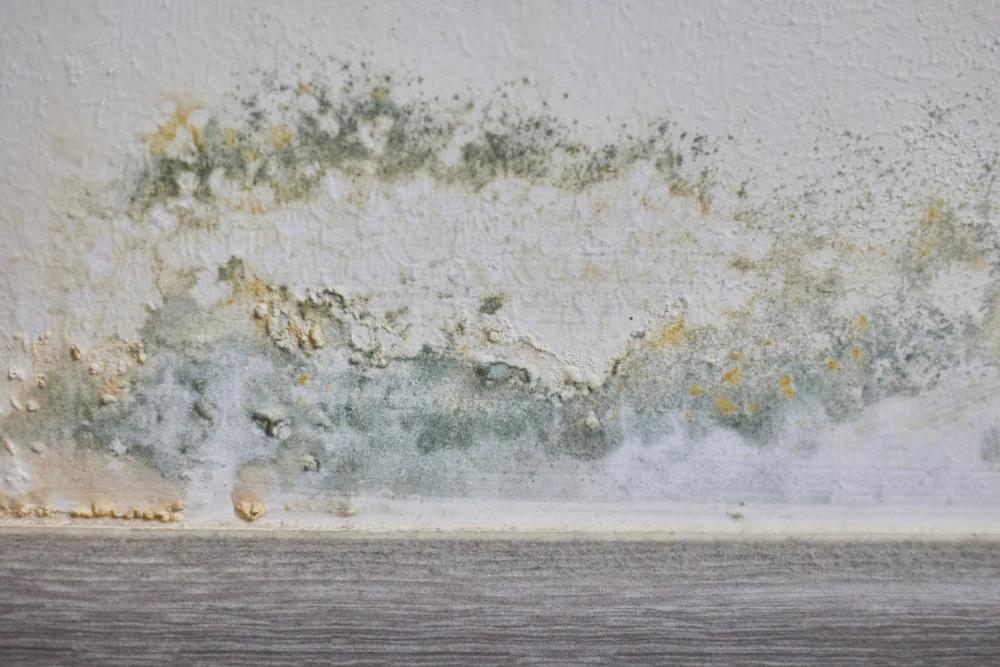
You shouldn’t have to worry about what’s growing behind your walls. Mold doesn’t just look bad—it affects your family’s health, especially if anyone deals with allergies, asthma, or respiratory issues. Kids and elderly family members are even more vulnerable.
When humidity levels in North Coventry climb during those sticky Pennsylvania summers, your home becomes a breeding ground. Mold spores can start multiplying within 24 hours when moisture gets trapped in basements, attics, or behind drywall. What starts as a small patch can turn into a serious problem fast.
Professional mold mitigation means you get complete removal, not just surface cleaning. It means identifying where moisture is coming from—whether it’s a hidden leak, poor ventilation, or water damage you didn’t catch right away. And it means fixing the root cause so you’re not dealing with the same issue six months from now.
Your home should feel safe. Your air should be clean. That’s what proper mitigation gives you.
We’ve been helping homeowners in Bucks County deal with mold problems the right way. We’re not a national chain that treats every job the same. We understand how North Coventry’s climate—humid summers, damp basements, older homes with ventilation challenges—creates conditions where mold thrives.
Our team uses advanced detection technology to find mold you can’t see. We don’t guess. We test, identify the type of mold, and map out exactly what needs to happen. Then we handle the removal with methods that are safe for your family and pets.
You’ll know what’s happening at every step. No surprises, no upselling, no disappearing after the job’s done. Just straightforward work from people who’ve seen every kind of mold situation and know how to handle it.
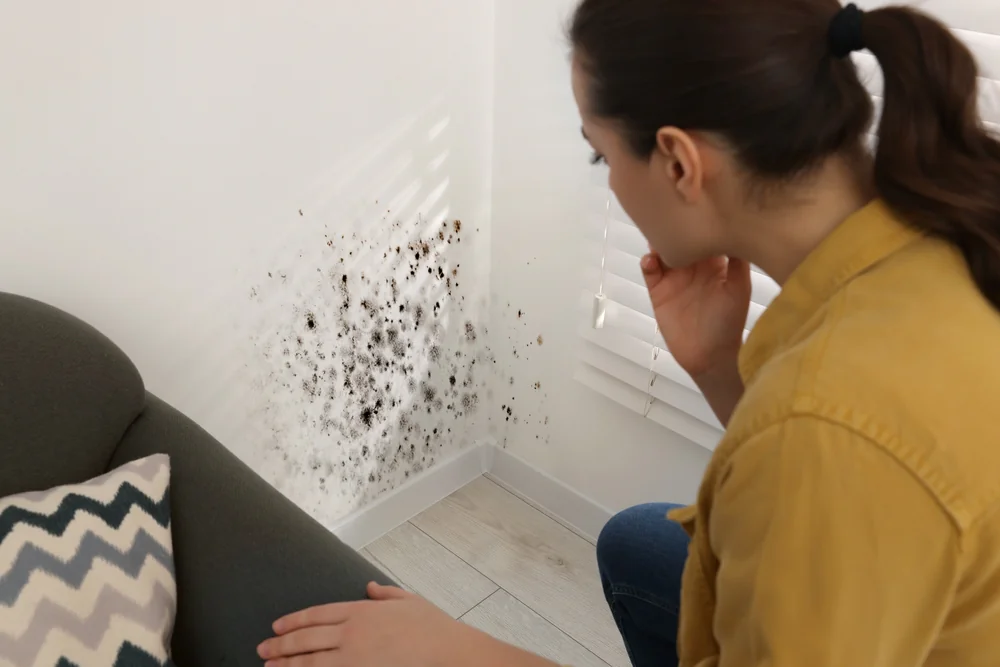
First, we come out for a free inspection. We’re looking at visible mold, but also checking areas where moisture tends to hide—crawl spaces, behind appliances, around windows, in attics. We use moisture meters and air quality testing to get the full picture.
Once we know what we’re dealing with, you get a detailed estimate. No vague numbers or “we’ll see” pricing. You’ll know the cost upfront, and if insurance is involved, we’ll help you navigate that process.
During mitigation, we contain the affected area to prevent spores from spreading to clean parts of your home. We remove contaminated materials safely, treat surfaces with antimicrobial solutions, and use HEPA filtration to clean the air. If there’s a moisture source—a leak, condensation issue, or drainage problem—we address that too. Otherwise, the mold just comes back.
After removal, we verify the air quality and make sure the space is completely clear. You get documentation of the work, which matters if you’re selling your home or dealing with insurance. The goal is total resolution, not a temporary fix.
Ready to get started?
You get a thorough inspection with moisture mapping and mold testing to identify exactly what you’re dealing with. We don’t just look at the obvious spots. North Coventry homes, especially older ones, often have mold in basements where humidity gets trapped, or in attics with poor ventilation during summer months when temperatures hit that 70-90°F sweet spot for mold growth.
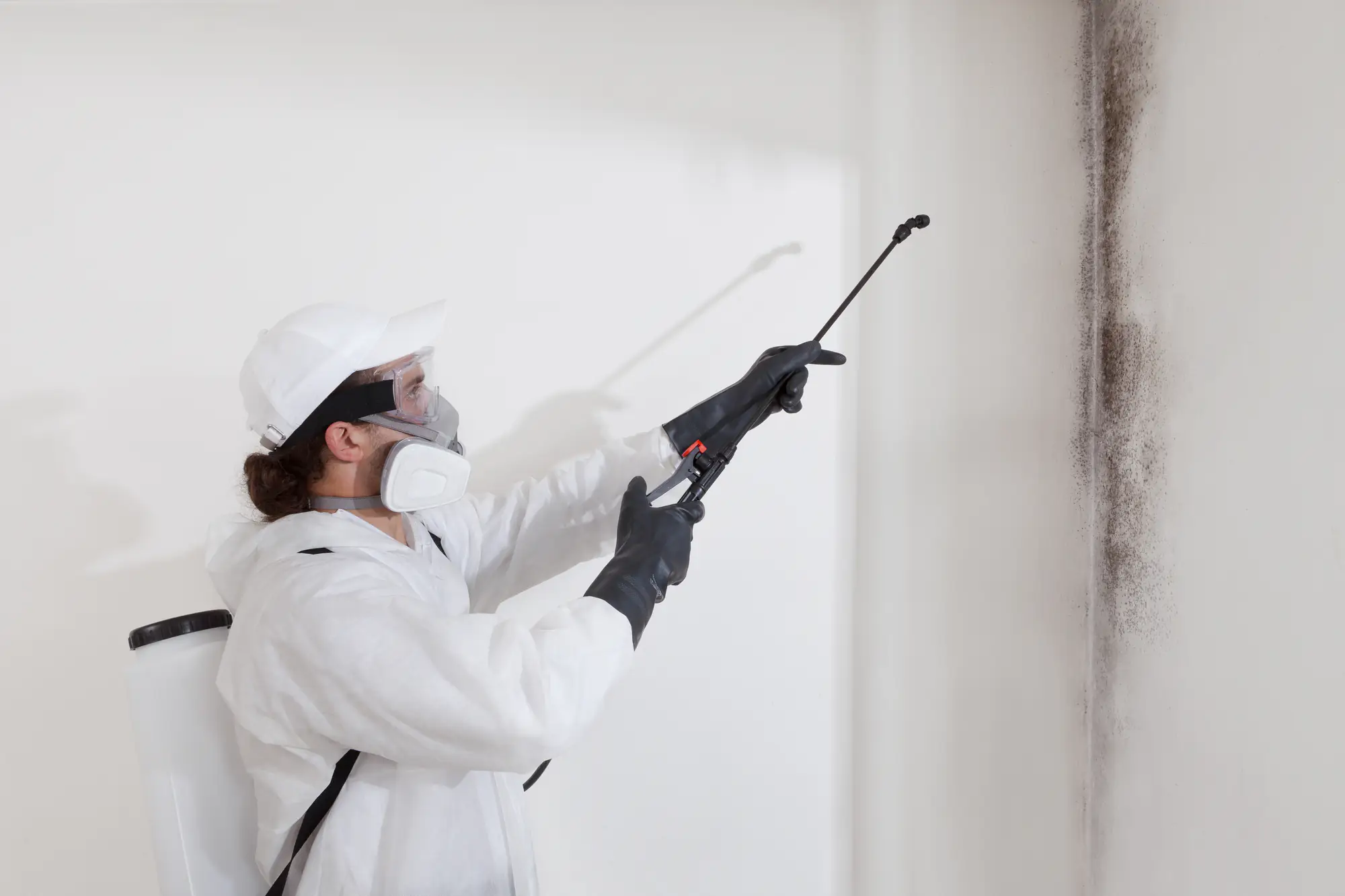
Black mold mitigation requires containment protocols to keep spores from spreading during removal. We seal off work areas, use negative air pressure, and remove contaminated materials according to safety standards. All debris is bagged and disposed of properly—not just tossed in your trash.
Treatment includes antimicrobial applications on affected surfaces and HEPA air scrubbing to remove airborne spores. If drywall, insulation, or flooring is damaged beyond cleaning, we remove it. Then we locate and fix the moisture source—whether that’s improving ventilation, sealing leaks, or recommending dehumidification for ongoing humidity control.
You also get documentation for insurance claims and future home sales. And we’re available 24/7 for emergency situations, because mold doesn’t wait for business hours.
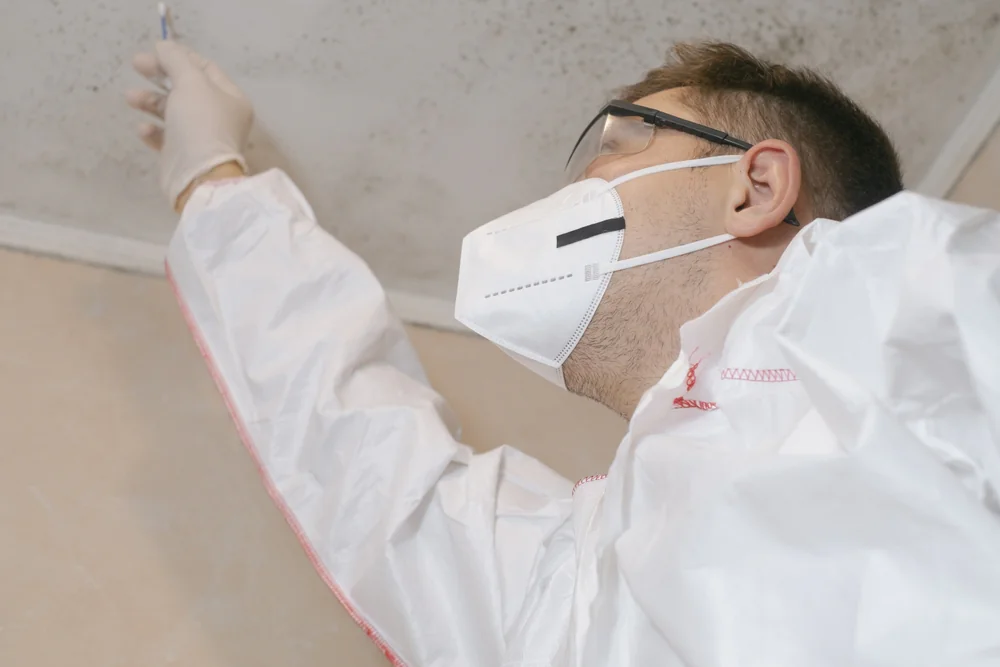
Most residential mold mitigation projects take between 1-5 days, depending on the extent of the problem. A small, contained area like a bathroom might be done in a day or two. Larger issues—like mold throughout a basement or multiple rooms—can take closer to a week.
The timeline depends on how much material needs to be removed, how long containment and air scrubbing need to run, and whether we’re waiting for areas to dry completely before closing things up. We don’t rush the process just to finish faster. Mold that’s not fully removed will just grow back.
If there’s significant water damage or structural repairs needed after mold removal, that adds time. But we’ll give you a realistic timeline upfront so you can plan accordingly. Emergency situations get priority scheduling.
It depends on what caused the mold. If it’s from a sudden, accidental event—like a burst pipe or storm damage—most policies will cover mitigation. If it’s from long-term neglect, like ignoring a slow leak for months, coverage gets tricky.
Insurance companies want to see that you acted quickly once you discovered the problem. That’s why calling for professional mitigation right away matters. We work with insurance adjusters regularly and can help document the damage, provide estimates, and communicate what’s needed.
Some policies have mold coverage limits or exclusions, so it’s worth checking your specific policy. We’ll give you detailed invoices and documentation either way. Even if insurance doesn’t cover everything, addressing mold now prevents much more expensive structural damage and health issues down the road.
Mold removal sounds like you’re getting rid of every single spore, but that’s not realistic. Mold spores exist everywhere—they’re part of the natural environment. The goal isn’t to make your home completely spore-free, which is impossible. The goal is to bring mold levels back to normal and eliminate active growth.
Mold mitigation is the more accurate term. It means removing mold growth, cleaning affected areas, and fixing the conditions that allowed mold to thrive in the first place. You’re mitigating the problem—addressing both the symptom and the cause.
A company that promises to “remove all mold forever” is either overselling or doesn’t understand how mold works. What you want is someone who’ll get rid of the active contamination, restore your air quality to safe levels, and prevent future growth by controlling moisture. That’s what proper mitigation does.
You can’t tell just by looking at it. Black mold (Stachybotrys chartarum) is dark and slimy, but so are other types of mold that aren’t as concerning. Color alone doesn’t tell you what species you’re dealing with or how toxic it is.
The only way to know for sure is through lab testing. We take samples during inspection and send them to a certified lab for analysis. They identify the specific mold type and concentration levels. This matters because different molds require different approaches, and if you’re dealing with black mold, there are extra safety protocols during removal.
That said, all mold should be taken seriously. Even “regular” mold causes respiratory issues, allergic reactions, and property damage. If you see mold growth or smell that musty odor, don’t wait around trying to identify it yourself. Get it tested and handled by someone with the right equipment and training.
Bleach kills surface mold on non-porous materials like tile or glass, but it doesn’t penetrate porous surfaces like drywall, wood, or insulation. Mold roots (called hyphae) grow deep into these materials. You might kill what’s visible, but the mold keeps growing underneath. A few weeks later, it’s back.
Bleach also doesn’t address the moisture problem that caused the mold in the first place. If you’re not fixing the source—whether it’s humidity, a leak, or poor ventilation—you’re just treating symptoms. Plus, disturbing mold without proper containment spreads spores throughout your home, making the problem worse.
For small surface mold on hard, non-porous areas (less than 10 square feet), DIY cleaning might work. Anything larger, anything on porous materials, or anything involving black mold should be handled professionally. We have containment equipment, HEPA filtration, antimicrobial treatments, and the experience to do it right the first time. That’s not something you can replicate with a spray bottle from the store.
Mold comes back when the moisture source isn’t fixed. You can remove every visible trace of mold, but if humidity stays above 60%, or if there’s still a leak somewhere, or if ventilation is poor, new spores will land and start growing again. It’s not a cleaning problem—it’s an environment problem.
Common culprits in North Coventry homes include basement humidity during summer, condensation from AC units, roof leaks that go unnoticed, and poor attic ventilation. Sometimes it’s something simple like a dryer vent that’s not exhausting properly or a bathroom fan that doesn’t actually vent outside.
Professional mitigation includes identifying and fixing these issues. We don’t just clean up mold and leave. We find out why it grew there in the first place and address that cause. Sometimes that means recommending a dehumidifier, improving ventilation, sealing a foundation crack, or fixing a plumbing issue. Without that step, you’re just paying for the same problem over and over.
Other Services we provide in North Coventry