
Hear from Our Customers
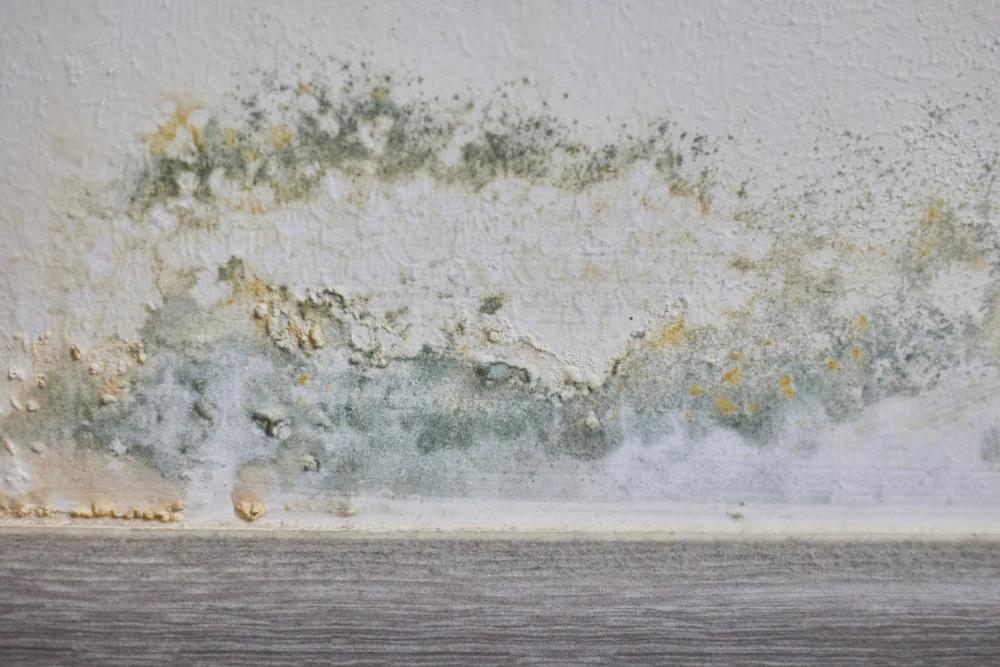
You’re not dealing with a cosmetic issue. Mold grows in the walls, under floors, inside HVAC systems. It spreads through spores you can’t see, and it doesn’t stop on its own.
What you get after professional mold mitigation is a home that’s actually safe. The air quality improves. The musty smell disappears. You’re not wondering if every cough or headache is connected to what’s growing behind your drywall.
Your property value stays intact. In Montgomeryville and throughout Bucks County, buyers walk away from homes with mold problems—50% of them, according to recent data. If you’re planning to sell, or just want to protect what you’ve built, mitigating black mold now prevents a much bigger financial hit later. A home’s resale value can drop 20% to 37% because of mold issues, and remediation costs climb fast when contamination spreads.
We remove the mold completely, address the moisture source feeding it, and verify through testing that your home is clear. That’s the outcome that matters.
We’ve been serving Montgomeryville, Bucks County, and the greater Philadelphia area for years. We’re IICRC-certified, which means we follow the industry standards that actually work—not shortcuts that leave spores behind.
Montgomeryville sits in a humid climate where summer air gets thick and still. Homes near the rivers or in low-lying areas trap moisture in attics, basements, and crawl spaces. We know where mold hides in homes like yours because we’ve seen it hundreds of times.
Our team uses thermal imaging, moisture meters, and lab-certified testing to find contamination you can’t see. Then we contain it, remove it, and make sure it doesn’t come back. You get documentation, transparent pricing, and a team that shows up when we say we will.
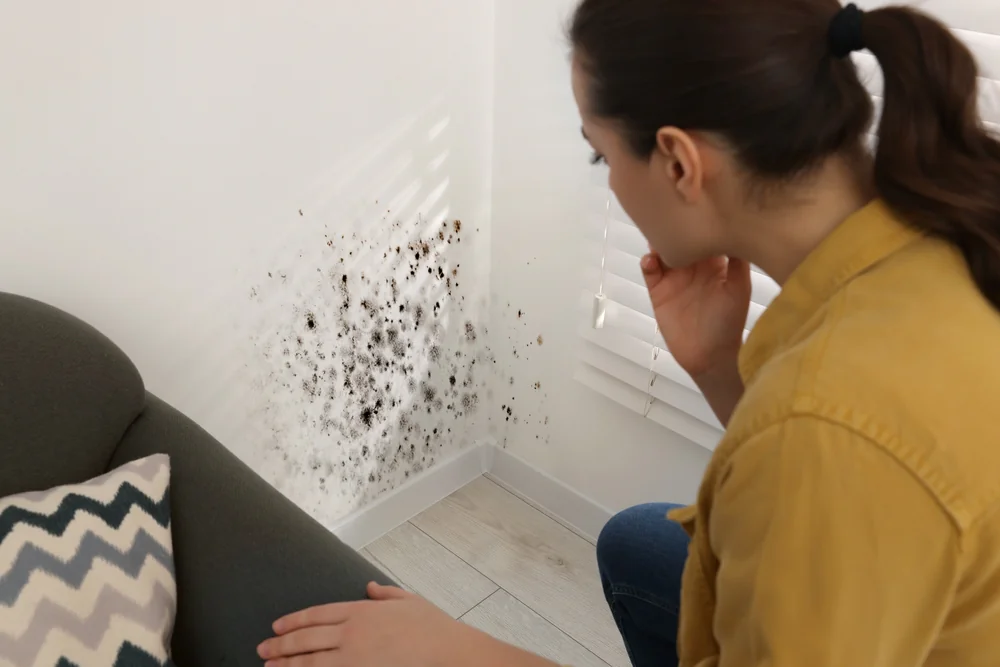
First, we inspect your property. We’re looking for visible mold, but also moisture levels, hidden growth, and the conditions that caused it. We use infrared cameras and digital moisture meters to check areas you can’t easily access—inside walls, under flooring, around HVAC systems.
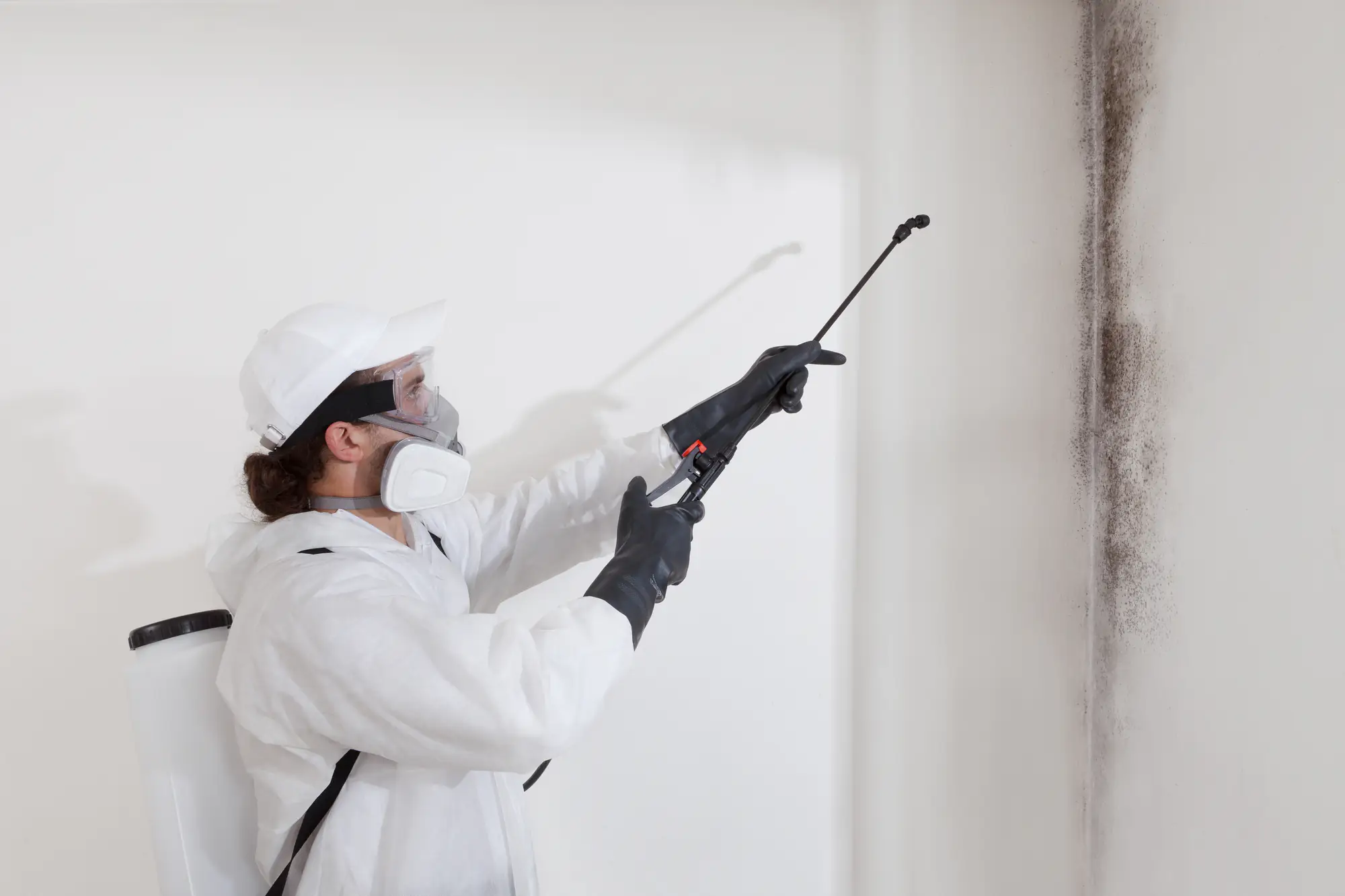
Next, we contain the affected area. Mold spreads through airborne spores, so we seal off contaminated zones with plastic sheeting and negative air pressure systems. This keeps spores from traveling to clean areas of your home during removal.
Then we remove the mold. Porous materials like drywall or insulation that are heavily contaminated get removed and disposed of properly. Non-porous surfaces get cleaned with HEPA vacuums and antimicrobial treatments. We don’t just wipe it down and hope—we follow protocols designed to eliminate the contamination at the source.
After removal, we address the moisture problem. Whether it’s a leak, condensation, or humidity issue, we identify what fed the mold growth so it doesn’t come back. Then we run final air quality tests through a certified lab to confirm your home is clear.
You get a detailed report, documentation for insurance if needed, and a home that’s safe again.
Ready to get started?
Mold mitigation services include a full inspection with moisture mapping, containment setup to prevent cross-contamination, removal of affected materials, HEPA filtration during the process, antimicrobial treatment of all surfaces, and post-remediation testing to verify clearance.
In Montgomeryville, we pay special attention to basements and crawl spaces. Southeastern PA’s humid summers create perfect conditions for mold growth in these areas, especially in homes with older foundations or poor ventilation. We also check attics where hot, humid air gets trapped and condenses on cooler surfaces overnight—a common problem in neighborhoods with mature tree cover that keeps roofs shaded.
You’re also getting help with insurance claims if your mold problem stems from water damage. We document everything, provide detailed estimates, and work with your insurance company to simplify the process. Many policies cover mold mitigation related to sudden water events, and we know how to present the claim properly.
The goal isn’t just to mitigate mold damage you can see. It’s to find what you can’t see, remove it completely, and fix the conditions that allowed it to grow. That’s how you actually solve the problem instead of just covering it up.
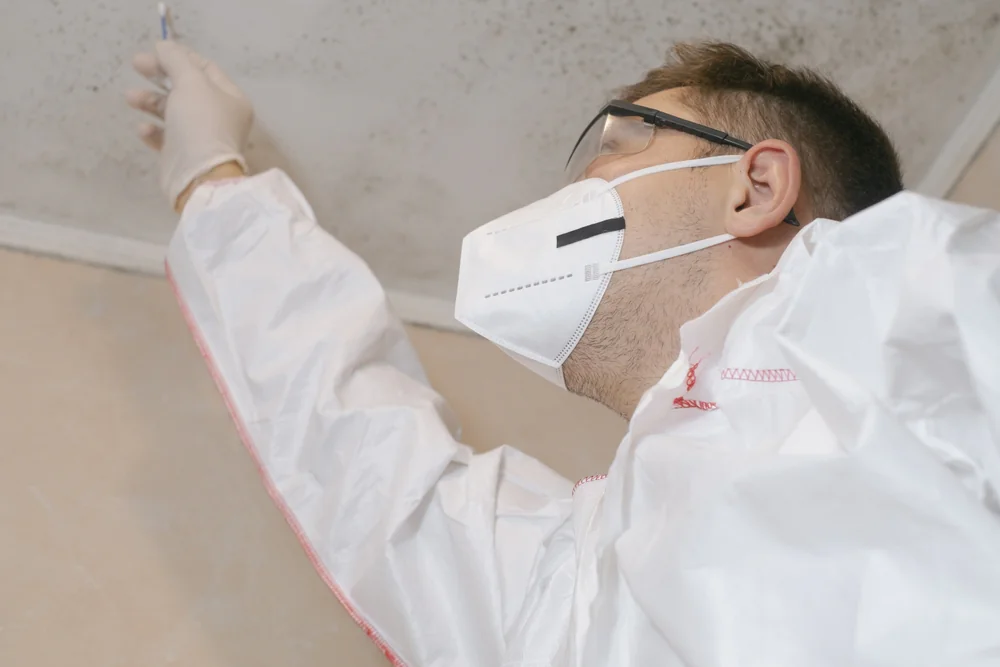
It depends on how much mold we’re dealing with and where it’s located. A small, contained area like a bathroom might take two to three days. A basement or crawl space with widespread contamination can take a week or more.
The timeline includes inspection, containment setup, removal, cleaning, drying, and final testing. We don’t rush the process because cutting corners means mold comes back. If materials like drywall or insulation need to be removed, that adds time. If we’re waiting for lab results to confirm clearance, that adds a day or two.
Most homeowners in Montgomeryville are back to normal within a week. But if you’ve had a major water event or the mold has spread through HVAC systems, expect closer to two weeks. We’ll give you a realistic timeline after the inspection—not a sales pitch.
Mold removal sounds like you’re getting rid of every single spore, but that’s not realistic. Mold spores exist everywhere—in the air, on surfaces, outdoors. You can’t remove them all, and you don’t need to.
Mold mitigation means bringing mold levels back to normal, safe levels and eliminating active growth. We remove contaminated materials, clean affected surfaces, and address the moisture source so mold doesn’t regrow. The goal is to make your home safe and livable again, not to create a sterile lab environment.
The term “mitigation” is more honest. It reflects what’s actually achievable and what your home needs. When companies promise total mold removal, they’re overselling. What matters is that active colonies are gone, spore counts are normal, and the conditions that caused growth are fixed. That’s what mitigation delivers.
Most mold mitigation projects in Montgomeryville run between $2,500 and $6,000. Smaller jobs—like a single bathroom or closet—can start around $1,500. Larger projects involving multiple rooms, crawl spaces, or structural repairs can reach $10,000 to $20,000.
Cost depends on the size of the contaminated area, what materials need to be removed, and how accessible the mold is. If we’re tearing out drywall, removing insulation, or dealing with HVAC contamination, the price goes up. If it’s surface mold on a small section of wall, it’s less.
We provide a detailed estimate after the inspection—no surprises, no upselling. You’ll know exactly what the work involves and what it costs before we start. Many homeowners find that catching mold early saves them thousands compared to letting it spread. Insurance may cover part or all of the cost if the mold resulted from a covered water damage event.
Usually, yes—but it depends on the extent of contamination and where it’s located. If we’re working in a basement or a single room and we’ve set up proper containment, the rest of your home stays safe and livable.
If the mold is widespread, involves your HVAC system, or includes toxic species like black mold in high concentrations, we may recommend staying elsewhere temporarily. This is especially true if anyone in your household has asthma, allergies, or a compromised immune system.
We use containment barriers and negative air pressure to keep spores from spreading during the work. HEPA filters run continuously. The goal is to protect the unaffected areas of your home. Most of our clients in Montgomeryville stay home during mitigation without issues, but we’ll be upfront if your situation calls for a different approach. Your health comes first.
Moisture. That’s it. Mold needs water to grow, and Montgomeryville’s climate provides plenty of opportunities—especially during humid summer months when outdoor moisture drifts into attics, basements, and crawl spaces.
Common causes include roof leaks, plumbing leaks, foundation cracks that let groundwater seep in, poor ventilation in bathrooms or kitchens, and condensation on cool surfaces when humid air hits them. Homes near rivers or in low-lying areas face higher humidity levels naturally. Older homes with less effective vapor barriers or outdated HVAC systems are more vulnerable.
Mold can start growing within 24 to 48 hours after water exposure. A slow leak you don’t notice can create a major problem in a matter of weeks. That’s why addressing moisture issues quickly matters. If your basement feels damp, your attic smells musty, or you’ve had any kind of water event—even a small one—it’s worth getting an inspection before mold takes hold.
Yes. Pennsylvania law requires sellers to disclose known material defects, and mold falls into that category. If you know there’s mold—or there was mold that you had remediated—you have to say so.
Failing to disclose can lead to legal trouble after the sale. Buyers can sue for damages, and you could end up paying for remediation, repairs, and legal fees. It’s not worth the risk. The better approach is to handle mold mitigation before listing your home so you can show buyers that the problem was identified, professionally resolved, and documented.
Homes with undisclosed mold problems lose buyers fast. Half of interested buyers walk away once they learn about mold. But a home with documented, professional mitigation and a clearance report? That’s a different story. You’re showing that the issue was taken seriously and handled correctly, which builds confidence instead of killing the deal.
Other Services we provide in Montgomeryville