
Hear from Our Customers
You’re not just looking for someone to spray bleach and call it fixed. You need the mold gone, the air clean, and the problem actually solved.
That means finding the leak, the humidity issue, or whatever’s feeding the growth. It means containment so spores don’t spread to clean rooms while we work. And it means restoration—not just removal—so your home feels safe again.
When mold mitigation is done right, your family stops coughing at night. Your basement doesn’t smell like wet cardboard. And if you ever sell, you won’t lose 20% of your home’s value because a buyer’s inspector found something you missed.
The difference between removal and mitigation is simple: one cleans the surface, the other fixes the system. You want the second one.
We work in Montgomery County homes every week. We know the basements here—the old foundations, the HVAC systems that run all summer, the crawl spaces that stay damp no matter what you try.
We’re not a national franchise reading from a script. We’re local, certified, and we’ve seen what happens when mold gets ignored in this climate. Pennsylvania’s humidity doesn’t mess around, and neither do we.
You’ll get a free inspection, a clear estimate, and no pressure. If we find mold, we’ll tell you what it’ll take to mitigate it properly. If we don’t, we’ll say that too.
First, we inspect the entire property—not just the obvious spots. That means attics, crawl spaces, behind walls if needed. We’re looking for active growth and the moisture source feeding it.
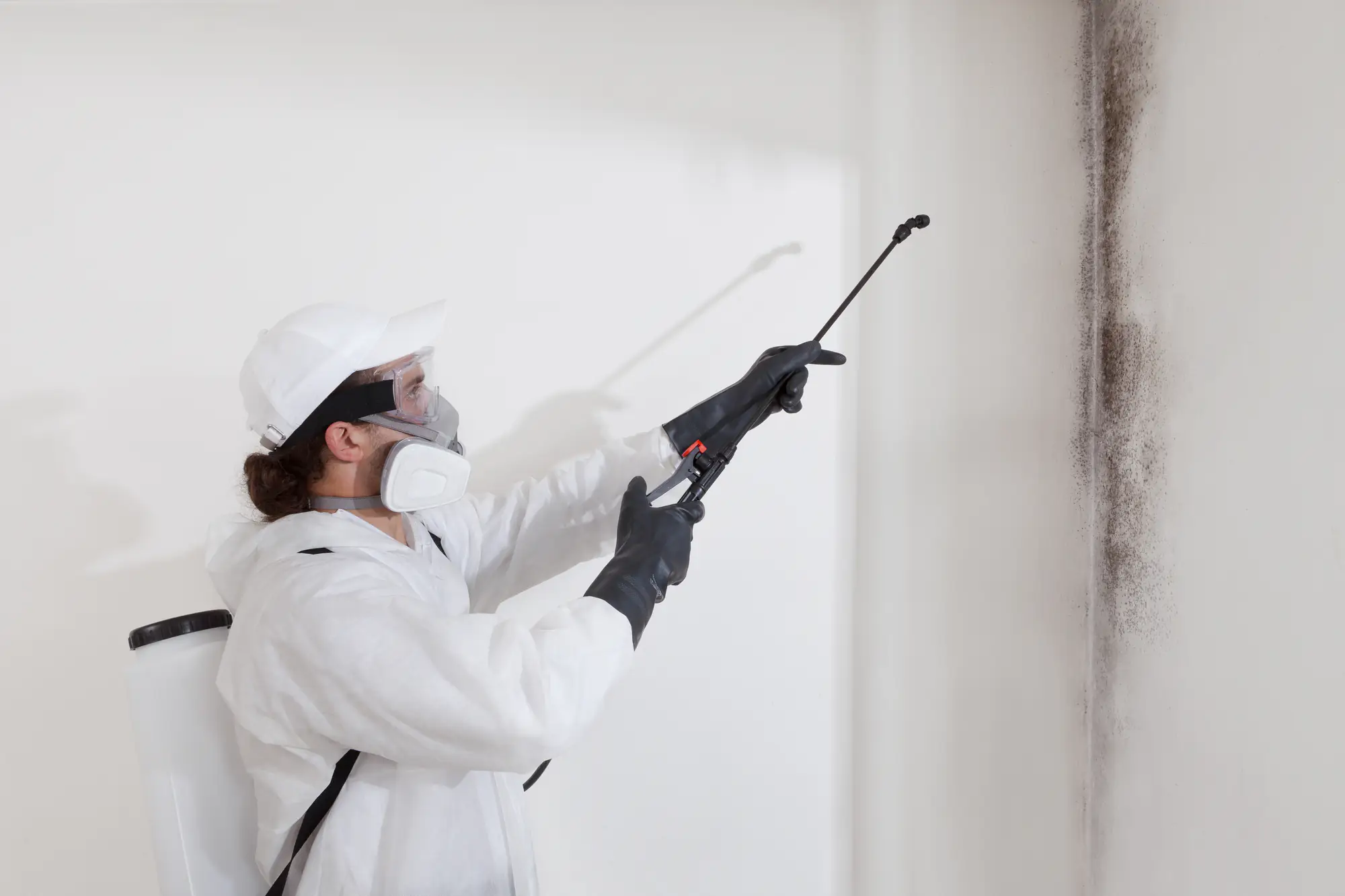
Once we know what we’re dealing with, we set up containment. That’s physical barriers and negative air pressure to keep spores from spreading while we work. Then we remove contaminated materials, treat affected surfaces, and run HEPA filtration to clean the air.
But here’s the part that matters most: we find and fix the source. A leaking pipe. Poor ventilation. Groundwater seeping through your foundation. If we don’t address that, you’ll be calling someone again in a year.
After mitigation, we can handle the rebuild too—drywall, insulation, whatever was removed. You’re not left with a half-finished basement and a list of contractors to call.
Ready to get started?
You get a full property assessment at no cost. We document everything for your insurance company if you’re filing a claim, and we work directly with adjusters so you’re not playing middleman.
The mitigation itself follows EPA guidelines. We use containment barriers, commercial-grade air scrubbers, and proper disposal methods for contaminated materials. You’re not getting a guy with a spray bottle and a Shop-Vac.
Montgomery County homes deal with specific challenges—older construction, high summer humidity, basements that were never meant to stay dry. We account for that. If your crawl space needs better ventilation or your sump pump isn’t cutting it, we’ll tell you. Mitigation isn’t just about killing mold. It’s about making sure your home can’t grow it again.
And if you’ve got kids or anyone with asthma or allergies, we take that seriously. Mold isn’t just ugly—it’s a health risk. Our job is to get your air quality back to safe levels, fast.
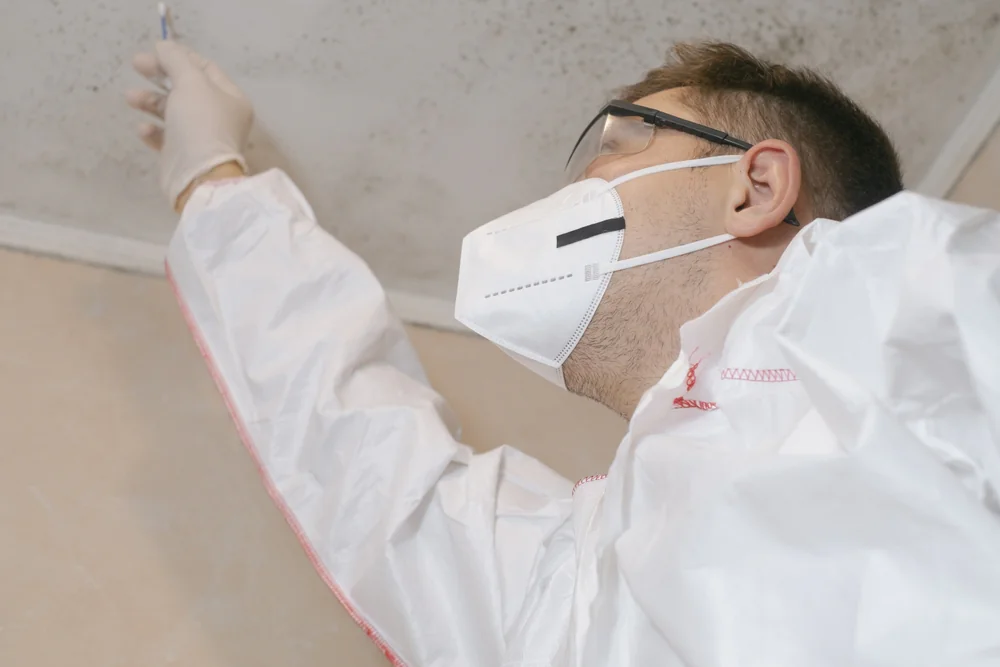
Most residential mold mitigation projects in Montgomery, PA take between three and five days, depending on the size of the affected area and how far the mold has spread. A single bathroom or small basement corner might be done in two days. A whole basement or multiple rooms can take a week or more.
The timeline depends on a few things: how much material needs to be removed, whether we’re dealing with black mold or a less aggressive strain, and how long it takes to dry out the space after we’ve treated it. We can’t rush the drying process—if we do, you’ll have mold again in a month.
We’ll give you a realistic timeline during the inspection. And if something changes once we open up a wall or pull back insulation, we’ll let you know immediately. You won’t be surprised by delays or extra days you weren’t expecting.
It depends on what caused the mold. If it’s from a sudden, accidental event—like a burst pipe or a roof leak during a storm—most homeowners insurance policies in Pennsylvania will cover mitigation. If it’s from long-term neglect or a maintenance issue you ignored, probably not.
Insurance companies want documentation. That’s why we photograph everything, write detailed reports, and communicate directly with your adjuster. We’ve done this enough times to know what they’re looking for, and we’ll make sure your claim has what it needs.
Some policies have mold caps—usually between $5,000 and $10,000. If your mitigation costs more than that, you’ll pay the difference. But even partial coverage is better than paying for the whole job out of pocket. We’ll walk you through what to expect before you commit to anything.
Mold removal is surface-level. Someone comes in, cleans what they can see, and leaves. Mold mitigation is a full-system fix. It’s removing the mold, treating the area, addressing the moisture problem, and making sure it doesn’t come back.
Here’s the thing: mold spores are everywhere. You can’t remove every spore from a home, and you don’t need to. What you need is to eliminate the conditions that let mold grow—moisture, warmth, and organic material like drywall or wood. Mitigation does that. Removal doesn’t.
If someone offers to “remove your mold” for $500 and doesn’t mention finding the water source or fixing your humidity levels, you’re wasting your money. Mitigation costs more upfront, but it actually solves the problem. That’s why it’s the only approach worth paying for.
In most cases, yes—but not in the affected area. We seal off the workspace with plastic barriers and use negative air pressure to keep spores contained. That means the rest of your house stays safe while we work.
If the mold is extensive—like throughout your HVAC system or across multiple floors—we might recommend staying elsewhere for a few days. It’s not always necessary, but if you’ve got young kids, elderly family members, or anyone with respiratory issues, it’s worth considering.
We’ll be honest with you during the inspection. If we think you should leave, we’ll say so. If we think you’re fine staying, we’ll explain how we’re keeping the work area isolated. You won’t have to guess whether it’s safe—we’ll give you a straight answer based on what we’re seeing in your home.
If the mold covers more than 10 square feet, or if it’s in your HVAC system, or if you’re smelling it but can’t see it, you need professional mitigation. Small patches—like a little mildew on a bathroom tile—you can handle yourself with the right cleaner and some ventilation.
But if you’re finding mold in your basement, behind drywall, or in your crawl space, that’s a mitigation job. It means there’s a moisture problem that’s been going on for a while, and surface cleaning won’t fix it. You need someone to find the source, remove contaminated materials, and treat the space properly.
Montgomery homes, especially older ones, tend to have hidden mold in places you don’t check often—under insulation, behind paneling, around old windows. If you’re seeing visible growth or smelling that musty, damp odor, get an inspection. It’s free, and it’ll tell you exactly what you’re dealing with.
Moisture. That’s it. Mold needs water, warmth, and something organic to feed on. In Montgomery County, the most common culprits are basement leaks, poor ventilation, old foundations that let groundwater seep in, and HVAC systems that can’t keep up with summer humidity.
A lot of homes here were built decades ago, and they weren’t designed with moisture control in mind. Add in Pennsylvania’s humid summers and wet springs, and you’ve got the perfect environment for mold growth. It only takes 24 to 48 hours after water exposure for mold to start growing.
If your basement floods every spring, or your crawl space always feels damp, or you’ve got condensation on your windows in the winter, you’re at risk. Mitigation fixes the mold, but preventing it means controlling moisture—better drainage, dehumidifiers, proper ventilation, sealed foundations. We’ll tell you what your home needs to stay dry.
Other Services we provide in Montgomery