
Hear from Our Customers
You’re not just getting rid of visible mold. You’re eliminating the hidden contamination behind your walls, in your crawl space, and inside your HVAC system where it actually does the most damage.
When we finish a mold mitigation project, you get lab-verified results showing the air in your home is clean. No guessing. No wondering if it’s really gone. You get documentation that proves the work was done correctly, which matters if you ever sell your home or file an insurance claim.
The bigger outcome is what you stop worrying about. No more concerns about your kids’ respiratory health. No more anxiety every time you smell something musty. No more wondering if that dark spot is growing. You get your home back, and you can actually trust the air you’re breathing.
Most importantly, you’re protecting a significant investment. In Lower Providence, where median home values exceed $600,000, unaddressed mold doesn’t just create health risks—it threatens your property value and can lead to structural damage that costs tens of thousands to repair.
We’ve served Montgomery County and Bucks County homeowners for over 15 years. We’re not a franchise. Jeff, the owner, personally handles your consultation and oversees every project.
That matters in Lower Providence because your home is different from a typical suburban property. Larger lots, older construction in some neighborhoods, specific moisture patterns from our humid summers—these aren’t things you learn from a manual. You learn them from actually doing the work in this area for years.
We’ve worked with homeowners throughout the township, from Eagleville to Audubon. We know the local building styles, the common problem areas, and how to navigate insurance claims with the carriers most people around here actually use. When you call, you’re talking to someone who’s been in your neighbor’s basement and knows exactly what you’re dealing with.
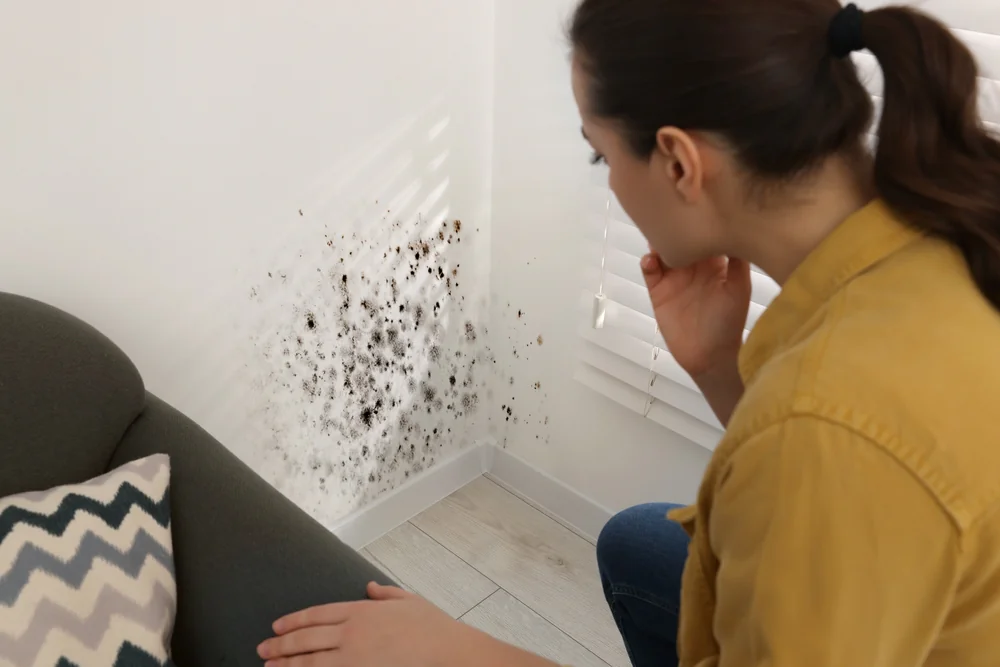
We start with a free inspection, usually same-day if you call early enough. Jeff comes out personally to assess the situation. He’s looking for visible mold, but more importantly, he’s checking moisture levels, examining areas where mold typically hides, and using thermal imaging to find problems you can’t see.
If testing is needed, we collect samples and send them to an independent lab. You get results within 24-48 hours that tell you exactly what type of mold you’re dealing with and the concentration levels. This isn’t a sales tactic—it’s how we know what we’re actually treating.
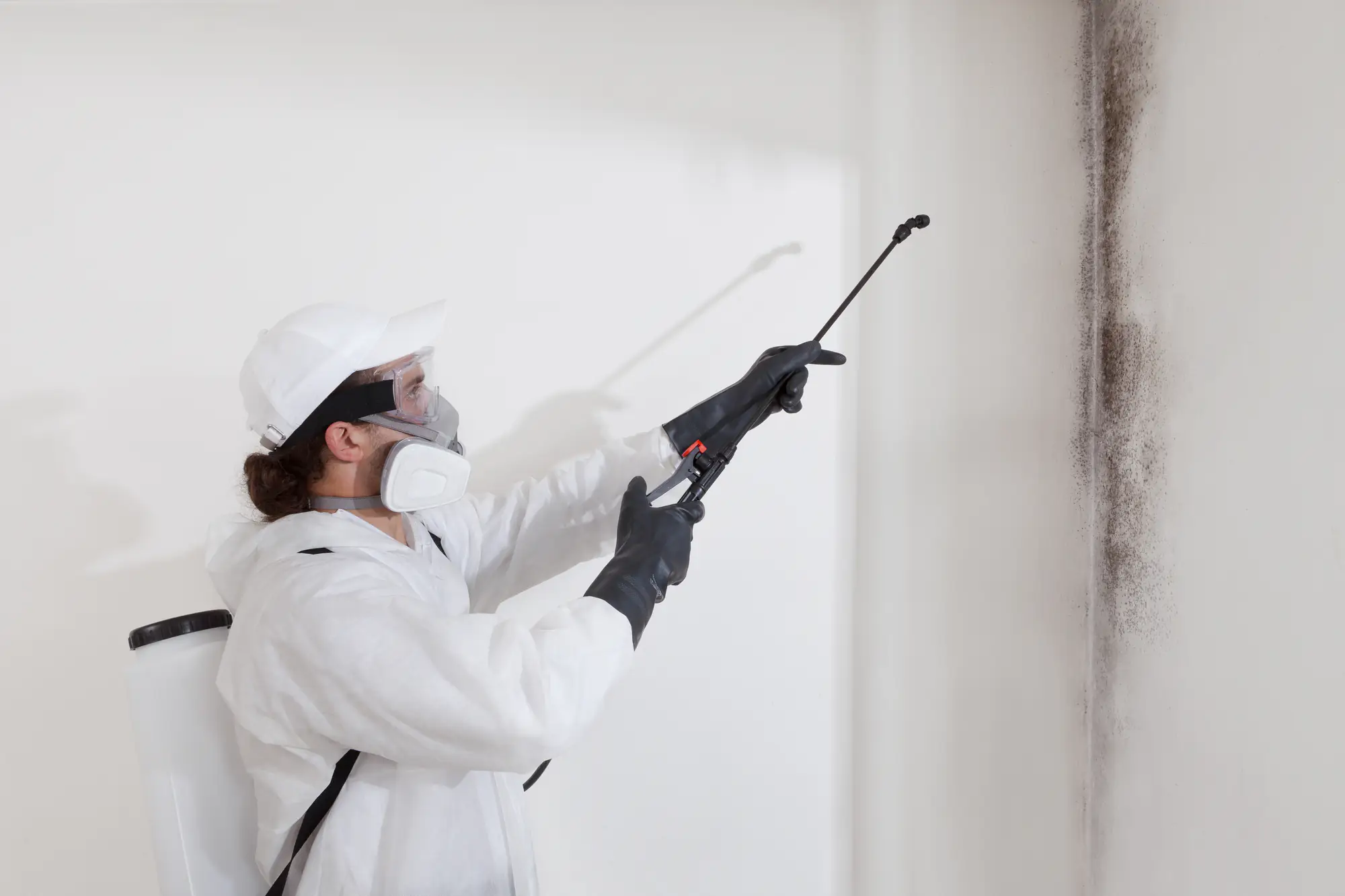
Once we have a clear picture, we contain the affected area to prevent spores from spreading during removal. We use negative air pressure and physical barriers, following EPA guidelines. Then we remove contaminated materials, treat surfaces with antimicrobial solutions, and use HEPA filtration to clean the air.
The last step is addressing why the mold grew in the first place. That usually means fixing a moisture problem—whether it’s a leak, poor ventilation, or water intrusion. We don’t just clean up mold and leave. We help you understand what needs to change so it doesn’t come back.
After everything’s complete, we do post-remediation testing to verify the work. You get documentation showing the mold is gone and the air quality is back to normal levels.
Ready to get started?
Every project includes containment setup, which keeps mold spores from contaminating the rest of your home while we work. You also get HEPA air filtration running throughout the process, complete removal of affected materials, antimicrobial treatment of all surfaces, and proper disposal of contaminated debris.
We handle the full scope—attic mold mitigation when roof leaks create problems in your insulation, crawl space mold mitigation when ground moisture or plumbing issues cause contamination, and water mold restoration when flooding or pipe bursts lead to rapid growth. In Lower Providence’s humid climate, basements and crawl spaces are particularly vulnerable, especially in homes with older foundation construction.
You also get moisture mapping and thermal imaging to find hidden water intrusion, help with insurance documentation if you’re filing a claim, and a clear explanation of what caused the problem so you can prevent it from happening again.
We don’t do the actual construction repairs—like replacing drywall or repainting—but we work with local contractors who do, and we can coordinate that for you if needed. Our focus stays on the mold mitigation itself, done right, with verification testing at the end.
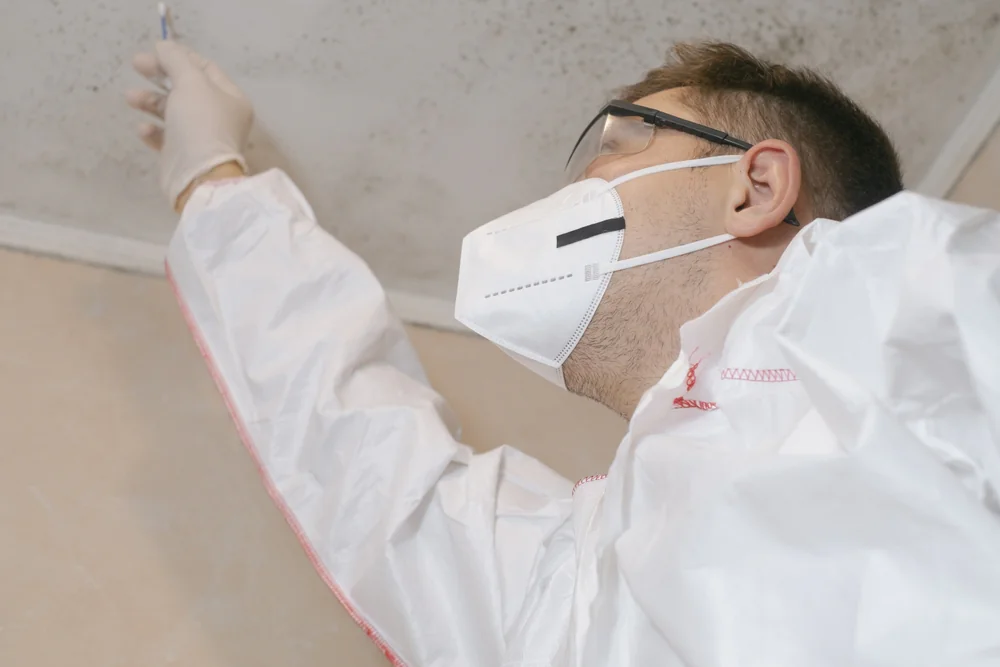
Mold can start growing within 24 to 48 hours after materials get wet. That’s not a maybe—that’s the actual timeline according to EPA guidelines.
If you have a leak, a flood, or even just persistent condensation, the clock starts immediately. By the time you see visible mold, it’s usually been growing for days or weeks already. The longer you wait, the more it spreads and the more expensive remediation becomes.
This is why speed matters. If you dry out wet materials within that first 24-48 hour window, you can often prevent mold growth entirely. Once you’re past that point, you’re looking at mitigation, not prevention. In Lower Providence’s humid summers, that timeline can be even shorter because the moisture in the air helps mold establish faster.
Mold removal sounds like you’re getting rid of every single spore, but that’s not realistic. Mold spores exist everywhere—in the air, on surfaces, outdoors, indoors. You can’t eliminate them completely, and any company promising that isn’t being straight with you.
Mold mitigation is the accurate term. It means bringing mold levels back to normal, naturally-occurring concentrations. We remove the contamination, treat affected areas, and get your indoor air quality back to where it should be. That’s what actually matters for your health and your home.
The goal isn’t a sterile environment—it’s a safe one. After proper mitigation, the mold levels in your home match what you’d find in any healthy building. We verify that with lab testing, so you’re not just taking our word for it.
It depends on the size and location of the contamination. For small, contained projects—like a bathroom or a section of basement—you can usually stay in your home. We seal off the work area and use negative air pressure to keep spores from spreading to other rooms.
For larger projects, especially if we’re working in your HVAC system or multiple areas of the house, it’s often better to stay somewhere else for a few days. Not because the mitigation itself is dangerous when done correctly, but because you don’t want to be breathing in dust and debris while we’re tearing out materials.
If you have young children, elderly family members, or anyone with respiratory issues, we typically recommend leaving even for smaller jobs. It’s a precaution, but it’s worth it. We’ll give you a clear recommendation during the inspection based on what we find and where the mold is located.
Sometimes yes, sometimes no—it depends on what caused the mold. If it’s from a sudden, accidental event like a burst pipe or a roof leak during a storm, insurance usually covers it. If it’s from long-term neglect or a maintenance issue you should have addressed, probably not.
The key is how your policy defines the cause of loss. Most standard homeowners policies in Pennsylvania cover mold remediation when it’s a direct result of a covered peril. But there are limits—often $10,000 or less unless you’ve purchased additional mold coverage.
We help with the documentation you need to file a claim. That includes photos, moisture readings, scope of work, and a detailed estimate. We’ve worked with most of the major insurance carriers that homeowners in Montgomery County use, and we know what they require. We can’t guarantee your claim will be approved, but we can make sure you’re submitting everything correctly.
You usually can’t see it, but there are signs. Musty odors that don’t go away are the most common indicator. If you smell something earthy or damp in a room but can’t find a source, there’s a good chance mold is growing somewhere hidden.
Water stains, discoloration, or bubbling paint on walls and ceilings are red flags. So is any history of leaks, flooding, or moisture problems—even if they happened months ago. Mold doesn’t need standing water. It just needs materials that got wet and didn’t dry out completely.
We use thermal imaging and moisture meters during inspections to find hidden problems. These tools let us see temperature differences and moisture levels inside walls without tearing anything apart. If we find elevated readings, we know where to look. Sometimes we’ll cut a small inspection hole to visually confirm before we start a full remediation. You’re not guessing, and you’re not ripping apart your house hoping to find something. We locate the problem first, then address it.
Mold comes back because the moisture source wasn’t fixed. You can remove every bit of visible mold, treat every surface, and clean the air—but if water is still getting in, you’re just going to grow more mold.
The most common culprits are roof leaks, plumbing leaks, poor ventilation in bathrooms and crawl spaces, foundation cracks that let groundwater in, and condensation from HVAC systems. In Lower Providence, we also see issues with gutters that don’t drain properly, especially on larger properties where water runoff isn’t managed well.
Proper mold mitigation includes identifying and addressing the moisture problem. That might mean repairing a leak, improving ventilation, installing a dehumidifier, or fixing grading around your foundation. Sometimes it’s a simple fix. Sometimes it requires more involved work. Either way, if you don’t deal with the water, you’re wasting money on mold removal that won’t last.
Other Services we provide in Lower Providence