
Hear from Our Customers
When mold mitigation is done correctly, you stop worrying about what’s growing behind your walls. Your family breathes easier because the air quality actually improves. You’re not masking symptoms or scrubbing surfaces every few weeks.
Real mitigation means identifying where moisture is getting in – whether that’s a basement seepage issue common in Lower Pottsgrove’s older homes, poor attic ventilation during Pennsylvania’s humid summers, or a slow leak you didn’t know existed. Once we locate the source, we fix it. Then we remove the mold using containment systems that prevent spores from spreading to clean areas of your home.
The result is a home that stays dry. No musty smells. No mystery health symptoms. No wondering if you’re going to see spots reappear after the next rainstorm. You get documentation of what was found, what was done, and what to watch for going forward.
We serve Lower Pottsgrove and the surrounding Montgomery County area with mold mitigation services that actually solve the problem. We’re not a national franchise following a script – we know how Pennsylvania’s climate affects homes in this region.
Lower Pottsgrove’s mix of older construction and humid summer conditions creates specific vulnerabilities. Basements with stone foundations, crawl spaces with inadequate vapor barriers, and attics without proper ventilation are common issues we see. We’ve worked in enough homes here to recognize patterns before they become expensive problems.
You get transparent pricing before any work starts, direct communication throughout the process, and technicians who show up when they say they will. We handle insurance documentation if your policy covers the work, and we’re available for emergency situations that can’t wait until Monday morning.
We start with a thorough inspection using moisture meters and thermal imaging to find where water is accumulating. You can’t mitigate mold damage effectively if you’re only treating visible growth – we need to see what’s happening inside walls, under floors, and in spaces you can’t easily access.
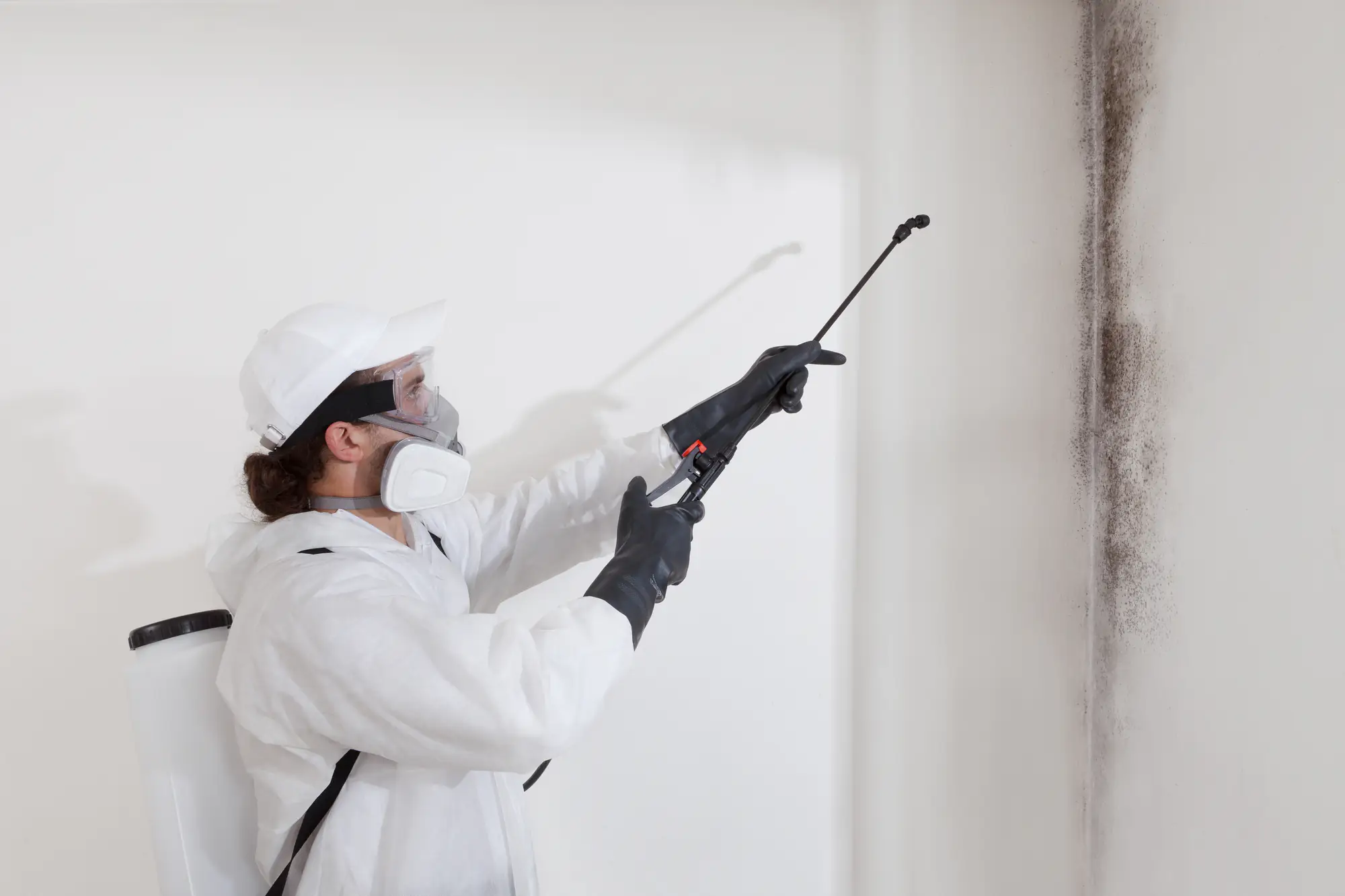
Once we map out the affected areas and moisture sources, we set up containment. This means sealing off the work area with physical barriers and using negative air pressure so mold spores don’t travel to other parts of your home while we’re removing contaminated materials. HEPA air scrubbers run continuously to filter the air.
The actual removal involves taking out any materials that can’t be salvaged – drywall, insulation, carpeting that’s been saturated. Structural elements like framing get treated and cleaned if they’re still sound. We don’t remove more than necessary, but we also don’t leave anything that’s going to cause problems later.
After removal, we address the moisture source. That might mean repairing plumbing, improving drainage around your foundation, installing a dehumidifier, or upgrading ventilation. This step is what separates real mitigation from surface-level cleanup. Then we verify the work with post-remediation testing so you have documentation that the job was completed properly.
Ready to get started?
Your mold mitigation service includes a full moisture assessment of affected areas and adjacent spaces. We use professional-grade detection equipment to identify elevated humidity levels that aren’t obvious to the naked eye. You get a clear explanation of what we find and why it matters for your specific situation.
The containment and removal process follows industry protocols to protect your home’s unaffected areas. We document everything with photos and detailed notes, which is especially important if you’re filing an insurance claim. Many homeowners in Lower Pottsgrove don’t realize their policies may cover mold mitigation when it’s related to a covered water damage event – we help you understand your coverage and provide the documentation adjusters need.
After the mold is removed, we focus on prevention. Pennsylvania’s summer humidity regularly pushes indoor moisture levels into the range where mold thrives, particularly in basements and attics with poor airflow. We’ll recommend specific improvements based on your home’s construction and the problems we identified. Some situations need dehumidification, others need better ventilation or drainage corrections.
You also get lab analysis if testing is warranted. This identifies the specific mold species present and their concentration levels, which helps determine health risks and whether additional precautions are needed. Testing results typically take less than a week, and we walk you through what the findings mean in practical terms.
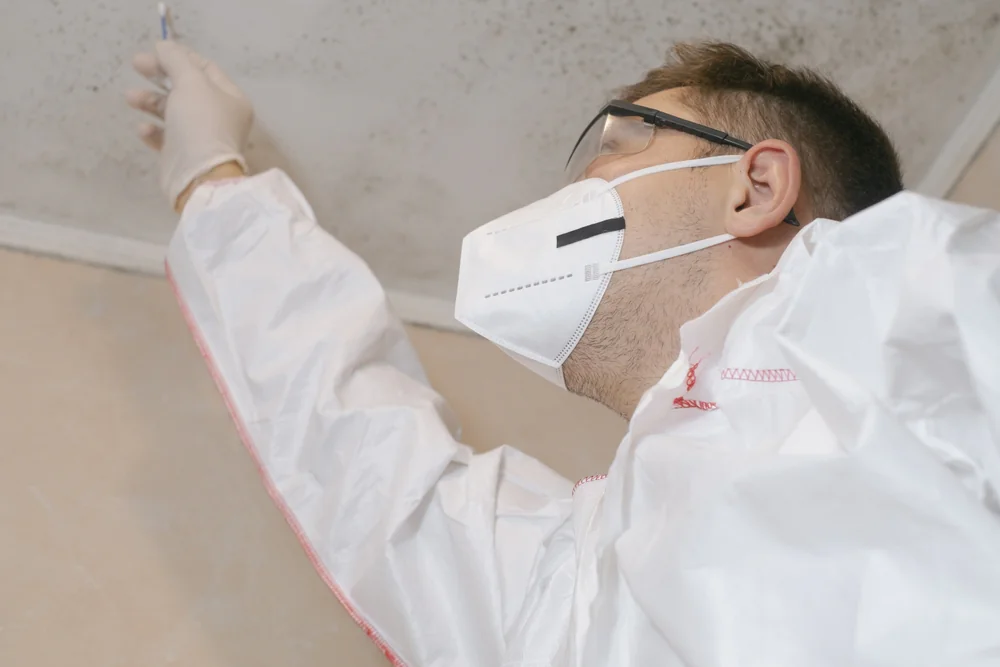
Most residential mold mitigation projects take between three to five days from start to finish, but the timeline depends entirely on how much area is affected and what’s causing the moisture problem. A small bathroom mold issue might be handled in two days. A basement with widespread growth and drainage problems could take a week or more.
The inspection and containment setup usually happen on day one. Removal and treatment of affected materials take one to three days depending on scope. Moisture source repairs add time based on what needs to be fixed – a leaking pipe is quick, foundation waterproofing takes longer.
We don’t rush the drying process. Materials need to reach proper moisture levels before we close everything back up, and that can’t be forced. You’ll know the timeline upfront after we complete the initial assessment, and we’ll update you if anything changes as work progresses.
Mold removal focuses on cleaning visible mold off surfaces. Mitigation addresses why the mold is growing in the first place and prevents it from coming back. Removal is a surface fix. Mitigation solves the underlying problem.
If you have mold on your basement walls because water seeps in during heavy rain, removal means scrubbing those walls clean. Mitigation means fixing the drainage issue causing water intrusion, removing contaminated materials that can’t be salvaged, treating the space properly, and setting up conditions that prevent regrowth. One is temporary, the other is permanent.
Most homeowners who only do removal end up dealing with the same problem repeatedly. Mold needs moisture to grow – if that moisture source is still present, you’re just buying time until it returns. Real mitigation eliminates the conditions mold needs to thrive, which is why we focus on moisture control as much as removal.
Coverage depends on what caused the mold growth. If it’s related to a sudden, accidental water damage event that your policy covers – like a burst pipe or storm damage – there’s a good chance mitigation is covered. If it’s from long-term neglect or maintenance issues like a slow leak you ignored, probably not.
Pennsylvania insurers typically cover mold remediation when it’s a direct result of a covered peril and you address it promptly. The key is documenting everything and acting quickly. Most policies have limits on mold coverage, often between $10,000 and $25,000, so you need to know what your specific policy says.
We work with insurance companies regularly and can help you understand your coverage before you file a claim. We provide the documentation adjusters need – photos, moisture readings, scope of work, lab results if testing was done. Some homeowners choose to pay out of pocket for smaller jobs to avoid a claim on their record, which we can also discuss once you know the full scope.
Prevention comes down to controlling moisture, and that means fixing whatever allowed water to accumulate in the first place. We identify the source during inspection – poor drainage, inadequate ventilation, plumbing leaks, humidity issues – and address it as part of the mitigation process.
In Lower Pottsgrove, basement moisture is often related to how water moves around your foundation. We look at grading, downspout drainage, and whether you need interior or exterior waterproofing improvements. Attic mold usually points to ventilation problems or roof leaks. Bathrooms and kitchens often need better exhaust ventilation or repairs to plumbing fixtures.
After we handle the source, we make sure affected areas are properly dried and treated. We also give you specific recommendations for maintaining low humidity levels – where to use dehumidifiers, how often to run exhaust fans, what to watch for during Pennsylvania’s humid summer months. The goal is creating an environment where mold can’t establish itself again.
Not usually, but it depends on the extent of contamination and where the work is happening. Our containment systems are designed to isolate the work area from the rest of your home, so most families stay in place during mitigation. You’ll hear equipment running and see technicians coming and going, but your daily routine doesn’t have to stop.
If the affected area is large, if you have household members with respiratory issues or compromised immune systems, or if the mold growth is extensive, we might recommend staying elsewhere for a few days. Black mold mitigation in occupied homes requires extra precautions, and we’ll be direct about whether it makes sense for you to relocate temporarily.
The containment barriers and negative air pressure systems we use are specifically meant to prevent cross-contamination. HEPA air scrubbers continuously filter the air in the work zone. We seal off HVAC vents and create separate entry points so spores don’t spread. Most projects don’t require you to leave, but we’ll give you an honest assessment based on your specific situation.
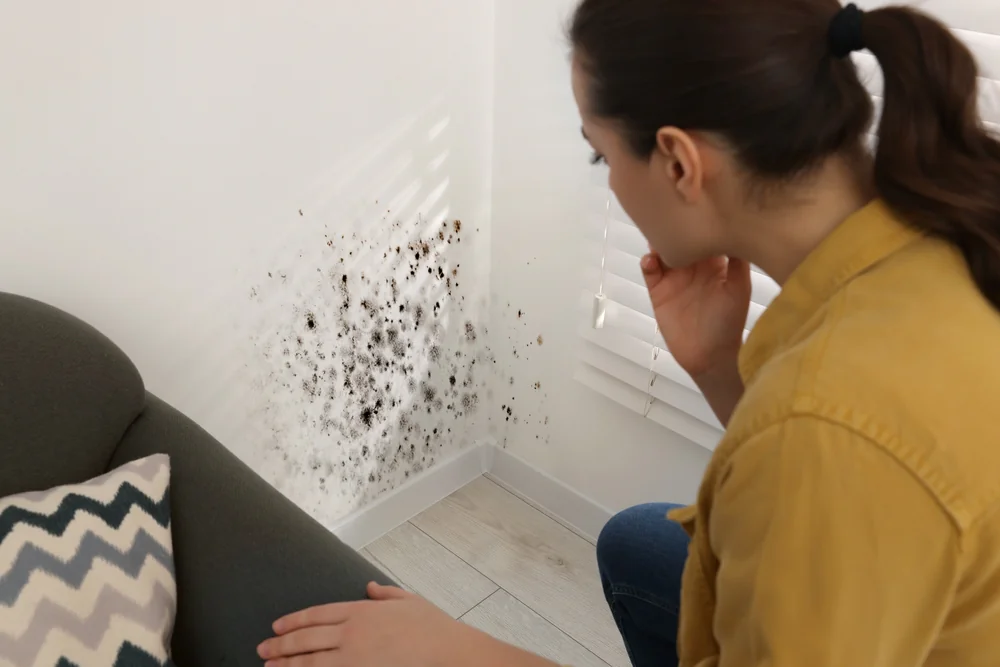
Don’t try to clean it yourself if the affected area is larger than about ten square feet, if you’re dealing with black mold, or if you have any health concerns. Disturbing mold releases spores into the air, and without proper containment, you’re spreading the problem to other areas of your home.
Call us for an inspection so you understand what you’re dealing with and what caused it. Take photos for your records and for insurance purposes if you think you’ll file a claim. If there’s active water intrusion – a leak, flooding, condensation – address that immediately to prevent the problem from getting worse.
Don’t wait to see if it goes away on its own. Mold can colonize within 24 to 48 hours of water exposure, and the longer it’s present, the more damage it causes and the more expensive mitigation becomes. Early intervention saves you money and protects your home’s structure and your family’s health. Get it assessed, understand your options, and make an informed decision about next steps.
Other Services we provide in Lower Pottsgrove