
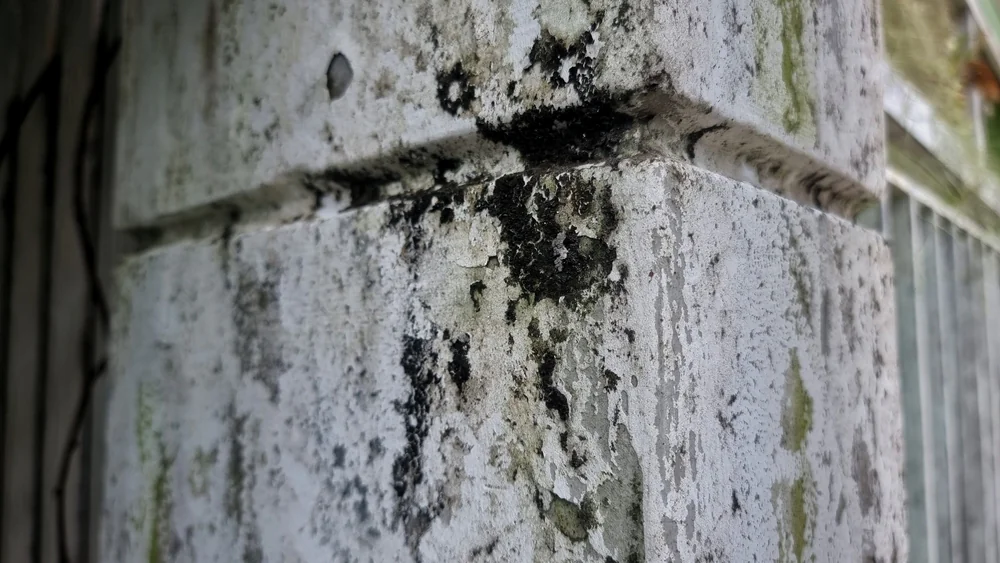
Hear from Our Customers
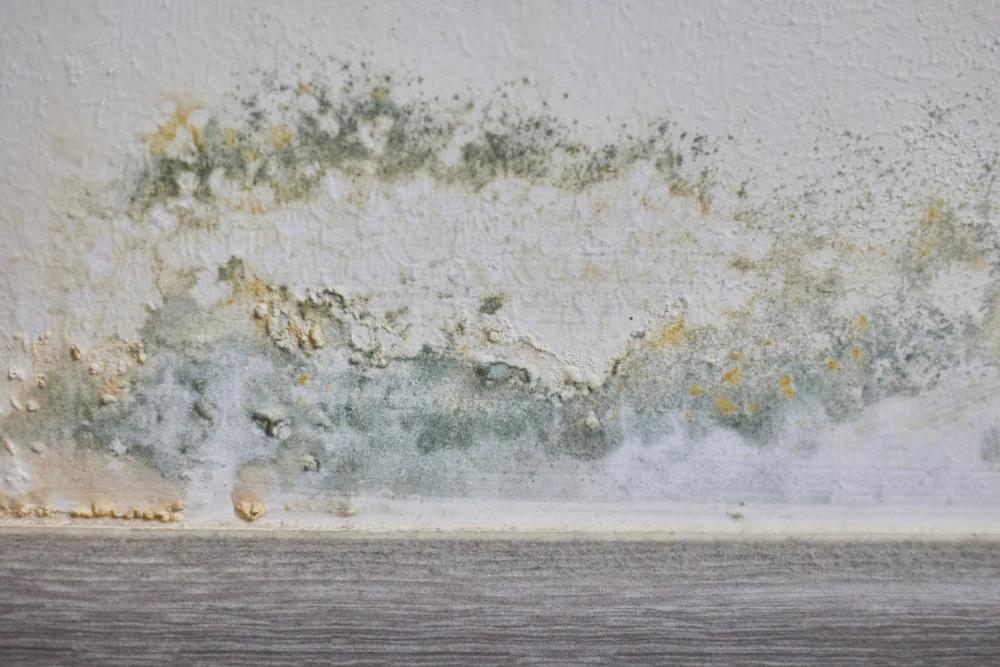
The musty smell disappears. Your family stops dealing with stuffy noses, sore throats, and that constant cough that won’t go away. You’re not wondering what’s growing behind the drywall every time it rains.
Real mold mitigation means you’re not calling someone back in six months because the problem returned. The air in your basement doesn’t make your eyes burn. Your kids’ allergy symptoms actually improve instead of getting worse every spring.
You get a home where moisture stays controlled, ventilation works the way it should, and mold doesn’t have the conditions it needs to grow. No more worrying about what’s happening in spaces you can’t see. No more wondering if that leak you fixed last year is still causing problems upstairs.
This is what happens when someone actually finds the source, removes the contamination properly, and prevents future growth instead of just cleaning what you can see on the surface.
We work throughout Lower Moreland and understand what homeowners in this area deal with. Older homes with brick basements that trap moisture. Humid summers combined with frequent rain. Poor ventilation in rowhouses where shared walls create condensation problems.
We’ve seen how basement leaks travel upward into bedrooms within days. We know that spring storms spike spore counts above 6,000 per cubic meter in the Philadelphia area—levels that turn minor moisture issues into major contamination fast.
You’re working with people who use moisture meters and infrared cameras to find mold hiding in places you’d never think to check. We work directly with insurance adjusters so you understand what’s covered before the work starts. And we focus on fixing the moisture source, not just treating the symptoms.
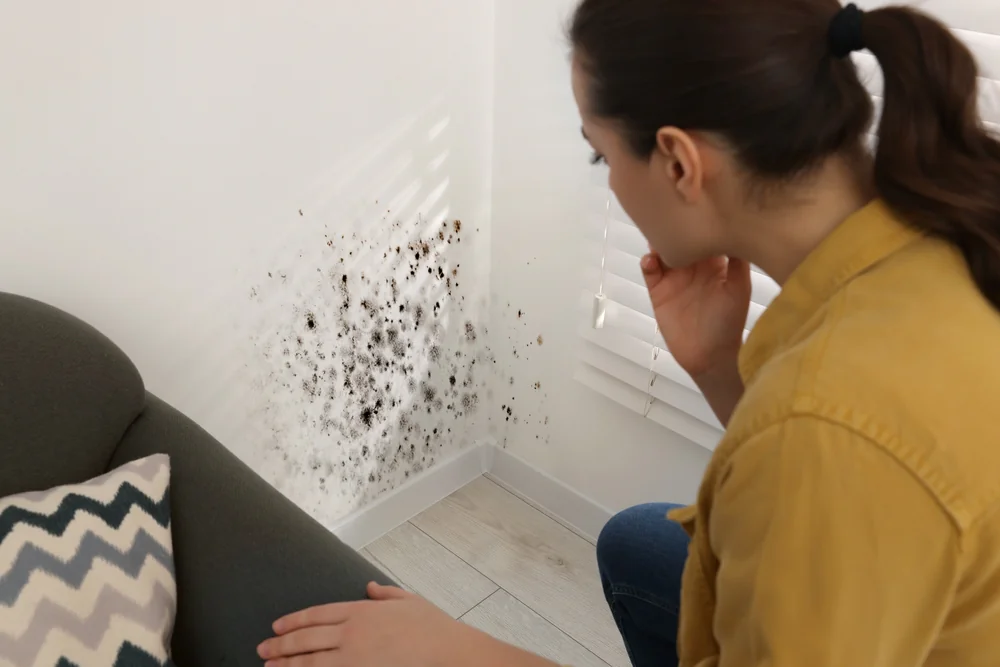
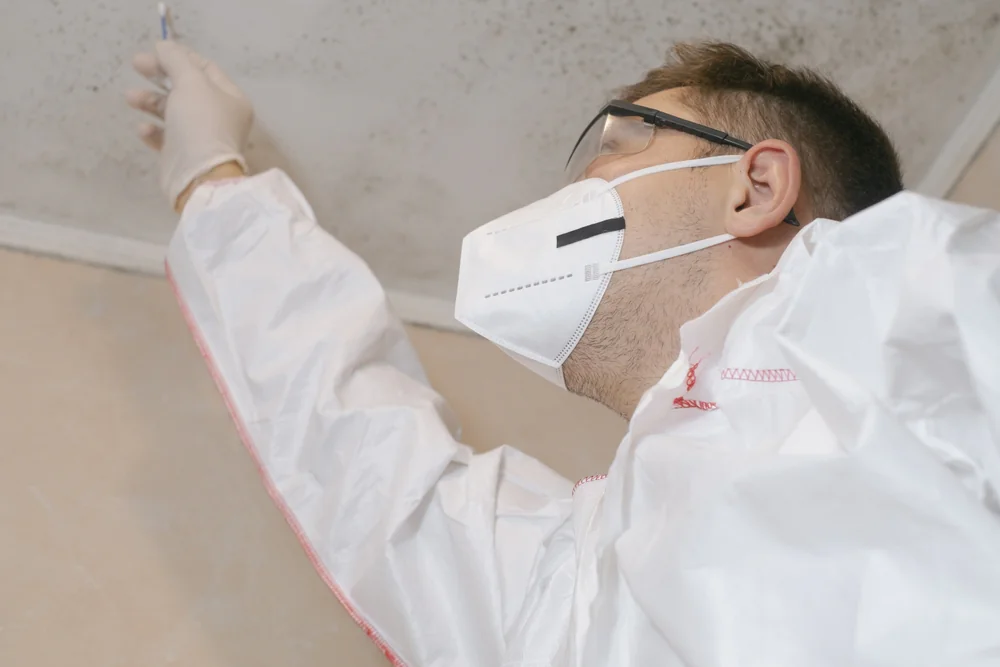
We start with a thorough inspection using professional detection tools. Moisture meters tell us where water is accumulating. Infrared cameras show us temperature differences that indicate hidden moisture behind walls, under floors, in ceiling cavities.
Then we identify why mold is growing in the first place. Is it a leak that needs repair? Ventilation that’s not working? Humidity levels that are too high? We address that source first—because if we don’t, you’ll be dealing with mold again in a few months.
Next comes containment. We seal off affected areas with physical barriers and negative air pressure systems so spores don’t spread to clean parts of your home during removal. HEPA vacuums and air scrubbers run continuously.
We remove contaminated materials that can’t be salvaged and clean everything that can be saved. Surfaces get treated with EPA-compliant solutions. Then we dry everything thoroughly and verify moisture levels are back to normal.
You get documentation of the work, recommendations for preventing future problems, and a home where mold levels are back to safe, normal ranges.
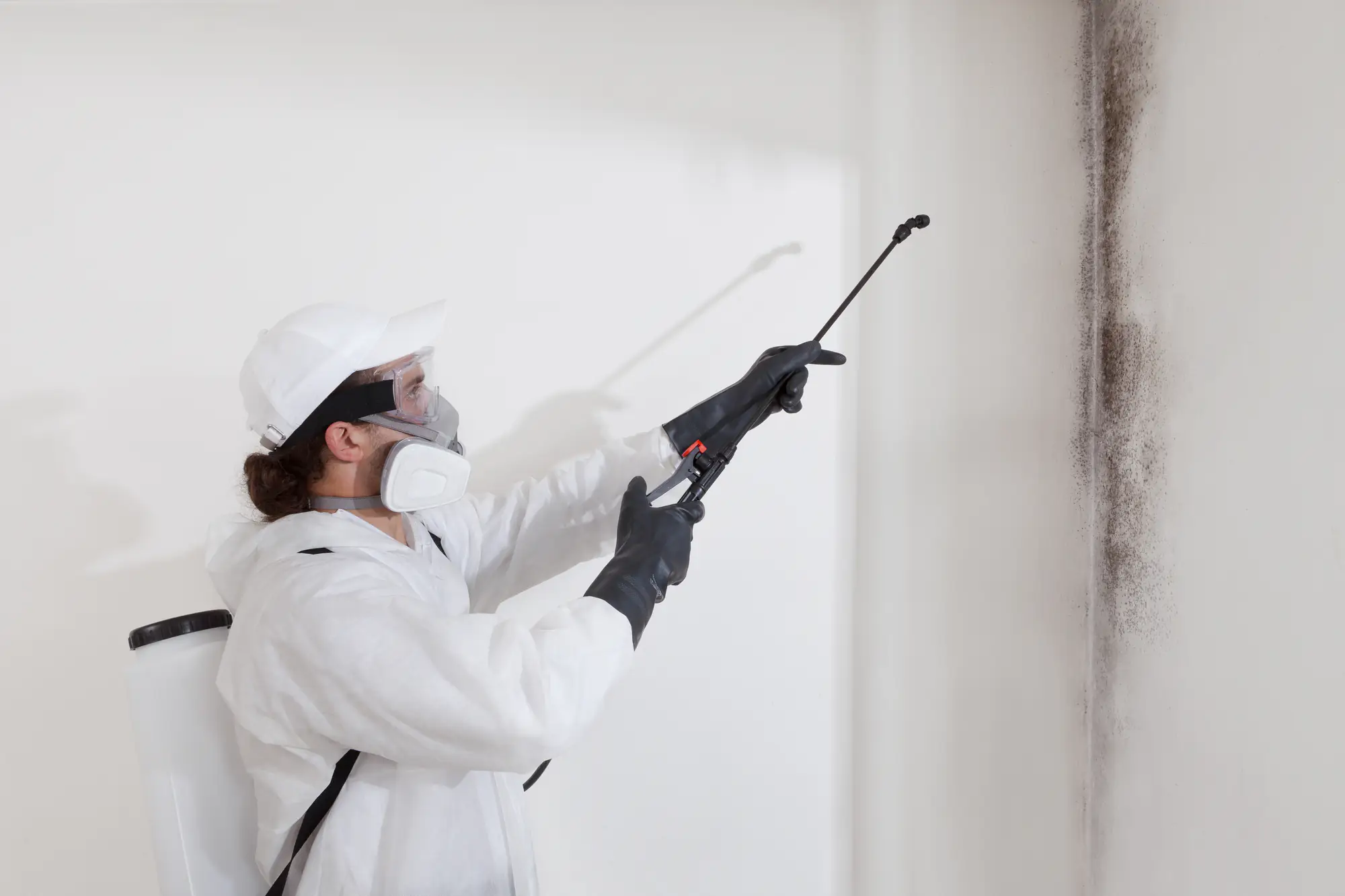
Ready to get started?
You get complete moisture source identification and repair—whether that means fixing leaks, improving ventilation, or installing dehumidifiers. This is what separates real mitigation from surface cleaning that doesn’t last.
We contain the work area so contamination doesn’t spread through your HVAC system to other rooms. Air filtration runs throughout the process. Affected materials get removed safely, and salvageable surfaces get cleaned and disinfected properly.
In Lower Moreland, this matters more than in newer construction areas. Older homes here have plaster walls, brick foundations, and ventilation systems that weren’t designed for today’s humidity levels. Frequent rain and humid summers create conditions where mold grows fast if moisture isn’t controlled.
You also get help navigating insurance coverage. Most policies cover sudden water events like burst pipes or storm damage but have limits on mold remediation—often between $10,000 and $25,000. We provide estimates upfront and work with your adjuster so there are no surprises when the bill comes.
The result is a home where you’re not dealing with recurring problems because we actually fixed what was causing mold growth instead of just treating the visible contamination.
Most residential mold mitigation projects take between three and seven days, depending on the extent of contamination and how many areas are affected. A single bathroom with mold around the tub might take two to three days. A finished basement with mold behind drywall and in the HVAC system could take a full week or longer.
The timeline depends on how long it takes to dry everything out after we remove contaminated materials. You can’t rush this part. If materials aren’t completely dry before we close everything back up, moisture remains and mold returns.
We’re also waiting for air quality testing to confirm spore levels are back to normal ranges before we call the job complete. You don’t want to move back into a space that still has elevated contamination just because the visible mold is gone.
It depends on what caused the mold. Insurance typically covers mold mitigation when it results from a sudden, accidental water event—like a burst pipe, storm damage, or a malfunctioning appliance. If mold developed because of long-term neglect, poor maintenance, or gradual leaks you didn’t address, coverage usually doesn’t apply.
Most policies also have coverage limits for mold, often between $10,000 and $25,000. If your mitigation costs more than that limit, you’re responsible for the difference. Some policies exclude mold coverage entirely or require you to purchase it as an add-on.
We provide detailed estimates before starting work and can communicate directly with your insurance adjuster. You’ll know upfront what’s likely to be covered and what you’ll pay out of pocket. No surprises when the bill arrives.
Mold removal sounds like you’re getting rid of every single spore, but that’s not realistic. Mold spores exist everywhere—in outdoor air, in your home, on surfaces. The goal isn’t zero mold, which is impossible. The goal is reducing mold to normal, safe levels and eliminating the conditions that allow it to grow.
Mold mitigation is the professional term for this complete process. It means identifying why mold is growing, fixing the moisture source, removing contamination, cleaning affected areas, and preventing future growth. You’re mitigating the problem, not just cleaning visible spots.
Someone who only does “mold removal” might scrub surfaces and call it done. But if they don’t fix the leak, improve ventilation, or address humidity issues, mold comes back. Real mitigation addresses the root cause so you’re not paying for the same service again next year.
Mold can start growing within 24 to 48 hours after materials get wet. If you have standing water from a leak or flood, mold spores that are already present in your home land on damp surfaces and begin germinating almost immediately when conditions are right.
This is why speed matters after water damage. Every day of delay means more spread, more contamination, and higher mitigation costs. What starts as a small patch of mold in one corner of your basement can travel through air ducts and spread to other rooms within a week.
In Lower Moreland’s humid climate, this happens even faster during spring and summer. When outdoor humidity is already high and temperatures are warm, wet materials in your home create perfect conditions for rapid mold growth. A basement leak can lead to mold in upstairs bedrooms within days if moisture seeps into wood framing and drywall.
Bleach kills mold on non-porous surfaces like tile or glass, but it doesn’t work on porous materials like drywall, wood, or insulation. The chlorine in bleach stays on the surface while water soaks in, potentially making the moisture problem worse. And bleach doesn’t address what caused mold in the first place.
The bigger issue is that visible mold is usually just part of the problem. If you’re seeing mold on a wall, there’s likely more growing behind that wall where you can’t reach it. Mold spreads through microscopic spores that become airborne and travel to other areas. Surface cleaning doesn’t address hidden contamination.
Professional mold mitigation means using moisture meters to find all affected areas, containing the workspace so spores don’t spread during removal, eliminating the moisture source, and verifying air quality is back to safe levels when the work is done. You can’t do that with a spray bottle of bleach.
Recurring mold usually means the moisture source was never fixed. You can clean visible mold off surfaces, but if water is still leaking, humidity is still too high, or ventilation still isn’t working, mold returns. It’s not the mold coming back—it’s new mold growing because conditions still support it.
Older homes in Lower Moreland face specific challenges. Brick basements trap moisture. Plaster walls absorb humidity. Ventilation systems weren’t designed for modern humidity levels. Shared walls in rowhouses create condensation problems. These structural issues need to be addressed, not just the mold itself.
This is why we focus on identifying and repairing moisture sources. We find the leak, improve the ventilation, install dehumidifiers if needed, and make sure water isn’t accumulating where it shouldn’t. When the environment doesn’t support mold growth anymore, it stops coming back.
Other Services we provide in Lower Moreland