
Hear from Our Customers
Your air quality improves within days. No more musty smell in the basement. No more wondering if that dark spot behind the washing machine is spreading.
You stop worrying about your kids’ respiratory health. You stop second-guessing whether you should’ve called someone sooner. And if you’re selling, buyers don’t walk away during inspection.
Real mold mitigation isn’t just removal. It’s identifying where moisture is getting in, fixing that problem, and making sure mold doesn’t come back next summer when Pennsylvania humidity hits 70%. That’s the difference between spending money once and spending it twice.
Lower Moreland homes—especially the older colonials—weren’t built with today’s moisture barriers. Crawl spaces, attics, and basements become perfect environments when humidity stays above 60% for weeks at a time. You need someone who understands how these homes behave in this climate.
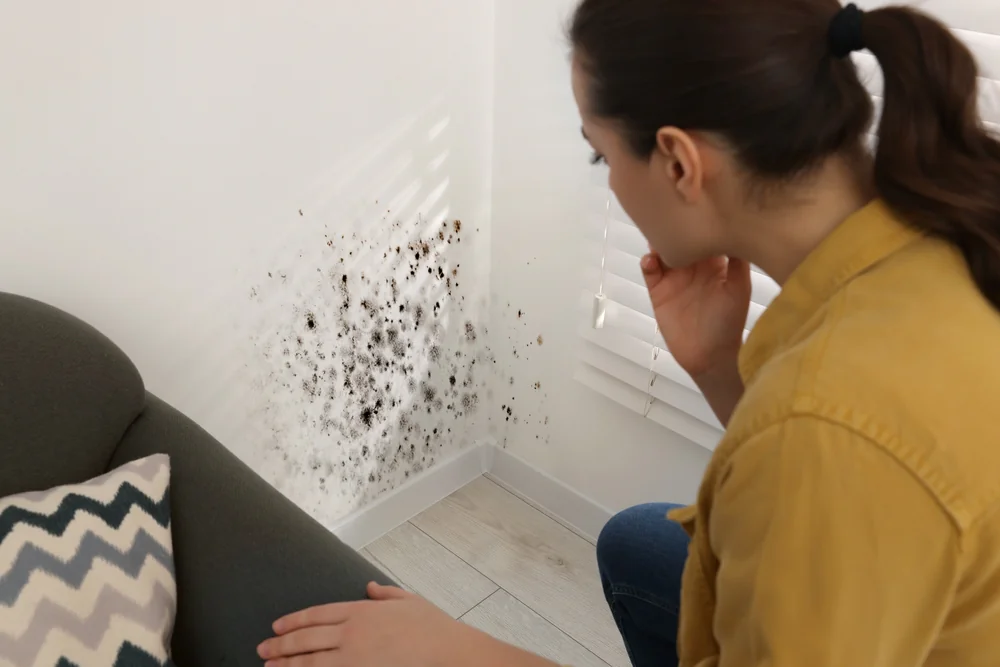
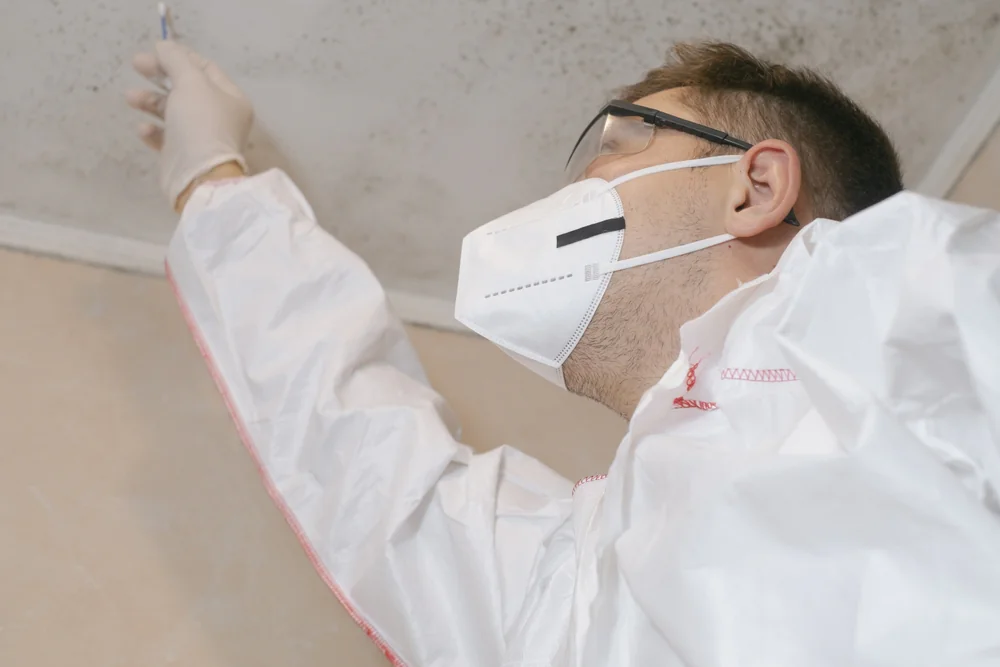
We start with a full property inspection. That means checking inside walls, under floors, in the HVAC system—not just the visible spots. We use moisture meters and thermal imaging to find where water is coming from, because if we don’t fix that, mold comes back.
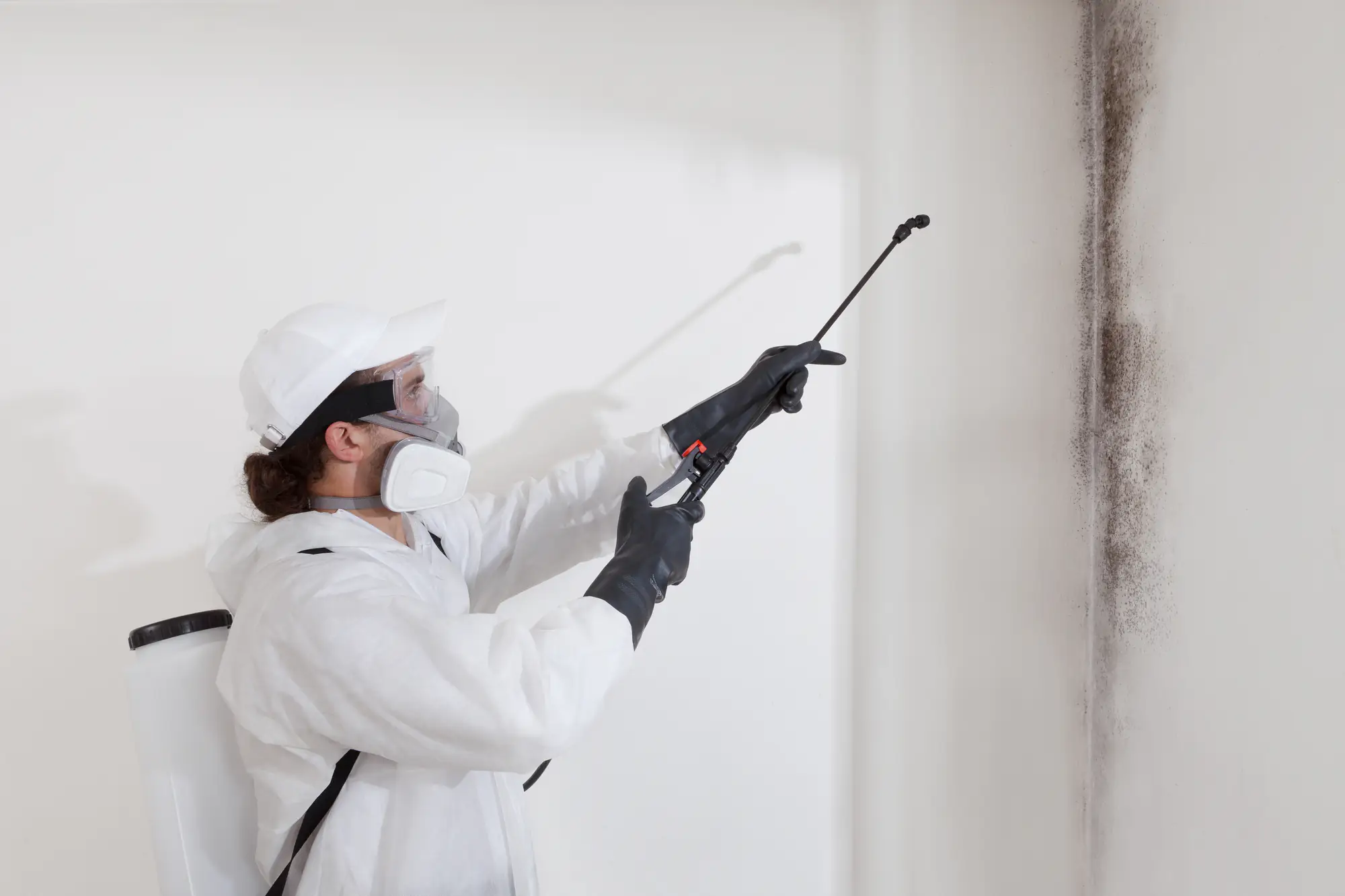
Once we know what we’re dealing with, we contain the area to prevent spores from spreading during removal. Then we remove contaminated materials, treat affected surfaces, and dry everything out completely. This isn’t a spray-and-pray situation.
After removal, we address the source. That could mean fixing a leak, improving ventilation, or installing a dehumidifier. We also test the air quality to confirm mold levels are back to normal before we’re done.
You’ll get documentation for your records and for insurance if you’re filing a claim. The whole process typically takes 3-5 days depending on the size of the affected area, but we’ll give you a timeline upfront so you’re not guessing.
Ready to get started?
Every mold mitigation project includes inspection, testing, containment, removal, moisture control, and air quality verification. You’re not paying for five separate services—it’s all part of fixing the problem correctly.
In Lower Moreland, we see a lot of attic mold from poor ventilation and crawl space issues from groundwater. Both are common in homes built before 2000. If your home has a finished basement, we check behind drywall and under flooring where water damage hides.
We also work directly with your insurance company if you’re filing a claim. Most homeowner policies cover mold mitigation if it’s related to a covered event like a burst pipe or storm damage. We’ll provide the documentation they need and walk you through what’s covered.
Pennsylvania’s climate makes mold prevention harder than in drier states. Summer humidity regularly hits 70-80%, and that’s when mold growth accelerates. We don’t just remove what’s there—we help you set up systems to keep it from coming back. That might mean better gutter drainage, a vapor barrier in your crawl space, or a whole-house dehumidifier.
Mold removal means cleaning up visible mold. Mold mitigation means finding out why you have mold in the first place and fixing that problem so it doesn’t keep coming back.
If you have mold because a pipe leaked, removal gets rid of the mold. Mitigation fixes the pipe, dries out the area completely, and makes sure moisture levels are low enough that mold won’t regrow. It’s a bigger process, but it’s the only one that actually solves the problem.
Most homeowners who try DIY removal or hire the cheapest company end up with mold again within a year. That’s because the moisture source was never addressed. You can bleach mold off a surface, but if humidity is still above 60% in that space, new mold will grow within weeks.
Most residential mold mitigation projects take 3-5 days from start to finish. That includes inspection, containment, removal, drying, and final air quality testing.
Smaller jobs—like a single bathroom or small section of basement—might be done in 1-2 days. Larger projects, like a flooded crawl space or attic with widespread growth, can take a week or more. The timeline depends on how much area is affected and how long it takes to dry everything out completely.
We don’t rush the drying phase. If materials aren’t fully dry before we close everything up, you’ll have mold again in a few months. We use industrial dehumidifiers and air movers, and we measure moisture levels to confirm everything is below 20% before we finish. That’s the standard for preventing regrowth.
It depends on what caused the mold. If mold resulted from a sudden, covered event—like a burst pipe, roof leak during a storm, or appliance malfunction—most policies will cover mitigation costs.
If mold developed because of long-term neglect, like ignoring a slow leak for months, insurance typically won’t cover it. Policies also exclude mold from flooding unless you have separate flood insurance. Every policy is different, so you’ll need to check your specific coverage.
We work with insurance companies regularly and can help you document everything they’ll need for a claim. That includes photos, moisture readings, scope of work, and itemized costs. We’ve helped dozens of Lower Moreland homeowners get claims approved by providing the right paperwork upfront. If your claim is denied, you’ll know before we start work, not after.
Usually, yes—but it depends on where the mold is and how much there is. If we’re working in your basement or attic and can seal off that area completely, you can stay in the rest of the house without any issues.
If mold is in your HVAC system or spread across multiple rooms, we might recommend staying elsewhere for a few days. When mold spores get disturbed during removal, they can circulate through the air. We use containment barriers and negative air pressure to prevent that, but there’s always some risk if you’re in the house while we’re working.
For families with young kids, elderly members, or anyone with asthma or respiratory issues, we usually suggest staying somewhere else even if it’s technically safe. It’s not worth the risk, and most projects are done within a week anyway. We’ll give you an honest recommendation based on your specific situation—not a blanket answer that applies to everyone.
If the mold covers less than 10 square feet and you know exactly what caused it—like a small spill that wasn’t dried quickly—you can probably clean it yourself with the right products. Anything larger than that, or anything you can’t explain, needs professional mitigation.
You also need mitigation if mold keeps coming back in the same spot, if you smell mold but can’t see it, or if it’s in your HVAC system or inside walls. Those situations mean there’s a moisture problem you’re not seeing, and surface cleaning won’t fix it.
In Lower Moreland, we see a lot of homeowners who cleaned bathroom mold three times before calling us. By the time we inspect, it’s spread behind the drywall and into the subfloor. What could’ve been a $1,500 job turns into $5,000 because the problem wasn’t caught early. If you’re not sure, get a free inspection. It’s better to know what you’re dealing with than to guess and make it worse.
If mold returns in the same area within a reasonable timeframe, that means the moisture source wasn’t fully addressed during mitigation. A good mold mitigation company will come back and figure out what was missed.
We guarantee our work. If mold regrows in an area we treated, we’ll reinspect at no charge and determine why. Sometimes it’s a new leak that developed after we finished. Sometimes it’s a ventilation issue that wasn’t obvious during the first visit. Either way, we’ll identify the cause and fix it.
Mold shouldn’t come back if mitigation was done correctly and the moisture source was eliminated. If it does, you’re either dealing with a new problem or the original work was incomplete. That’s why documentation matters—you need records showing moisture levels were brought down to safe levels and that the source was repaired. We provide that documentation with every job so there’s no question about what was done.
Other Services we provide in Lower Moreland