
Hear from Our Customers
That musty smell disappears. The air in your basement doesn’t feel heavy anymore. You stop wondering what’s growing behind the drywall every time it rains.
Real mold mitigation means your family isn’t breathing spores that trigger asthma or allergies. It means the crawl space under your Main Line home isn’t a breeding ground for black mold. It means you can use your basement again without that nagging concern about what’s happening where you can’t see.
You get documentation for insurance. You get a moisture map that shows exactly where water’s getting in. And you get a 3-year workmanship guarantee because we’re not guessing—we’re fixing the problem at the source so it actually stays fixed.
We’ve been handling mold mitigation in Lower Merion since before most companies understood the difference between cleaning mold and actually mitigating it. We know these homes—the stone foundations that let moisture seep through, the basements that weren’t designed as living spaces but are being used that way now, the HVAC systems working overtime during Pennsylvania’s humid summers.
Our technicians carry IICRC certifications because mold mitigation isn’t something you learn from a weekend course. We use thermal cameras to find moisture you can’t see, send samples to independent labs for analysis, and document everything so your insurance claim doesn’t get denied over missing paperwork.
You’re not getting a national franchise that doesn’t know Lower Merion. You’re getting a local company that’s seen what happens to Main Line homes when humidity spikes and foundations age.
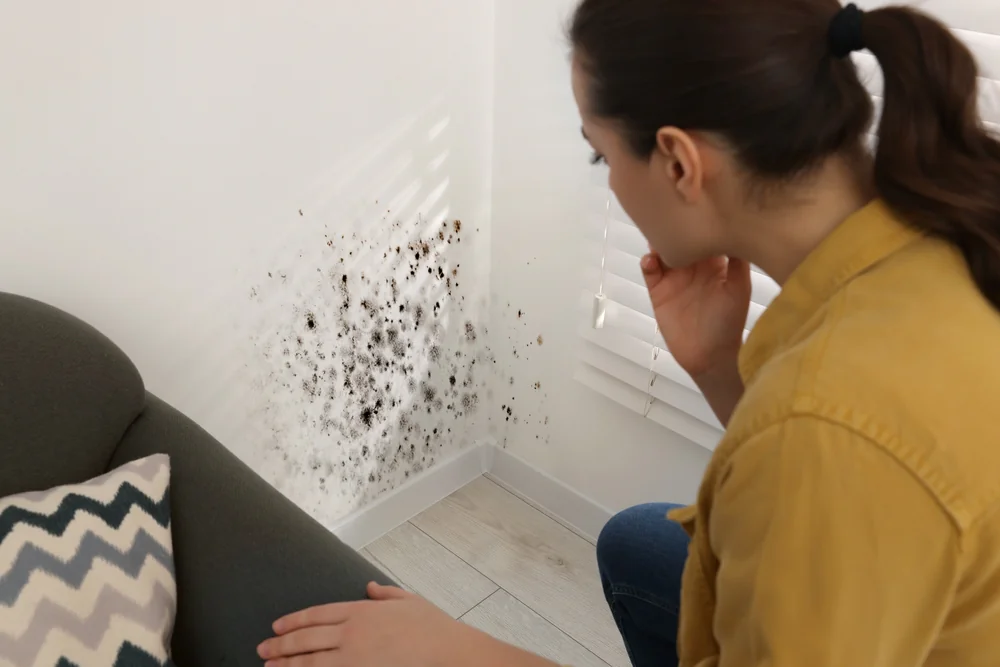
We start with a full property inspection. That means checking wall cavities, crawl spaces, attics, and HVAC systems with thermal imaging that detects moisture before it becomes visible mold. We take air samples and surface samples, then send them to an independent lab so you know exactly what you’re dealing with.
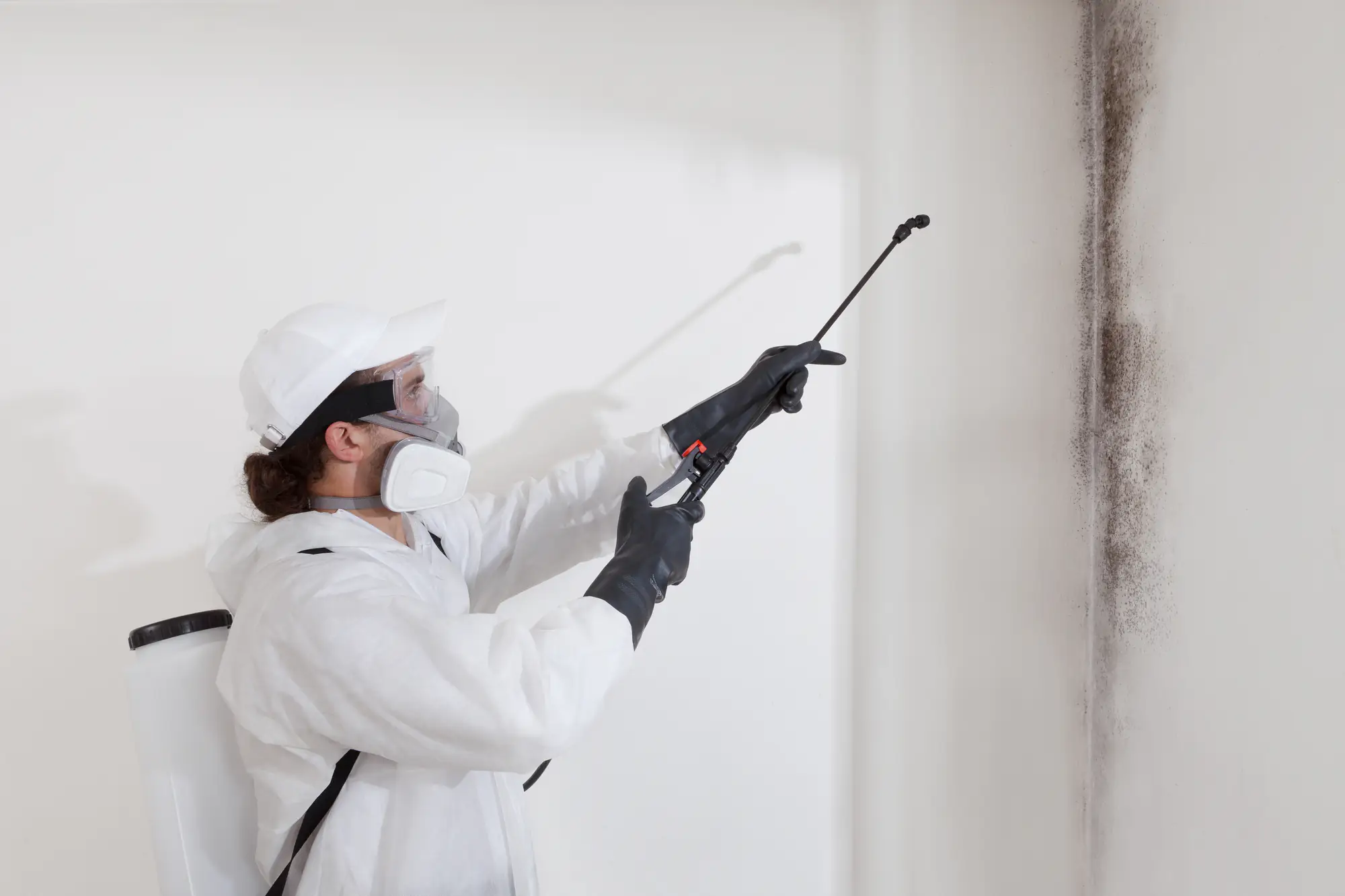
Once we identify the contaminated areas, we contain them. We’re not letting spores spread to clean parts of your home while we work. Then we remove materials that can’t be salvaged—drywall, insulation, or wood that’s been compromised. We clean and treat surfaces that can be saved using EPA-approved methods.
But here’s the part most companies skip: we find where the water is coming from and give you specific recommendations to fix it. Maybe it’s foundation repair, better drainage, HVAC maintenance, or roof work. Without fixing the moisture source, you’re just paying for mold mitigation again next year. We document everything, provide detailed reports for your insurance company, and don’t consider the job done until your home is back to normal, safe mold levels.
Ready to get started?
You get a full property inspection with moisture mapping and air quality testing. We handle black mold mitigation in bathrooms and basements, attic mold mitigation from roof leaks or poor ventilation, and crawl space mold mitigation where humidity gets trapped under older Main Line homes.
In Lower Merion, we’re dealing with homes built before modern moisture barriers existed. After severe storms, local spore counts in the Philadelphia area can exceed 6,000 spores per cubic meter—levels considered very high for respiratory risk. If your home already has hidden moisture issues, those elevated outdoor spore counts make indoor growth even more likely.
We take out contaminated materials, treat salvageable surfaces, and control moisture so new growth doesn’t start. You get documentation that insurance companies actually accept—photos, lab reports, moisture readings, and source identification. We work directly with your insurer because most homeowners insurance covers mold if it resulted from a sudden water event like a burst pipe or storm damage.
You also get a 3-year workmanship guarantee on our labor. We’re not a company that does the minimum and hopes you don’t call back. We fix it right because we’ve been serving this area for 27 years and plan to be here for 27 more.
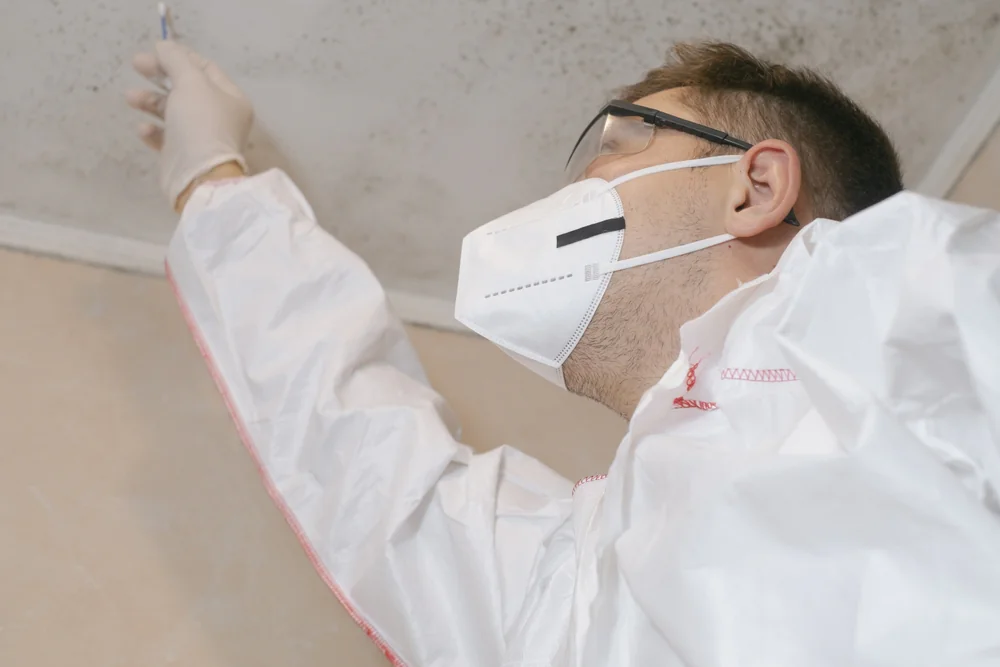
Most residential mold mitigation projects in Lower Merion take between three to five days, but the timeline depends on how much contamination we find and whether structural materials need to be removed. A small bathroom with surface mold might take two days. A basement with black mold behind drywall and in the HVAC system could take a week.
We don’t rush the process because cutting corners means the mold comes back. Containment takes time. Removing contaminated materials safely takes time. Treating surfaces and verifying air quality takes time. You’re not paying us to make the visible mold disappear—you’re paying us to reduce mold levels to normal, safe levels and fix the moisture issue so it doesn’t return.
After we finish, we do post-mitigation testing to confirm the air quality is back to acceptable levels. You get documentation showing the work was done correctly. Some homeowners skip this step to save money upfront, then pay for mold mitigation again a year later when the problem resurfaces.
Most homeowners insurance policies cover mold mitigation if the mold resulted from a sudden, accidental water event—like a burst pipe, storm damage, or appliance leak. They typically don’t cover mold from long-term neglect, like a slow roof leak you ignored for months or a basement that’s been damp for years.
The key is documentation. Insurance adjusters want to see proof of the water source, photos of the damage, lab reports confirming what type of mold you’re dealing with, and a clear timeline. We’ve handled plenty of insurance claims over the years, and we know what documentation adjusters are looking for.
We photograph everything, document the source, and help you file claims correctly. We work directly with your insurance company and provide all the reports they need. But you need to act fast—most policies require you to report water damage within a specific timeframe, and the longer you wait, the harder it is to prove the mold came from a covered event.
Mold removal sounds like you’re getting rid of every single spore, but that’s not realistic. Mold spores exist everywhere—in outdoor air, in your HVAC system, on surfaces throughout your home. Any company promising complete mold removal either doesn’t understand the science or is overselling what’s achievable.
Mold mitigation means reducing mold levels to normal, safe levels and removing contaminated materials that can’t be salvaged. We take out drywall, insulation, or wood that’s been compromised. We clean and treat surfaces that can be saved. We control moisture so new growth doesn’t start. That’s mitigation—bringing your home back to a safe, livable condition.
The EPA and IICRC use the term “mitigation” for a reason. It’s honest. It’s achievable. And it’s what actually protects your family’s health and your property value. You’re not paying for an impossible standard—you’re paying for a home where mold levels are back to normal and the conditions that caused growth in the first place are fixed.
If you’re seeing mold growth larger than about ten square feet, or if you’re smelling that persistent musty odor even after cleaning, you likely need professional mold mitigation. Surface cleaning works for small, isolated spots—like a little mildew on bathroom grout. But if mold keeps coming back, or if it’s growing on porous materials like drywall or insulation, cleaning won’t solve the problem.
Mold grows because there’s a moisture source. Maybe it’s a foundation crack letting water seep in during storms. Maybe it’s condensation from an HVAC system that’s struggling with Pennsylvania’s humid summers. Maybe it’s a slow roof leak you didn’t know about. Until you fix the moisture issue, the mold will keep returning no matter how much bleach you use.
We see this all the time in Lower Merion homes—homeowners try DIY cleaning for months, then call us when the problem spreads. By that point, contamination has moved into wall cavities, crawl spaces, or ductwork. Professional mold mitigation means finding the source, removing what’s contaminated, and fixing the conditions so it doesn’t come back next season.
Yes, but only if the mitigation addresses the actual source of moisture and removes contaminated materials—not just surface mold. Exposure to black mold and other mold types can cause respiratory issues, skin irritation, eye irritation, and more serious problems for people with allergies, asthma, or weakened immune systems. Mold releases spores and mycotoxins into the air, and when your family breathes that air day after day, health effects add up.
Professional mold mitigation reduces those spore levels back to normal, safe ranges. We remove the materials where mold is actively growing, treat surfaces that can be salvaged, and control the moisture that’s feeding the problem. After mitigation, your indoor air quality improves because we’re not just masking the issue—we’re eliminating the contamination.
That said, if you have family members already experiencing symptoms, you should talk to a doctor. Mold mitigation fixes your home environment, but it’s not medical treatment. What it does is stop the ongoing exposure so symptoms don’t get worse and your home becomes a safe place to live again.
Because the moisture source was never fixed. You can clean mold off surfaces a hundred times, but if water’s still seeping through your foundation, condensation is still forming on cold pipes, or humidity is still trapped in your crawl space, mold will keep growing back. It’s not a cleaning problem—it’s a moisture problem.
Lower Merion homes, especially older Main Line properties, often have stone foundations that weren’t built with modern waterproofing. Basements that were designed for storage are now being used as living spaces, but the ventilation and drainage weren’t upgraded to match. When Pennsylvania’s humid summers hit, or when heavy rains saturate the ground around your foundation, moisture finds its way in.
Professional mold mitigation means we don’t just treat the mold you can see. We find where the water is coming from and give you specific recommendations to fix it—whether that’s foundation repair, better drainage, HVAC maintenance, or roof work. Without addressing the source, you’re wasting money on temporary fixes that don’t last.
Other Services we provide in Lower Merion