
Hear from Our Customers
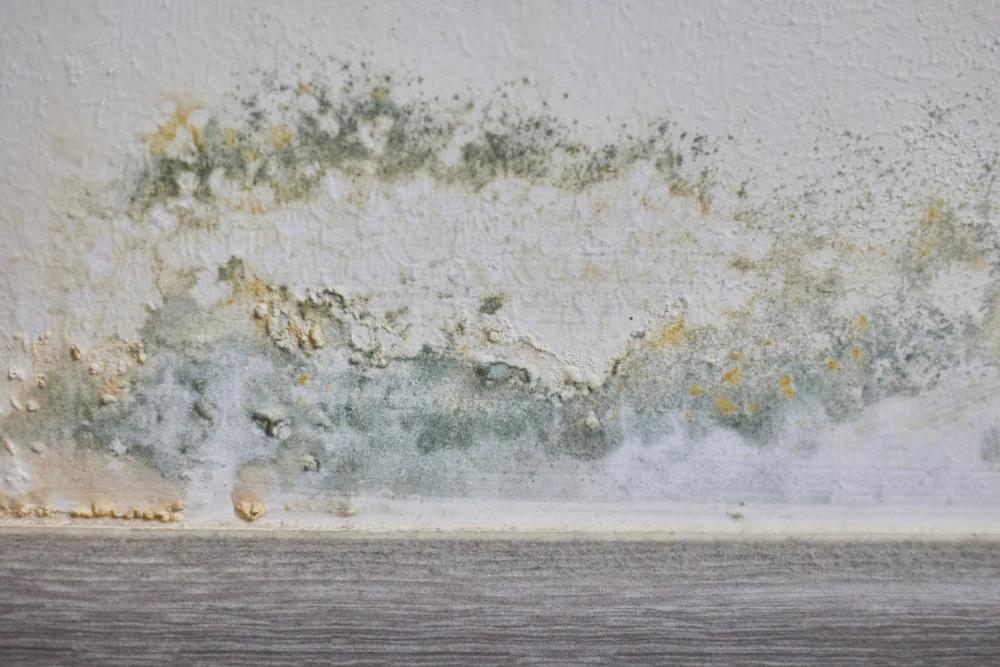
You walk into your basement and that smell hits you again. Musty, damp, wrong. You’ve tried dehumidifiers and opened windows, but it keeps coming back because the problem isn’t just moisture—it’s mold that’s already growing behind walls, in crawl spaces, or around HVAC systems where you can’t see it.
Mold mitigation stops the spread and removes what’s already there. You get air that doesn’t make you cough. Spaces that stay dry. A home where you’re not wondering what’s growing behind the drywall every time it rains.
The longer mold sits, the more it spreads. It moves through air ducts, seeps into insulation, and turns a small problem into an expensive one. Professional mold mitigation in Lower Merion means catching it early, removing it completely, and fixing the moisture issue so it doesn’t come back next season.
Mack’s Mold Removal has served Lower Merion for over 27 years. We know what happens to older Main Line foundations when Pennsylvania humidity spikes in summer. We know how HVAC systems in these homes work overtime and create condensation issues. We know the basements that weren’t built to be living spaces but are being used that way now.
Our technicians carry IICRC certifications and use EPA-approved methods because mold mitigation isn’t something you wing. You’re dealing with spores that affect air quality and health, especially for kids and anyone with asthma. We document everything for insurance, respond fast when you call, and don’t leave until the job’s done right.
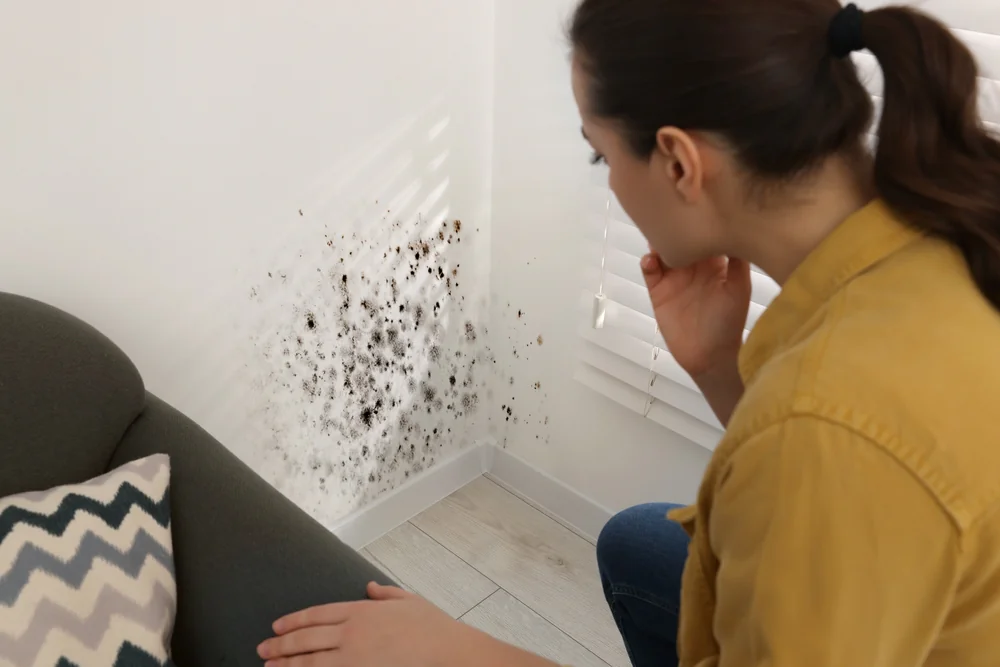
First, we inspect the entire property—not just where you see mold. We check wall cavities, crawl spaces, attics, and HVAC systems with thermal cameras that detect moisture you can’t see. We test air quality to measure spore counts and take surface samples if needed.
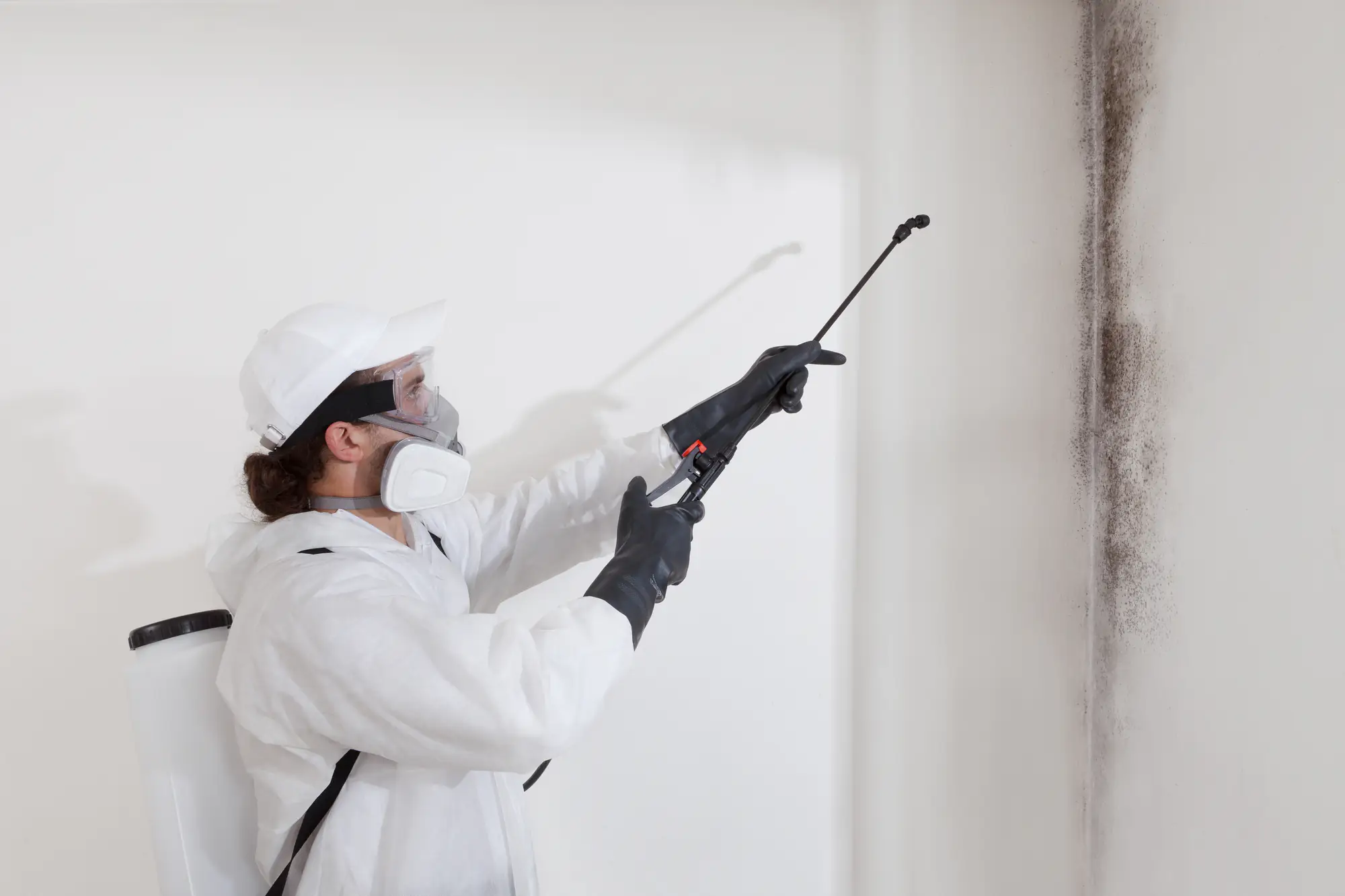
Then we contain the affected area so spores don’t spread during removal. We use negative air pressure and physical barriers to keep the rest of your home clean. All contaminated materials get removed and disposed of properly—drywall, insulation, whatever’s been compromised.
After removal, we treat surfaces with antimicrobial solutions and dry everything completely. This is where most companies stop, but we go further. We identify the moisture source—whether it’s a foundation crack, poor drainage, HVAC condensation, or roof leak—and give you a clear plan to fix it. Otherwise, you’re just waiting for mold to come back.
Ready to get started?
You get a full property inspection with moisture mapping and air quality testing. We handle black mold mitigation in bathrooms and basements, attic mold mitigation from roof leaks or poor ventilation, and crawl space mold mitigation where humidity gets trapped under older Main Line homes.
Lower Merion’s housing stock includes many homes built before modern moisture barriers existed. These properties are beautiful but vulnerable. Flexible foundations that let water seep in during wet conditions. Basements designed for storage, not living. HVAC systems that struggle with Pennsylvania’s humid summers and create perfect conditions for mold growth.
We work directly with your insurance company and provide all documentation they need. Most homeowners insurance covers mold if it resulted from a sudden water event like a burst pipe or storm damage. We photograph everything, document the source, and help you file claims correctly. You also get a 3-year workmanship guarantee on our labor because we stand behind the work.
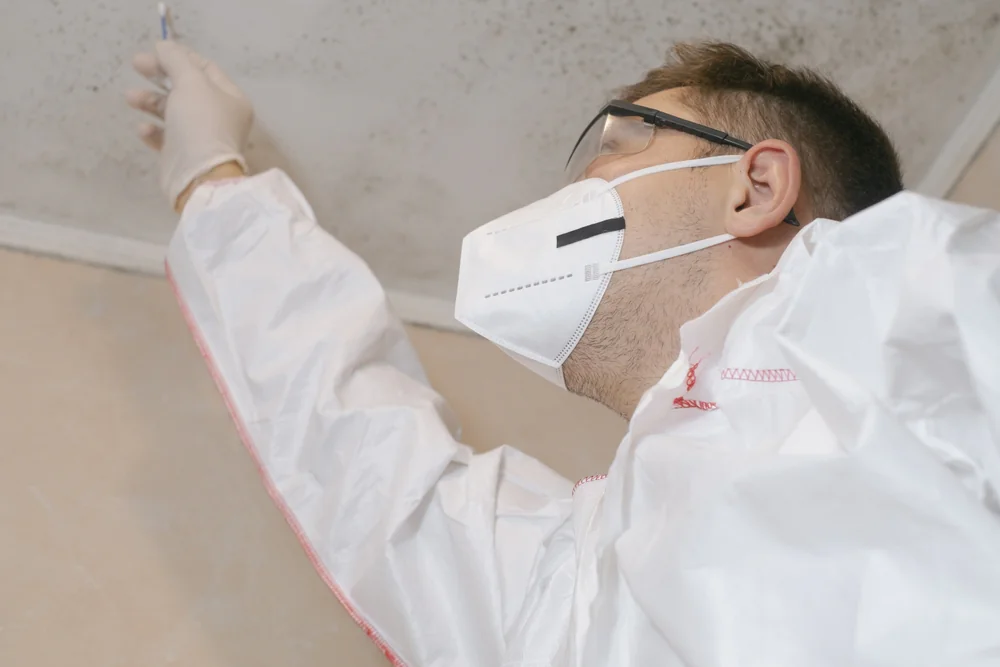
Mold can start growing within 24 to 48 hours after water exposure, especially in Pennsylvania’s humid climate where moisture lingers. In Lower Merion homes with older foundations and limited ventilation, that timeline can be even shorter because the conditions are already favorable for growth.
The real problem isn’t just visible mold on surfaces. It’s the spores that become airborne and travel through your HVAC system to other parts of the house. A basement leak can lead to mold in upstairs bedrooms within days if the moisture isn’t addressed immediately.
After severe storms, local spore counts in the Philadelphia area can exceed 6,000 spores per cubic meter—levels considered very high for respiratory risk. If your home already has hidden moisture issues, those elevated outdoor spore counts make indoor growth even more likely. Fast response matters because every day of delay means more spread, more contamination, and higher remediation costs.
It depends on what caused the mold. Most homeowners insurance policies cover mold mitigation if it resulted from a sudden, accidental water event like a burst pipe, storm damage, or appliance malfunction. They typically don’t cover mold from long-term maintenance issues like a slow roof leak you ignored or chronic basement seepage.
The key is documentation and timing. Insurance companies want proof that you acted quickly after discovering water damage. If you wait weeks or months to address it, they may deny the claim arguing you allowed the problem to worsen. We photograph everything, document the moisture source, and provide detailed reports that help your claim get approved.
Most policies also have coverage limits for mold—often between $10,000 and $25,000. If the mitigation costs more, you’re responsible for the difference. We work directly with insurance adjusters, provide estimates before starting work, and help you understand what’s covered so there are no surprises when the bill comes.
Mold removal sounds like you’re getting rid of every single spore, but that’s not realistic. Mold spores exist everywhere—they’re part of normal outdoor and indoor air. Complete removal isn’t possible and isn’t the goal.
Mold mitigation means reducing mold levels to normal, safe levels and removing contaminated materials that can’t be salvaged. We take out drywall, insulation, or wood that’s been compromised. We clean and treat surfaces that can be saved. We control moisture so new growth doesn’t start.
The focus is on making your home safe and preventing future problems, not chasing an impossible standard of zero spores. Any company promising complete mold removal either doesn’t understand the science or is overselling what’s achievable. What matters is getting spore counts back to normal levels, eliminating active growth, and fixing the conditions that allowed mold to thrive in the first place.
Crawl space mold mitigation is common in Lower Merion because many older Main Line homes have crawl spaces that weren’t designed with modern moisture barriers or ventilation. These spaces trap humidity, especially during Pennsylvania summers, and create perfect conditions for mold growth on floor joists and insulation.
We start by removing all contaminated insulation and treating wooden structural members with antimicrobial solutions. Then we address the moisture source—usually a combination of ground moisture, poor drainage, and inadequate ventilation. We often recommend vapor barriers on the ground, improved drainage around the foundation, and sometimes encapsulation depending on how the space is used.
The challenge with crawl space mold is that it directly affects your indoor air quality. Air from the crawl space rises into your living areas, carrying spores with it. You might notice musty smells upstairs or experience respiratory symptoms without realizing the source is below your feet. Proper crawl space mitigation doesn’t just treat the mold—it changes the environment so it can’t come back.
It depends on the size and location of the affected area. For small, contained jobs like a bathroom or single room, you can usually stay in your home. We seal off the work area with physical barriers and use negative air pressure to prevent spores from spreading to other rooms.
For larger jobs involving multiple rooms, extensive black mold, or work near HVAC systems, we may recommend staying elsewhere temporarily. This is especially true if anyone in your household has asthma, allergies, or compromised immune systems. Even with containment, there’s some disturbance during removal that can temporarily elevate spore counts.
Most Lower Merion mold mitigation projects take 2 to 5 days depending on the extent of contamination and drying time needed. We give you a clear timeline upfront so you can plan accordingly. If you need to leave, we coordinate the work to minimize disruption and keep you updated daily on progress. Your safety during the process matters as much as the final result.
Mold comes back when the moisture source wasn’t fixed. You can remove every visible trace of mold, treat surfaces with the best antimicrobials available, and clean the air—but if water is still getting in, new mold will grow. It’s not a treatment failure. It’s a moisture problem.
Common moisture sources in Lower Merion homes include foundation cracks that let groundwater seep in during heavy rain, poor grading that directs water toward the house instead of away from it, HVAC condensation from systems working overtime in humid weather, and roof leaks that go unnoticed until water stains appear on ceilings.
We don’t just treat the mold you can see. We find where the water is coming from and give you specific recommendations to fix it—whether that’s foundation repair, better drainage, HVAC maintenance, or roof work. Some homeowners skip this step to save money upfront, then pay for mold mitigation again a year later. The moisture control is what makes the treatment permanent.
Other Services we provide in Lower Merion