
Hear from Our Customers
You wake up without that musty smell hitting you. Your family stops dealing with those nagging coughs and sneezing fits that seemed to come from nowhere. The constant worry about what’s growing behind your walls? Gone.
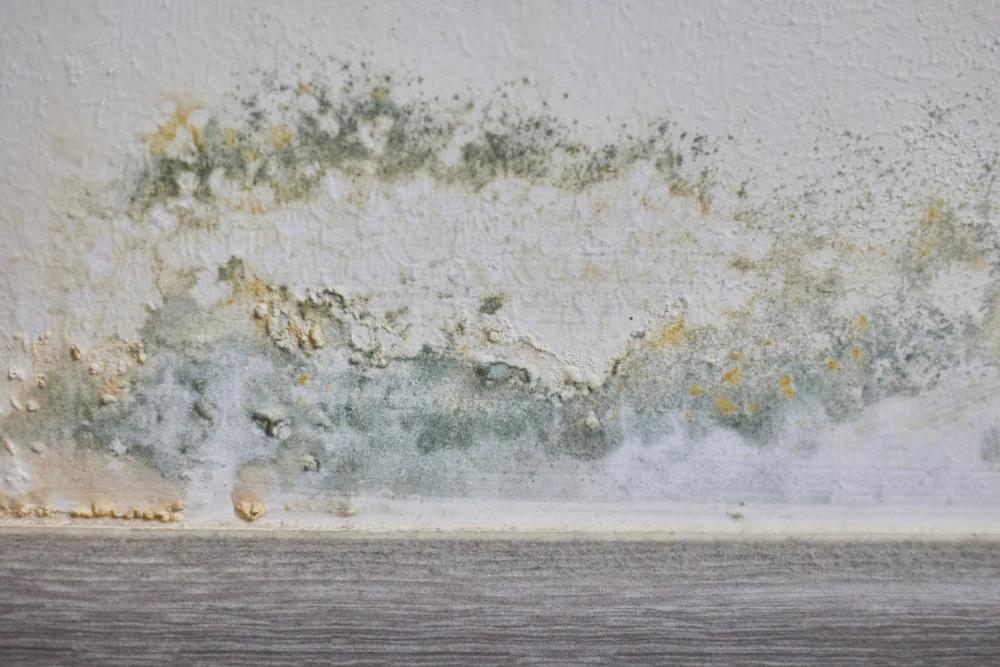
That’s what happens when mold mitigation is done right. Not just surface cleaning that buys you a few weeks. Actual mitigation that identifies why mold is growing in the first place, eliminates the moisture problem, removes existing contamination, and prevents future growth.
Your home’s air quality improves dramatically. You can actually breathe easy knowing your property value is protected. If you’ve got a leaky pipe, poor ventilation, or basement moisture issues common in Lower Gwynedd’s older homes, scrubbing the surface won’t fix anything. The mold will be back in weeks.
We use moisture meters and infrared cameras to find mold hiding behind walls, under floors, and in places you’d never think to check. Then we eliminate it at the source. That’s the difference between a temporary fix and lasting results.
We’ve been serving Montgomery County for over two decades. We’re not a franchise following a script from another state. We know Lower Gwynedd’s housing stock—the mix of luxury estates and well-appointed townhomes built in the early 1980s, the basement moisture issues that come with properties near creeks and wooded areas, the humidity that hits every summer and doesn’t let up.
We’ve done over 2,000 mold inspections across the Philadelphia region. We’re certified through InterNACHI as mold inspectors, and we’ve spent more than two decades in construction, so we understand how buildings work and where problems hide. That matters when you’re dealing with 40-year-old homes that weren’t built with modern ventilation systems.
You’re not getting a sales pitch. You’re getting someone who’s seen this problem hundreds of times and knows exactly how to fix it.
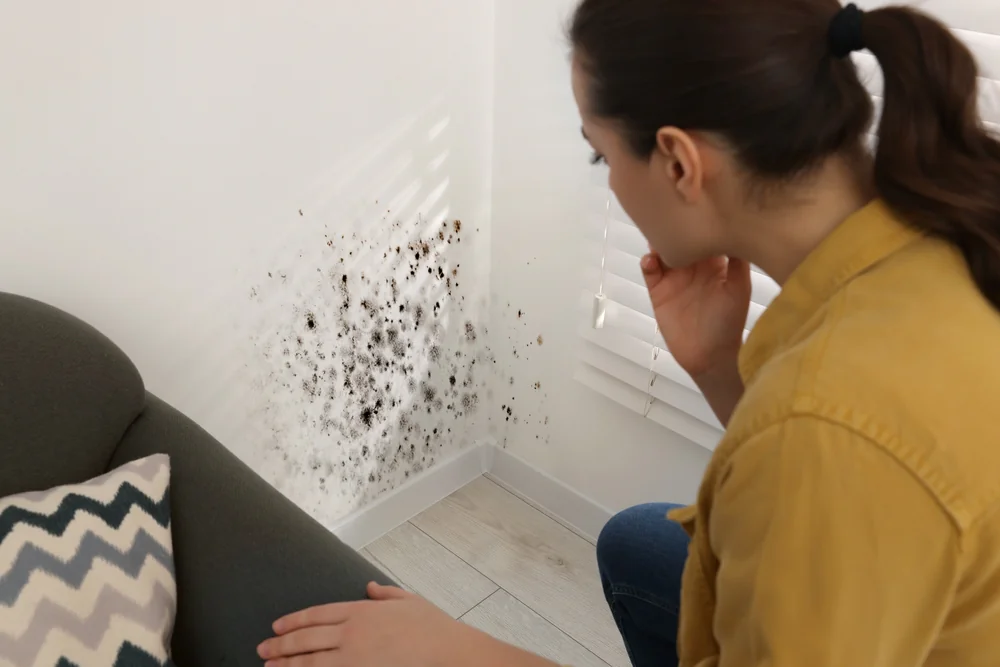
First, we show up fast. Moisture seeps into wood, drywall, and insulation where mold starts growing within 24 to 48 hours. Every day of delay means more spread, more contamination, and higher costs.
We start with a thorough inspection using infrared cameras and moisture meters. We’re looking for the source—not just the visible mold on your bathroom wall, but the leak behind it, the condensation in your crawl space, the HVAC issue spreading spores through your ductwork. That’s where most companies stop short, and it’s why their customers call again six months later.
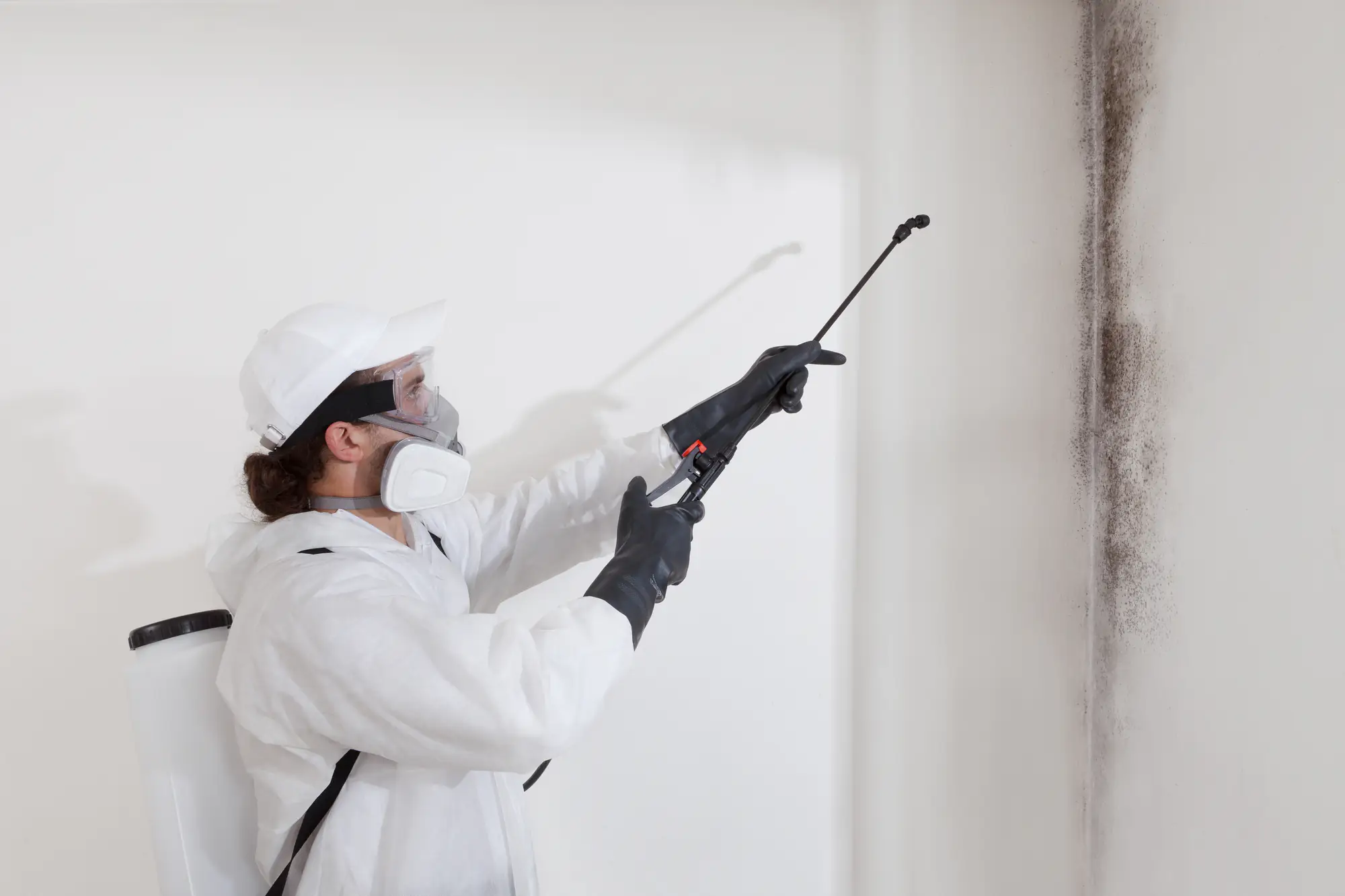
Once we’ve identified the moisture source and contamination areas, we seal off affected zones to prevent spores from traveling to clean areas of your home. We use HEPA filtration to purify the air while we work. Then we remove contaminated materials safely—drywall, insulation, whatever’s been compromised—and disinfect all affected surfaces with EPA-compliant solutions.
Before we leave, we give you specific recommendations to fix the root cause. Whether that’s foundation repair, better drainage, HVAC maintenance, or roof work, you’ll know exactly what needs to happen to keep mold from coming back. Some homeowners skip this step to save money upfront, then pay for mold mitigation again a year later. We’d rather you do it once and be done.
Ready to get started?
You get a complete root cause analysis. We don’t just treat symptoms. We find where the water is coming from and give you a clear plan to eliminate it. That might mean identifying foundation cracks, poor grading around your property, or inadequate ventilation in your attic—all common issues in Lower Gwynedd’s housing stock.
You get advanced detection technology. Our moisture meters and infrared cameras find hidden mold that you’d never see with a visual inspection alone. That’s critical in homes with finished basements or renovated spaces where mold can grow behind new walls for months before anyone notices.
You get containment and air filtration. We seal off work areas and run HEPA filters to keep spores from spreading through your HVAC system to other parts of the house. The real problem isn’t just visible mold on surfaces—it’s the spores that become airborne and contaminate clean areas.
You get insurance claim assistance. Most homeowners insurance policies cover mold mitigation if it resulted from a sudden, accidental water event like a burst pipe, storm damage, or appliance malfunction. We work directly with insurance adjusters, provide estimates before starting work, and help you understand what’s covered so there are no surprises when the bill comes.
And you get a long-term prevention strategy. We don’t disappear after the job. You’ll know exactly what to watch for, what maintenance matters, and when to call us back if something changes. In Philadelphia’s humid climate, that distinction matters. The humid summers, coastal moisture, and frequent rain mean your home is constantly exposed to dampness.
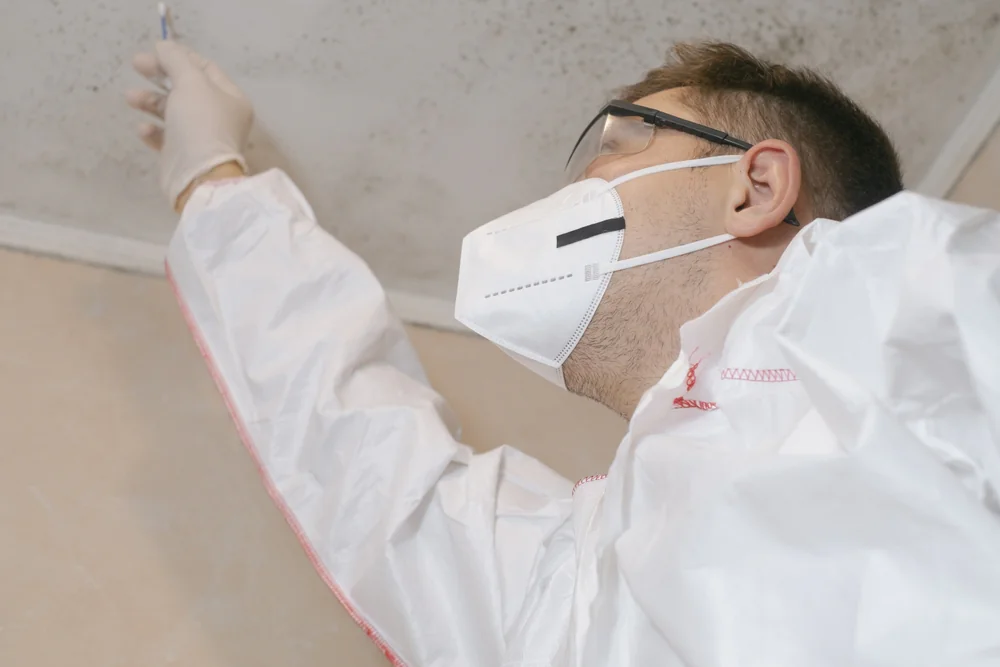
Mold removal is surface-level cleaning. You’re wiping down visible mold with bleach or some other cleaner, but you’re not addressing why it’s there. Mold mitigation is a complete process that identifies the moisture source, eliminates it, removes contamination, and prevents future growth.
If you’ve got a leaky pipe, poor ventilation, or basement moisture issues, scrubbing the surface won’t fix anything. The mold will be back in weeks. That’s the biggest mistake homeowners make—thinking bleach or surface cleaning will solve it. That approach ignores the leak, the ventilation problem, or the humidity issue causing mold in the first place.
Professional mold mitigation finds that source, eliminates it, and gives you lasting results instead of temporary fixes. We use moisture meters and infrared cameras to find mold hiding behind walls, under floors, and in places you’d never think to check. Then we remove contaminated materials, disinfect affected surfaces, and give you specific recommendations to prevent recurrence.
It depends on the size of the contamination and what’s causing it. A small bathroom mold problem might take two to three days. A basement with widespread contamination could take a week or more. We’re not rushing through this—we’re doing it right.
The inspection and moisture mapping usually take a few hours. Containment and air filtration setup happens the same day. Removal of contaminated materials and disinfection takes one to three days for most residential jobs. Then we need time for affected areas to dry completely before reconstruction can start.
Lower Gwynedd homes built in the early 1980s often have moisture issues in crawl spaces or around foundation walls, especially properties with mature landscaping and poor drainage. If we’re dealing with structural moisture problems, the timeline extends because we need to address the source before we can guarantee the mold won’t return. You’ll know the full timeline after our initial inspection.
Most homeowners insurance policies cover mold mitigation if it resulted from a sudden, accidental water event—like a burst pipe, storm damage, or appliance malfunction. They typically won’t cover mold that developed from long-term neglect or maintenance issues like a slow leak you ignored for months.
The key is proving the mold came from a covered peril. We work directly with insurance adjusters and provide detailed documentation of the damage, the source, and our mitigation process. We’ll give you an estimate before starting work so you understand what’s covered and what’s not.
Some policies have mold coverage limits, often between $5,000 and $10,000. If your contamination exceeds that, you’ll be responsible for the difference. We help you navigate that conversation with your insurance company so there are no surprises when the bill comes. The average cost of mold remediation in the U.S. is $2,300, but extensive contamination in multiple rooms can run higher.
It depends on the extent of contamination and where it’s located. If we’re mitigating a small area like a bathroom or closet, and we can fully contain it with plastic sheeting and negative air pressure, you can usually stay in other parts of the house. If contamination is widespread or affecting your HVAC system, we’ll recommend you stay elsewhere.
The concern isn’t just the mold you can see—it’s the spores that become airborne during removal. We use HEPA filtration and containment barriers to prevent spread, but if you have family members with asthma, respiratory issues, or compromised immune systems, it’s safer to stay away until we’re done. The CDC notes that immune-compromised people and those with chronic lung disease may develop infections from mold exposure.
For most residential jobs in Lower Gwynedd, we’re talking two to five days of active work. We’ll walk you through the containment plan during our inspection so you can make an informed decision. Your family’s health comes first.
You can’t tell by looking at it. Black mold (Stachybotrys chartarum) is dark and slimy, but so are other types of mold that aren’t toxic. The only way to know for sure is laboratory testing, which we can arrange if you’re concerned. But here’s the thing—it doesn’t change our approach.
All mold needs to be removed properly, whether it’s black mold or another species. The health risks vary, but the mitigation process is the same: find the moisture source, eliminate it, remove contamination, and prevent future growth. Some studies link exposure to toxic black mold to serious problems including lung disorders and neurological damage, but even non-toxic molds can cause respiratory issues, allergic reactions, and asthma attacks.
If your family is experiencing unexplained respiratory symptoms that seem worse at home—coughing, wheezing, burning eyes, skin rashes—mold could be the culprit. We’ll identify what’s growing, where it’s coming from, and how to eliminate it. Testing adds cost and time, but it doesn’t change the fact that the mold needs to go.
The moisture source wasn’t eliminated. That’s it. You can remove every visible spore, disinfect every surface, and replace contaminated materials—but if water is still getting in, mold will return within weeks. Mold needs moisture to grow. Remove the moisture, and it can’t survive.
Common moisture sources in Lower Gwynedd homes include foundation cracks that let groundwater seep in, poor grading that directs rainwater toward your foundation instead of away from it, inadequate ventilation in bathrooms and crawl spaces, leaking pipes behind walls, and roof damage that allows water intrusion during storms. Homes built in the early 1980s often lack the vapor barriers and ventilation systems we use today.
We use moisture meters and infrared cameras to find these sources during our inspection. Then we give you specific recommendations to fix them—whether that’s foundation repair, better drainage, HVAC maintenance, or roof work. Some homeowners skip this step to save money upfront, then pay for mold mitigation again a year later. We’d rather you do it once and be done. That’s why we focus on root cause elimination, not just surface treatment.
Other Services we provide in Lower Gwynedd