
Hear from Our Customers
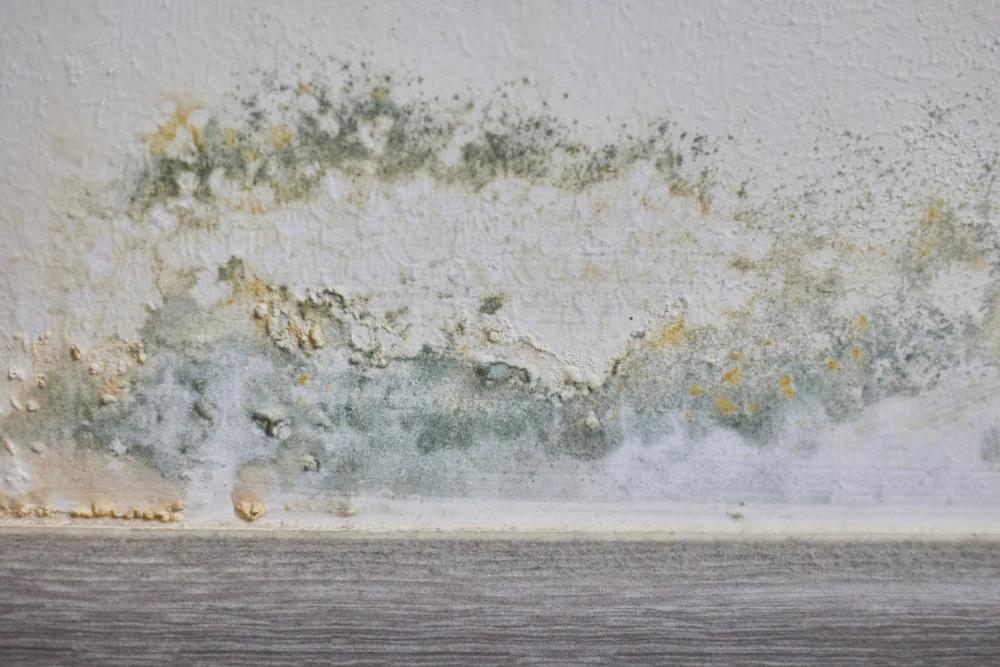
You’re dealing with more than a surface problem. Mold in your Lower Gwynedd home means someone’s breathing issues are getting worse, your property value is at risk, and the longer you wait, the deeper it gets into walls, insulation, and structural wood.
Mold mitigation stops the spread and addresses what’s feeding it. That means finding hidden moisture in crawl spaces, attics, and behind walls where humidity sits above 60%. It means using HEPA filtration to pull microscopic spores out of the air. And it means treating the problem at the source so you’re not dealing with the same issue six months from now.
When the job’s done right, you’re not just removing visible mold. You’re restoring air quality, protecting the investment you’ve made in your home, and giving your family a space that doesn’t trigger respiratory problems every time someone walks into the basement.
We’ve been handling mold mitigation in Lower Gwynedd and across Montgomery County for over 15 years. We know the homes here—many built in the 1940s and 1960s—and we know how aging infrastructure, Pennsylvania humidity, and poor ventilation create the exact conditions mold needs to thrive.
We’re not the cheapest option, and that’s intentional. You’re paying for certified inspectors who find problems before they become structural damage. You’re paying for advanced moisture detection equipment that identifies issues you can’t see. And you’re paying for a process that actually prevents mold from coming back.
We work directly with your insurance company when coverage applies, and we offer flexible financing when it doesn’t. Every job starts with a free inspection, and you’ll get a clear estimate before any work begins.
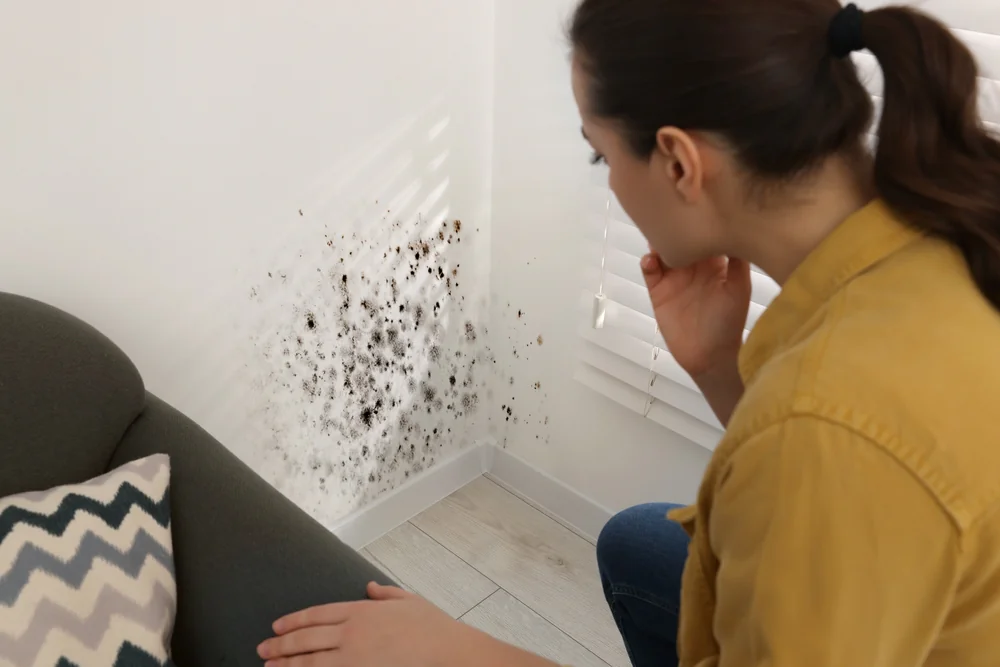
The process starts with a free inspection. We’re looking at visible mold, but we’re also using moisture meters and thermal imaging to find hidden problems in attics, crawl spaces, and behind drywall. If there’s a leak, condensation issue, or ventilation problem feeding the mold, we identify it.
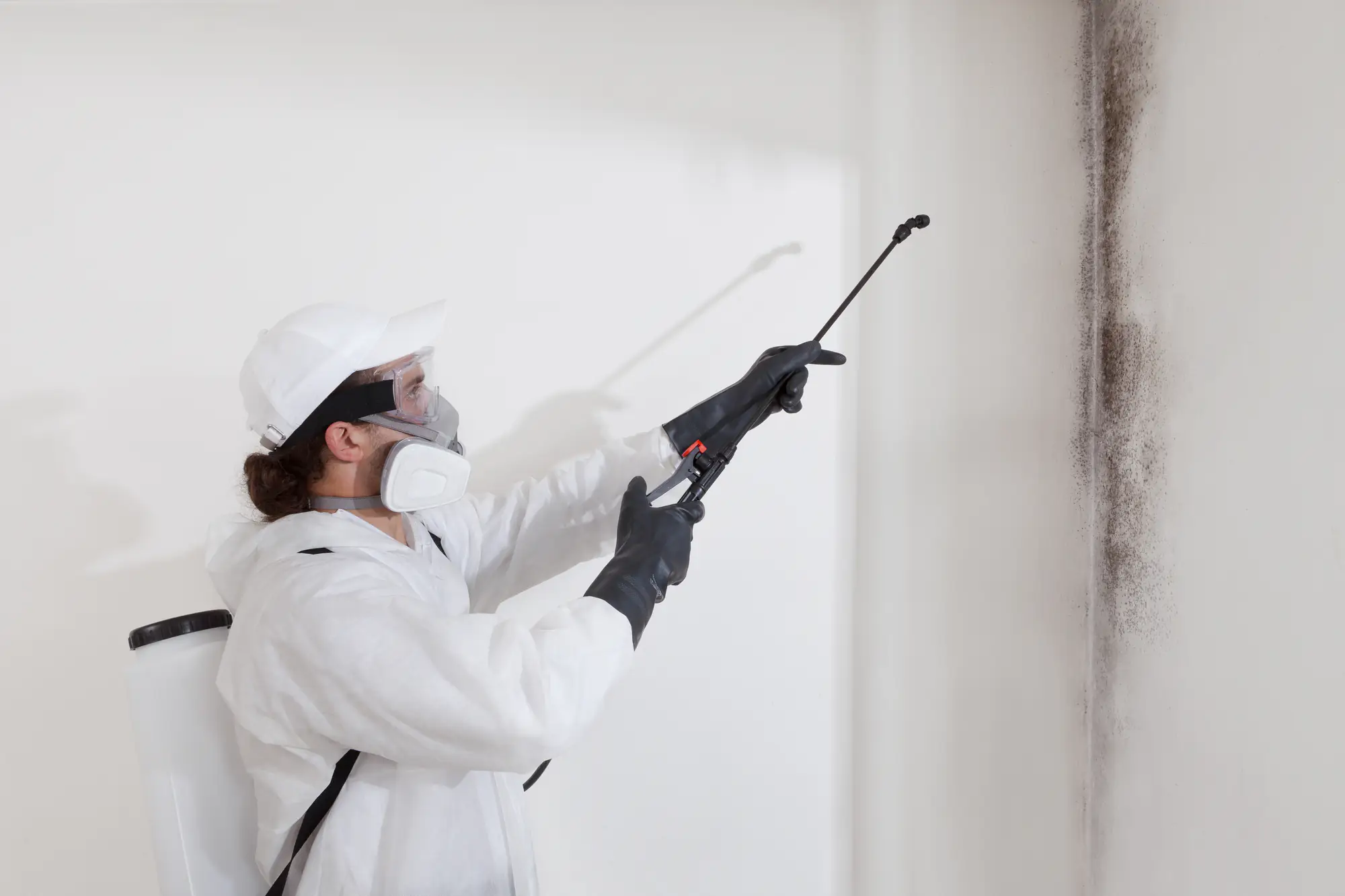
Once we know what we’re dealing with, you get a detailed estimate. No surprises. If you move forward, we contain the affected area to prevent spores from spreading during removal. Then we use HEPA vacuums and air scrubbers to capture airborne particles while we remove contaminated materials and treat surfaces with antimicrobial solutions.
The final step is addressing the moisture source. That might mean improving ventilation, sealing crawl spaces, or repairing leaks. We’re not just cleaning up mold—we’re eliminating the conditions that allowed it to grow. After treatment, we test air quality to confirm spore levels are back to normal. You get documentation for your records and peace of mind that the problem is actually solved.
Ready to get started?
You’re getting more than mold removal. This is a full mitigation process designed for Lower Gwynedd homes where humidity, aging construction, and Pennsylvania weather create ongoing moisture problems.
We handle black mold mitigation in bathrooms and basements where water damage has gone untreated. We specialize in attic mold mitigation caused by roof leaks and poor ventilation—common in older homes where insulation and airflow weren’t built to modern standards. And we address crawl space mold mitigation where ground moisture and humidity levels above 60% create ideal growing conditions.
Every job includes moisture source identification, containment setup, HEPA filtration during removal, antimicrobial treatment, and air quality testing. You also get documentation for insurance claims and recommendations for preventing future growth. If your home was built in the 1940s or 1960s, we’re especially familiar with the vulnerabilities in your foundation, crawl space, and attic—and we know how to address them.
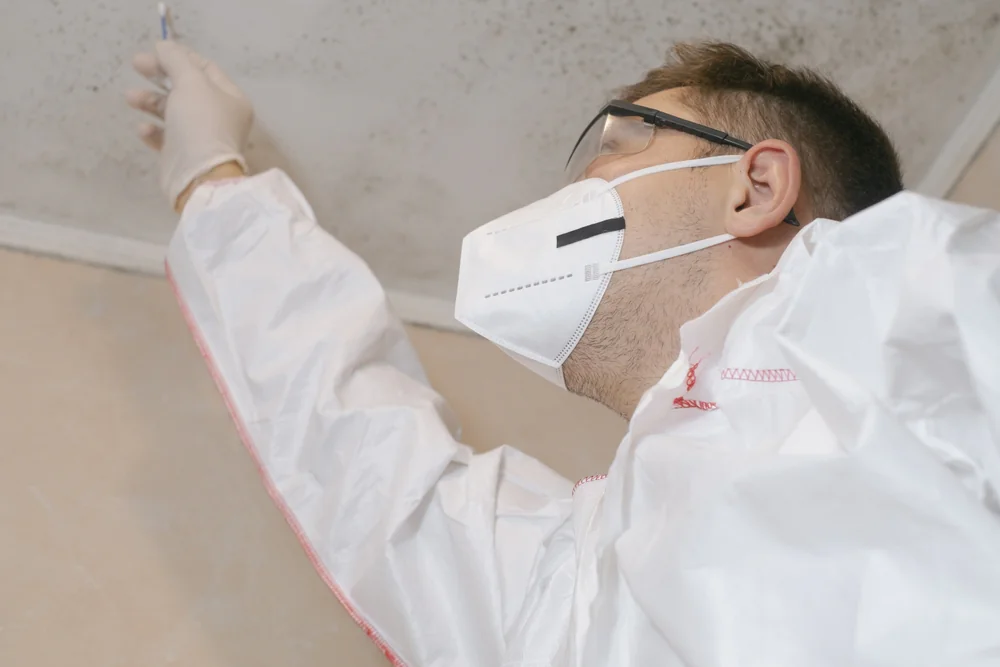
Mold starts growing within 24 to 48 hours after water exposure. That’s not a lot of time, especially if you’re dealing with a burst pipe, roof leak, or flooding in your basement.
The timeline matters because the longer mold grows, the deeper it gets into porous materials like drywall, insulation, and wood framing. What starts as a surface issue becomes a structural problem. If you’re seeing visible mold, it’s been growing for a while—and there’s likely more you can’t see.
If you’ve had recent water damage, don’t wait to see if mold appears. The conditions are already there. A free inspection catches the problem early, when mitigation is faster and less expensive than full remediation.
Mitigation focuses on stopping mold spread and preventing future growth by controlling moisture and limiting exposure. Remediation is the process of removing existing mold and restoring affected areas to safe, clean conditions.
In practice, most jobs involve both. You can’t just remove mold without addressing what caused it, or it’ll come back. And you can’t mitigate the problem without removing what’s already there.
When you call for mold mitigation services, you’re getting the full process—removal, treatment, moisture control, and prevention. The goal isn’t just to clean up what you see. It’s to make sure you’re not dealing with the same problem again in six months.
It depends on what caused the mold. Most homeowners insurance policies cover mold mitigation if the mold resulted from a covered peril—like a sudden pipe burst, roof damage from a storm, or water damage from a failed appliance.
If the mold is from long-term neglect, poor maintenance, or ongoing humidity issues, coverage is less likely. Insurance companies expect you to address moisture problems before they become mold problems.
We work directly with insurance companies to document the damage, provide estimates, and handle the claims process. If your policy doesn’t cover the work, we offer financing options to make mitigation affordable. Either way, you’ll know what’s covered before we start.
You might not know until you look. Attics and crawl spaces are out of sight, poorly ventilated, and prone to moisture buildup—especially in older Lower Gwynedd homes where insulation and airflow weren’t designed to modern standards.
Signs include musty odors, water stains on wood, discoloration on insulation, or visible mold growth on rafters and joists. If your attic has had a roof leak or your crawl space floods during heavy rain, there’s a good chance mold is growing.
The only way to know for sure is an inspection. We use moisture meters and thermal imaging to detect hidden problems before they cause structural damage. If you haven’t checked your attic or crawl space in the past year, it’s worth a look—especially if your home was built in the 1940s or 1960s.
Small surface mold on non-porous materials—like tile or glass—can often be cleaned with household products. But if the mold covers more than 10 square feet, is on porous materials like drywall or wood, or keeps coming back, you need professional mold mitigation.
Here’s why: mold you see on the surface is just part of the problem. Spores spread through the air, roots grow into porous materials, and moisture hidden behind walls keeps feeding the growth. Scrubbing visible mold doesn’t address any of that.
Professional mitigation includes containment to prevent spread, HEPA filtration to capture airborne spores, antimicrobial treatment, and moisture source elimination. You’re not just cleaning mold—you’re stopping it from coming back. If you’re dealing with black mold, attic mold, or crawl space mold, the health risks and structural damage aren’t worth the DIY approach.
Most residential mold mitigation jobs take between one and five days, depending on the size of the affected area, the severity of contamination, and whether structural materials need to be removed.
A small bathroom with surface mold might be done in a day. A full basement with water damage, or an attic with extensive mold growth, could take closer to a week. If we’re waiting for materials to dry or for air quality testing results, that adds time.
You’ll get a timeline during the estimate, and we’ll keep you updated if anything changes. The goal is to work quickly without cutting corners—because rushing the process means mold comes back, and that defeats the purpose.
Other Services we provide in Lower Gwynedd