
Hear from Our Customers
You stop worrying every time someone coughs. The musty smell disappears. Your basement or bathroom doesn’t feel like a health risk anymore.
That’s what proper mold mitigation does. It doesn’t just wipe down surfaces or spray something that smells like chemicals. It removes contaminated materials, treats affected areas with antimicrobial solutions, and fixes the moisture problem that caused the mold in the first place.
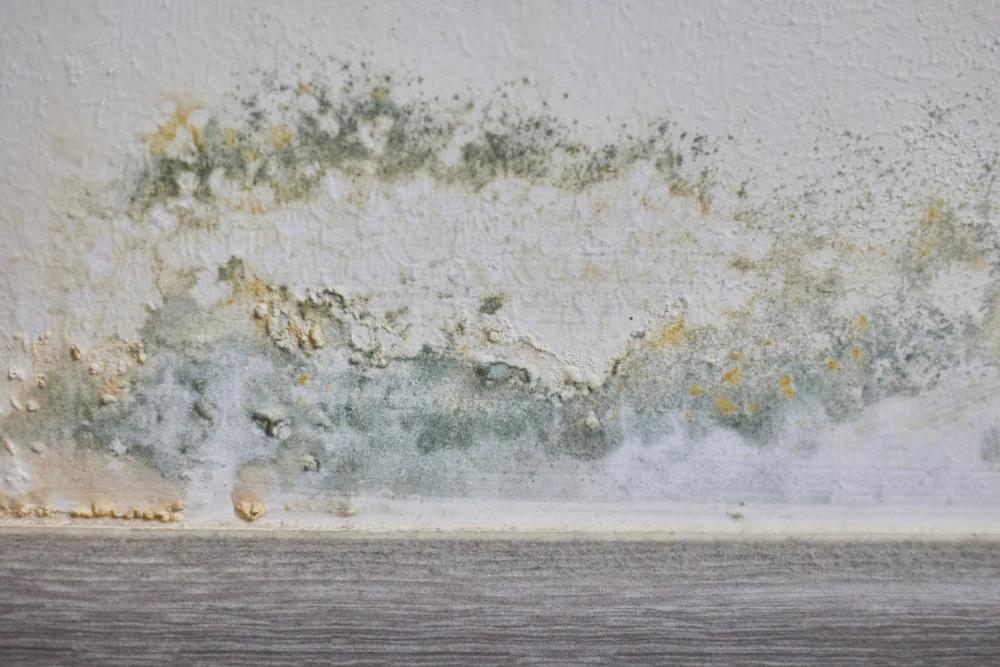
If you’ve got visible mold, a weird smell you can’t place, or water damage that never fully dried, you’re dealing with more than a cleaning issue. Mold spreads through spores you can’t see. It grows behind walls, under flooring, and in HVAC systems. And in London Grove, where older homes and humid summers create perfect conditions, it’s not a question of if mold will grow—it’s where and how fast.
We handle black mold mitigation, attic and crawl space contamination, post-water-damage cleanup, and everything in between. The goal isn’t to make it look better. It’s to make your home safe.
We work throughout Bucks County, and we’ve seen what happens when mold gets ignored or handled incorrectly. We’ve also seen how much better people feel when it’s done right.
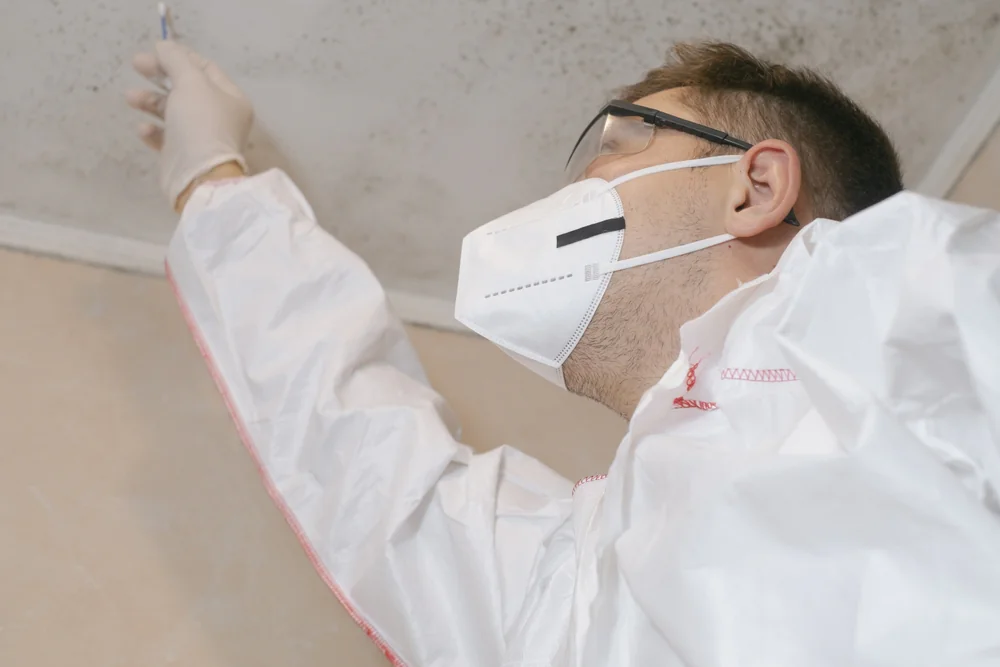
Our team uses moisture meters, infrared cameras, and containment systems to find mold you didn’t know was there and remove it without spreading spores to clean areas. We’re certified, we’re local, and we’re available 24/7 because mold problems don’t wait for business hours.
London Grove has a lot of older homes—beautiful properties with character, but also with basements that leak, crawl spaces that stay damp, and ventilation that wasn’t designed for today’s humidity levels. We get it. And we know how to handle it without tearing apart your entire house or charging you for work you don’t need.
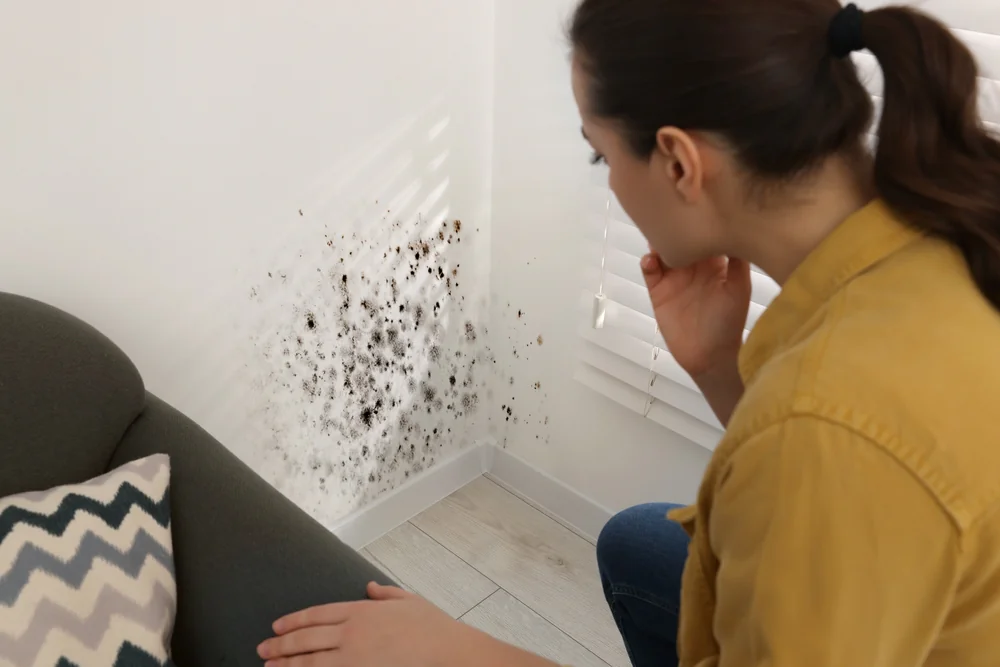
First, we inspect your property for free. We’re looking for visible mold, moisture sources, hidden growth, and air quality issues. We use thermal imaging to check behind walls and under floors. You get a full assessment and an upfront estimate before any work starts.
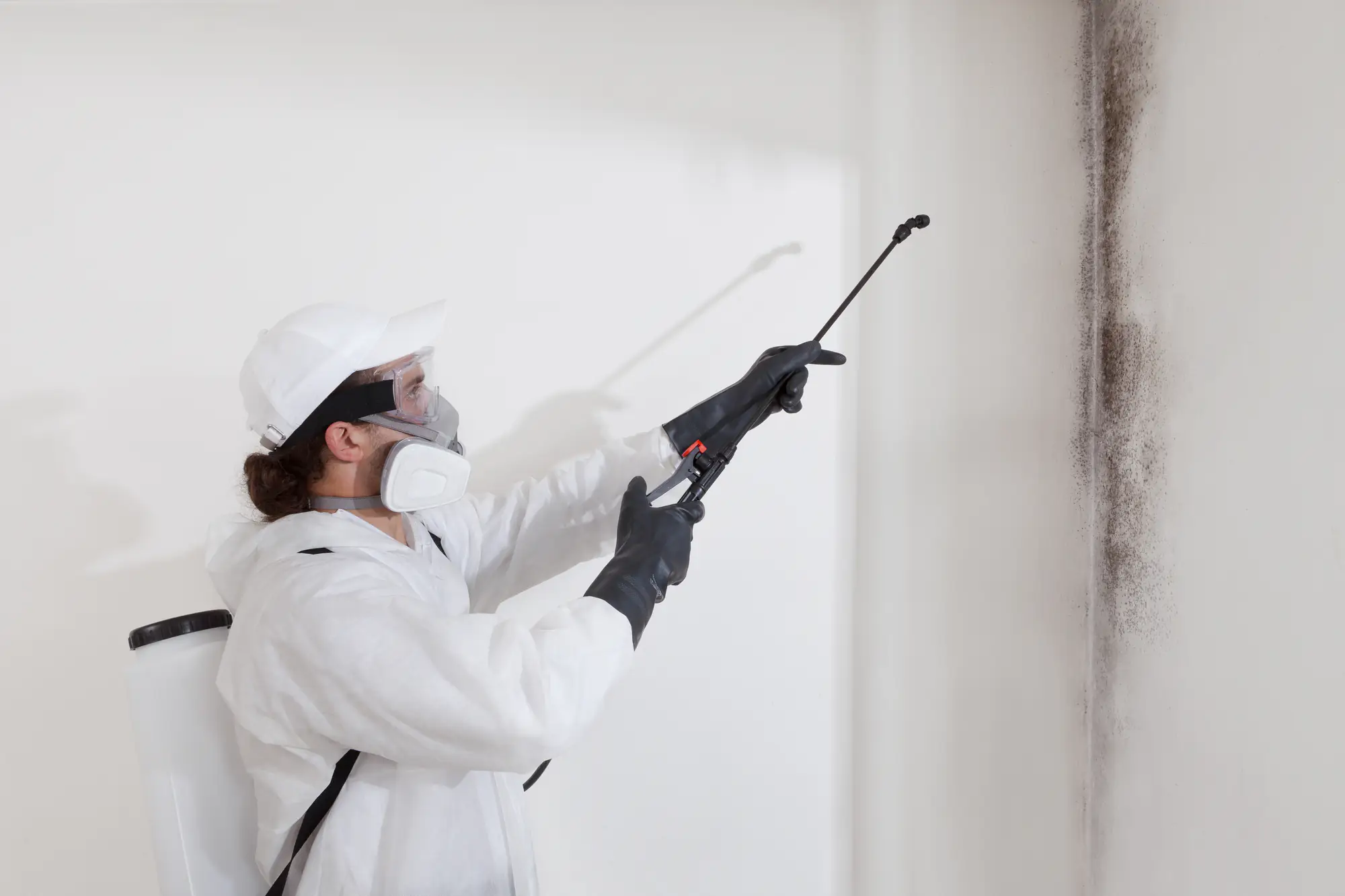
Next, we contain the affected area. Physical barriers and negative air pressure systems keep mold spores from spreading to other rooms during removal. Then we remove contaminated materials—drywall, insulation, carpet, whatever can’t be saved—and treat remaining surfaces with antimicrobial solutions.
But here’s the part that matters most: we find and fix the moisture source. Leaking pipes, poor ventilation, foundation cracks, humidity issues—whatever caused the mold gets addressed. Otherwise, you’re just paying to have the same problem show up again in six months.
After removal, we clean the air with HEPA filtration, verify the space is clear, and handle any reconstruction needed to put your home back together. If you’re filing an insurance claim, we work directly with your provider to simplify the process.
Ready to get started?
You’re paying for a complete solution. That includes the initial inspection, moisture mapping, containment setup, safe removal of contaminated materials, antimicrobial treatment, air scrubbing, source repair, and post-mitigation verification.
In London Grove, we see a lot of basement mold from groundwater seepage and attic mold from roof leaks or poor ventilation. Both require different approaches. Basements often need waterproofing or dehumidification systems. Attics need ventilation improvements or insulation replacement. We handle all of it.
We also help with insurance claims. Most homeowners don’t realize their policy might cover mold mitigation if it’s related to a covered event like a burst pipe or storm damage. We document everything, provide detailed reports, and communicate directly with adjusters so you’re not stuck playing middleman.
And if you’re selling a property or dealing with a failed home inspection, we can turn things around fast. Buyers walk away from mold problems. We make sure that doesn’t happen to you.
Most residential mold mitigation projects take two to five days, depending on the size of the affected area and the extent of the damage. A single bathroom with surface mold might be done in a day or two. A finished basement with mold behind drywall and in the HVAC system could take a week.
The timeline also depends on what caused the mold. If we’re just removing growth and treating surfaces, that’s faster. If we need to repair a foundation crack, replace a section of roof, or install a dehumidification system, that adds time.
We’ll give you a realistic timeline during the inspection. And if it’s an emergency—like you’ve got a newborn at home or someone with severe asthma—we prioritize speed without cutting corners. You’ll know what to expect before we start.
Sometimes. It depends on what caused the mold. If it’s from a sudden, accidental event—like a burst pipe, appliance leak, or storm damage—most policies will cover mitigation. If it’s from long-term neglect, poor maintenance, or gradual moisture buildup, they usually won’t.
Pennsylvania insurers are strict about mold claims, so documentation matters. We take photos, measure moisture levels, and provide detailed reports that show exactly what happened and what needs to be done. That helps your claim get approved.
We also work directly with insurance companies. We’ve dealt with most of the major carriers in Bucks County, and we know what they require. If your claim gets denied or you’re not sure if you’re covered, we can still work with you on payment plans or financing options. The goal is to get your home safe, not to make you wait on an insurance decision.
Mold removal sounds like you’re getting rid of every single spore, which isn’t realistic. Mold spores are everywhere—in the air, on surfaces, floating around outside. You can’t eliminate them completely, and you don’t need to.
Mold mitigation means bringing mold levels back to normal, safe levels and eliminating the conditions that let it grow out of control. That’s what actually matters. We remove visible growth, treat affected areas, fix moisture problems, and restore your indoor air quality to where it should be.
Some companies use “mold removal” and “mold mitigation” interchangeably, but mitigation is the more accurate term. It’s also what the EPA and industry standards recommend. If someone promises to remove 100% of mold from your home forever, they’re either confused or lying. What we promise is to get your home back to safe, normal conditions—and keep it there.
It depends on where the mold is and how bad it is. If we’re working in a contained area like a basement or a single bathroom, and you don’t have respiratory issues, you can usually stay. We seal off the work area with plastic barriers and use negative air pressure to keep spores from spreading.
If the mold is extensive, involves black mold, or you’ve got kids, elderly family members, or anyone with asthma or allergies, we’ll recommend staying elsewhere during active removal. It’s not worth the risk, even with containment in place.
We’ll be upfront about it during the inspection. If you need to leave, we work fast so you’re not displaced for long. Most projects are done in under a week. And if it’s a small job, you might just need to avoid one room for a couple of days. We’ve had plenty of clients work from home in one part of the house while we handle mitigation in another.
If the mold covers less than 10 square feet, it’s not in your HVAC system, and you know exactly what caused it—like a small spill or a minor leak you already fixed—you can probably handle it yourself with the right cleaner and some ventilation.
But if you’re seeing mold in multiple areas, if it keeps coming back, if there’s a musty smell you can’t locate, or if you’ve had any water damage in the last year, you need professional mitigation. Mold you can see is usually just part of the problem. There’s often more behind walls, under flooring, or in ductwork.
Also, if anyone in your home is experiencing unexplained respiratory symptoms—coughing, wheezing, sinus issues, headaches—that’s a red flag. Mold affects indoor air quality, and the health impact isn’t worth ignoring. We offer free inspections, so there’s no risk in having us take a look. If it’s something you can handle on your own, we’ll tell you. If it’s not, you’ll know exactly what you’re dealing with and what it’ll take to fix it.
Humidity and older construction. London Grove has a lot of homes built before modern moisture control standards existed. Basements weren’t waterproofed the way they are now. Crawl spaces weren’t sealed or ventilated properly. And summer humidity in southeastern Pennsylvania sits between 60% and 80%, which is more than enough for mold to thrive.
We also see a lot of mold from roof leaks that went unnoticed, gutters that overflow and saturate foundation walls, and HVAC systems that aren’t dehumidifying properly. Even small leaks—like a slow drip under a sink or condensation on old windows—can create mold problems if they’re not caught early.
The good news is that once you know what’s causing it, you can fix it. We don’t just remove mold and walk away. We identify the source, whether that’s a structural issue, a ventilation problem, or just bad drainage around your foundation. Then we make sure it doesn’t happen again. That’s the only way mitigation actually works long-term.
Other Services we provide in London Grove