
Hear from Our Customers
Mold doesn’t just sit on the surface. It spreads behind walls, under floors, and through your HVAC system while you’re trying to figure out if that smell is serious. By the time most people call, they’ve already tried bleach, opened windows, and hoped it would go away.
It doesn’t. And surface cleaning won’t fix it.
Real mold mitigation means identifying why moisture is getting trapped in the first place. Maybe it’s a slow leak you can’t see. Maybe your basement doesn’t drain right. Maybe your bathroom fan isn’t actually venting outside. Once you know the cause, you can remove what’s already growing and prevent new growth from starting.
That’s the difference between spending money twice and actually solving the problem. You’re not just paying for removal. You’re paying to breathe easier, sleep better, and stop worrying every time someone in your house starts coughing.
We’ve worked in enough basements, crawl spaces, and attics around Limerick, PA to know what causes mold here. The humidity swings in Montgomery County don’t help. Neither do older homes with stone foundations that weren’t built with modern waterproofing.
We’re not a national franchise reading from a script. We’re local, we respond fast, and we’ve seen what happens when mold mitigation gets done halfway. Our team uses thermal imaging and moisture meters to find problems you can’t see, and we follow EPA standards because your family’s health isn’t something to guess about.
You’ll know what we find, what it costs, and what happens next before any work starts.
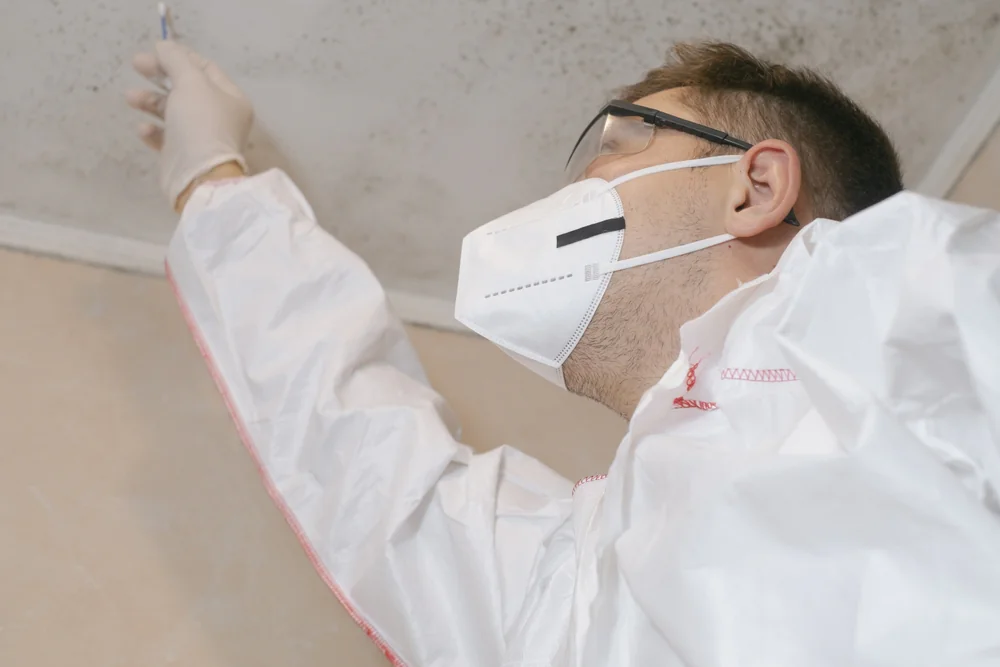
First, we inspect the property. That means checking visible areas, but also using infrared cameras and moisture detection tools to find hidden problems. Mold loves to grow where you’re not looking.
Once we know what’s happening, we contain the affected area so spores don’t spread during removal. Then we remove contaminated materials, treat surfaces, and eliminate the moisture source. If there’s a leak, bad ventilation, or drainage issue, we address it. Otherwise, you’re just waiting for mold to come back.
After removal, we test the air to confirm spore levels are back to normal. You get a report that shows what we found, what we did, and what the lab results say. If reconstruction is needed, we handle that too so you’re not coordinating between multiple companies.
The whole process is designed to get your property back to safe, livable condition without dragging out for weeks.
Ready to get started?
You get a free inspection with moisture mapping and thermal imaging to locate all affected areas. That includes hidden mold behind drywall, under flooring, or inside HVAC ducts.
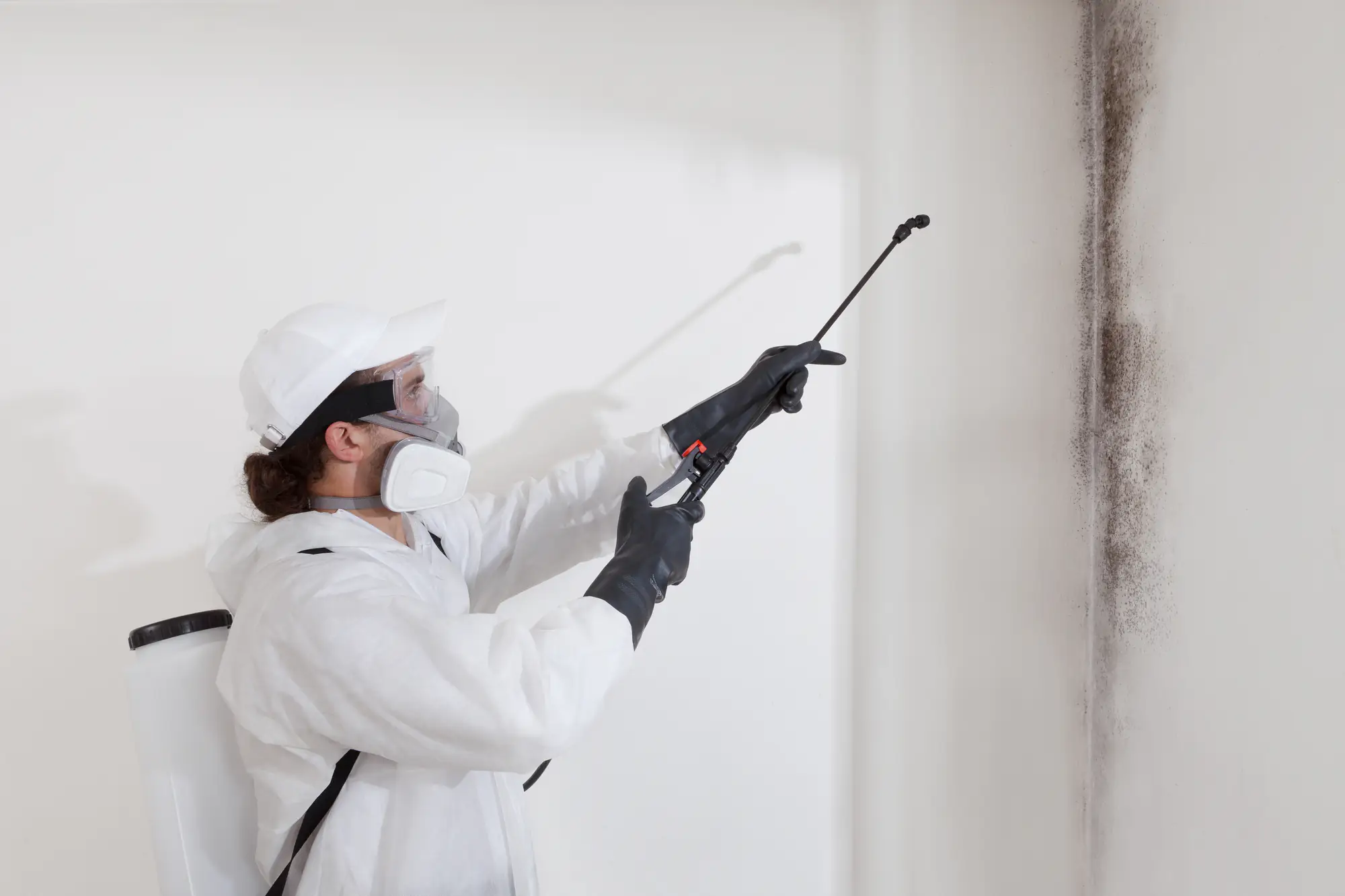
We provide containment setup to prevent cross-contamination, complete removal of mold-damaged materials, HEPA filtration during the process, and antimicrobial treatment on all surfaces. If the source is a plumbing leak, ventilation problem, or structural issue, we identify it and explain your options for fixing it permanently.
In Limerick and the surrounding Montgomery County area, we see a lot of basement mold from groundwater seepage and bathroom mold from inadequate ventilation. Both are fixable, but they require different approaches. Homes built before 1980 are especially prone to foundation moisture issues, and newer construction sometimes has ventilation problems from being built too tight without proper airflow planning.
After mitigation, you receive lab-certified air quality results and documentation for insurance claims if needed. We also work directly with your insurance company to handle paperwork and help reduce your out-of-pocket costs. We’re available 24/7 for emergency situations where water damage or flooding has just happened and mold hasn’t started growing yet.
Most residential mold mitigation projects in Limerick take between two to five days depending on the size of the affected area and how far the contamination has spread. A single bathroom with mold around the shower might be done in two days. A finished basement with mold behind drywall and inside wall cavities could take four or five.
The timeline depends on how much material needs to be removed, how long containment and drying take, and whether reconstruction is part of the scope. We don’t rush the drying process because any moisture left behind creates conditions for new growth.
You’ll get a realistic timeline during the inspection. If it’s an emergency situation where water damage just happened, we can start containment and water extraction within hours to prevent mold from developing in the first place.
It depends on what caused the mold. If it’s from a sudden, accidental event like a burst pipe or storm damage, most homeowners insurance policies in Pennsylvania will cover mitigation. If it’s from long-term neglect, a slow leak you didn’t fix, or maintenance issues, coverage is less likely.
The key is documenting everything and filing quickly. Insurance companies want to see that you took action as soon as you discovered the problem. We help with that by providing detailed reports, photos, moisture readings, and lab results that show exactly what happened and what was necessary to fix it.
We work directly with insurance adjusters and handle most of the paperwork. Even if your claim gets partially denied, we’ll walk you through what’s covered and what’s not so there are no surprises. Many clients end up paying less out of pocket than they expected once we navigate the process with them.
Mold removal sounds like you’re getting rid of every single spore, but that’s not realistic. Mold spores exist everywhere, indoors and outdoors. The goal isn’t zero mold—it’s getting spore levels back to normal, safe concentrations and eliminating active growth.
Mold mitigation is the more accurate term because it refers to the full process: identifying the moisture source, removing contaminated materials, treating affected areas, and controlling humidity so mold doesn’t return. It’s about reducing the problem to a level that’s no longer a health risk or structural threat.
Some companies use “removal” and “mitigation” interchangeably, but mitigation better describes what actually happens. You’re mitigating the damage and the conditions that caused it. If someone promises to remove 100% of mold from your home forever, they’re either confused or lying. What matters is bringing your indoor air quality back to safe levels and fixing whatever allowed mold to grow in the first place.
It depends on the size and location of the contamination. If it’s a small area like a bathroom or closet and we can seal it off with proper containment barriers, you can usually stay in other parts of the house. If it’s a large area, multiple rooms, or the HVAC system is involved, it’s safer to stay somewhere else until mitigation is complete.
Black mold and other toxic species release spores during removal, even with containment. We use HEPA filtration and negative air pressure to keep spores from spreading, but there’s still dust, noise, and disruption. If anyone in your household has asthma, allergies, or a compromised immune system, we’ll usually recommend staying elsewhere regardless of project size.
We’ll give you a straight answer during the inspection. There’s no point in sugarcoating it. If it’s safe to stay, we’ll tell you. If it’s not, we’ll explain why and give you a realistic timeline for when you can move back in.
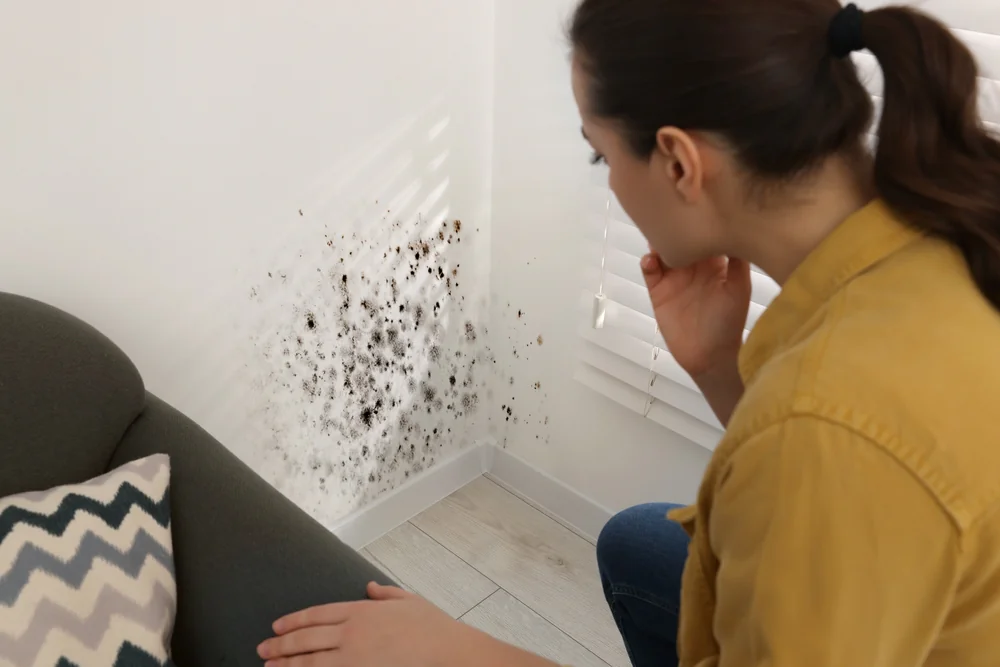
You might smell it before you see it. Mold has a musty, earthy odor that’s hard to miss once you know what you’re smelling for. If certain rooms smell off even after cleaning, that’s a red flag. Other signs include water stains on ceilings or walls, peeling paint, warped floors, or condensation on windows that won’t go away.
Health symptoms can also point to hidden mold. If people in your home are dealing with unexplained congestion, coughing, headaches, or fatigue that gets better when they leave the house, mold could be the cause. It’s not definitive, but it’s worth investigating.
The only way to know for sure is an inspection with moisture detection equipment. We use thermal imaging cameras to spot temperature differences that indicate moisture behind walls, and moisture meters to measure humidity levels inside building materials. If moisture is present where it shouldn’t be, there’s a good chance mold is growing. Lab testing confirms the species and concentration so you know exactly what you’re dealing with.
Moisture is the main cause, and Limerick homes deal with it from several sources. Basement seepage is common, especially in older properties with stone foundations that weren’t built with modern waterproofing. Groundwater works its way through foundation walls during heavy rain, and once humidity gets above 60% down there, mold starts growing on wood framing, drywall, and stored items.
Poor ventilation is another big one. Bathrooms without exhaust fans, or with fans that vent into the attic instead of outside, trap moisture. Same with kitchens. Attics with inadequate ventilation can develop condensation problems in winter when warm air from the house meets cold roof surfaces.
Plumbing leaks, roof leaks, and HVAC condensation issues also create conditions for mold growth. Sometimes it’s a slow drip inside a wall that goes unnoticed for months. Sometimes it’s a clogged gutter that overflows and saturates the wood behind your siding. The key is catching moisture problems early, before mold has time to spread. If you’re seeing signs or smelling something off, don’t wait. The longer moisture sits, the worse the problem gets.
Other Services we provide in Limerick