
Hear from Our Customers
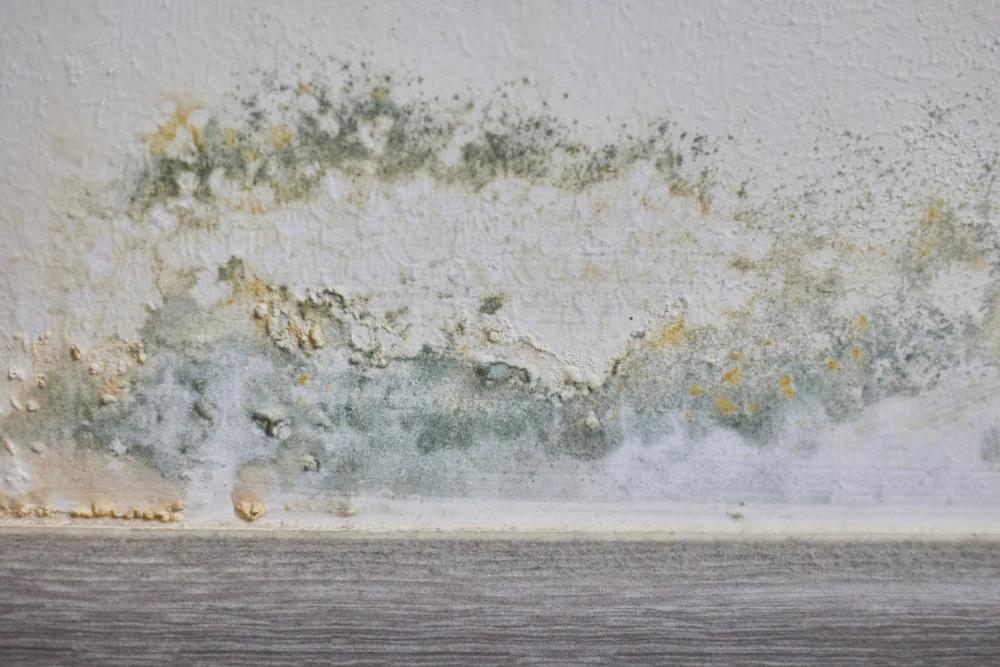
You’re not just dealing with visible mold. You’re worried about what’s behind the walls, what your family is breathing, and whether this problem is going to come back in six months.
Proper mold mitigation means containment so spores don’t spread during cleanup. It means HEPA filtration pulling microscopic particles out of your air. It means finding the moisture source—whether that’s a slow leak, condensation in your crawl space, or humidity in your basement—and actually fixing it.
When it’s done right, you’re not masking the problem. Your air quality improves. The musty smell goes away. And you’re not wondering if you missed something that’s going to turn into a bigger issue down the road.
We work throughout Limerick and Montgomery County with IICRC-certified technicians who follow EPA protocols for safe mold removal. We’re not a national franchise with rotating crews—we’re local, and we’ve seen what happens when mold gets ignored in Pennsylvania’s humid summers and wet spring seasons.
Limerick homes deal with basement moisture, attic condensation, and crawl space humidity. These aren’t just inconveniences—they create perfect conditions for mold growth within 24 to 48 hours after water exposure. We’ve worked in older homes with foundation issues and newer builds with ventilation problems, so we know what to look for and how to address it completely.
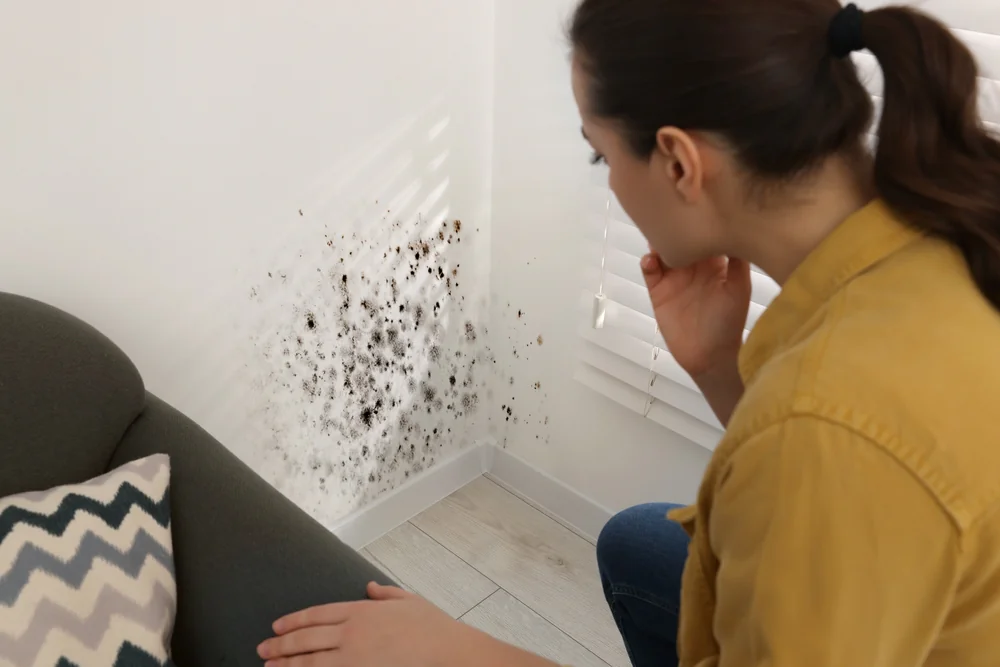
First, we assess the full scope. That means checking visible mold, but also using moisture meters and thermal imaging to find hidden growth behind walls, under flooring, or in ceiling cavities. You get a written action plan before any work starts.
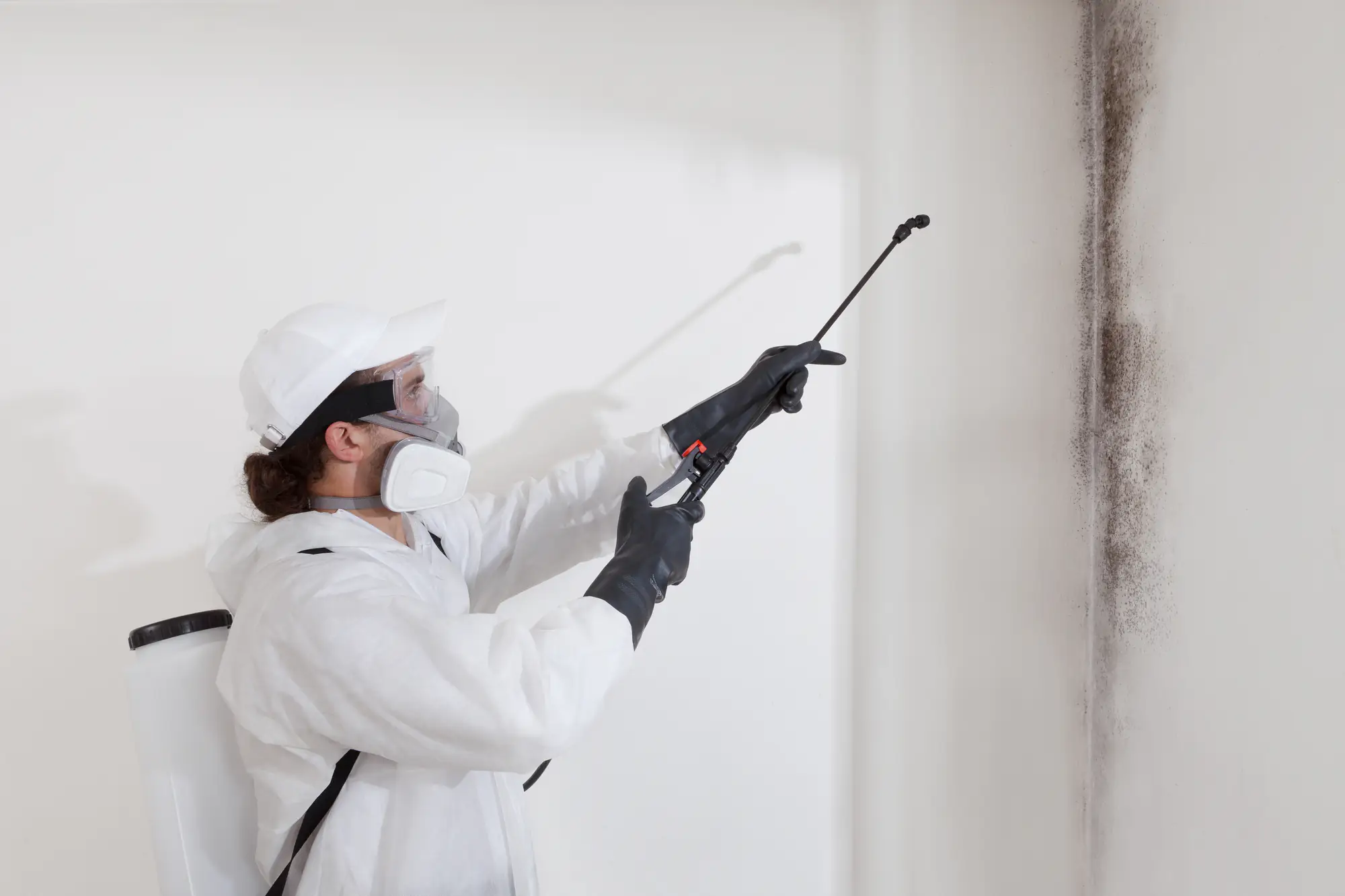
Next is containment. We set up physical barriers and negative air pressure to keep mold spores from spreading to clean areas of your home during removal. Air scrubbers with HEPA filters run continuously to capture airborne particles.
Then we remove contaminated materials—drywall, insulation, flooring, whatever can’t be properly cleaned. Salvageable surfaces get treated with antimicrobial solutions. But here’s the critical part: we identify and fix the moisture source. If we don’t address why mold grew in the first place, you’re just going to deal with this again.
Final step is verification. We make sure moisture levels are back to normal and the affected area is clean. You’re not guessing whether the job was done right.
Ready to get started?
You’re getting containment setup, HEPA air filtration, removal of affected materials, antimicrobial treatment, and moisture source correction. We handle everything from small bathroom mold issues to full basement or attic mold mitigation projects.
Limerick’s climate creates specific challenges. Your attic might have mold from roof leaks or poor ventilation trapping humid air. Crawl spaces in this area often have groundwater issues or inadequate vapor barriers. Basements deal with foundation seepage and condensation on cool concrete walls during summer months.
Black mold mitigation requires extra care because Stachybotrys produces mycotoxins that cause respiratory problems and allergic reactions. We treat it seriously—proper PPE, strict containment, and careful disposal of contaminated materials. If you’ve got kids, elderly family members, or anyone with asthma or immune issues in your home, you need this done right the first time.
We also work directly with your insurance company when water damage or covered incidents caused the mold growth. That means documentation, photos, and communication so you’re not stuck managing the claim process alone while trying to coordinate the actual remediation work.
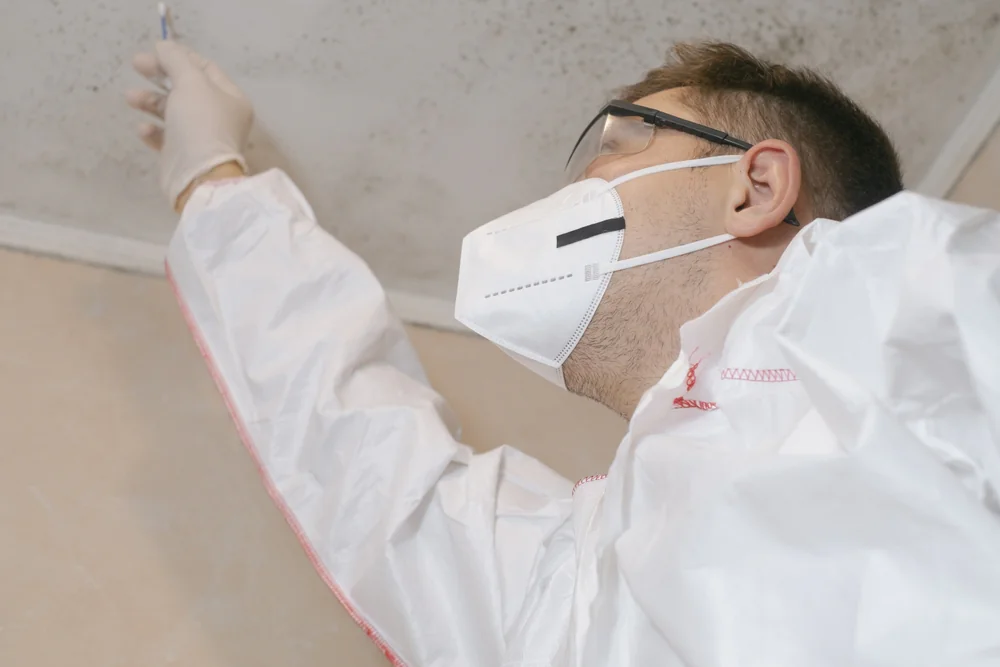
Most mold mitigation projects in the Limerick area run between $1,500 and $6,000 depending on the size of the affected area and how much material needs removal. Small bathroom jobs might cost less. Large basement or attic projects with extensive contamination cost more.
Price depends on square footage, the type of mold, how far it’s spread, and what caused it. If you’ve got mold from a burst pipe that soaked drywall and insulation, you’re looking at removal and reconstruction costs. If it’s surface mold from a small leak, treatment is simpler and less expensive.
We give you a written estimate after the initial assessment so you know exactly what you’re paying for. No surprises, no upselling services you don’t need. And if insurance is covering it because of water damage, we help with that documentation.
Small projects take one to two days. Larger jobs—like full basement mold mitigation or attic remediation—can take three to five days depending on the extent of contamination and how much material needs replacing.
The timeline also depends on drying time. If there’s still active moisture, we need to get that under control before we can properly treat and seal affected areas. Rushing this step just means mold comes back.
You’ll know the timeline upfront. We’re not vague about how long you’ll have equipment running or when you can use that space again. Most people want to know when their house goes back to normal, and we give you realistic expectations based on what we’re actually dealing with.
Small surface mold on non-porous materials—like tile or glass—you can often handle with proper cleaning products. But if you’re dealing with mold on drywall, insulation, wood framing, or any porous material, DIY removal usually makes things worse.
Here’s why: disturbing mold without proper containment releases thousands of spores into your air. They spread to other areas and start new growth wherever they land on damp surfaces. You also can’t see mold inside walls or under flooring, so you end up treating the visible part while missing the actual problem.
Professional mold mitigation uses containment barriers, negative air pressure, and HEPA filtration to prevent spread during removal. We also have moisture meters and thermal cameras to find hidden growth. If you’ve got more than 10 square feet of mold, or if it’s in your HVAC system, the EPA recommends professional remediation. Don’t risk your health or create a bigger problem trying to save money on something this important.
Water and humidity. Mold needs moisture to grow, and Limerick’s climate provides plenty of opportunities—especially in basements, crawl spaces, and attics.
Basements get mold from foundation cracks that let groundwater seep in, condensation on cold concrete walls during humid summer months, or plumbing leaks that go unnoticed. Crawl spaces often have poor ventilation and inadequate vapor barriers, trapping moisture from the ground. Attics develop mold when roof leaks go undetected or when bathroom exhaust vents dump humid air into the attic space instead of outside.
You also see mold after water damage events—burst pipes, washing machine overflows, water heater failures. If the affected area doesn’t get dried out completely within 24 to 48 hours, mold starts growing. Pennsylvania’s seasonal temperature swings create condensation issues too, especially in spaces that aren’t climate controlled. The key is controlling moisture, because without it, mold can’t survive.
Not if the moisture source gets fixed. Mold comes back when the conditions that caused it in the first place—water, humidity, poor ventilation—are still present after remediation.
That’s why proper mold mitigation isn’t just about removing what’s visible. It’s about identifying why mold grew there and correcting that problem. Maybe it’s a plumbing leak that needs repair. Maybe it’s a crawl space that needs a vapor barrier and dehumidification. Maybe it’s an attic that needs better ventilation or a roof repair.
We address both the mold and the cause during every project. You’re not paying for temporary relief—you’re getting a solution that actually lasts. If someone just cleans or paints over mold without fixing the moisture issue, you’re going to see it again within months. That’s not mitigation, that’s a waste of your money.
Sometimes. It depends on what caused the mold and what your specific policy covers. If mold resulted from a sudden, accidental water damage event—like a burst pipe or appliance failure—most policies provide some coverage for remediation.
But if mold developed from long-term neglect, maintenance issues, or gradual leaks you didn’t address, insurance typically won’t cover it. Flood damage is also usually excluded unless you have separate flood insurance. Pennsylvania doesn’t require insurance companies to cover mold, so policies vary significantly.
Read your policy or call your insurance company to understand your coverage limits. Many policies cap mold remediation at $10,000 or less. We work with insurance companies regularly and can help document the damage and communicate with adjusters to support your claim. Even if insurance doesn’t cover everything, we’ll give you options so you can make an informed decision about how to move forward.
Other Services we provide in Limerick