
Hear from Our Customers
You’re not looking for someone to wipe down a wall. You need someone who understands why mold showed up in the first place and how to make sure it doesn’t happen again.
That’s what actual mold mitigation looks like. We use moisture meters and infrared cameras to find growth you’d never see on your own. Behind your washing machine. Inside your HVAC system. In wall cavities near old plumbing. Then we contain it, remove it safely, and fix whatever caused it—whether that’s a hidden leak, poor ventilation, or humidity that’s been building for months.
When we’re done, you get documentation showing your air quality is back to normal. Not just a clean surface. Actual proof the problem is gone.
If you’re selling your home, that matters. If you’re filing an insurance claim, it matters. If you just want to stop worrying every time your kids play in the basement, it really matters.
We know what Pennsylvania’s humid summers do to homes. We’ve seen the basements that flood after heavy rain, the attics with ventilation problems, the crawl spaces that stay damp all season.
Lansdale gets about 45 inches of rain a year. Humidity climbs over 60% from June through September. That’s the window when mold doesn’t just grow—it spreads fast. And if your home was built before 2000, chances are it wasn’t designed with that kind of moisture control in mind.
We’re not new to this. Our team uses the same detection equipment and containment protocols whether we’re working in a 1,200-square-foot ranch or a multi-level colonial. You get certified inspectors, HEPA filtration, and someone who actually answers the phone when you call.
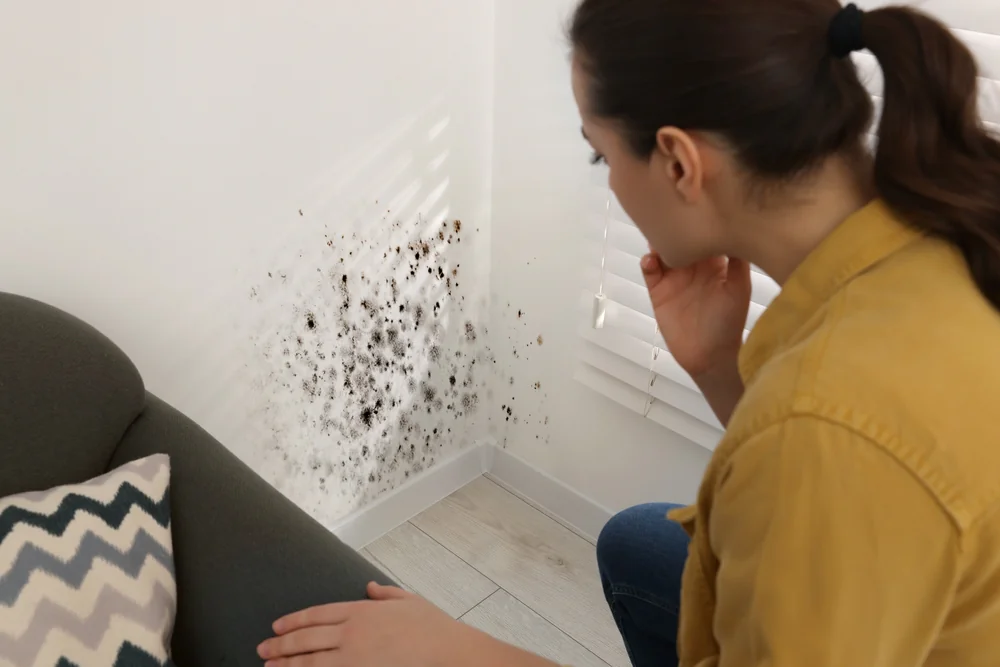
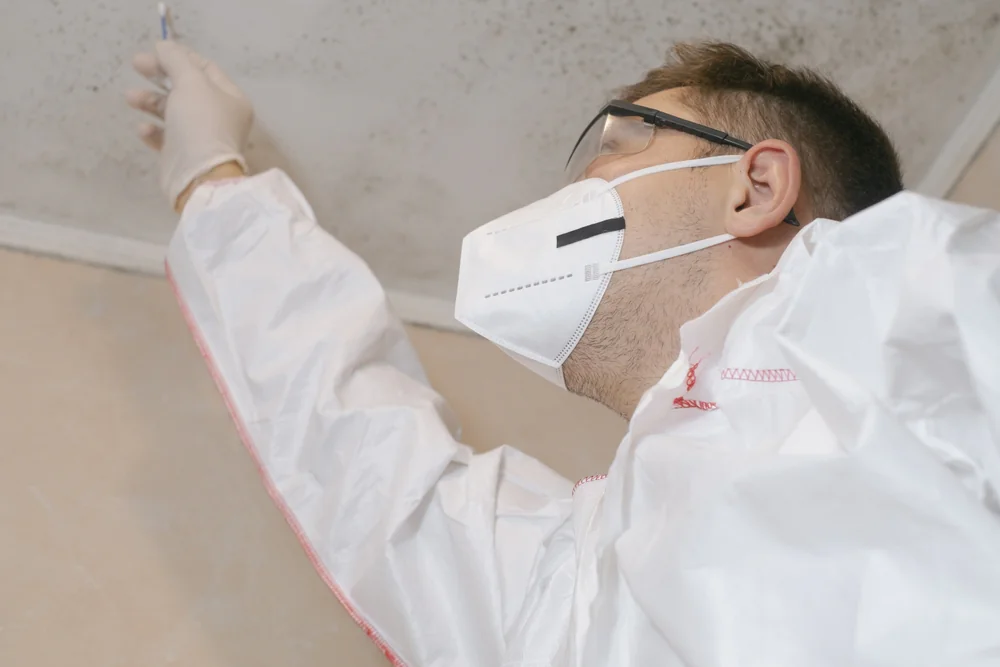
First, we inspect your property. That means checking the obvious spots and the ones most homeowners miss—under sinks, around windows, inside ductwork, behind appliances. We’re looking for visible growth, but also moisture levels that signal a problem brewing.
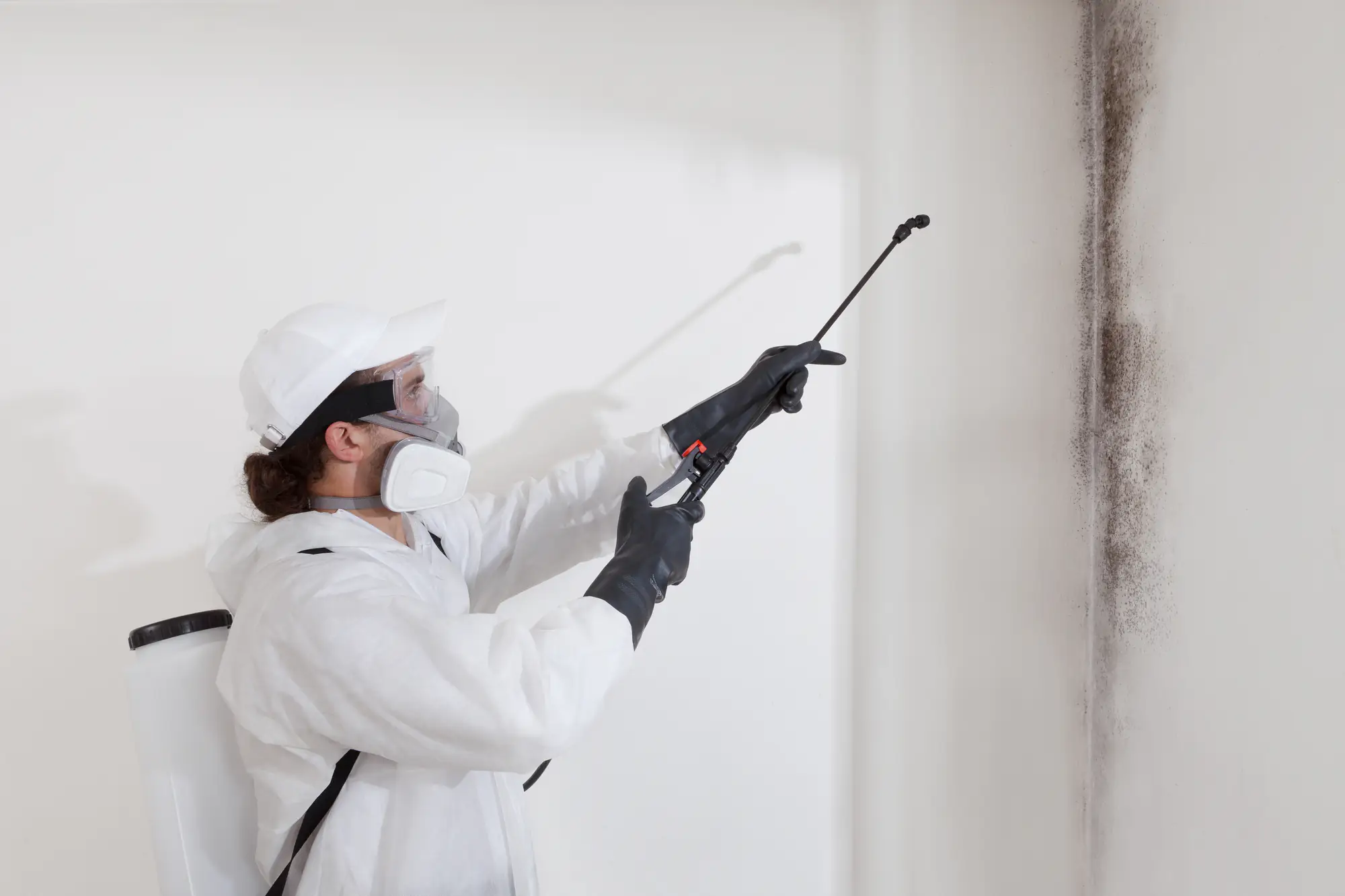
Once we know what we’re dealing with, we contain the area. Physical barriers go up. Negative air pressure keeps spores from spreading to clean parts of your home. Then we remove the mold using HEPA filtration and antimicrobial treatments that don’t just mask the issue.
But here’s the part that matters most: we identify and fix the moisture source. If there’s a leak, we find it. If your ventilation isn’t cutting it, we tell you. If your dehumidifier is running but your crawl space is still soaking wet, we figure out why. Because if we don’t fix that, you’re going to be calling someone else in six months.
After removal, we test your air quality. You get a report that shows the work is done and your home is safe. If you need it for insurance or a real estate transaction, it’s all documented.
Ready to get started?
You get a full property inspection with moisture detection technology that finds problems before they become disasters. We check your attic, basement, bathrooms, kitchen, HVAC system, and any other area where Lansdale’s climate creates risk.
You get professional containment so mold doesn’t spread while we’re working. That means sealed barriers, negative air machines, and HEPA filters running the entire time. Your family isn’t breathing in spores while we remove them.
You get root cause identification. We don’t guess. We find the leak, the condensation issue, the ventilation problem, or whatever’s feeding the mold. Then we tell you exactly what needs to happen so it doesn’t come back.
And you get documentation. Air quality testing before and after. Photos of the work. A report you can hand to your insurance company or a buyer’s inspector. Because in Lansdale’s real estate market, that kind of transparency matters. Buyers want proof, not promises.
If you’re dealing with black mold specifically, we treat it the same way—locate it, contain it, remove it safely, and verify it’s gone. Black mold gets attention because of health risks, but the process doesn’t change. It still comes down to eliminating the source and proving the air is clean.
It depends on how much mold there is and where it’s growing. A small bathroom issue might take a day. A basement with widespread growth behind drywall could take three to five days.
The timeline also depends on what caused the mold. If we’re just removing growth, that’s faster. If we need to coordinate with a plumber to fix a leak or a contractor to improve ventilation, it takes longer. We don’t rush the process because cutting corners means the mold comes back.
Most of our Lansdale jobs fall somewhere in the two-to-four-day range. We’ll give you a realistic estimate after the inspection, and we’ll tell you if anything changes as we get into the work.
Sometimes. It depends on what caused the mold and what your policy says.
If the mold resulted from a covered event—like a burst pipe or storm damage—there’s a good chance your insurance will pay for mitigation. If it’s from long-term neglect or a maintenance issue like a slow leak you didn’t fix, probably not.
We work with insurance companies regularly. We know what documentation they need, and we can walk you through the claims process. But you’ll want to call your provider first to confirm your coverage. If insurance doesn’t cover it, we offer financing options so you’re not stuck choosing between your budget and your family’s health.
If you can see mold growing on walls, ceilings, or floors, you need professional help. If you smell that musty, earthy odor even when everything looks clean, you probably have hidden growth.
Other signs: water damage that never fully dried, condensation on windows or pipes, allergies that get worse when you’re home, or visible discoloration on drywall and wood. Lansdale’s humid summers make all of this worse, especially in older homes without modern moisture barriers.
Here’s the thing—by the time you see mold, it’s been growing for a while. Mold starts within 24 to 48 hours after water exposure, but it takes longer to become visible. So if you’re noticing it now, the problem is bigger than what you’re seeing. A free inspection will tell you exactly what you’re dealing with and whether you can handle it yourself or if you need mitigation.
Mold removal sounds like you’re getting rid of every spore in your home. That’s not realistic. Mold spores exist everywhere—they’re in the air outside right now. The goal isn’t zero mold. It’s getting levels back to normal and eliminating active growth.
Mold mitigation is the accurate term. It means we’re reducing mold to safe levels, removing contaminated materials, fixing the moisture problem, and preventing future growth. We’re mitigating the risk, not promising a sterile environment.
Most companies use the terms interchangeably, and that’s fine. But when you hire us, you’re getting mitigation—the full process of containment, removal, source repair, and air quality testing. Not just someone scrubbing a wall and calling it done.
If it’s a tiny spot on a non-porous surface—like a little mold on tile grout—you can probably handle it with bleach or vinegar. But if it’s bigger than a few square feet, if it’s on drywall or wood, or if you don’t know why it’s there, don’t try to DIY it.
Here’s why: disturbing mold releases spores into the air. Without proper containment and filtration, you’re spreading the problem to other rooms. And if you don’t fix the moisture source, it grows back in weeks.
Lansdale’s climate doesn’t help. High humidity means surface cleaning won’t cut it if there’s a deeper issue. You need to know if there’s mold inside your walls, under your flooring, or in your HVAC system. You need moisture meters and infrared cameras to find that. And you need HEPA filtration to remove it safely. That’s not a DIY job.
We fix the source. That’s the only way to actually prevent mold from returning.
If the problem is a leaky pipe, we make sure it’s repaired. If it’s poor ventilation in your bathroom or attic, we recommend exhaust fans or better airflow. If your basement stays humid, we talk about dehumidifiers or waterproofing. Every home is different, and Lansdale’s weather creates specific challenges depending on your property’s age and layout.
After mitigation, we also give you maintenance tips. Keep humidity below 60%. Fix leaks fast. Run exhaust fans when you shower. Check your gutters and downspouts so water isn’t pooling near your foundation. Small steps make a big difference, especially during Pennsylvania’s humid months. But the foundation of prevention is eliminating the moisture problem we found during mitigation. If we do that right, mold doesn’t come back.
Other Services we provide in Lansdale