
Hear from Our Customers
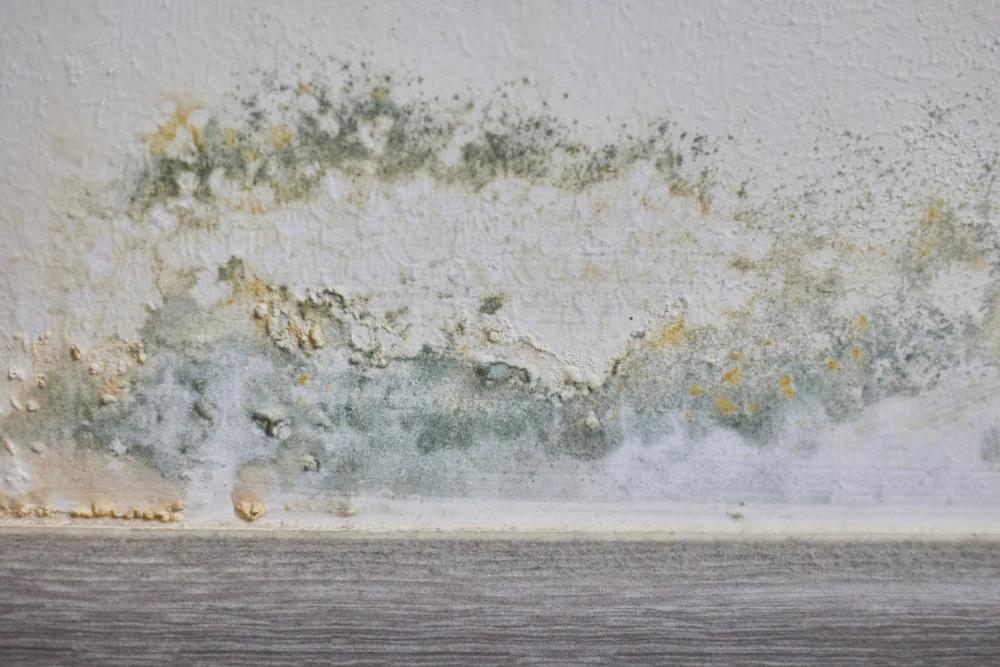
Mold doesn’t just sit on surfaces. It spreads through the air, behind walls, under floors. You might smell it before you see it. Or maybe you’ve already spotted the dark patches in the basement, around windows, or creeping up from the crawl space.
Either way, you’re dealing with more than a cleaning problem. Mold grows because there’s moisture feeding it. Until that source gets fixed, surface scrubbing won’t do much.
Mold mitigation means finding where the water’s coming from, sealing off the affected area so spores don’t spread during removal, then cleaning and treating everything properly. After that, the space gets dried out, repaired if needed, and tested to confirm the air is safe again. That’s what stops it from coming back.
Kulpsville’s humidity doesn’t help. Summers here average 73% humidity, and older homes in Bucks County tend to have basements and crawl spaces that trap moisture. Add a roof leak or a slow pipe drip, and you’ve got the perfect setup for mold growth. The goal isn’t just getting rid of what you can see—it’s making sure the conditions that caused it are gone too.
We work with homeowners across Kulpsville and the surrounding Bucks County area. We know the homes here—the older construction, the basement moisture issues, the way Pennsylvania’s climate creates problems you don’t always see until they’ve already started.
Our team uses moisture meters, infrared cameras, and HEPA filtration systems to locate hidden water sources and remove mold safely. We’re available 24/7 because mold doesn’t wait for business hours, and neither should your response.
We also work directly with insurance companies to handle documentation and help reduce what you’re paying out of pocket. Most of our clients are dealing with this for the first time. We walk them through what’s happening, what needs to happen next, and what to expect once the work is done.
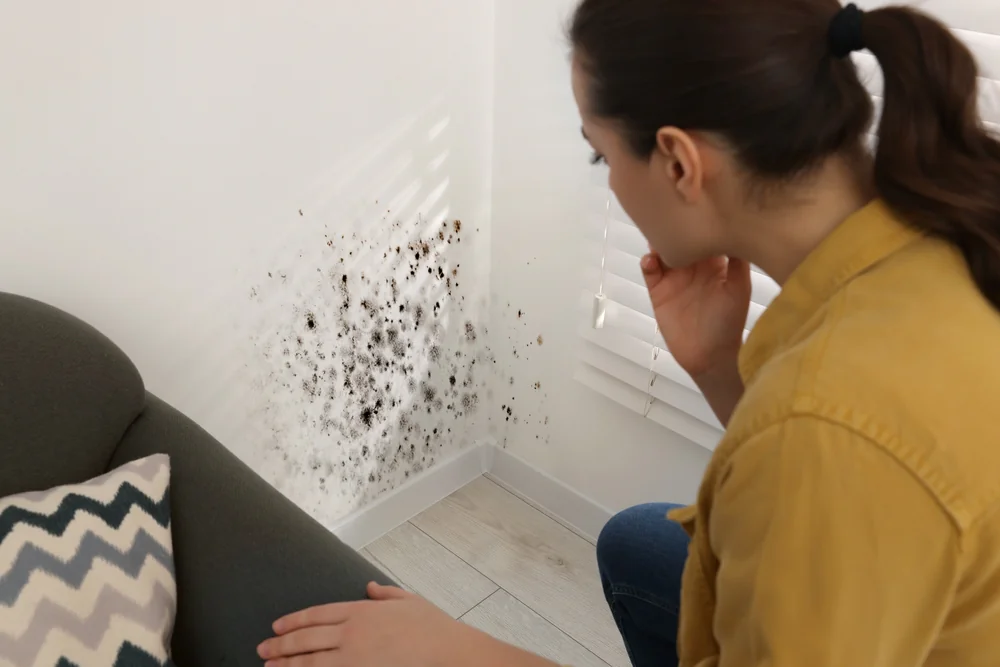
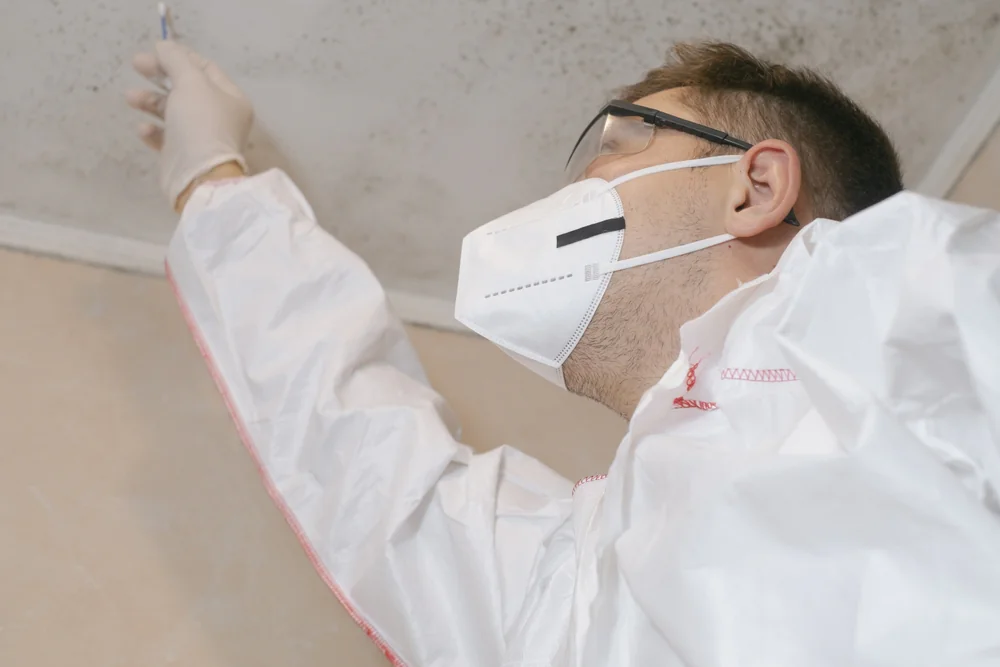
First, we inspect the property to find where the mold is growing and what’s feeding it. That means checking visible areas, but also using moisture meters and infrared cameras to locate water behind walls, under floors, or in the attic. Mold grows where moisture sits, so if we don’t find the source, the problem comes back.
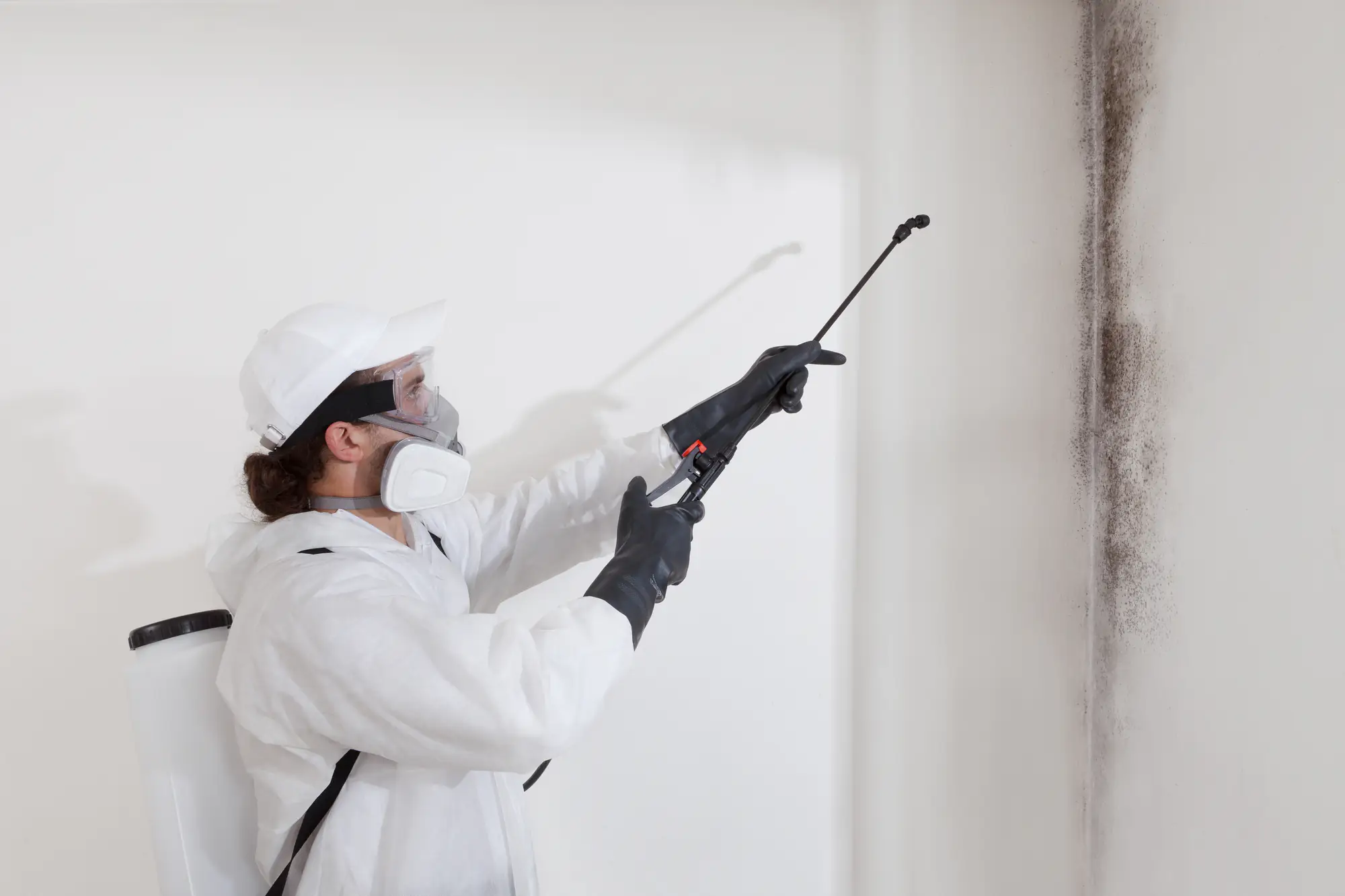
Next, we contain the area. Physical barriers and negative air pressure systems keep mold spores from spreading to other parts of your home during removal. HEPA filters pull spores out of the air while we work.
Then we remove the mold. Depending on the material, that might mean cleaning and treating surfaces with antimicrobial solutions, or removing and replacing drywall, insulation, or flooring that’s too damaged to save. Everything gets dried out completely—moisture left behind means mold can return.
After removal, we fix what caused the problem. That could be repairing a leak, improving ventilation, installing a dehumidifier, or addressing drainage issues around the foundation. This step is what separates mold mitigation from surface cleaning.
Finally, we verify the air quality and restore any damaged areas. You get documentation showing the work was done right, which matters if you’re selling the property or filing an insurance claim.
Ready to get started?
Mold mitigation covers the full process—not just the removal, but everything that needs to happen before and after to make sure the problem is actually solved.
That includes a thorough inspection with advanced detection equipment to locate all affected areas, even the ones you can’t see. It includes containment to prevent cross-contamination while we work. It includes safe removal using EPA-approved methods and antimicrobial treatments. And it includes identifying and fixing the moisture source, whether that’s a plumbing leak, poor ventilation, high humidity, or water intrusion from outside.
In Kulpsville and Bucks County, we see a lot of basement mold from groundwater seepage, attic mold from roof leaks or condensation, and crawl space mold from standing water and poor airflow. Pennsylvania’s climate—high summer humidity, frequent rain, temperature swings—makes these issues common. Homes built before modern moisture barriers were standard are especially vulnerable.
We also handle black mold mitigation, which is what most people worry about when they hear “toxic mold.” Black mold (Stachybotrys) grows on materials with high cellulose content—drywall, wood, paper—when they stay wet. It’s not more dangerous than other molds for most people, but it does indicate a serious moisture problem that needs immediate attention.
After mitigation, you get post-remediation verification and documentation. That confirms the air quality is safe and gives you records for insurance, real estate transactions, or your own peace of mind.
Mold mitigation costs depend on how much mold there is, where it’s growing, and what caused it. A small area in a bathroom might cost a few hundred dollars. A basement or attic with extensive growth can run several thousand. Whole-house mitigation for severe cases can reach $15,000 to $30,000.
Most homeowners insurance policies cover mold if it’s caused by a sudden, accidental event like a burst pipe. They typically don’t cover mold from long-term neglect or maintenance issues like a slow leak you didn’t fix. Coverage limits for mold usually range from $1,000 to $10,000, though some policies go higher.
We work with insurance companies to document everything properly and help you get the most coverage possible. We also offer financing options if you’re paying out of pocket. The longer you wait, the worse the damage gets—and the more expensive it becomes to fix.
Small jobs can be done in a day or two. Larger projects—like a full basement or multiple rooms—might take a week or more. The timeline depends on how much mold there is, what materials are affected, and how long it takes to dry everything out completely.
Containment and removal happen relatively quickly. The drying process takes longer because moisture has to be fully eliminated or the mold will come back. If we’re replacing drywall, insulation, or flooring, that adds time too.
We’ll give you a clear timeline upfront based on what we find during the inspection. Most of our clients can stay in the home during mitigation as long as the affected area is properly contained. If the contamination is severe or affects the HVAC system, we might recommend staying elsewhere temporarily.
Small surface mold on non-porous materials—like a little mildew on bathroom tile—can usually be cleaned with household products. Anything larger than about 10 square feet, or mold on porous materials like drywall and wood, should be handled professionally.
Here’s why: mold you can see is only part of the problem. Spores spread through the air and into areas you can’t reach. Without proper containment, DIY removal often makes things worse by spreading contamination to other parts of the house. Without fixing the moisture source, the mold comes back.
Professional mold mitigation includes equipment you don’t have at home—HEPA filtration, negative air machines, moisture meters, infrared cameras. It includes knowing which materials can be saved and which need to be removed. And it includes identifying what’s causing the mold so you’re not dealing with this again in a few months.
If you’re seeing mold, there’s a good chance there’s more you’re not seeing. A professional inspection tells you what you’re actually dealing with.
The terms are often used interchangeably, but there’s a technical difference. Mold remediation means returning mold levels to normal, naturally occurring levels—because mold spores exist everywhere. Mold mitigation means reducing or eliminating the conditions that allow mold to grow in the first place.
In practice, both involve the same process: inspection, containment, removal, moisture control, and verification. The goal is to get rid of the active mold growth and fix whatever’s feeding it so it doesn’t come back.
What matters more than the terminology is whether we’re addressing the root cause. Some companies will clean visible mold and call it done. That’s not mitigation. Real mold mitigation means finding the water source—whether it’s a leak, condensation, humidity, or drainage problem—and fixing it. Otherwise, you’re paying for temporary relief, not a solution.
Mold comes back if the moisture source isn’t fixed. If we remove the mold but don’t repair the leaking pipe, improve the ventilation, or address the humidity problem, you’ll see growth again within weeks or months.
That’s why moisture control is the most important part of mold mitigation. We don’t just clean what’s there—we identify what’s causing it and make the repairs or changes needed to eliminate the conditions mold needs to grow.
After mitigation, you’ll want to keep an eye on humidity levels, especially in basements and crawl spaces. Dehumidifiers help in areas that tend to stay damp. Fixing gutters and grading issues keeps water away from the foundation. Regular maintenance on plumbing and roofs catches small leaks before they become big problems. If the conditions stay dry, the mold stays gone.
Black mold (Stachybotrys chartarum) gets a lot of attention, but the mitigation process is the same as for other types of mold. It requires containment, safe removal, moisture elimination, and proper disposal of contaminated materials. The health concerns are real—black mold produces mycotoxins that can cause respiratory issues, especially for people with asthma or allergies—but it’s not more dangerous than other molds for most people.
What makes black mold a red flag is what it indicates: serious, prolonged moisture exposure. Black mold grows on materials with high cellulose content—drywall, wood, paper—that have been wet for an extended period. If you’re seeing black mold, the moisture problem has been there for a while.
In Kulpsville and Bucks County, we see black mold most often in basements with water intrusion, attics with roof leaks, and behind walls where plumbing has been leaking unnoticed. Pennsylvania’s humidity and older home construction create the perfect environment. The key is catching it early and addressing both the mold and the moisture source at the same time.
Other Services we provide in Kulpsville