
Hear from Our Customers
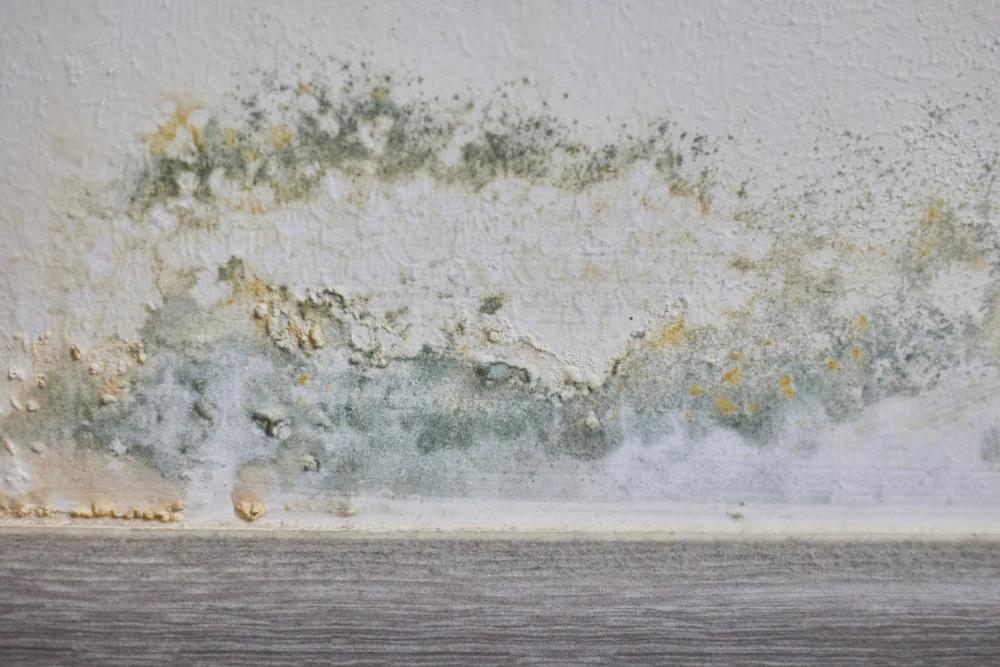
You shouldn’t have to guess whether the air in your home is safe. When mold takes hold, it doesn’t just sit there—it spreads, releases spores, and starts affecting how you feel every day.
Mold mitigation means stopping the problem at its source. We’re talking about identifying where moisture is getting in, eliminating active mold growth, and treating the space so it doesn’t come back the moment humidity creeps up again.
After mitigation, your home feels different. The musty smell disappears. That nagging cough or stuffy nose you’ve been blaming on allergies starts to clear up. And if you’re planning to sell, you’re not dealing with buyers backing out or demanding price cuts because of something you could’ve handled months ago.
This isn’t about masking the issue. It’s about removing the conditions that let mold thrive in the first place—so your home works the way it should.
We work with homeowners across King of Prussia, PA and Bucks County who are dealing with mold they didn’t see coming. Older homes around here are especially vulnerable—aging pipes leak, basements stay damp, and ventilation wasn’t exactly a priority when these houses were built.
We know the local building stock. We know how humidity behaves in Pennsylvania. And we know what it takes to actually solve mold problems instead of just cleaning visible spots and calling it done.
Our process starts with a free assessment. We don’t charge you to figure out what’s wrong. From there, we walk you through what needs to happen, what it’ll cost, and how long it’ll take—no surprises, no upselling.
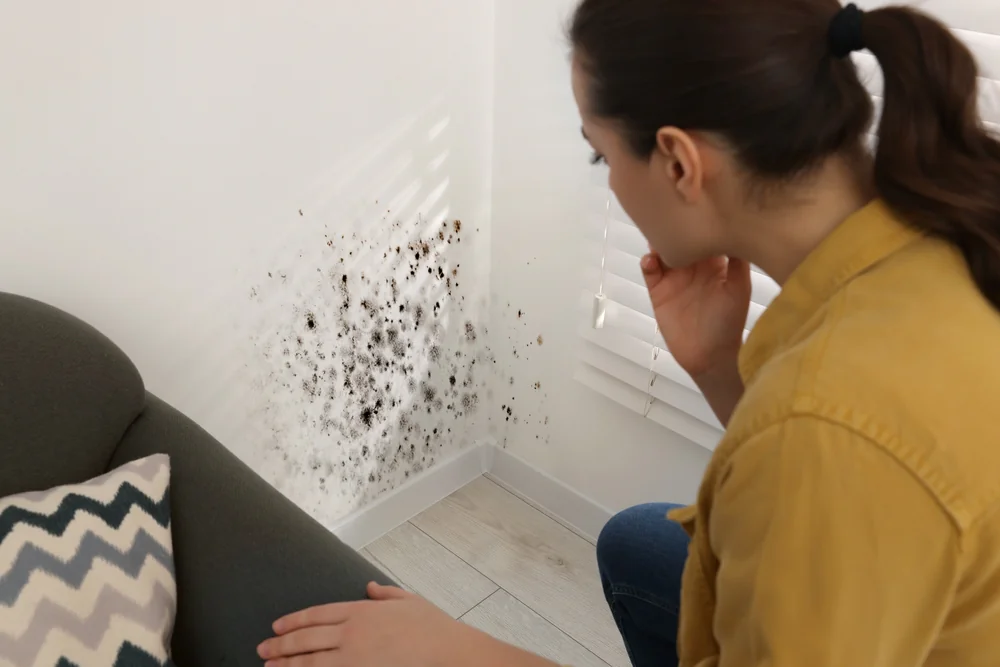
First, we come out and do a thorough inspection. That means checking the obvious spots—basements, bathrooms, crawl spaces—but also using moisture meters and air quality tools to find mold you can’t see. We’re looking for the source, not just the symptoms.
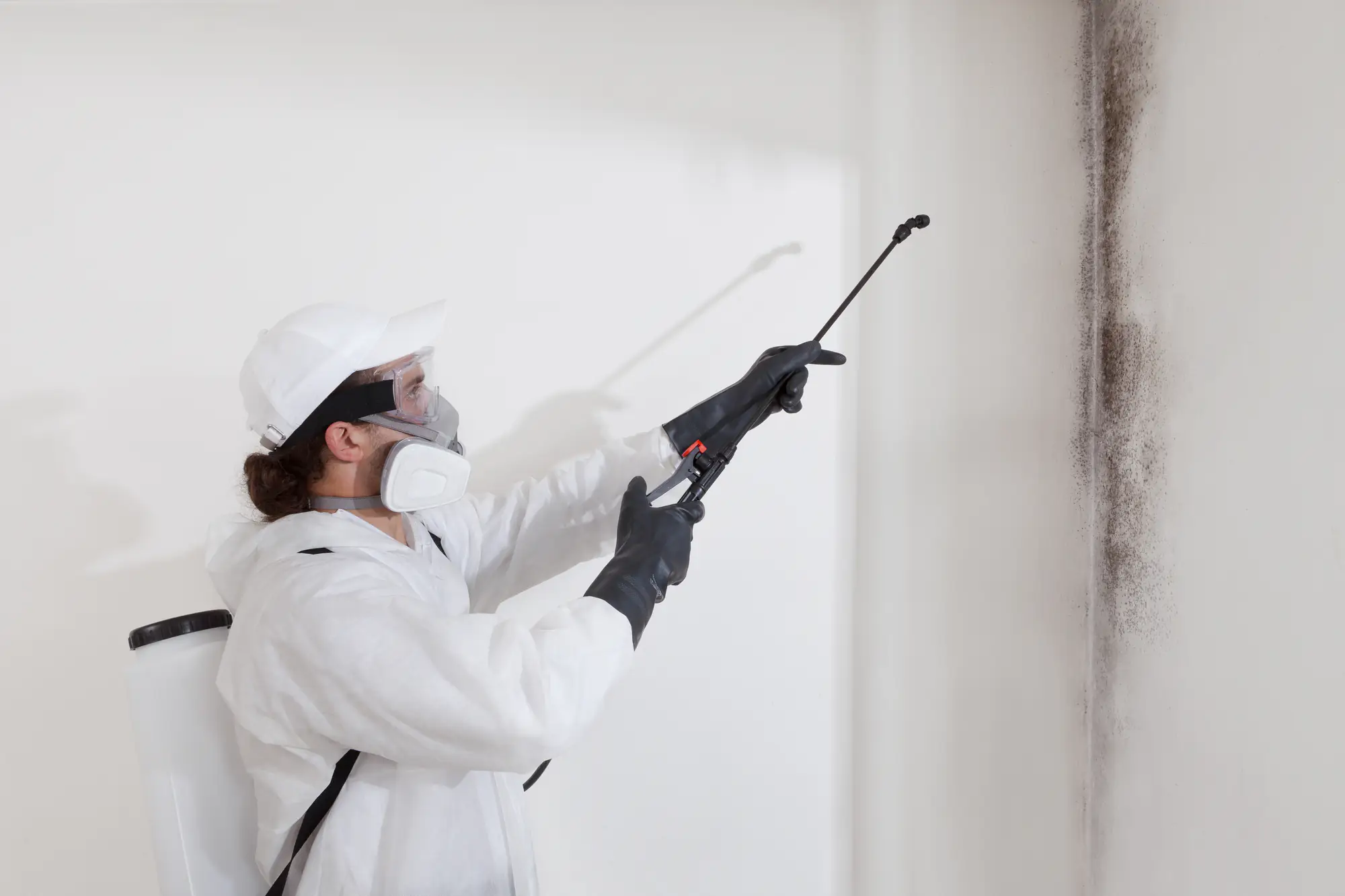
Once we know what we’re dealing with, we contain the affected area to prevent spores from spreading to clean parts of your home. Then we remove the mold, treat surfaces with antimicrobial solutions, and address the moisture issue that caused it—whether that’s a leaky pipe, poor ventilation, or groundwater seeping into your foundation.
After removal, we don’t just pack up and leave. We verify air quality, make sure humidity levels are where they need to be, and give you a clear plan for keeping mold from coming back. If insurance is involved, we document everything and work directly with your provider to make the claims process as painless as possible.
The whole thing is designed to be transparent. You’ll know what’s happening at every step.
Ready to get started?
Mold mitigation isn’t the same as mold removal. Removal means scrubbing away what’s visible. Mitigation means fixing the problem so it doesn’t keep happening.
When we mitigate mold damage, you’re getting a full assessment of moisture sources, professional-grade containment to stop cross-contamination, complete removal of affected materials when necessary, antimicrobial treatment of all surfaces, air filtration during the process, and humidity control recommendations specific to your home.
In King of Prussia, we see a lot of basement mold tied to poor drainage and older foundation issues. We also see attic mold in homes where ventilation was never upgraded and bathroom mold in spaces that don’t have exhaust fans or windows. Each situation is different, but the approach stays the same—find the cause, eliminate the growth, prevent recurrence.
We also help with insurance claims. Mold coverage varies wildly depending on your policy and what caused the problem, but we’ll document everything, provide detailed estimates, and communicate directly with adjusters so you’re not stuck playing middleman.
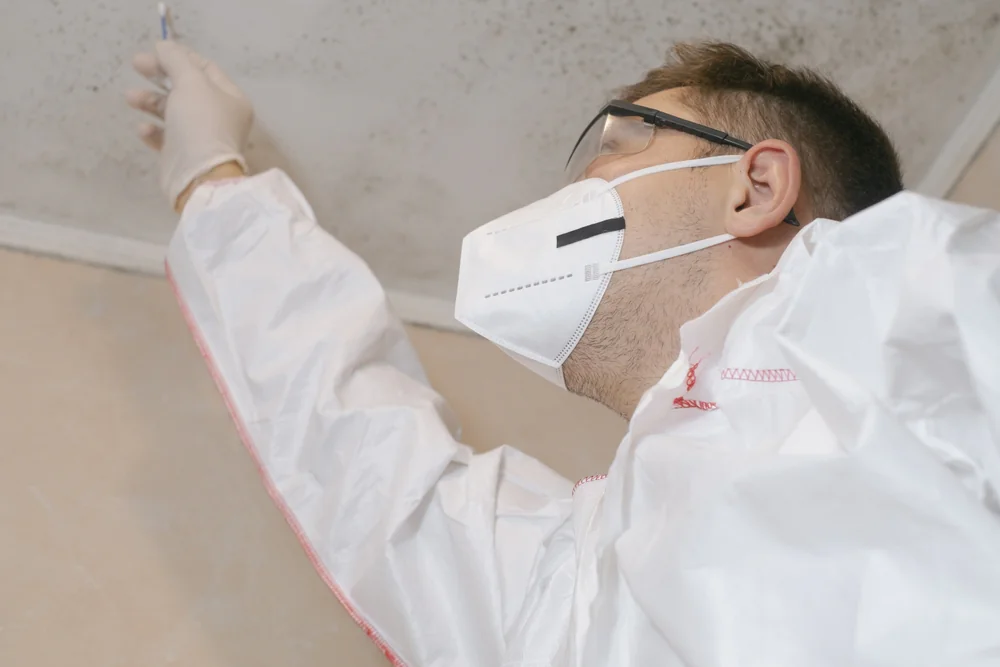
Mitigation focuses on preventing mold before it becomes a major problem or stopping it from spreading once it’s found. Remediation is the process of removing existing mold and restoring your property after it’s already taken hold.
In practice, most jobs involve both. We mitigate by controlling moisture, containing affected areas, and treating surfaces to prevent future growth. We remediate by physically removing mold colonies, cleaning contaminated materials, and restoring your home to a healthy state.
The key difference is timing and intent. Mitigation is proactive or early-stage. Remediation is reactive. But if you’re calling us because you found mold, we’re doing both—getting rid of what’s there and making sure it doesn’t come back.
It depends on the size of the affected area and what’s causing the moisture. A small bathroom mold issue might take a day or two. A full basement with widespread growth and water intrusion could take a week or more.
The inspection and containment happen quickly—usually within 24 hours of your call. Removal and treatment take longer because we’re not just wiping down surfaces. We’re pulling out damaged drywall, treating studs, running air scrubbers, and verifying that spore counts are back to normal levels.
We’ll give you a timeline during the assessment. Most homeowners are surprised by how fast we move once we start, but we won’t rush the process just to close out the job. It has to be done right, or you’ll be dealing with the same problem six months from now.
Sometimes. It depends on what caused the mold and what your policy says about water damage and mold coverage.
If mold resulted from a sudden event—like a burst pipe or storm damage—there’s a good chance your insurance will cover at least part of the mitigation. If it’s from long-term neglect, poor maintenance, or gradual moisture buildup, most policies won’t cover it.
We work with insurance companies regularly. We’ll document the damage, provide a detailed scope of work, and communicate directly with your adjuster. Even if your claim gets denied, we’ll make sure you understand why and what your options are. And we offer flexible payment plans for out-of-pocket costs, so you’re not stuck choosing between your health and your budget.
You can try, but it’s risky—and it usually doesn’t work. Small surface mold on a bathroom tile might be manageable with the right cleaner. Anything larger than a few square feet, anything behind walls, or anything involving black mold should be handled by professionals.
Here’s why: mold spreads through spores. When you disturb it without proper containment, you’re sending those spores into the air and throughout your home. You’re also probably not addressing the moisture source, which means the mold will grow back.
We use containment barriers, negative air pressure, HEPA filtration, and antimicrobial treatments that aren’t available at the hardware store. We also know how to identify hidden mold and moisture issues that aren’t obvious to the untrained eye. DIY mold removal often turns a $2,000 problem into a $10,000 problem because it wasn’t done right the first time.
The most obvious sign is visible mold—black, green, or white patches on walls, ceilings, or floors. But you don’t always see it before it becomes a problem.
Other signs include a persistent musty odor, water stains or discoloration on surfaces, peeling paint or wallpaper, increased allergy symptoms or respiratory issues when you’re home, and any history of water damage, leaks, or flooding. In King of Prussia, we also see a lot of mold in homes with damp basements, poor attic ventilation, or older plumbing that’s starting to fail.
If you’re noticing any of these signs, don’t wait. Mold spreads fast—colonies can double in size in less than a week under the right conditions. We offer free assessments, so there’s no cost to have us come out, check your home, and tell you exactly what’s going on.
If the moisture source wasn’t fully addressed, mold can return. That’s why our mitigation process focuses just as much on fixing what caused the mold as it does on removing it.
We identify every moisture entry point—leaks, condensation, humidity, groundwater—and give you a clear plan for controlling it. That might mean repairing pipes, improving ventilation, installing a dehumidifier, or regrading soil around your foundation. If we’re doing the mitigation, we’re also doing the moisture correction.
In the rare case that mold reappears in a treated area, we come back and figure out what was missed. Good mitigation doesn’t just clean up mold. It eliminates the conditions that let it grow in the first place. If those conditions are still present, the problem isn’t solved—and we won’t consider the job done until it is.
Other Services we provide in King Of Prussia