
Hear from Our Customers
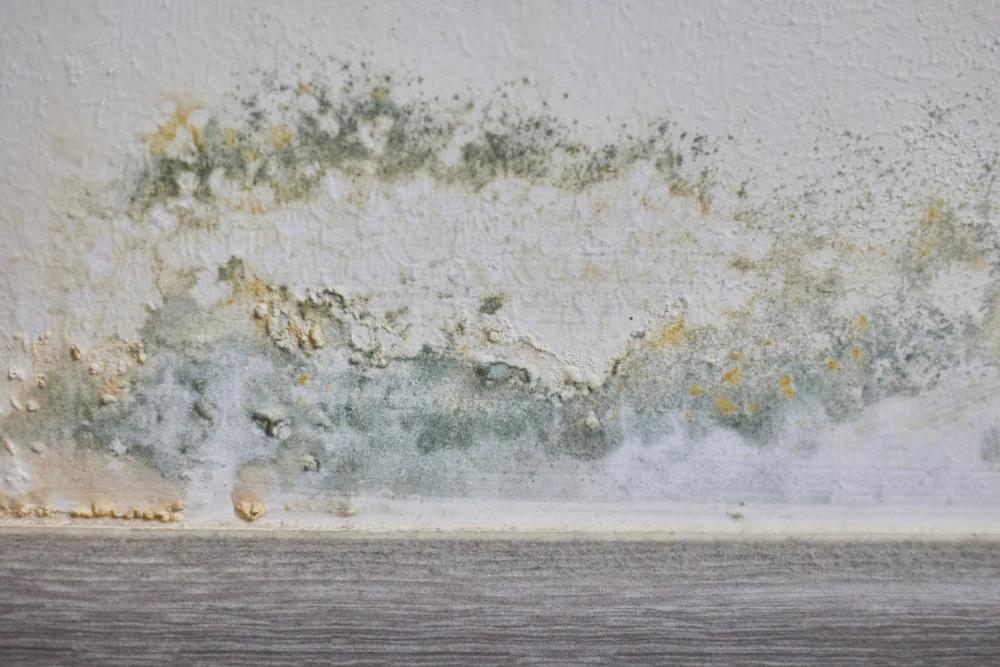
Mold doesn’t just sit on surfaces. It spreads through the air, gets into your HVAC system, and grows behind walls where you can’t see it. If someone in your house has been dealing with a stuffy nose, itchy eyes, or unexplained coughing, mold might be why.
Professional mold mitigation stops that cycle. We don’t just wipe down what’s visible—we dry out the moisture source, remove contaminated materials, treat affected areas, and make sure the air you’re breathing is actually clean again.
The difference between doing this right and doing it halfway is whether mold comes back in six months. Pennsylvania’s climate—with heavy rain, older housing stock, and high humidity—makes King of Prussia, PA properties especially vulnerable. Once water gets in, the clock starts. The longer you wait, the more damage mold does to your drywall, insulation, wood framing, and belongings.
Mack’s Mold Removal has been handling mold mitigation and water damage restoration across Montgomery County since 2008. We’re not a franchise. You work directly with our team, and owner Jeff is involved in every job.
We’re certified, insured, and equipped with the tools that actually matter—thermal imaging cameras to find hidden moisture, HEPA filtration systems, commercial dehumidifiers, and containment barriers that keep mold spores from spreading during removal. King of Prussia homes deal with basement seepage, attic condensation, and crawl space humidity more than most people realize. We’ve seen it all, and we know how to fix it without tearing apart your entire house.
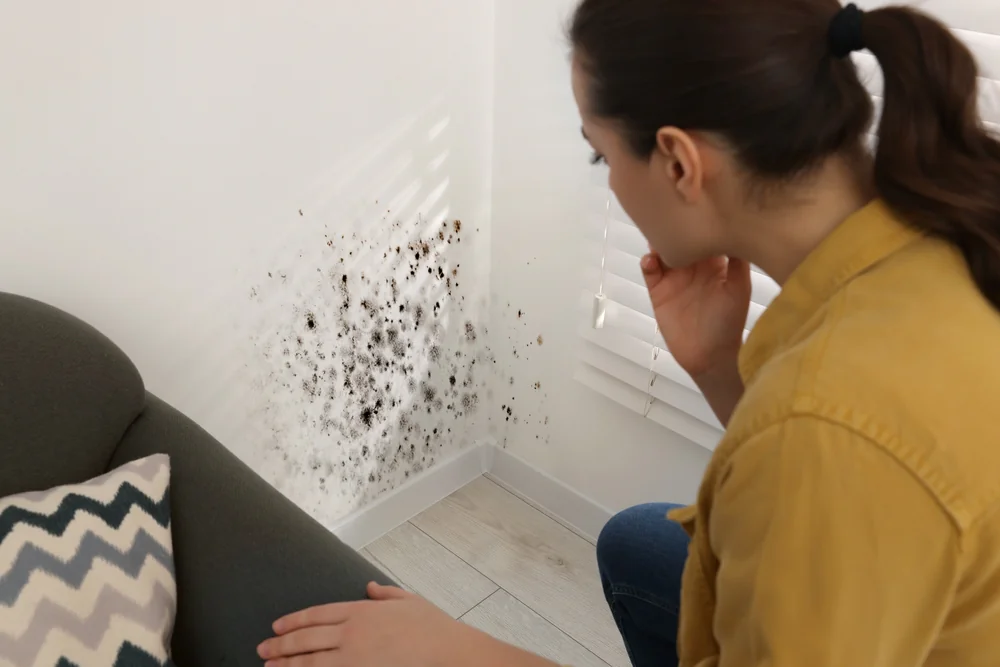
First, we inspect the entire property—not just the area where you see mold. We use moisture meters and thermal imaging to find hidden water damage in wall cavities, under flooring, and in your attic or crawl space. Mold grows where it’s damp, and that’s not always obvious from the surface.
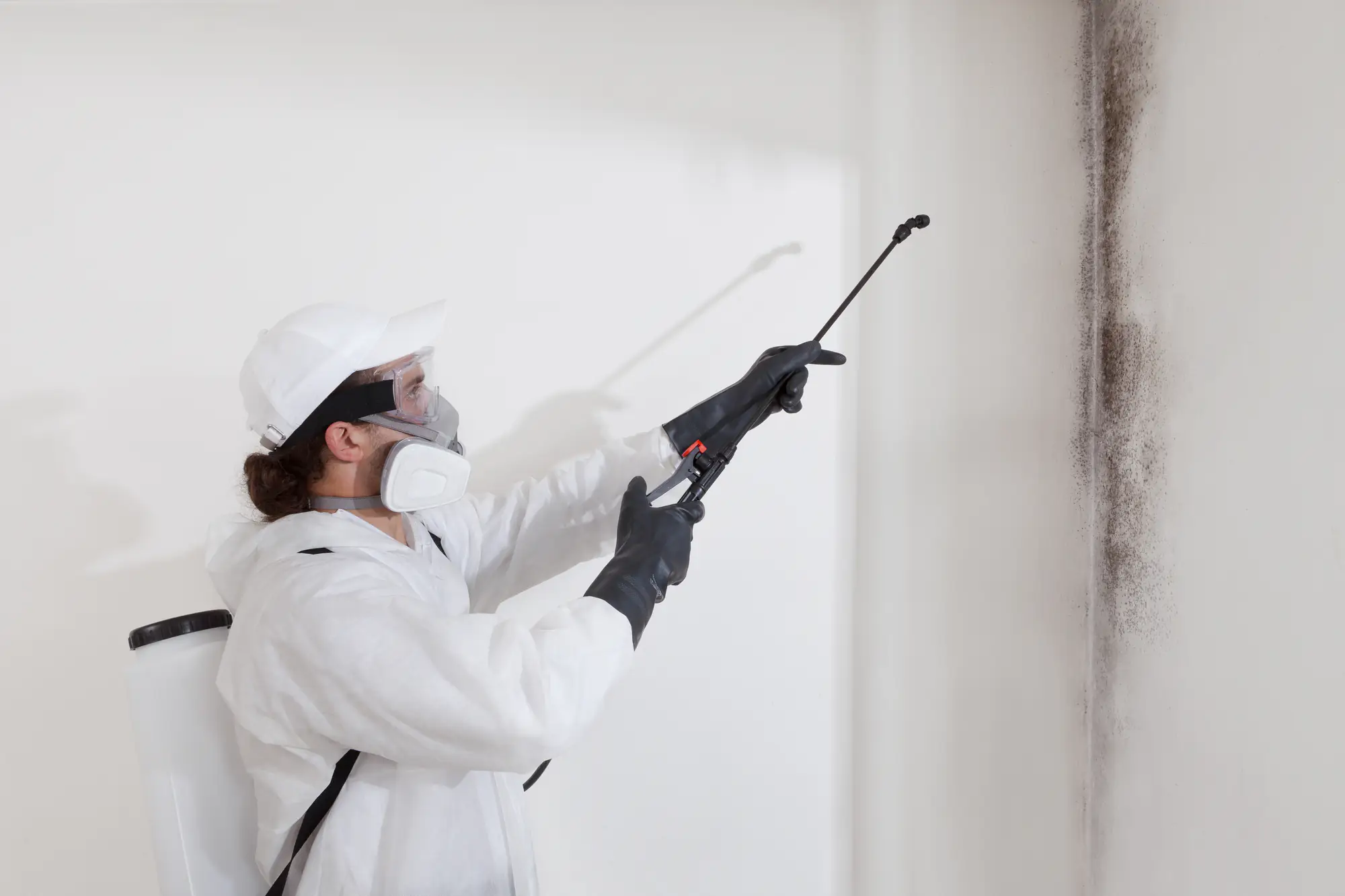
Next, we contain the affected area so mold spores don’t spread to clean parts of your home while we work. We set up physical barriers and run negative air pressure to keep everything controlled. Then we remove contaminated materials—drywall, insulation, carpeting, whatever can’t be saved—and treat structural elements like framing and subfloors with antimicrobial solutions.
After that, we dry everything out completely. This step matters more than most people think. If moisture is still present when we leave, mold will come back. We monitor humidity levels and don’t consider the job done until readings are where they need to be. Finally, we handle the rebuild—patching drywall, repainting, reinstalling trim—so your home looks like nothing ever happened.
Ready to get started?
We handle every type of mold problem—attic mold mitigation after roof leaks, crawl space mold mitigation from groundwater intrusion, black mold mitigation in bathrooms and basements, and water mold restoration after flooding or pipe bursts. Each situation is different, but the process stays thorough.
You get a free inspection with moisture mapping and mold testing if needed. We’ll tell you exactly what type of mold you’re dealing with and where the moisture is coming from. From there, we give you a clear estimate before any work starts—no surprises, no upselling.
King of Prussia properties built before modern moisture barriers went into code are especially prone to water intrusion. Older homes in the area weren’t designed to handle the kind of rainfall Pennsylvania gets, and basements that were “dry enough” 30 years ago are now dealing with chronic dampness. We see it constantly. If your home was built before 1990 and you’ve noticed musty smells or discoloration on walls, you’re not imagining it.
We also work directly with your insurance company if your mold issue is related to a covered water damage event. We document everything, take photos, and provide the paperwork your adjuster needs. That alone saves you hours of back-and-forth.
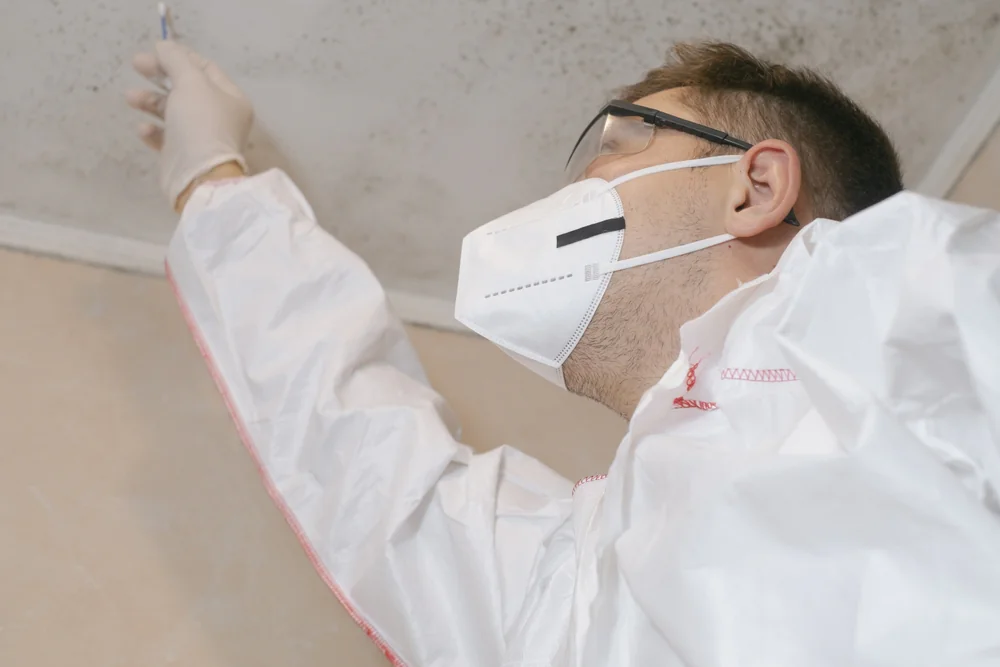
Mold can start growing within 24 to 48 hours after materials get wet. That’s not a lot of time, and it’s why speed matters when you’re dealing with a leak, flood, or burst pipe.
If you dry everything out within that window, most materials won’t develop mold at all. But once mold starts, it spreads fast—through the air, across surfaces, into porous materials like drywall and insulation. Within a week, you’re looking at visible colonies and a much bigger problem.
This is especially true in King of Prussia, PA, where humidity levels stay high for much of the year. Basements, attics, and crawl spaces don’t dry out on their own. If you’ve had water damage and you’re waiting to see if it gets better, it won’t. The longer you wait, the worse it gets and the more expensive the fix becomes.
Mold mitigation focuses on reducing the damage and stopping mold from spreading further. It’s about containment, moisture control, and preventing the problem from getting worse. Mold remediation is the full process—removal, treatment, air filtration, and restoration.
Most people use the terms interchangeably, and that’s fine. What matters is that the company you hire does both. If someone just removes visible mold without addressing the moisture source or treating the air quality, the mold will come back.
We handle the entire process. That means finding where the water is coming from, drying out affected materials, removing contaminated sections, treating surfaces with antimicrobial solutions, filtering the air with HEPA equipment, and rebuilding whatever needs to be replaced. You’re not left halfway through the job trying to find another contractor to finish it.
If it’s a tiny spot on a non-porous surface—like a little mildew on a bathroom tile—you can probably handle it with bleach or a mold cleaner. But if mold covers more than a few square feet, if it’s on drywall or wood, or if you’re dealing with hidden mold behind walls or in your HVAC system, don’t try to do it yourself.
Here’s why: disturbing mold without proper containment spreads spores throughout your home. You’ll make the problem worse. Mold also grows deeper into porous materials than what you see on the surface, so scrubbing the visible part doesn’t actually remove it. And if you don’t fix the moisture issue, it’ll come back in the same spot within weeks.
Professional mold mitigation uses containment barriers, negative air pressure, HEPA filtration, and proper removal techniques to keep spores from spreading. We also have the equipment to find hidden moisture and dry out materials completely. That’s the difference between a temporary fix and actually solving the problem.
It depends on what caused the mold. If mold resulted from a sudden, accidental water damage event—like a burst pipe, roof leak during a storm, or appliance malfunction—most homeowners insurance policies will cover mold mitigation as part of the water damage claim.
But if mold developed because of long-term neglect, poor maintenance, or chronic moisture issues you didn’t address, insurance usually won’t cover it. They expect homeowners to keep up with basic maintenance and fix leaks when they happen.
We work with insurance companies regularly and know what documentation they need. We’ll take photos, write up detailed reports, and communicate directly with your adjuster if you want us to. That makes the claims process a lot easier. Even if your policy doesn’t cover mold, we’ll give you a transparent estimate so you know exactly what you’re paying for.
You might smell it before you see it. Mold has a musty, earthy odor that’s hard to ignore once you notice it. If certain rooms in your house smell off—especially basements, bathrooms, or closets—there’s a good chance mold is growing somewhere nearby.
Other signs include water stains on ceilings or walls, peeling paint, warped wood, or persistent condensation on windows. If anyone in your home has been dealing with unexplained allergies, respiratory issues, or sinus problems that get better when they leave the house, mold exposure could be the cause.
We use thermal imaging cameras and moisture meters during inspections to find hidden mold growth. These tools let us see inside walls, under floors, and in attics without tearing everything apart. If you’ve had any kind of water damage in the past—even if it was months ago—it’s worth having someone check. Mold doesn’t go away on its own, and the longer it grows, the more damage it does.
Most residential mold mitigation jobs take between three and seven days, depending on how much mold is present and how widespread the moisture damage is. Small, contained areas—like a bathroom or single wall section—can often be handled in a day or two. Larger jobs involving multiple rooms, attic mold mitigation, or crawl space mold mitigation take longer.
Drying time is usually the biggest factor. We can remove contaminated materials quickly, but we won’t close up walls or move to the rebuild phase until moisture levels are back to normal. Rushing that step is how mold comes back.
We’ll give you a timeline during the inspection so you know what to expect. If you’re dealing with an emergency—like active water damage or a situation where mold is affecting your family’s health—we can start same-day and work as quickly as possible without cutting corners. You won’t be left waiting around wondering when things will get back to normal.
Other Services we provide in King Of Prussia