
Hear from Our Customers
You stop worrying every time someone coughs. The musty smell disappears from your basement. You can actually breathe easier knowing the air in your home isn’t making anyone sick.
That’s what proper mold mitigation does. It removes the visible growth, yes—but more importantly, it addresses the moisture problem causing it. Because if you don’t fix what’s feeding the mold, you’re just paying to watch it come back.
When black mold mitigation is done right, you’re not just covering up a problem. You’re eliminating the health risk, protecting your property value, and getting back to normal life. No drama. No displacement unless absolutely necessary. Just a clear plan, professional work, and a home you can trust again.
We’ve been handling mold problems across Horsham and Bucks County since 2009. We’ve seen what happens when contractors cut corners, when homeowners get scared into unnecessary work, and when the real issue—moisture—gets ignored completely.
We don’t do that. Owner Jeff and his team show up, assess the situation honestly, and tell you what actually needs to happen. Not the most expensive option. Not the fastest sale. Just the right fix.
Horsham’s humid summers and cold winters create perfect conditions for mold growth, especially in basements, crawl spaces, and attics. We know these homes. We know how they’re built, where moisture hides, and how to stop it for good.
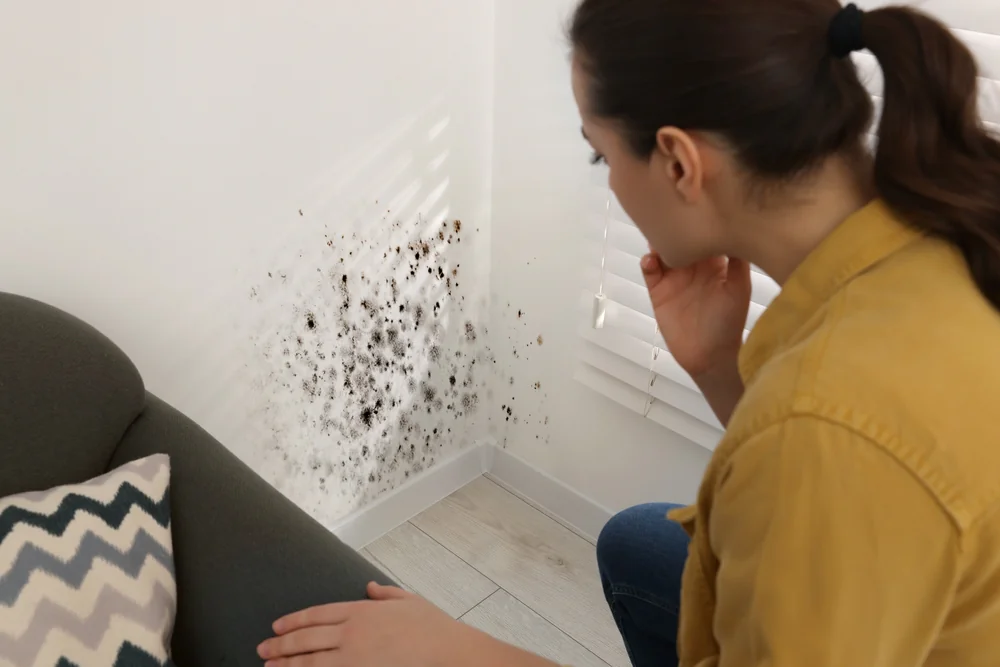
First, we inspect your property for free. That means checking visible mold, testing air quality if needed, and using moisture meters and infrared cameras to find hidden problems behind walls or under floors. You get a full picture of what’s happening before any work starts.
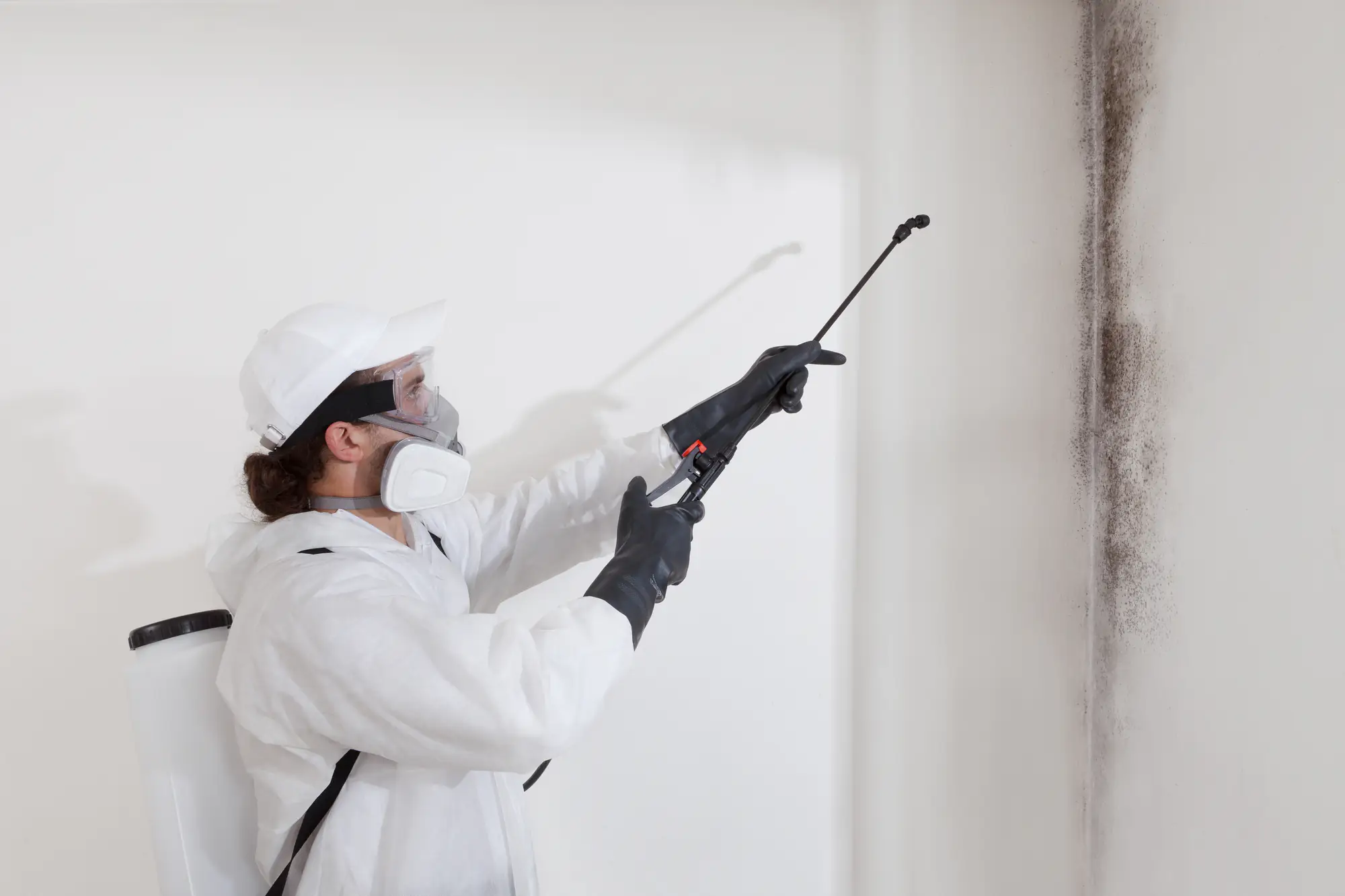
Next, we contain the affected area to prevent mold spores from spreading during removal. We use HEPA air scrubbers to filter the air and negative pressure systems to keep contamination isolated. Then we remove the mold using safe, eco-conscious biocides and HEPA vacuums—not harsh chemicals that create new problems.
But here’s the part that matters most: we find and fix the moisture source. Whether it’s a leak, condensation, poor ventilation, or water intrusion, we address what caused the mold in the first place. That might mean improving crawl space ventilation, repairing a roof leak, or installing a dehumidifier. Without this step, you’re just waiting for mold to return.
Finally, we restore any damaged materials and verify the air quality is safe. You get documentation, clear answers, and help with insurance claims if needed.
Ready to get started?
Every mold mitigation project includes a thorough inspection with moisture detection technology. You’re not guessing where the problem is—you’re seeing it mapped out clearly.
We handle attic mold mitigation, crawl space mold mitigation, basement mold removal, and water mold restoration after flooding or leaks. Each area requires different techniques because each environment creates mold differently. Attics need proper ventilation and insulation checks. Crawl spaces need vapor barriers and drainage solutions. Basements need waterproofing and humidity control.
In Horsham and throughout Bucks County, we’re seeing more mold issues tied to aging HVAC systems and poor attic ventilation. Pennsylvania’s climate doesn’t help—humid summers mean moisture gets trapped in spaces that don’t breathe well. We account for that in every job.
You also get help navigating insurance claims. We document everything, provide detailed estimates, and work directly with your insurance company when coverage applies. Most mold mitigation falls between $1,100 and $3,300 depending on the size and severity, but you’ll know your exact cost upfront—no surprises halfway through the job.
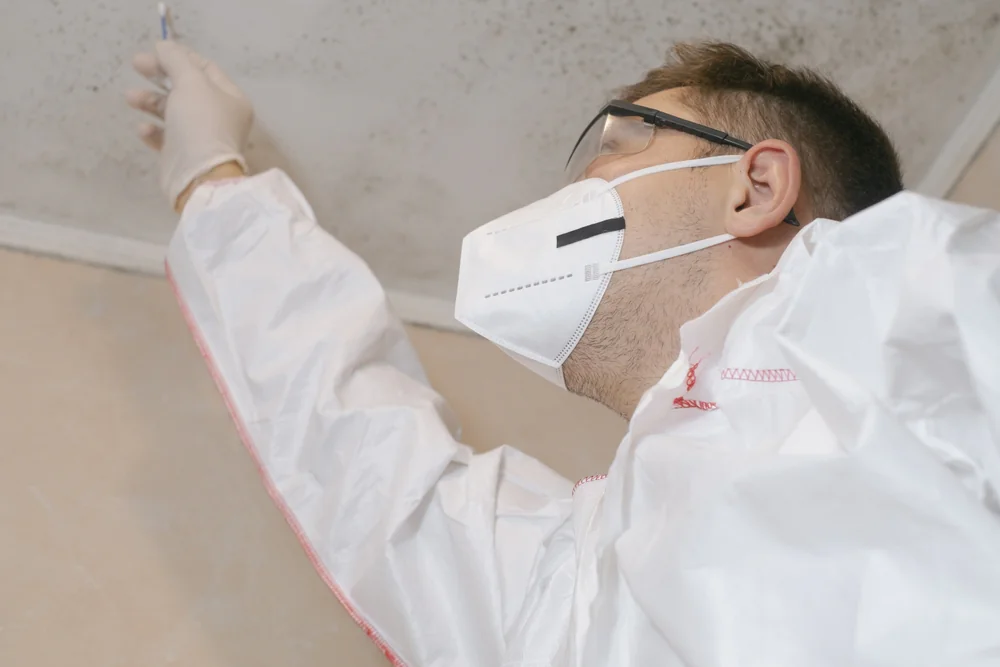
Mold can start growing within 24 to 48 hours after water exposure. That’s not a lot of time, especially if you’re dealing with a burst pipe, roof leak, or flooding in your basement.
The clock starts the moment materials get wet—drywall, insulation, carpet, wood framing. If those materials stay damp, mold spores that are already in the air land and start colonizing. Within a few days, you’ve got visible growth. Within a week or two, it’s spreading.
That’s why water mold restoration needs to happen fast. The longer water sits, the bigger the mold problem becomes and the more expensive the fix. If you’ve had any kind of water intrusion in your Horsham home, get it checked immediately—even if you don’t see mold yet.
Small surface mold—like a little spot on a bathroom tile—you can handle with bleach or a mold cleaner. But if you’re dealing with mold covering more than 10 square feet, mold inside walls, or mold caused by contaminated water, you need professional mold mitigation.
Here’s why: disturbing mold releases thousands of spores into the air. Without proper containment, HEPA filtration, and protective equipment, you’re spreading the problem throughout your home and breathing it in while you work. You’re also likely missing the moisture source, which means the mold will come back.
Professional mold mitigation companies use containment barriers, negative air pressure, industrial air scrubbers, and safe removal techniques that prevent cross-contamination. We also find and fix the root cause—something a DIY approach almost always misses. If you’re seeing mold in multiple areas, smelling it but can’t find it, or dealing with black mold, call someone who knows what they’re doing.
Most mold mitigation projects in Horsham and Bucks County run between $1,100 and $3,300. The average is around $2,200, but your actual cost depends on how much mold there is, where it’s located, and what’s causing it.
A small attic mold mitigation job might cost $1,200 if it’s caught early and the source is a simple ventilation issue. A larger crawl space mold mitigation project with standing water, vapor barrier installation, and structural repairs could run $4,000 or more.
Factors that affect price: square footage of mold growth, whether materials need to be removed and replaced, if testing is required, the complexity of moisture control, and how accessible the area is. Crawl spaces and attics cost more because they’re harder to work in. We give you a free inspection and a detailed estimate before any work starts, so you know exactly what you’re paying for and why.
It depends on what caused the mold. If mold resulted from a sudden, accidental event—like a burst pipe, roof damage from a storm, or an appliance leak—your homeowners insurance will likely cover mold mitigation up to your policy limit.
If mold developed because of long-term neglect, poor maintenance, or ongoing moisture problems you didn’t address, insurance probably won’t cover it. Insurance companies consider that a maintenance issue, not a covered peril.
Here’s the tricky part: most policies cap mold coverage between $1,000 and $10,000 even when it is covered. You need to read your policy or call your agent to know for sure. We help with the claims process by documenting everything, providing detailed estimates, and working directly with adjusters. If your mold is tied to water damage from a covered event, file the claim quickly—the longer you wait, the harder it is to prove the timeline.
Mold exposure can cause respiratory issues, allergic reactions, skin irritation, and chronic sinus problems. For most people, symptoms include a stuffy nose, sore throat, coughing, wheezing, burning eyes, and skin rashes.
If you have asthma, mold makes it worse. If you’re allergic to mold, reactions can be severe—shortness of breath, chest tightness, and persistent coughing. Children, elderly individuals, and anyone with a compromised immune system face higher risks.
Black mold—specifically Stachybotrys chartarum—gets the most attention because it produces mycotoxins that can cause more serious health effects with prolonged exposure. But any mold growing indoors is a problem. It doesn’t belong in your living space, and it’s actively degrading your indoor air quality every day it’s there. If anyone in your Horsham home is experiencing unexplained respiratory symptoms or allergies that won’t go away, mold could be the reason.
Control moisture. That’s it. Mold needs water to grow, so if you eliminate excess moisture, mold can’t survive.
After mold mitigation, make sure any leaks are fully repaired—roof, plumbing, foundation, windows. Use dehumidifiers in basements and crawl spaces to keep humidity below 50%. Improve ventilation in attics, bathrooms, and kitchens where moisture builds up. Clean gutters and downspouts so water drains away from your foundation.
If you had crawl space mold mitigation, consider a vapor barrier to block ground moisture. If attic mold was the issue, check that your roof vents and soffit vents are working properly. In Horsham’s humid climate, running a dehumidifier during summer months makes a big difference, especially in basements that don’t get much airflow. We walk you through the specific prevention steps for your situation during the mitigation process, so you know exactly what to watch for.
Other Services we provide in Horsham