
Hear from Our Customers
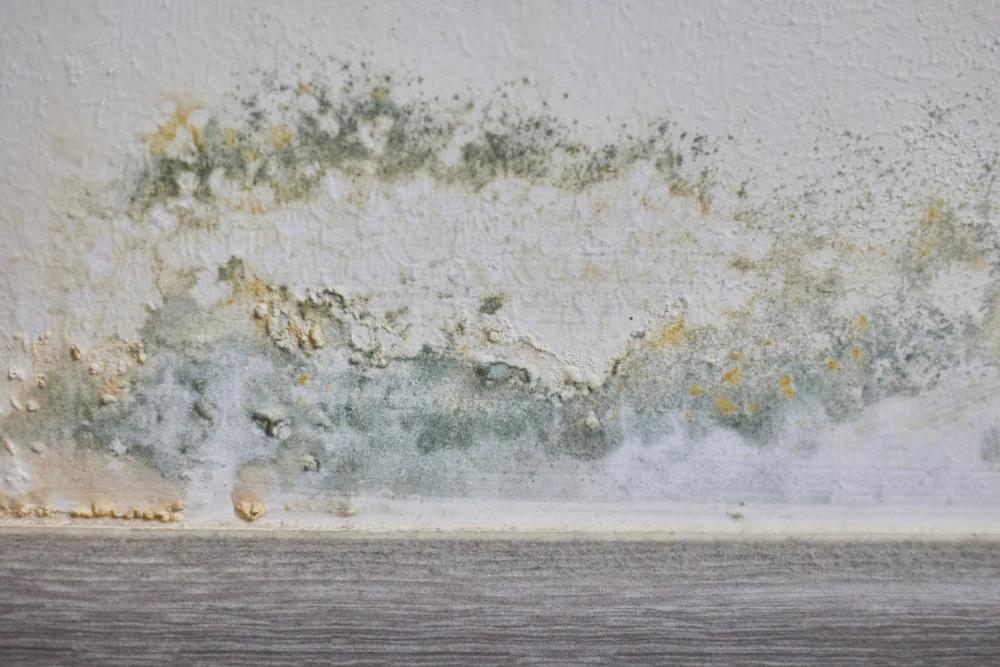
You’re not just getting rid of visible mold. You’re getting back the air quality that doesn’t make your kids cough at night. You’re protecting the equity in your home instead of watching it drop because a buyer’s inspector found spores in your crawl space.
Mold mitigation means identifying where the moisture is coming from, removing contaminated materials the right way, and making sure humidity levels stay where they need to be. It’s the difference between a temporary cleanup and a permanent fix.
When it’s done right, you stop worrying about that musty smell in the basement. You stop wondering if the dark spots behind the washing machine are spreading. And if you’re selling, you stop losing buyers who walk away the second they hear the word “mold.”
We work throughout Chester County and know what causes mold problems in Honey Brook. The older homes here weren’t built with vapor barriers or proper ventilation. Basements leak. Crawl spaces trap humidity. And summer in southeastern Pennsylvania creates the exact conditions mold needs to thrive.
We’ve handled everything from small bathroom mold to full basement remediation jobs. Our team follows EPA-approved methods, and we don’t leave until the moisture source is handled. That’s what keeps mold from coming back.
You’ll get a free inspection, upfront pricing, and a clear explanation of what needs to happen. No surprises. No upselling.
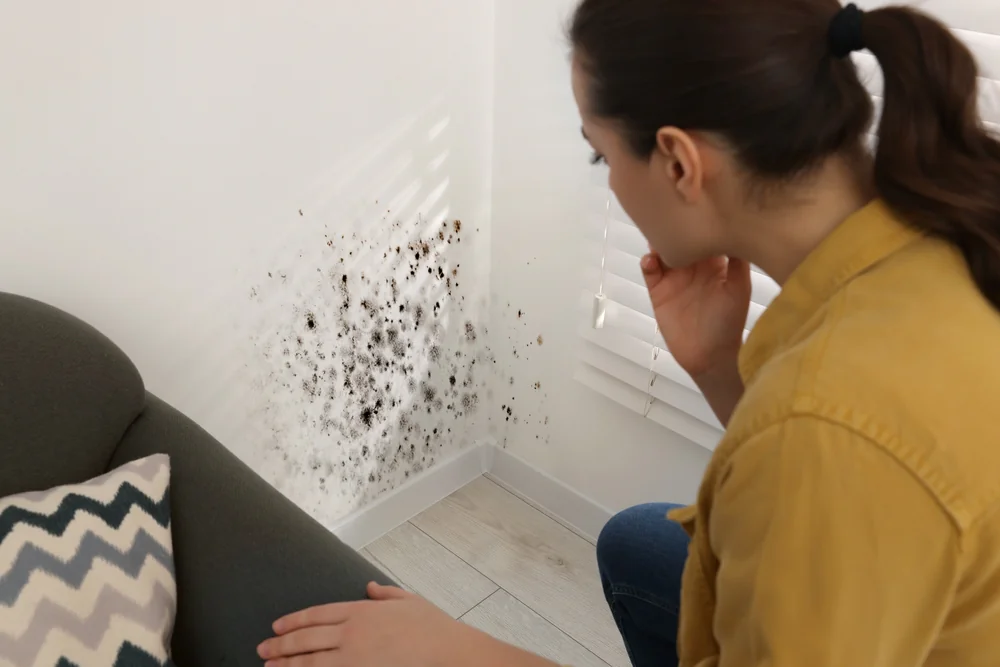
First, we inspect the affected areas and test for mold if needed. We’re looking for the source of moisture—whether it’s a leaky pipe, foundation seepage, high humidity, or poor ventilation. If we don’t fix that, the mold will come back no matter how much we clean.
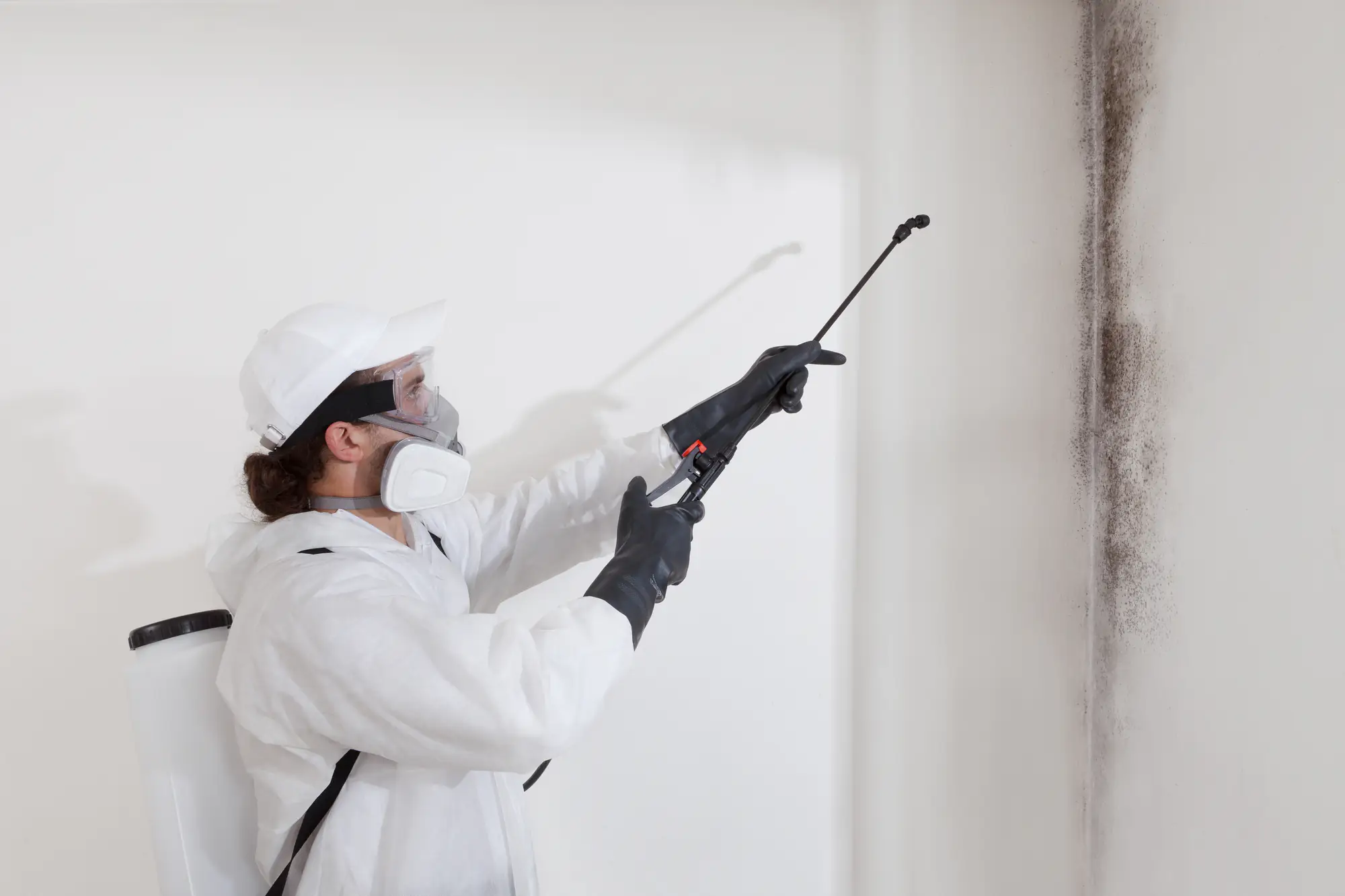
Next, we contain the area to prevent spores from spreading during removal. We use HEPA filtration and negative air pressure to keep contamination isolated. Then we remove any materials that can’t be salvaged—drywall, insulation, carpet—and treat surfaces that can be cleaned.
After removal, we dry everything out and treat the area to prevent regrowth. We also address the moisture issue, whether that means improving ventilation, sealing foundation cracks, or recommending a dehumidifier. You’ll get documentation for your records or insurance claim, and we’ll walk you through what to watch for going forward.
Ready to get started?
You get a full assessment of the problem, including moisture readings and mold testing if necessary. We handle everything from attic mold mitigation to crawl space mold mitigation to black mold removal in bathrooms or basements. Every job includes containment, safe removal, HEPA air filtration, and treatment of affected surfaces.
Honey Brook’s humid summers and older housing stock make basements and crawl spaces especially vulnerable. Nearly half of homes in this region show signs of mold or moisture problems. If your home was built before 1980, chances are it doesn’t have the moisture barriers or ventilation systems that newer builds include.
We also help with insurance claims. If your mold problem is related to a covered water damage event, we’ll document everything and work with your adjuster. And if you’re buying or selling a home, we provide the inspection reports and remediation proof that lenders and buyers require.
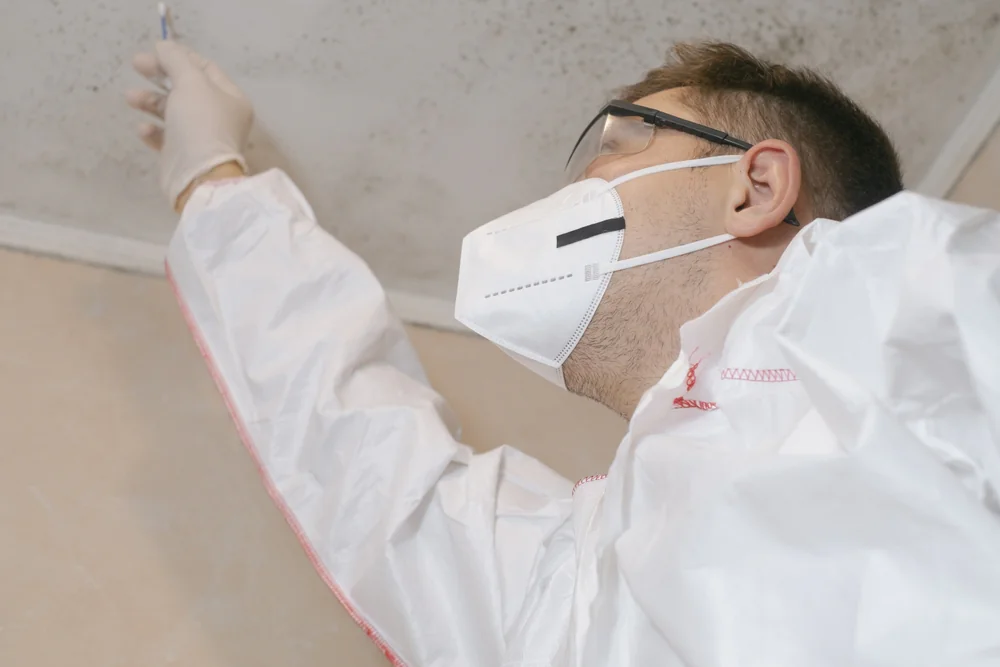
Most residential mold mitigation jobs take between two and five days, depending on the size of the affected area and how much material needs to be removed. A small bathroom might be done in a day or two. A full basement with significant contamination could take a week.
The timeline also depends on drying time. If there’s active moisture or high humidity, we need to get levels below 50% before we can close things up. Rushing that step is how mold comes back.
We’ll give you a realistic timeline during the inspection. If you’re on a deadline—like a closing date or a tenant move-in—we’ll do everything we can to work within it.
Mold comes back when the moisture source isn’t fixed. If we remove mold but you still have a leaky pipe, poor ventilation, or a wet crawl space, you’ll see it again. That’s why mitigation isn’t just about cleaning—it’s about eliminating the conditions that let mold grow.
We address the root cause during every job. That might mean sealing foundation cracks, improving airflow, fixing drainage issues, or recommending a dehumidifier. If the environment stays dry, mold won’t return.
You also need to stay on top of maintenance. Check for leaks regularly. Keep humidity levels between 30% and 50%. Don’t ignore water stains or musty smells. Catch problems early and they stay small.
Cost depends on the size of the affected area, the type of mold, and how much demolition is required. A small, contained area might cost a few hundred dollars. A large basement or attic job with significant structural damage can run several thousand.
We provide upfront pricing after the inspection, so you’ll know exactly what you’re paying before any work starts. No hidden fees. If your insurance covers the damage, we’ll work with them directly and help you navigate the claims process.
Most homeowners spend between $1,500 and $4,000 on mold mitigation. It’s not cheap, but it’s a lot less expensive than ignoring the problem. Mold can drop your home’s value by 20% to 37%, and health issues from prolonged exposure can cost even more.
If it’s a small surface area—less than 10 square feet—and it’s not black mold, you can try cleaning it yourself with the right products and protective gear. But if it’s larger, if it’s in your HVAC system, or if it keeps coming back, you need professional help.
DIY cleaning doesn’t address the moisture source. You might scrub away visible mold, but if the humidity or leak is still there, it’ll grow back within weeks. Professional mitigation includes containment, proper removal, air filtration, and fixing the underlying problem.
Black mold and mold in porous materials like drywall or insulation can’t be cleaned—they have to be removed. Disturbing mold without containment spreads spores throughout your home, making the problem worse. If you’re dealing with anything beyond a small patch on a hard surface, call someone who knows how to handle it safely.
It depends on what caused the mold. If it’s from a sudden, covered event—like a burst pipe or storm damage—most policies will cover mitigation. If it’s from long-term neglect, poor maintenance, or flooding, they probably won’t.
Pennsylvania insurers are required to offer mold coverage, but it’s often limited. You might have a cap of $5,000 or $10,000. Read your policy or call your agent to understand what’s included.
We help with the claims process. We’ll document everything, provide detailed estimates, and communicate directly with your adjuster if needed. The key is acting fast—most policies require you to mitigate damage within 48 to 72 hours to prevent further loss.
Mold removal means getting rid of visible mold. Mold mitigation means reducing mold levels to normal and fixing the conditions that caused it. You can’t remove every mold spore from a building—they’re everywhere. But you can bring levels down to safe, undetectable amounts and prevent regrowth.
Mitigation is the more accurate term because it reflects what actually happens. We remove contaminated materials, clean affected surfaces, control humidity, and address moisture sources. The goal isn’t a sterile environment—it’s a healthy one.
Companies that promise “complete mold removal” are overselling. What matters is bringing spore counts back to normal, eliminating active growth, and making sure it doesn’t return. That’s mitigation, and that’s what we do.
Other Services we provide in Honey Brook