
Hear from Our Customers
You stop worrying about what’s growing behind your walls. The musty smell in your basement disappears and stays gone. Your kids stop coughing at night.
That’s what happens when someone addresses the moisture issue instead of just scrubbing visible mold with bleach. Surface cleaning might make things look better for a week or two, but if water’s still seeping into your foundation or condensation’s still forming in your attic, you’re just buying time.
Mold mitigation means finding where moisture enters your home and stopping it. It means using moisture meters to detect dampness you can’t see and infrared cameras to find cold spots where condensation forms. Then we contain the affected area, remove contaminated materials, treat surfaces with antimicrobials, and fix the conditions that let mold grow in the first place.
You get a home that doesn’t smell like mildew. You get air quality that doesn’t trigger allergies. You get to stop wondering if there’s black mold spreading somewhere you can’t reach.
Franconia’s older homes weren’t built with moisture barriers modern construction uses. Your basement walls are porous. Your attic ventilation might be inadequate. When summer humidity hits 75% and your AC creates temperature differentials, condensation forms exactly where mold spores are waiting.
We work in Franconia because we understand how homes here trap moisture. We’ve seen the same patterns in dozens of properties: fieldstone foundations that wick groundwater, crawl spaces with dirt floors, attics with insufficient ridge vents.
We’re not a national franchise following a corporate checklist. We’re local professionals who know that mitigating black mold in a 1960s Franconia split-level requires different approaches than treating a newer construction home. That knowledge matters when you’re trying to solve a problem permanently instead of temporarily.
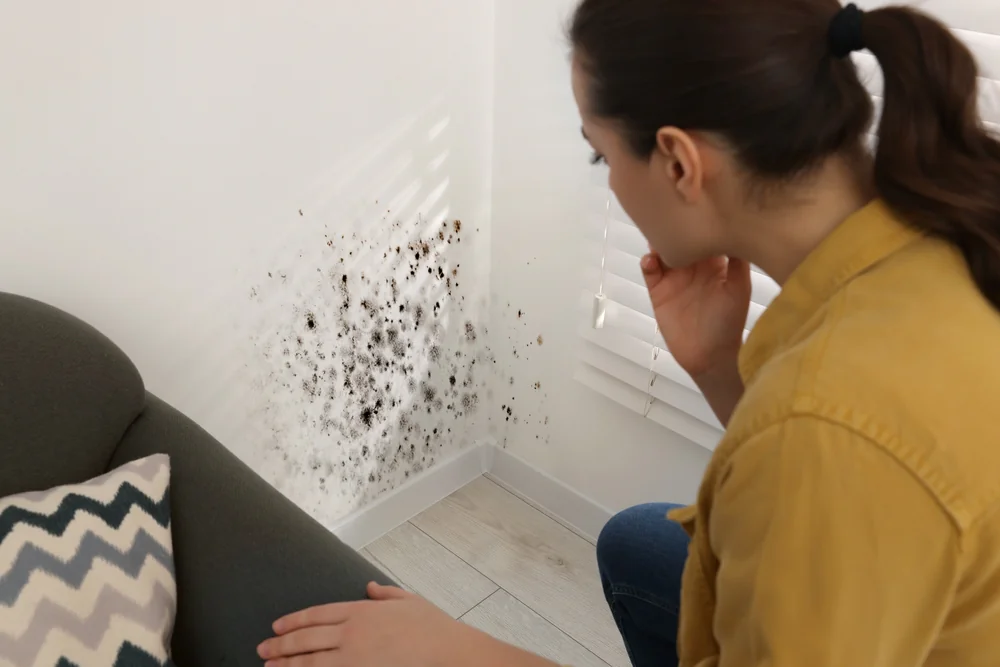
First, we inspect with tools that measure moisture content in your walls, floors, and ceilings. We’re looking for active leaks, condensation patterns, humidity levels, and hidden water damage. Infrared cameras show us temperature differences that indicate moisture behind surfaces.
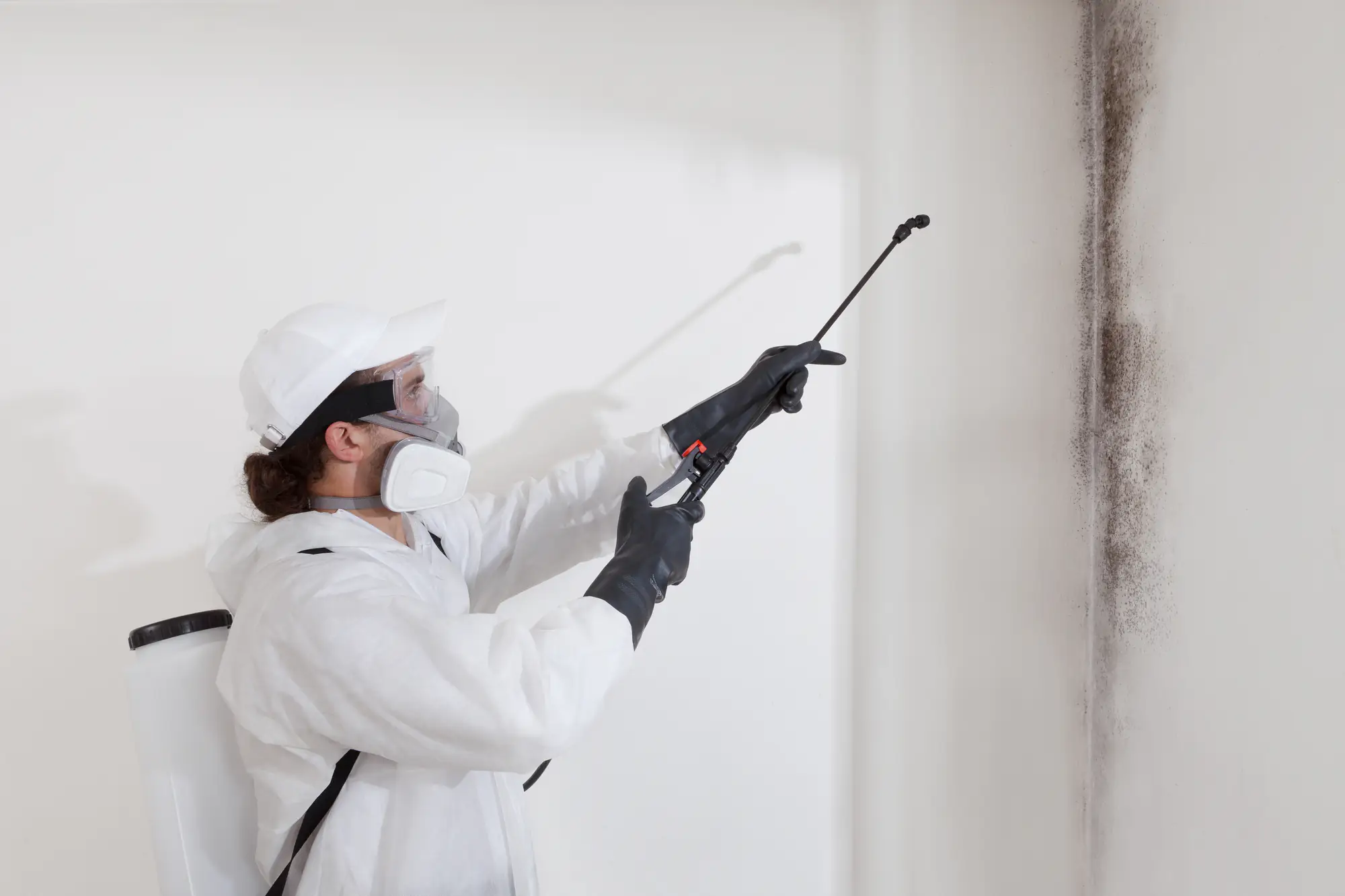
Once we know where water’s coming from and where mold’s growing, we set up containment. Physical barriers seal off the work area. Negative air pressure systems with HEPA filters prevent mold spores from spreading to clean areas of your home. This isn’t optional—it’s how you avoid contaminating rooms that don’t have mold.
Then we remove materials that can’t be salvaged. Drywall that’s been wet for weeks. Insulation that’s moldy. Carpet padding that’s saturated. We treat structural elements like studs and joists with antimicrobial solutions. HEPA vacuums capture microscopic spores from every surface.
The last step is fixing what caused the problem. Maybe that’s repairing a roof leak, installing a vapor barrier, adding a dehumidifier, or improving ventilation. Without this step, you’re just waiting for mold to come back.
Ready to get started?
You get a thorough inspection that identifies every moisture source. Not just the obvious water stain on your ceiling, but the condensation forming on cold pipes, the humidity coming through your foundation, the inadequate ventilation in your bathroom.
You get proper containment so mold spores don’t spread during removal. You get HEPA filtration running continuously to clean the air. You get antimicrobial treatments on surfaces that can be saved and safe disposal of materials that can’t.
Here’s what matters most: you get the moisture problem fixed. In Franconia, that often means dealing with older home construction that wasn’t designed to handle modern humidity levels. Basements that need better drainage. Crawl spaces that need encapsulation. Attics that need ventilation upgrades.
Pennsylvania’s climate makes mold mitigation more complex than in drier states. Summer humidity creates perfect growing conditions. Older homes have construction methods that trap moisture. You need someone who understands how these factors combine in your specific property and knows how to address them permanently.
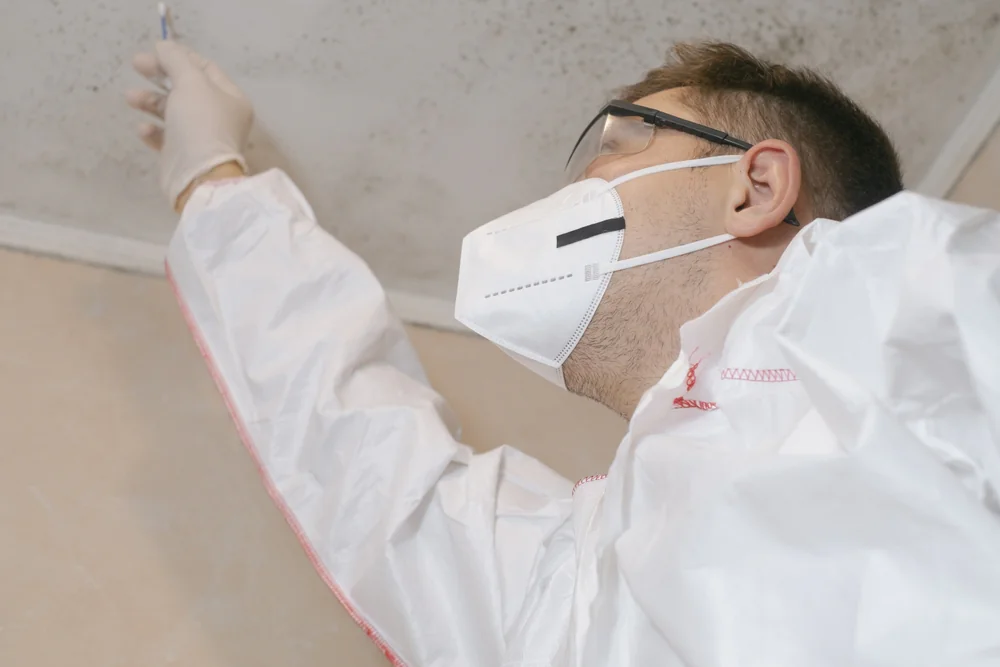
Mitigation focuses on controlling conditions and preventing mold spread. Remediation involves complete removal and restoration. Most jobs require both.
When we talk about mold mitigation services, we’re talking about reducing moisture levels, containing affected areas, and creating conditions where mold can’t grow. When we talk about remediation, we’re talking about physically removing mold and repairing damage.
You need mitigation first to prevent contamination of clean areas. Then remediation removes the mold. Then more mitigation to fix moisture sources so it doesn’t return. They’re not competing approaches—they’re different phases of solving the same problem correctly.
Small jobs take two to three days. Larger projects with extensive moisture damage can take a week or more.
The inspection and containment setup usually happen on day one. Removal and treatment take one to three days depending on how much material needs to go and how large the affected area is. Fixing the moisture source varies—sealing a foundation crack is quick, but installing a full perimeter drain system takes longer.
We can’t rush the drying process. Materials need to reach proper moisture levels before we close walls back up. If we seal things too early, you’ll have the same problem again in six months. The timeline depends on what we find and what needs fixing, but we’ll give you a clear schedule after the inspection.
If materials are saturated or heavily contaminated, yes. If they’re structurally sound and can be properly treated, we save them.
Drywall that’s been wet for more than 48 hours usually needs to go. Mold grows inside the paper facing and gypsum core where you can’t reach it with surface treatments. Insulation that’s moldy gets removed—you can’t clean fiberglass batts effectively.
Wood framing can often be saved if we catch it early. We treat it with antimicrobials and verify moisture levels are back to normal. Same with concrete and masonry—we can clean and treat those surfaces. The decision comes down to whether we can eliminate mold completely or whether material needs replacing. We’ll explain exactly what needs removal and why before we start.
Moisture meters tell us if materials contain elevated moisture levels. Infrared cameras show temperature differences that indicate water intrusion or condensation.
We’re looking for patterns. If your drywall shows high moisture readings in a specific area, there’s a reason. Maybe a pipe’s leaking inside the wall. Maybe exterior water’s coming through the foundation. Maybe condensation’s forming because of a temperature differential.
Infrared imaging shows us cold spots where condensation occurs and areas where insulation is missing or wet. Combined with moisture readings, we can pinpoint problems without tearing into every wall randomly. Sometimes we do need to open small inspection holes to verify what’s happening, but we’re making educated decisions based on data, not guessing.
The moisture source never got fixed. You can kill surface mold, but if water’s still entering that space, new mold grows within days.
Bleach kills mold on non-porous surfaces temporarily. But it doesn’t stop the leak in your roof. It doesn’t fix the condensation forming on your basement walls. It doesn’t address the humidity level in your crawl space. So mold comes back because the conditions that support mold growth are still present.
That’s why mold mitigation focuses on moisture control first. Find where water enters. Stop it. Reduce humidity. Improve ventilation. Create an environment where mold can’t survive. Then removal actually sticks because you’ve eliminated what mold needs to grow.
We handle both. Removing mold without fixing moisture problems just sets you up for the same issue next year.
If your problem is a plumbing leak, we repair it. If it’s foundation seepage, we address drainage and sealing. If it’s condensation from poor ventilation, we improve airflow. If it’s humidity, we install dehumidification systems.
Some mold companies only do removal and tell you to call someone else for repairs. That creates gaps in responsibility and leaves you coordinating multiple contractors. We treat mold mitigation as a complete process—identify the source, eliminate the mold, fix what caused it, and verify everything’s dry and staying dry. You get one team handling the entire problem from start to finish.
Other Services we provide in Franconia