
Hear from Our Customers
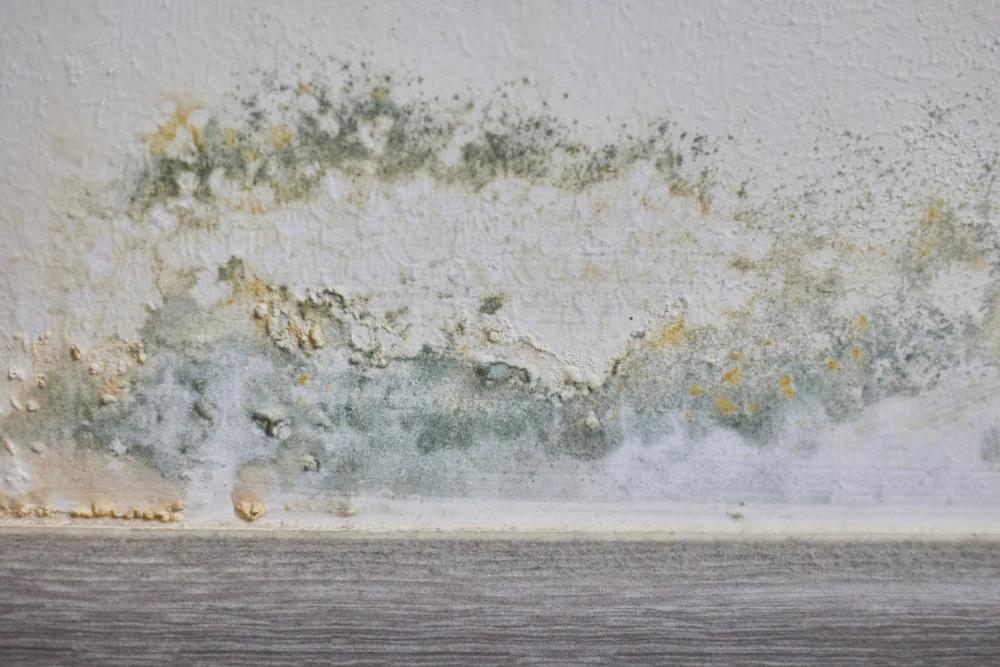
You stop checking that dark spot on the basement wall every week. The musty smell disappears. Your family isn’t coughing as much, and you’re not second-guessing the air quality every time someone sneezes.
That’s what happens when mold mitigation is done right. The contamination source gets eliminated, not just covered up or bleached over. Your home’s air quality actually improves because we’re removing what’s feeding the mold in the first place.
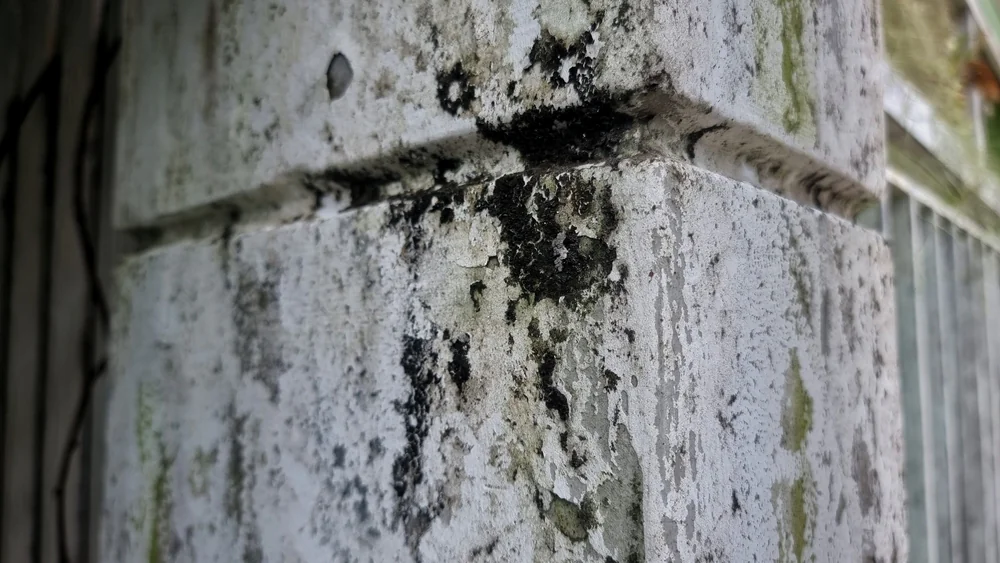
Most East Nottingham homes deal with the same core issues: basement foundation walls that seep through small cracks, crawl spaces with poor airflow, and attic condensation from humid summers hitting cool surfaces. These aren’t problems you can scrub away. They require finding the leak, fixing the ventilation issue, or controlling the humidity that’s letting mold colonize in the first place.
When that work is done correctly, you get lasting results. No recurring growth. No wondering if it’s spreading behind the walls. Just clean air and one less thing to worry about.
We serve Philadelphia, Bucks, Chester, and Montgomery Counties. We’re not a national franchise reading from a script. We’re local professionals who understand how East Nottingham’s climate and older home construction create the exact conditions mold thrives in.
Homes here were built decades ago with materials and ventilation systems that trap moisture. Brick basements, plaster walls, poor airflow—these aren’t design flaws, they’re just realities of the housing stock. And when you combine that with humid summers and frequent rain, you get basements that seep, crawl spaces that stay damp, and attics where condensation forms on cool surfaces.
We show up, assess what’s actually happening, and give you a clear plan. No upselling. No scare tactics. Just honest mold mitigation services that focus on fixing the problem and preventing it from coming back.
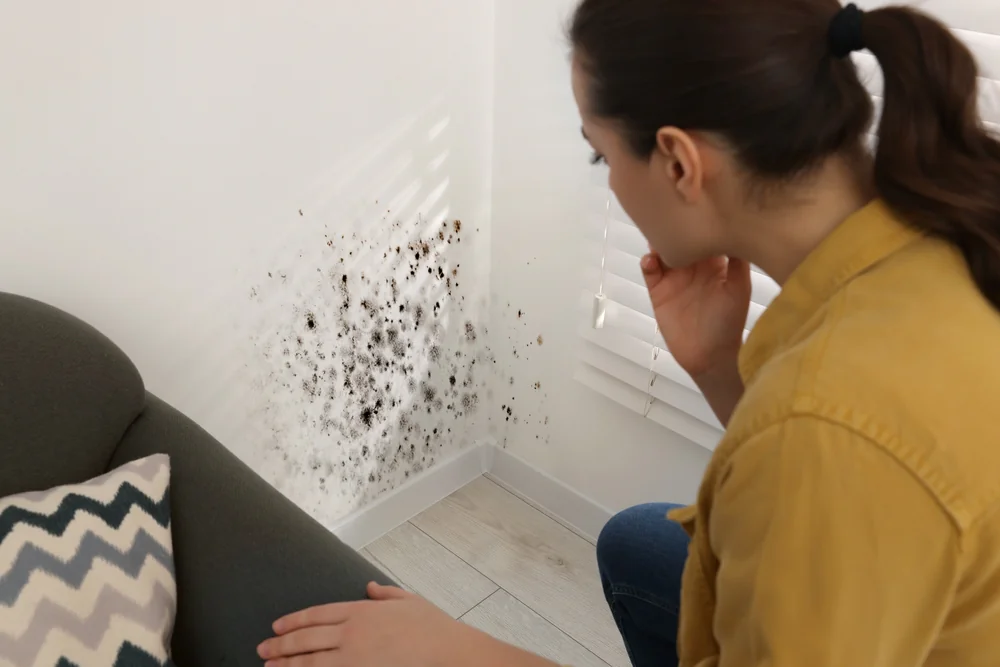
We start with a free inspection. No cost, no obligation. We use moisture meters and infrared cameras to find mold hiding behind walls, under floors, and in places you wouldn’t think to check. That inspection tells us how far the problem has spread and what’s feeding it.
Next, we identify and fix the moisture source. Whether that’s repairing a leak, improving ventilation, or installing a dehumidifier, we address what caused the mold so it doesn’t return. This step matters more than anything else, because without it, you’re just treating symptoms.
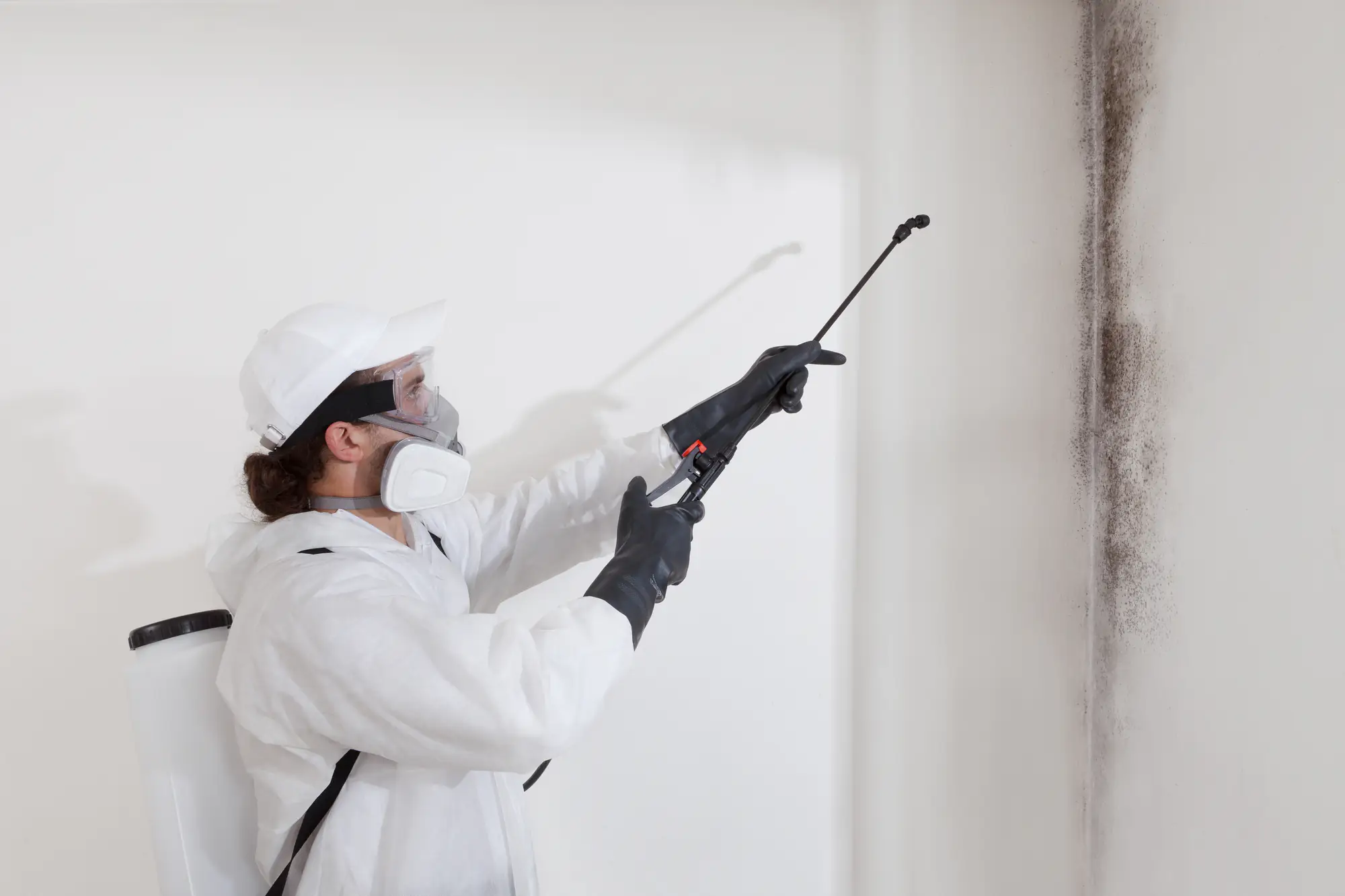
Then comes containment. We seal off affected areas with physical barriers and negative air pressure systems so mold spores don’t spread to clean parts of your home during removal. After that, we remove contaminated materials, clean surfaces with EPA-approved methods, and restore damaged areas.
You get a full report with photos, moisture readings, and documentation of every step. If your insurance company needs it, we provide that too. And if you want post-mitigation testing to confirm the air quality is safe, we’ll arrange that before we consider the job done.
Ready to get started?
Our mold mitigation services include everything needed to eliminate the contamination and prevent recurrence. That means advanced detection technology to find hidden growth, moisture source repair to stop the problem at its root, and professional containment so spores don’t spread during removal.
East Nottingham homes face specific challenges. Your basement foundation walls are underground and vulnerable to seepage through porous concrete. Crawl spaces stay humid because of poor ventilation and porous building materials. Attics trap moisture when warm, humid air hits cool surfaces and condenses. These aren’t rare problems—they’re common in this area because of how homes were built and the climate we deal with.
We address those issues directly. If your basement is seeping, we find where and why. If your crawl space has standing moisture, we improve ventilation or install vapor barriers. If your attic has condensation, we identify the airflow problem causing it. Every step is documented, and you get a clear explanation of what we found, what we fixed, and what you can do to maintain a dry, healthy home.
Our technicians carry IICRC certifications and use EPA-approved methods. We’re available 24/7 for emergency situations, and we work with your insurance company to simplify the claims process if your policy covers the damage.
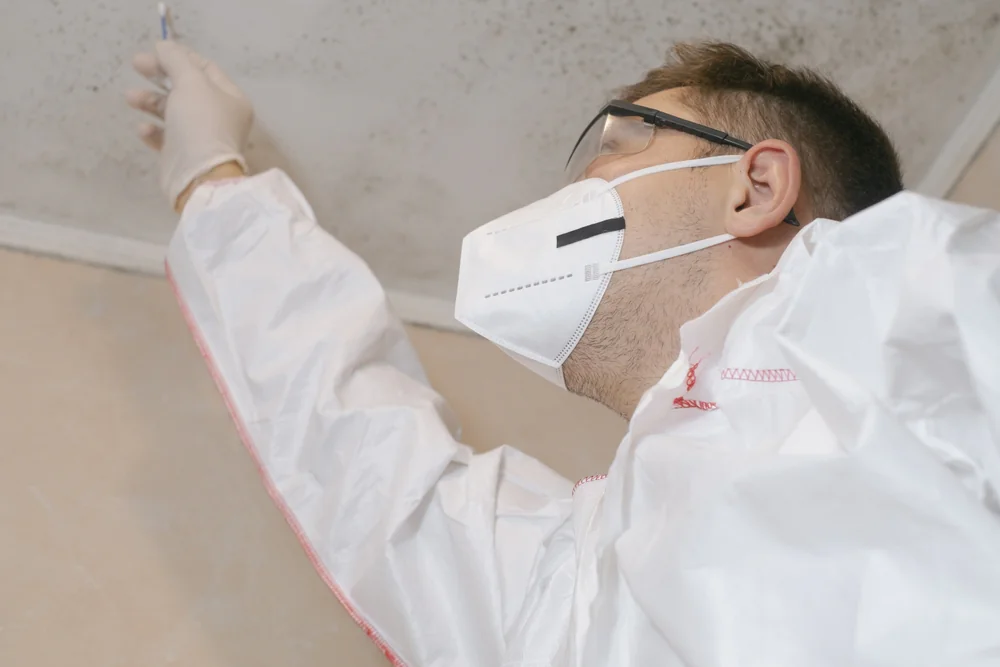
Mold mitigation costs depend on how far the contamination has spread and what’s causing it. A small area in a bathroom might run a few hundred dollars. A basement with widespread growth and moisture issues can cost several thousand.
The price reflects the work involved: inspection, containment, removal, moisture source repair, and restoration. If you’re dealing with a leaking foundation wall, that repair is part of the mitigation process because fixing the leak is what prevents mold from coming back.
Insurance sometimes covers mold mitigation if the contamination resulted from a covered event like a burst pipe or storm damage. If it’s from long-term neglect or a maintenance issue you didn’t address, coverage usually gets denied. We’ll help you document everything so you can file a claim if you’re covered, and we’ll work directly with your insurance company to simplify the process.
Mold removal means cleaning visible mold off surfaces. Mold mitigation means identifying and eliminating the moisture source causing the mold, then removing contamination and restoring affected areas.
Removal is a surface fix. You scrub the mold, it looks better for a few weeks, then it comes back because the leak or humidity problem is still there. Mitigation addresses the root cause so the problem doesn’t recur.
Here’s why that distinction matters: mold spreads through spores. When you start scrubbing without proper containment, you’re releasing those spores into the air and spreading the problem to other parts of your home. Professional mold mitigation includes containment, air filtration, moisture source repair, and documentation. You’re not just cleaning mold—you’re eliminating the conditions that let it grow in the first place.
Most mold mitigation projects take two to five days, depending on the size of the affected area and what’s causing the contamination. A small bathroom with a leaking pipe might take two days. A basement with widespread growth and foundation seepage can take a week or more.
The timeline includes inspection, containment setup, removal, moisture source repair, cleaning, and restoration. We don’t rush the process because shortcuts lead to recurring problems. Every step has to be done right or you’re wasting time and money.
Drying is often the longest part. After we remove contaminated materials and fix the moisture source, affected areas need to dry completely before we restore them. That can take several days depending on humidity levels and airflow. We use dehumidifiers and air movers to speed up the process, but we won’t move to restoration until moisture readings confirm everything is dry.
It depends on where the mold is and how extensive the contamination is. If we’re working in a basement or attic and can seal off that area with containment barriers and negative air pressure, you can usually stay in the rest of your home.
If the contamination is widespread or affects main living areas like bedrooms or kitchens, we’ll recommend you stay elsewhere until the work is done. That’s for your safety—mold spores get disturbed during removal, and even with containment, it’s better not to be breathing that air.
We’ll tell you upfront during the inspection whether staying is safe or not. If you need to leave, we work as quickly as possible to get the job done so you can return. Most projects are finished within a few days, and we’ll keep you updated on progress so you know exactly when it’s safe to come back.
Mold won’t come back if the moisture source is fixed and you maintain proper ventilation and humidity levels. That’s the whole point of mitigation—eliminating the conditions that let mold grow in the first place.
If the leak isn’t repaired, if the humidity problem isn’t addressed, or if ventilation stays poor, mold can return. That’s why we don’t just remove contamination—we identify and fix what’s causing it. Whether that’s sealing foundation cracks, installing a dehumidifier, improving crawl space ventilation, or repairing a roof leak, we address the root cause.
After mitigation, you’ll need to keep an eye on humidity levels and fix any new leaks quickly. Mold can colonize within 24 to 48 hours of water exposure, so fast action matters. We’ll give you specific recommendations based on what we found during your inspection, and we’re available if you have questions or notice any new issues down the road.
Homeowners insurance covers mold mitigation if the contamination resulted from a covered peril like a burst pipe, storm damage, or a sudden leak. If the mold is from long-term neglect, poor maintenance, or a chronic moisture problem you didn’t address, coverage usually gets denied.
Insurance companies want documentation that proves the mold came from a covered event. That means photos, moisture readings, and a detailed report of what caused the contamination and when it started. We provide all of that as part of our inspection and mitigation process.
We’ll work directly with your insurance company to simplify the claims process. That includes submitting documentation, answering their questions, and providing any additional information they need. If your claim gets approved, we’ll coordinate with the adjuster to make sure the scope of work matches what’s covered. If it gets denied, we’ll explain your options and give you a clear breakdown of costs so you can decide how to move forward.
Other Services we provide in East Nottingham