
Hear from Our Customers
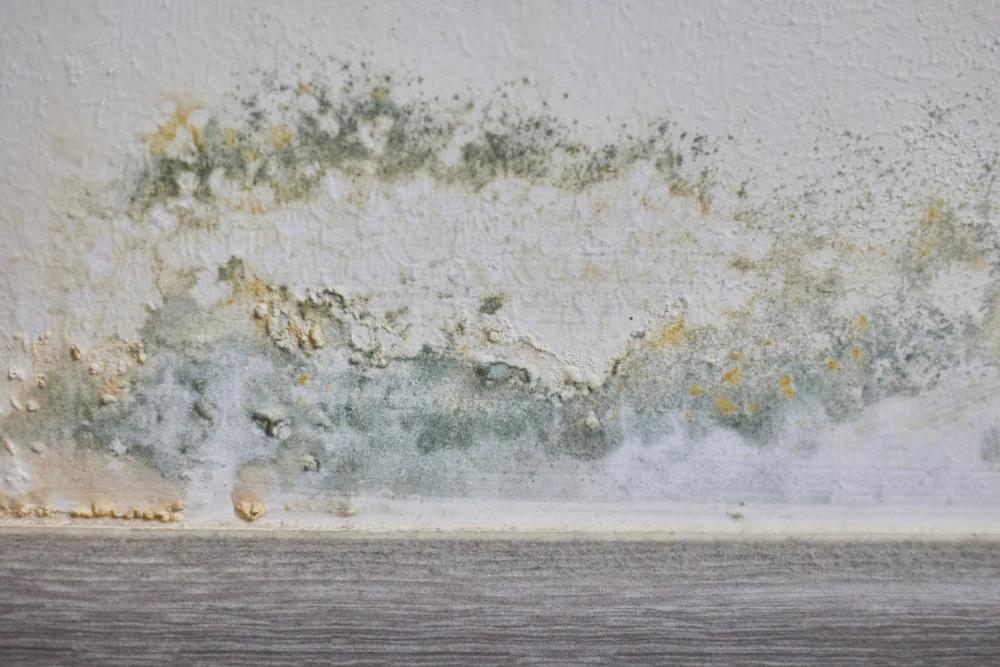
Mold doesn’t wait. Once it starts growing, it spreads fast—through walls, into insulation, across ceilings. Within two days, what started as a damp spot can turn into a respiratory hazard for everyone in your house.
You’re not overreacting if you’re worried about health risks. Mold exposure triggers asthma attacks, allergic reactions, and respiratory problems—especially in kids and anyone with a compromised immune system. The longer it sits, the worse it gets.
And here’s what most people don’t realize until it’s too late: mold tanks your home’s value. A $250,000 property can lose $100,000 in market value once buyers find out there’s a mold problem. Even if you fix it yourself, disclosure laws mean you’re stuck explaining it to every potential buyer. Professional mold mitigation services eliminate the problem at the source and give you documentation that protects your investment.
We’ve been handling mold problems across Chester County for years. We’ve seen what happens when basements flood after heavy storms, when crawl spaces stay damp through humid Pennsylvania summers, and when attics develop condensation issues that homeowners don’t discover until the damage is done.
East Nottingham’s housing stock—a mix of older homes and newer construction—each comes with its own moisture challenges. Older properties often have foundation issues that let water seep in. Newer builds sometimes have ventilation problems that trap humidity. We’ve worked on both, and we know how to find mold even when it’s hidden behind walls or under flooring.
You’re not getting a sales pitch from us. You’re getting honest answers about what’s growing in your house, where it came from, and what it takes to get rid of it for good.
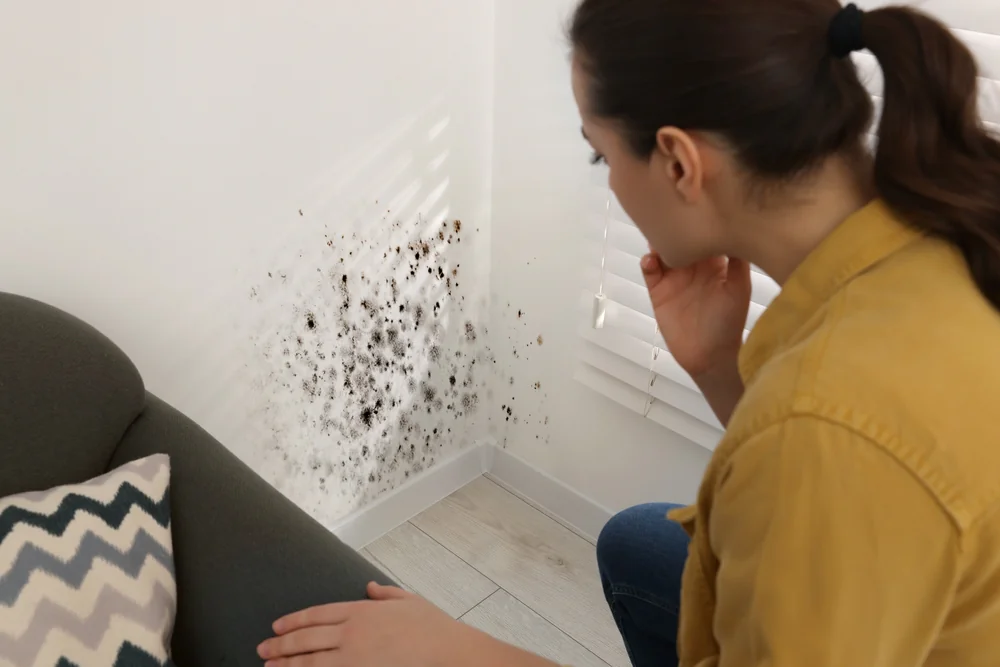
First, we show up and assess the situation. That means using moisture meters and infrared cameras to find every spot where mold is growing—including the places you can’t see. We’re looking for the source of the moisture, because if we don’t fix that, the mold just comes back.
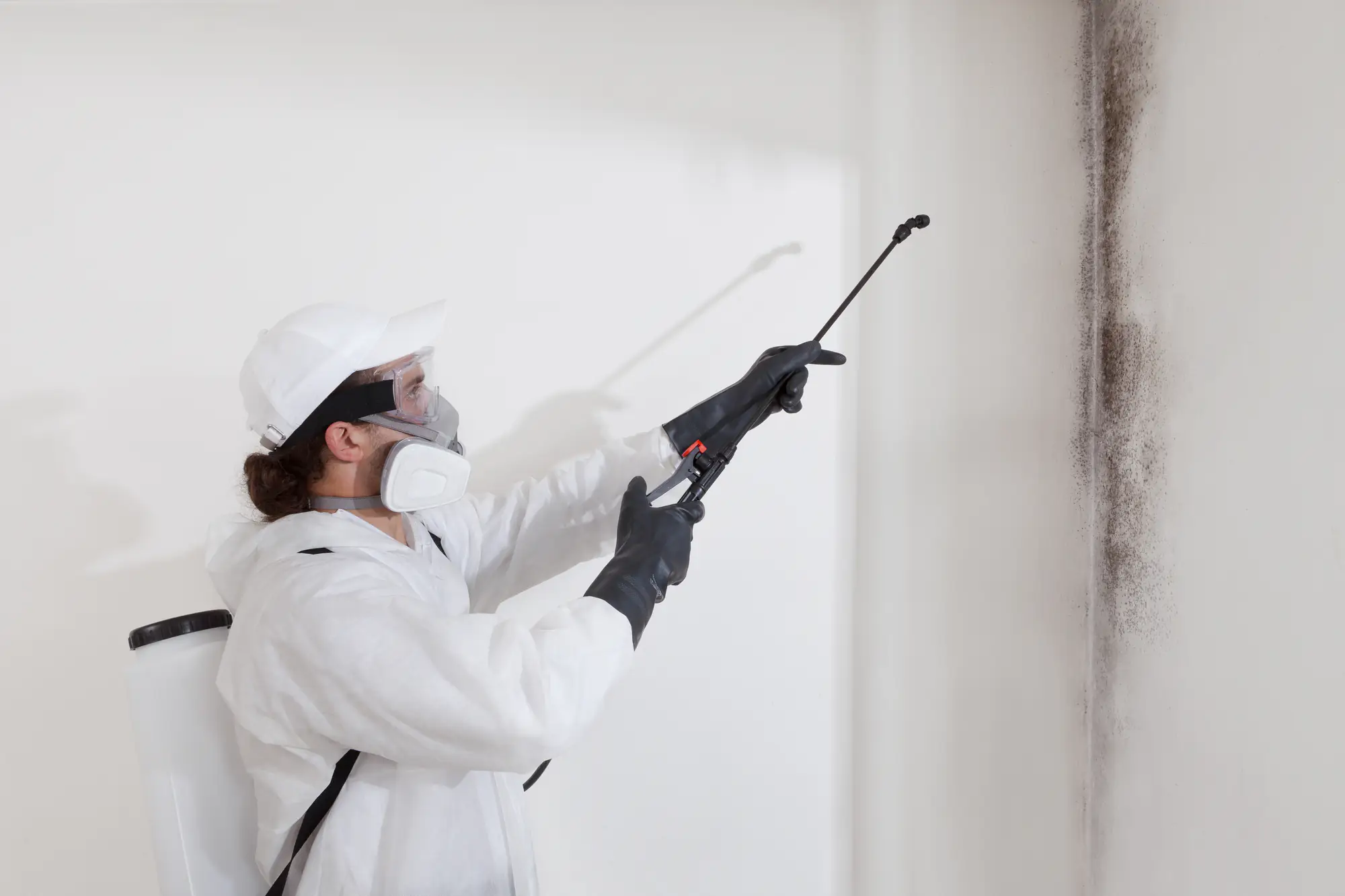
Next, we contain the affected area. This isn’t optional. Disturbing mold releases thousands of spores into the air, and those spores travel. We seal off the work zone with plastic sheeting and negative air pressure systems to keep contamination from spreading to clean areas of your home.
Then we remove the mold and any materials that are too damaged to save. Drywall, insulation, flooring—if it’s compromised, it goes. We use HEPA filtration equipment to capture microscopic spores during removal. After everything contaminated is out, we treat surfaces with antimicrobial solutions and dry out the space completely.
Finally, we verify the work with testing and give you documentation. You’ll know exactly what was removed, what was treated, and what steps we took to prevent it from coming back.
Ready to get started?
You’re getting a full-scope service, not a quick cleanup. That includes identifying the type of mold you’re dealing with—whether it’s black mold in your bathroom, Aspergillus in your HVAC system, or Cladosporium in your crawl space. Different molds require different approaches, and we test to make sure we’re treating the right problem.
Crawl space mold mitigation is common in East Nottingham because so many homes have dirt floors or poor ventilation under the house. Moisture gets trapped down there, and mold grows on floor joists and insulation. We handle the removal, treat the wood, and often recommend encapsulation or better ventilation to keep it from happening again.
Attic mold mitigation usually stems from roof leaks or condensation issues. You might not go up there often, but mold doesn’t care. It grows on sheathing and rafters, and it can spread into your living space through ceiling penetrations. We remove it, fix the moisture source, and improve airflow so your attic stays dry.
Water damage and mold restoration go hand in hand. If you’ve had a flood, a burst pipe, or even just a slow leak, you’re at risk. We dry everything out, remove damaged materials, and treat surfaces to prevent future growth. The goal is to get your home back to safe, livable condition—not just cover up the problem.
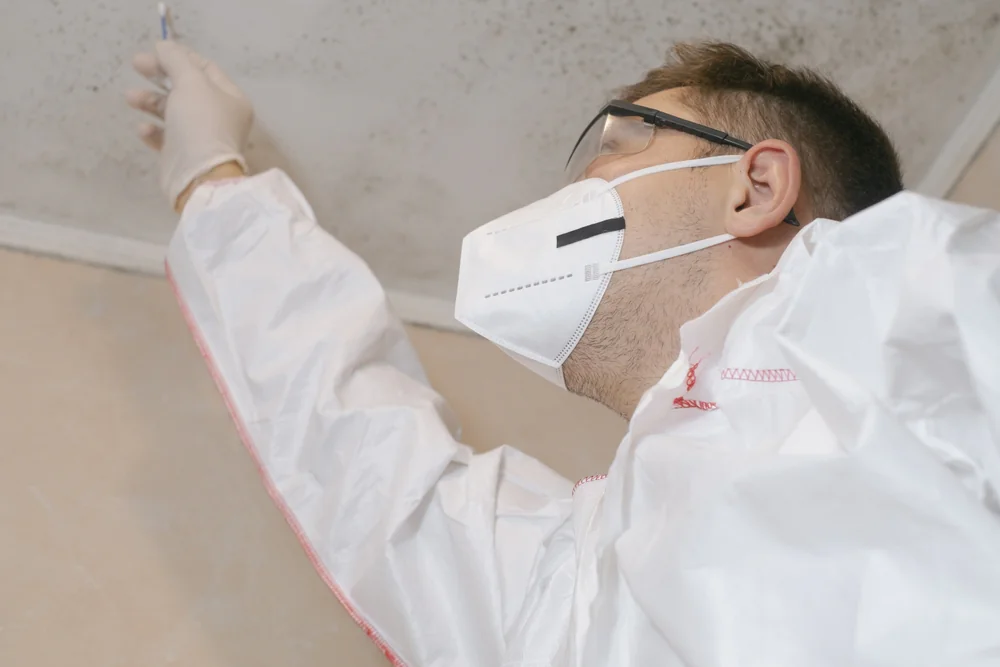
Mold starts growing within 24 to 48 hours after water exposure. That’s not a lot of time, and it’s why you can’t afford to wait and see if things dry out on their own.
If you’ve had a leak, a flood, or even just high humidity for a few days, mold is likely already starting to colonize. It begins as microscopic spores that land on damp surfaces—drywall, wood, carpet, insulation. Once they find moisture, they grow fast.
The longer you wait, the deeper it gets into materials and the more expensive removal becomes. What could have been a simple drying job on day one turns into full demolition and reconstruction by day seven. If you’re dealing with water damage in East Nottingham, PA, getting professional mold mitigation services involved immediately is the smartest move you can make.
Small surface mold—like a little bit on bathroom tile—you can handle with bleach and a scrub brush. Anything bigger than a few square feet, anything inside walls, or anything that keeps coming back needs professional mold mitigation.
Here’s why: disturbing mold releases spores. A single patch can release hundreds of thousands of spores into your air when you start scrubbing or tearing into it. Without proper containment and filtration, you’re just spreading the problem to other rooms. You also need to find and fix the moisture source, or the mold returns within weeks.
Professional mold mitigation companies have the equipment to contain the work area, filter the air, and safely remove contaminated materials. We also know how to identify hidden mold growth using moisture meters and infrared cameras. If you’ve got black mold, attic mold, or crawl space mold, trying to DIY it usually makes things worse and costs you more in the long run.
Cost depends on how much mold you have, where it’s located, and what caused it. A small bathroom mold problem might run a few hundred dollars. A flooded basement with mold throughout the framing and insulation can run several thousand.
Most mold mitigation projects in East Nottingham, PA fall somewhere in between. Crawl space mold mitigation typically costs more because access is difficult and the space often needs encapsulation afterward. Attic mold mitigation costs vary based on how much sheathing or insulation needs replacement.
Here’s what affects price: square footage of contaminated area, type of materials affected, whether we’re removing drywall or just treating surfaces, and how much moisture remediation is needed. We give you a clear estimate after the inspection so you know exactly what you’re paying for. Some homeowners insurance policies cover mold damage if it resulted from a covered event like a burst pipe, so it’s worth checking your policy before assuming you’re paying out of pocket.
Mold removal sounds like you’re getting rid of every single spore, but that’s not realistic. Mold spores exist everywhere—in outdoor air, in your HVAC system, on your clothes. You can’t eliminate them completely.
Mold mitigation is the accurate term for what we do. We reduce mold levels to normal, safe amounts by removing contaminated materials, treating surfaces, eliminating moisture sources, and preventing regrowth. The goal is to get your indoor mold levels back to what they’d naturally be in a clean, dry home.
When you hire mold mitigation services, you’re getting a comprehensive approach: identification, containment, removal, treatment, and prevention. It’s not just about scrubbing visible mold off a wall. It’s about finding hidden growth, fixing what caused it, and making sure it doesn’t come back. That’s the difference between a real solution and a temporary cover-up.
You might smell it before you see it. Mold has a musty, earthy odor that doesn’t go away with normal cleaning. If a room smells off and you can’t find the source, there’s a good chance mold is growing somewhere hidden.
Other signs include discoloration on walls or ceilings, peeling paint or wallpaper, warping drywall, and persistent condensation on windows or walls. You might also notice health symptoms getting worse when you’re home—coughing, sneezing, itchy eyes, or breathing problems that improve when you leave the house.
We use moisture meters to detect elevated moisture levels inside walls and infrared cameras to spot temperature differences that indicate water intrusion or mold growth. If you’ve had water damage, a roof leak, or plumbing issues in the past, there’s a higher chance mold is growing behind your walls. We can inspect your home and give you definitive answers instead of leaving you guessing.
Mold comes back if the moisture source isn’t fixed. That’s the most important thing to understand. You can remove every bit of visible mold, treat every surface, and replace all the damaged materials—but if water is still getting in, mold will return.
Professional mold mitigation addresses both the mold and the cause. We find where moisture is coming from—whether it’s a leaky pipe, poor ventilation, foundation cracks, or condensation issues—and we fix it or tell you what needs to be fixed. Then we remove the mold and treat the area to prevent regrowth.
If you maintain normal humidity levels (below 60%), fix leaks promptly, and keep your home properly ventilated, mold shouldn’t come back. We also recommend regular inspections in high-risk areas like crawl spaces, basements, and attics. Catching moisture problems early means you never have to deal with a full-blown mold issue again. That’s what water mold restoration is really about—getting ahead of the problem instead of constantly reacting to it.
Other Services we provide in East Nottingham