
Hear from Our Customers
When mold mitigation is done right, you’re not just removing what you can see on the surface. You’re addressing why it showed up in the first place.
That means no more musty smell when you walk into your basement. No more worrying about what’s growing behind your walls. No more wondering if your kids’ coughing is because of something in the air.
The difference between mold removal and actual mitigation is simple: one scrubs the problem away temporarily, the other fixes what caused it. If your home has a leaky pipe, poor ventilation, or moisture seeping through your foundation, surface cleaning won’t help. The mold comes back in weeks.
Real mold mitigation means identifying the source, eliminating it, removing contamination with proper containment, and verifying the air quality when we’re done. You’re left with a home that’s genuinely safe, not just visually clean.
We’ve been serving East Norriton, PA and Montgomery County for over 27 years. We’ve worked in older rowhouses with shared walls, brick basements that trap moisture, and homes with plaster construction that hides mold growth for months before anyone notices.
Pennsylvania’s humid climate creates constant challenges. Summer humidity sits in that danger zone where moisture doesn’t evaporate easily, and local spore counts can hit 6,000 spores per cubic meter after severe storms. That’s considered very high.
We know what to look for in East Norriton homes because we’ve been doing this work here for nearly three decades. When you call us, you’re working with people who understand how your home was built and why mold keeps showing up in certain spots.
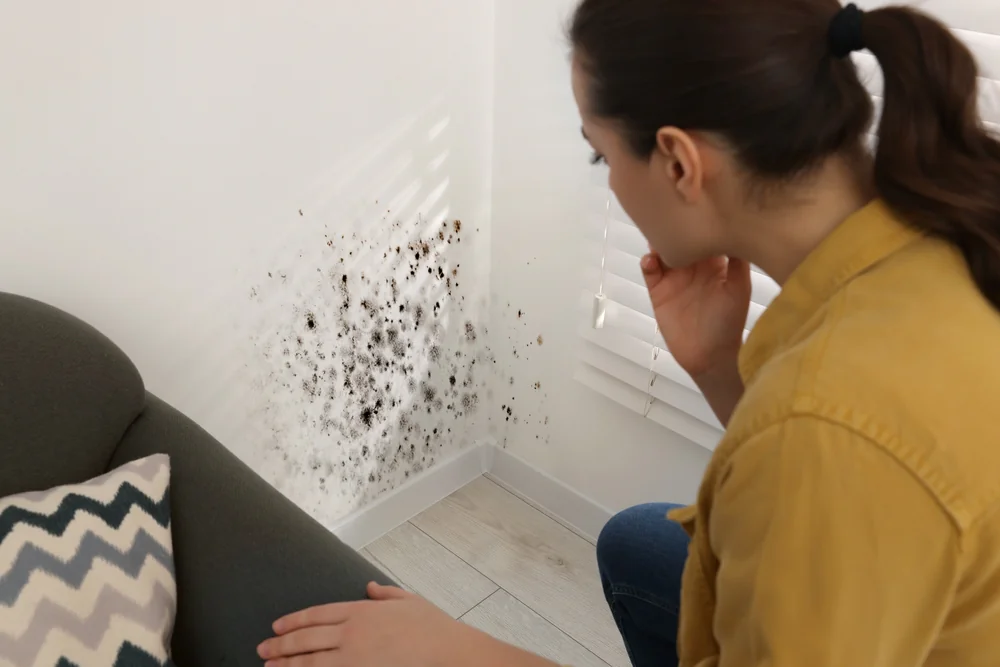
First, we find the moisture source. We use moisture meters and infrared cameras to check behind walls, under floors, and in spaces you’d never think to look. Mold grows where water sits, so if we don’t fix that, nothing else matters.
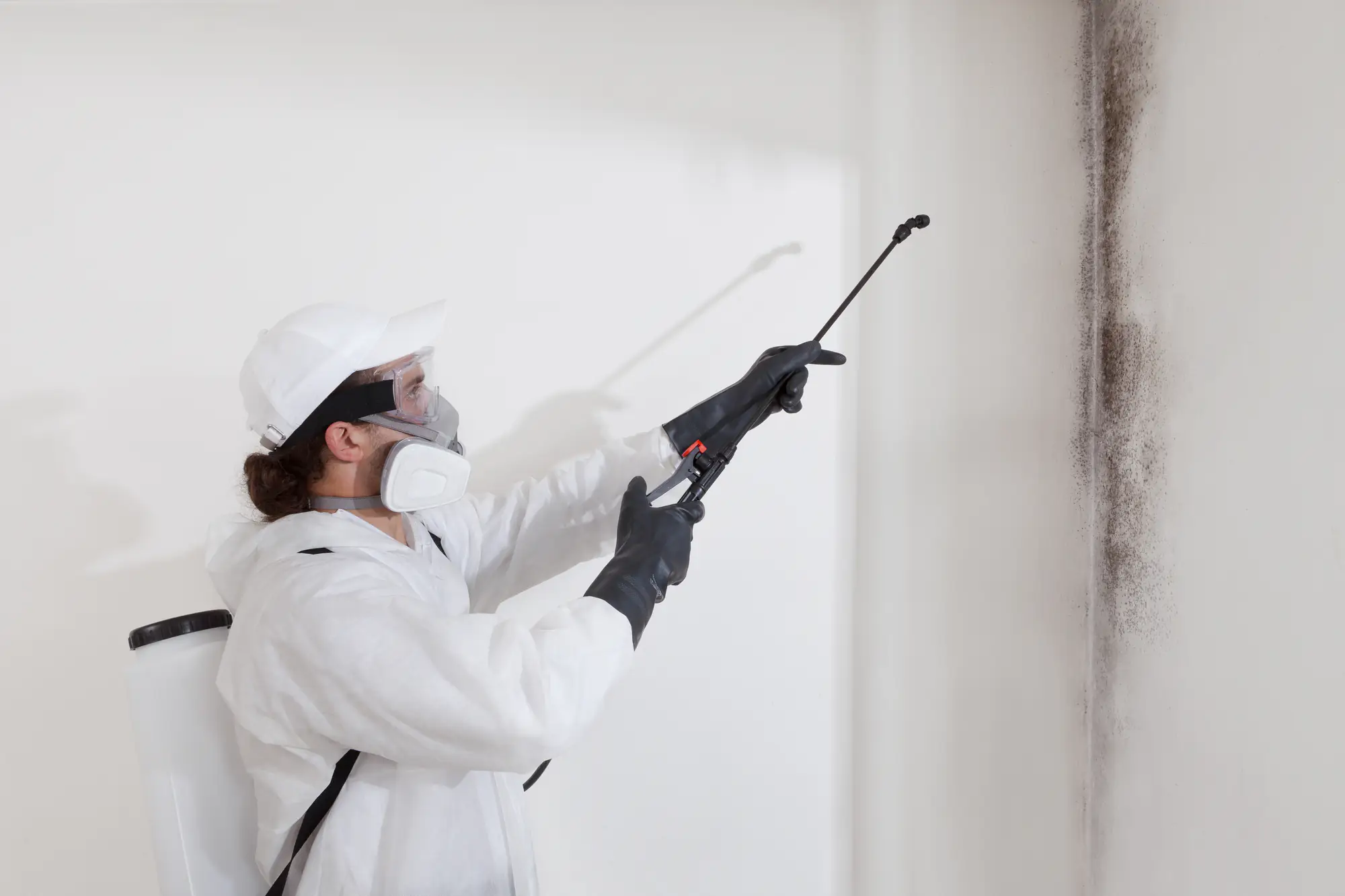
Next, we contain the area. We seal off affected spaces with physical barriers and run negative air pressure systems so mold spores don’t spread to clean parts of your home while we work. Then we remove contaminated materials that can’t be saved and treat structural elements with antimicrobial solutions.
While that’s happening, we’re running HEPA air scrubbers to capture microscopic spores from the air. Once everything is removed and the space is dry, we verify air quality to make sure it’s actually safe. Then we restore any damaged areas so your home looks normal again.
The whole process follows EPA guidelines and New York Department of Health standards, since Pennsylvania doesn’t have its own state regulations for mold remediation. You get documentation for insurance claims or future property sales if you need it.
Ready to get started?
You get a full inspection with advanced detection equipment, not just a visual check. We’re looking for hidden growth in wall cavities, crawl spaces, attics, and anywhere moisture accumulates in older East Norriton homes.
We identify and repair the moisture source, whether that’s fixing leaks, improving ventilation, or installing dehumidifiers. Pennsylvania’s climate means humidity levels need to stay below 50% to prevent mold growth, and many older homes weren’t built with that in mind.
Containment and removal follow industry protocols. We’re not just wiping surfaces down. We’re removing contaminated drywall, insulation, or other porous materials that can’t be fully cleaned, then treating what remains with professional antimicrobial solutions.
Air filtration runs throughout the job and continues after visible mold is gone. We test air quality before and after to verify the space is safe. You also get documentation of the entire process, including what we found, what we removed, and verification that the job was completed properly.
Most homeowners in this area pay between $1,500 and $9,000 for mold mitigation, with an average around $3,500. Cost depends on the size of the affected area and how much material needs to be removed. We give you a clear estimate upfront so there are no surprises.
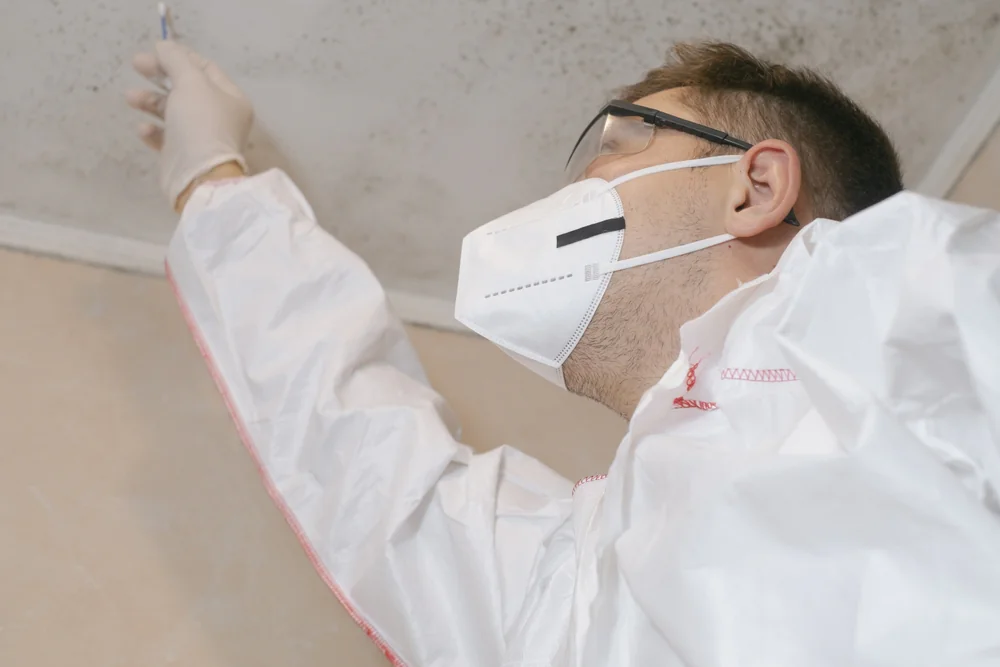
Most residential mold mitigation jobs take between three and seven days, depending on the size of the contaminated area and how much material needs to be removed. Small jobs, like a bathroom with mold under the sink, might be done in two to three days. Larger jobs, like a finished basement with mold behind walls, can take a full week or more.
The timeline isn’t just about removing visible mold. We need time to run air scrubbers and verify that spore counts are back to safe levels. Rushing this part means you might pass a visual inspection but still have contaminated air.
If we’re also repairing the moisture source, like fixing a leaky pipe or improving ventilation, that adds time. But it’s necessary. Skipping that step means the mold comes back within weeks, and you’re paying for the same job twice.
It depends on what caused the mold. Insurance typically covers mold damage if it resulted from a sudden, unexpected event like a burst pipe or storm damage. If the mold grew because of long-term neglect, like an ignored leak or poor maintenance, most policies won’t cover it.
Pennsylvania insurance policies also usually exclude mold damage from external flooding. If your basement flooded because of heavy rain and groundwater, that’s generally not covered unless you have separate flood insurance.
We provide detailed documentation of what we find and what caused the mold growth. That helps if you’re filing a claim. Some policies have mold coverage caps, often around $10,000, so it’s worth checking your policy details before we start. We can work with your insurance company directly if your claim is approved.
Mold removal means cleaning or scrubbing away visible mold from surfaces. Mold mitigation means fixing the underlying problem so it doesn’t come back. Removal is a surface-level fix. Mitigation addresses the root cause.
If you have mold growing on your basement walls because of moisture seeping through the foundation, you can scrub it off with bleach. It’ll look clean for a few weeks. Then it grows back because the moisture problem is still there.
Mitigation means we identify why moisture is accumulating, fix that issue, remove all contaminated materials, treat the area with antimicrobial solutions, and verify air quality. It’s a complete process, not a quick cleanup. That’s why mitigation costs more upfront but saves you money long-term, because you’re not paying for the same job over and over.
It depends on the size and location of the contaminated area. If we’re working on a small section of your basement or a single bathroom, and we can seal it off completely, you can usually stay in the rest of your home without issues.
If the mold contamination is widespread, or if it’s in your HVAC system where spores can spread through air ducts, we’ll recommend staying elsewhere until the job is done. Black mold and other toxic species can cause respiratory problems, especially for people with asthma or mold allergies.
We set up containment barriers and negative air pressure systems to prevent spores from spreading during removal. But if you have young children, elderly family members, or anyone with compromised immune systems, it’s safer to stay somewhere else even for smaller jobs. We’ll give you a clear recommendation based on what we find during the inspection.
Musty odors are the most common sign. If a room smells like mildew or damp earth, even when it looks clean, there’s likely mold growing somewhere you can’t see. It could be behind drywall, under flooring, or in wall cavities.
Water stains on ceilings or walls are another indicator, especially if they’re old stains from a leak you thought was fixed. Mold starts growing within 24 to 48 hours after materials get wet, so even a small leak that went unnoticed for a few days can cause hidden growth.
We use moisture meters and infrared cameras to detect hidden moisture and mold. Infrared shows temperature differences in walls and floors that indicate water damage. Moisture meters measure how much water is trapped in building materials. If you’ve had any water damage in the past year, or if you’re noticing unexplained health symptoms like coughing or a stuffy nose that gets worse at home, it’s worth getting an inspection.
If the moisture source isn’t fixed, the mold grows back. You’ll see it reappear in the same spots within weeks or months. That’s the most common issue with incomplete mitigation, and it means you’re paying for the same work multiple times.
If containment isn’t set up correctly, mold spores spread to other parts of your home during removal. You end up with contamination in areas that were previously clean. Proper containment with physical barriers and negative air pressure prevents that.
If air quality isn’t verified after the job, you might have a space that looks clean but still has elevated spore counts. That’s a health risk, especially for anyone with respiratory issues. Nearly 47% of homes have visible mold or detectable mold odor, and improper remediation just adds to that problem. Complete mitigation means testing before and after, documenting the entire process, and making sure the space is genuinely safe when we leave.
Other Services we provide in East Norriton