
Hear from Our Customers
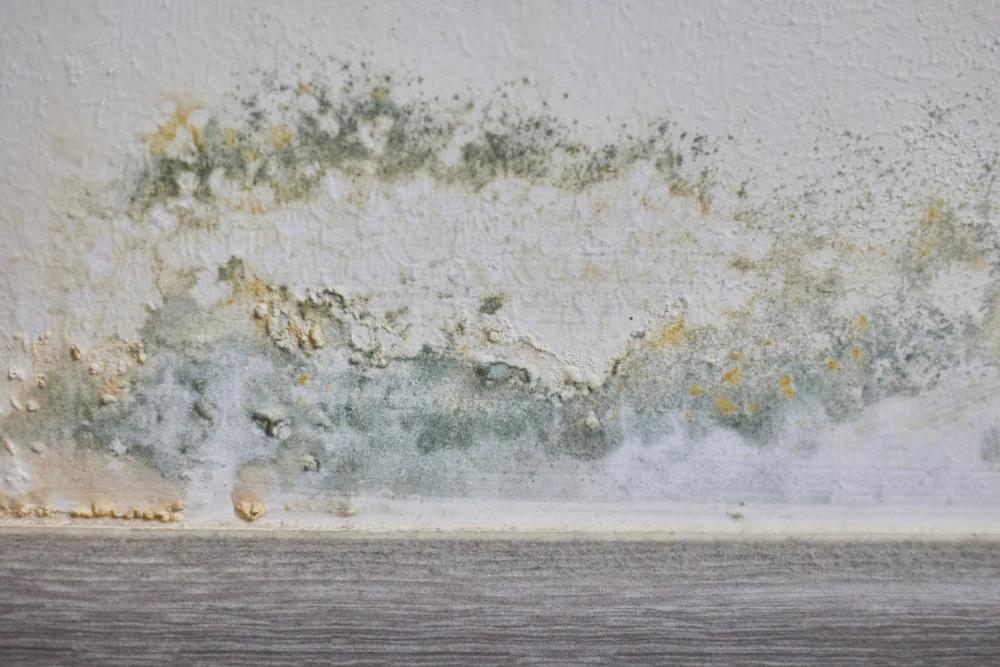
Real mold mitigation means you’re not just wiping down visible spots and hoping for the best. You’re addressing what caused the problem in the first place.
That leak in the basement. The poor ventilation in your bathroom. The humidity that East Brandywine’s climate dumps into older homes all summer long. Whatever’s feeding the mold gets fixed, so the mold can’t establish itself again.
When the job’s done, your air quality is verified safe. The materials that were contaminated are either cleaned properly or removed. And the moisture source that started this whole mess is handled, so you’re not dealing with the same problem six months from now.
You get your home back without the constant worry that you’re breathing in something harmful or that this issue is quietly eating away at your property value.
We work throughout East Brandywine and the surrounding Philadelphia area, where older housing stock and Pennsylvania’s humid climate create perfect conditions for mold growth. We’ve seen what happens when moisture gets trapped in brick basements, plaster walls, and poorly ventilated crawl spaces.
We’re not new to this. We understand how quickly mold can take over once it finds a water source, and we know that surface cleaning doesn’t cut it when the real problem is behind your walls or under your floors.
Our approach is straightforward: find the moisture source, eliminate the contamination, and prevent future growth. No runaround, no overselling. Just the work that actually needs to happen to mitigate mold damage and protect your investment.
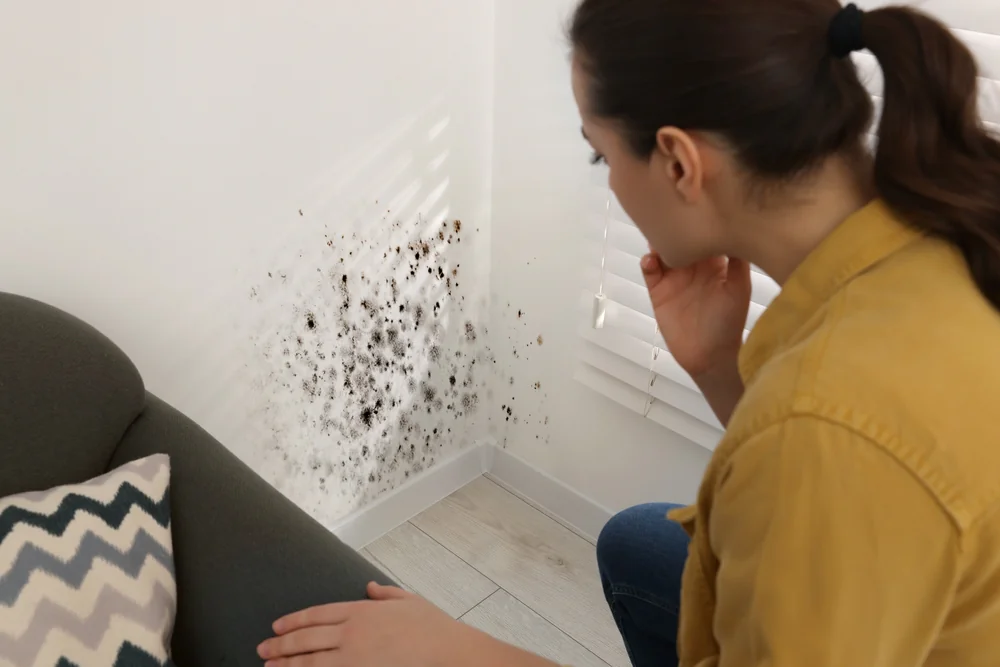
First, we inspect the affected areas with moisture meters and infrared cameras to find where mold is actually growing, not just where you can see it. Mold hides behind walls, under flooring, and in spaces you’d never think to check. We need to know how far it’s spread and what’s feeding it.
Next, we contain the area. Physical barriers and negative air pressure systems keep mold spores from spreading to clean parts of your home while we work. This isn’t optional—it’s how you prevent a small problem from becoming a whole-house issue.
Then we remove the contamination. HEPA vacuums and air scrubbers capture microscopic spores from the air. Contaminated materials that can’t be salvaged get disposed of properly. Structural elements that can be saved get deep-cleaned and treated with antimicrobial solutions.
Finally, we fix what caused it. Whether that’s repairing a leak, improving ventilation, or installing dehumidifiers, we address the moisture problem so mold doesn’t have a reason to come back. After everything’s dry and clean, we verify your air quality is safe.
Ready to get started?
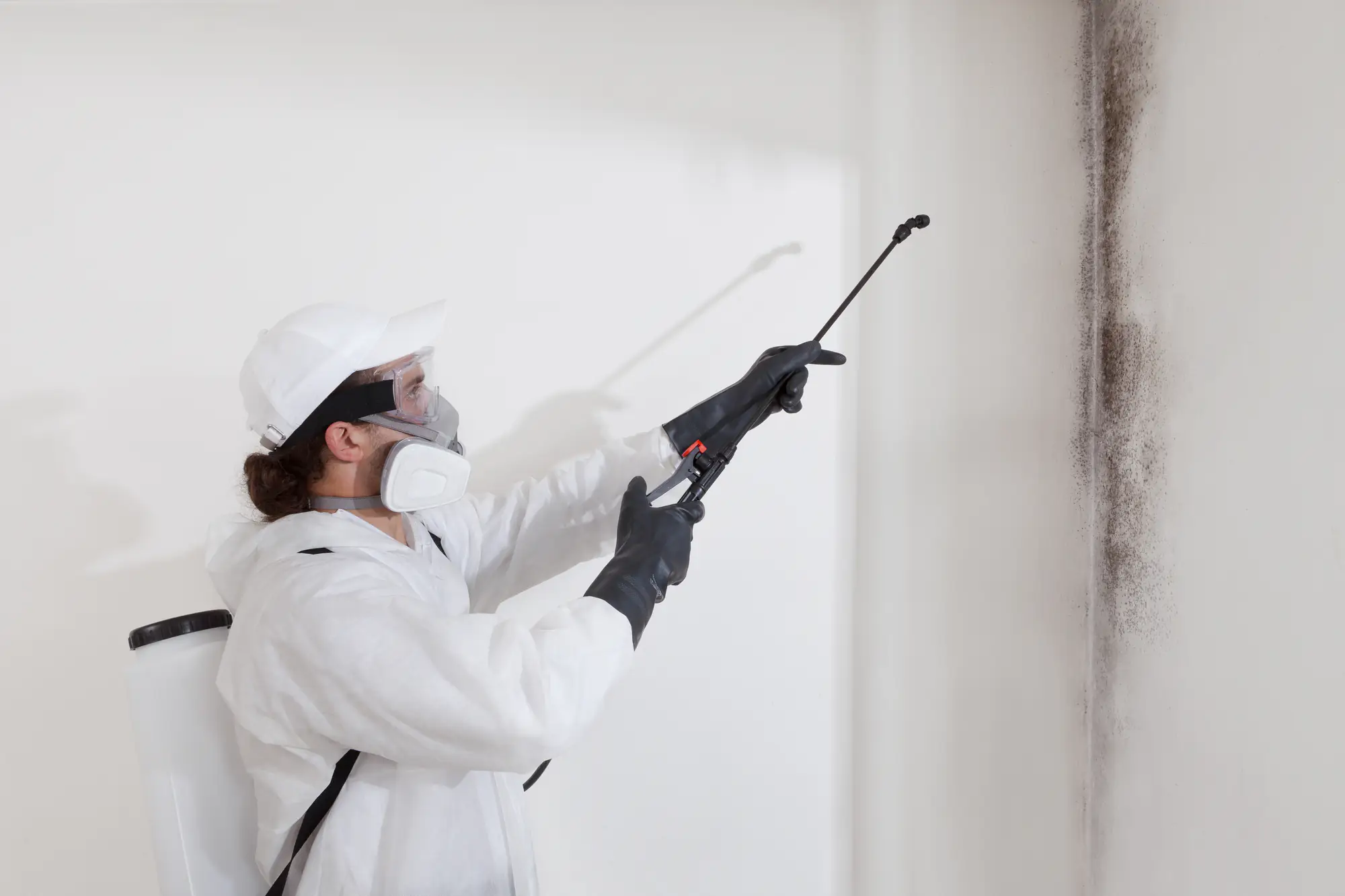
You get a team that shows up with professional-grade equipment—not the stuff you can rent from a hardware store. We’re talking HEPA filtration systems, industrial dehumidifiers, moisture detection technology, and containment barriers that actually work.
You get identification of the moisture source, which is the only way to prevent mold from returning. In East Brandywine’s older homes, that often means addressing basement seepage, roof leaks, or ventilation issues that have been ignored for years. Pennsylvania’s climate doesn’t help—high humidity and frequent rain mean your home is constantly exposed to moisture, and older construction methods weren’t designed to handle it.
You get proper containment so the rest of your home stays clean during the removal process. You get thorough removal of contaminated materials and deep cleaning of salvageable surfaces. And you get verification that the air quality in your home is safe once the job is complete.
This is what separates professional mold mitigation from DIY attempts that only address surface-level symptoms. You’re not just treating what you can see—you’re eliminating the conditions that allow mold to thrive.
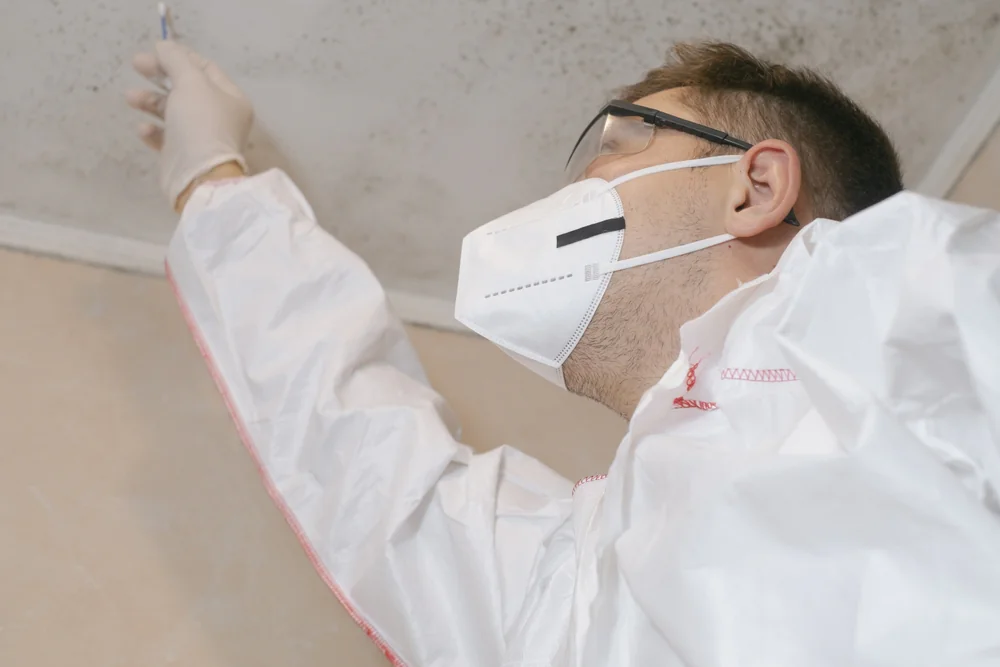
Mold remediation is the full process of identifying, removing, cleaning, and treating areas where mold has already established itself. It’s reactive—you’re dealing with an active infestation.
Mold mitigation is about controlling and minimizing the risk before mold takes over. It includes fixing moisture problems, improving ventilation, and addressing conditions that allow mold to grow in the first place.
In practice, most homeowners need both. You need the contamination removed (remediation), and you need the underlying cause fixed so it doesn’t happen again (mitigation). When we talk about mold mitigation services, we’re covering the complete scope—getting rid of what’s there and making sure it doesn’t come back.
It depends on how far the mold has spread and what’s causing it. A small bathroom mold issue with a clear moisture source might take two to three days. A basement with extensive contamination and hidden growth behind walls could take a week or more.
The timeline includes inspection, containment setup, removal and cleaning, moisture source repair, and final air quality verification. Rushing through any of these steps means you’re likely to see mold return within months.
We’ll give you a realistic timeline after the initial inspection, once we know what we’re dealing with. What matters more than speed is doing it right—because if the moisture source isn’t fixed or the contamination isn’t fully removed, you’re just going to be calling someone back to do it again.
Bleach kills surface mold on non-porous materials like tile or glass, but it doesn’t penetrate porous surfaces like drywall, wood, or insulation. If mold has gotten into those materials, bleach won’t reach it—you’re just cleaning what you can see while the roots keep growing underneath.
More importantly, bleach doesn’t fix the moisture problem. If you’ve got a leak, poor ventilation, or high humidity, the mold will be back within weeks no matter how much you scrub.
DIY cleaning also risks spreading spores throughout your home if you’re not using proper containment. Disturbing mold without HEPA filtration and negative air pressure just sends microscopic spores into your HVAC system and other rooms. Professional mold mitigation addresses the contamination and the cause, which is why it actually works long-term.
Not necessarily. If mold is caught early and hasn’t penetrated deep into structural materials, we can often clean and treat surfaces without removing them. HEPA vacuuming, antimicrobial treatments, and thorough drying can salvage a lot.
But if mold has infiltrated drywall, insulation, or subflooring, those materials usually need to be removed. Porous materials that are heavily contaminated can’t be fully cleaned—they have to go. The good news is we only remove what’s actually compromised.
The extent of reconstruction depends on how long the moisture problem has been going on and how far the mold has spread. An inspection tells us what we’re working with. In East Brandywine’s older homes, we sometimes find mold that’s been growing unnoticed for months or even years, which does mean more extensive removal. But catching it early and fixing the moisture source right away minimizes the damage.
Most residential mold mitigation projects in this area run between $1,500 and $4,000, depending on the size of the affected area and what’s causing the moisture problem. Severe cases with extensive contamination or structural damage can cost more.
The price includes inspection, containment, removal, cleaning, antimicrobial treatment, moisture source repair, and air quality verification. If materials need to be removed and replaced, that adds to the cost—but it’s often necessary when mold has penetrated porous surfaces like drywall or insulation.
Here’s what affects the price: how much square footage is contaminated, whether mold is hidden behind walls or under floors, what’s causing the moisture (a simple leak vs. a foundation issue), and how much material needs to be removed. We’ll give you a clear estimate after inspecting the property. What you’re paying for is a complete fix, not a temporary patch that leaves the root cause untouched.
If you can see mold or smell that musty odor, you need more than just removal—you need mitigation. Removal addresses the visible contamination. Mitigation addresses why it’s there in the first place.
Mold doesn’t grow without moisture. If there’s mold in your home, there’s a moisture source feeding it. That could be a leaky pipe, a roof issue, poor ventilation, high humidity, or water intrusion from outside. Just removing the mold without fixing that source means you’re going to see it again.
Professional mold mitigation services include both: eliminating the contamination and fixing the conditions that allowed it to grow. If you’re dealing with black mold mitigation specifically, this approach is even more critical—black mold indicates a serious moisture problem that’s been ongoing, and surface cleaning won’t cut it. You need the full process to actually solve the problem.
Other Services we provide in East Brandywine