
Hear from Our Customers
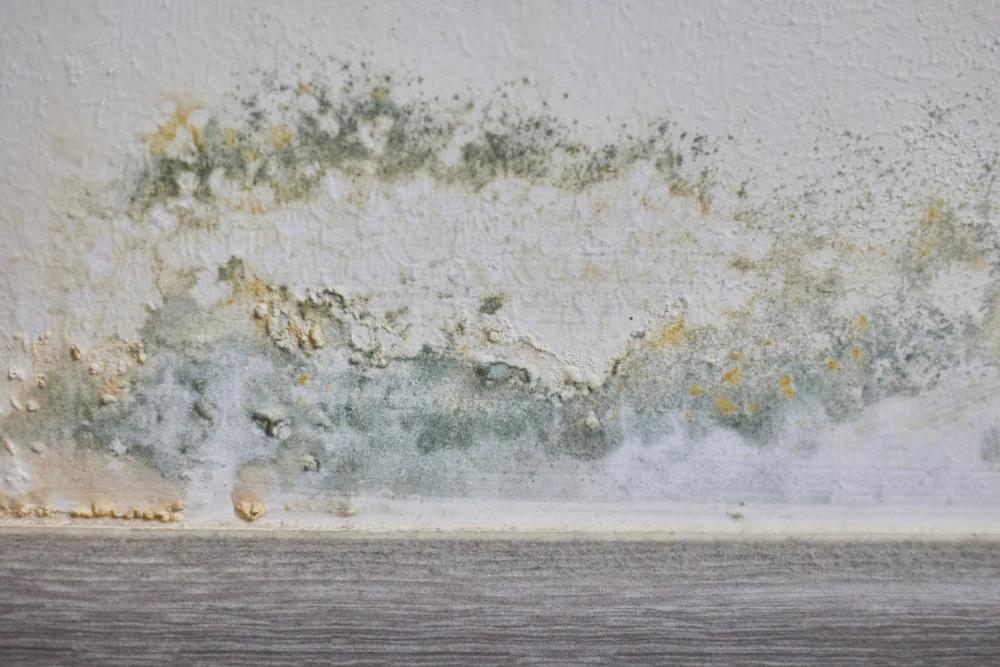
Most companies clean what you can see and leave. The mold comes back because the leak, the humidity problem, or the ventilation issue never got fixed.
Mold mitigation is different. We use moisture meters and infrared cameras to find where water is getting in or building up. Then we fix it—whether that means repairing a leak, improving airflow, or installing a dehumidifier.
After that, we remove the contamination using containment barriers and HEPA filtration so spores don’t spread during cleanup. You’re not just getting rid of mold. You’re getting rid of the conditions that let it grow in the first place.
That’s how you end up with a home that actually stays clean. No recurring problems. No wondering if it’s growing behind the walls again. Just a space you can trust.
We serve East Bradford, PA and the surrounding areas in Chester and Bucks Counties. We know what Pennsylvania’s humid summers and older housing stock do to homes here.
We’ve seen the basements that flood every spring. The attics that trap moisture because there’s no ridge vent. The crawl spaces that stay damp year-round because the ground was never sealed.
We’re not a national franchise reading off a script. We’re local professionals who understand the climate, the building styles, and the problems that keep showing up in this area. That’s why we can walk into your home and know what to look for before you even finish explaining the issue.
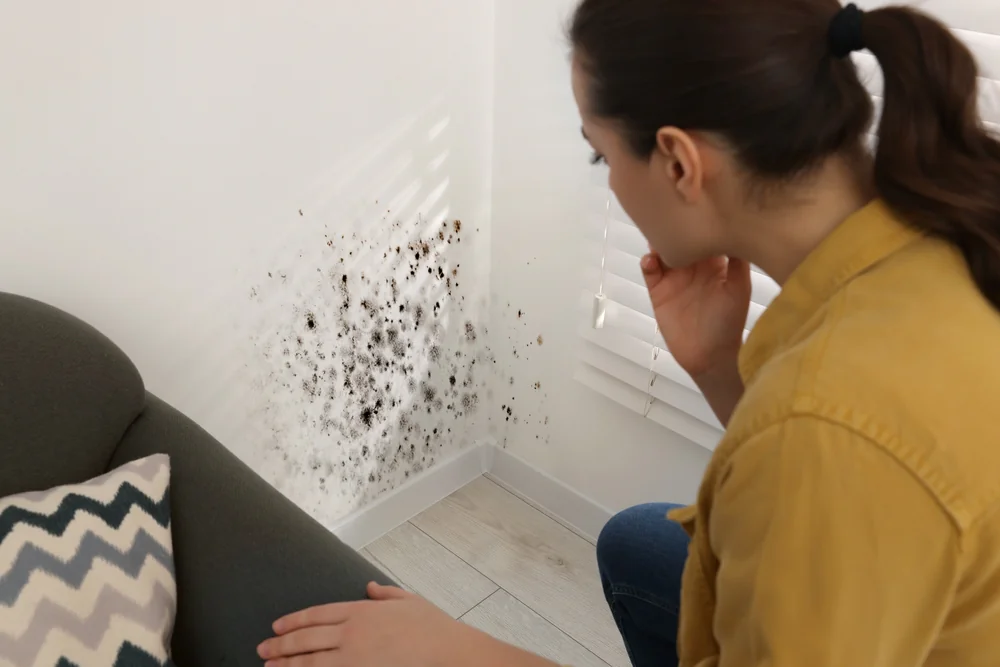
We start with a free inspection. We’re not just looking at the mold you can see—we’re using tools to find moisture you can’t. Moisture meters tell us if your walls or floors are wet inside. Infrared cameras show us temperature differences that indicate hidden water intrusion.
Once we know what’s causing the problem, we give you a clear estimate. No surprises. No upselling. Just an honest breakdown of what needs to happen.
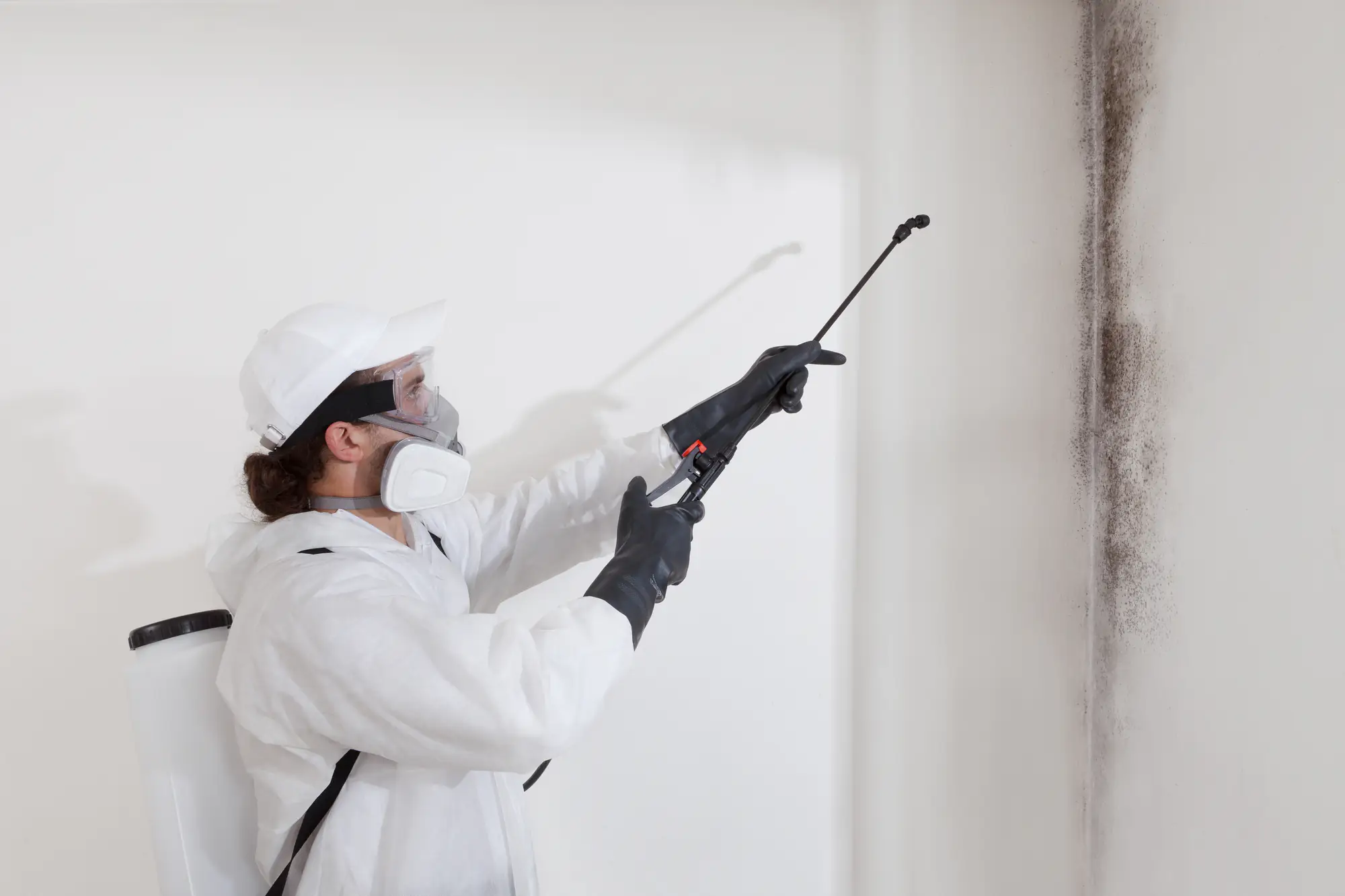
Then we contain the area so mold spores don’t spread while we work. We set up physical barriers and negative air pressure systems that pull air out of the contaminated zone and filter it through HEPA scrubbers.
We remove the mold using proper techniques and equipment—not just bleach and a sponge. If materials like drywall or insulation are too damaged, we remove and replace them. Then we fix the moisture source, whether that’s a plumbing repair, better ventilation, or waterproofing.
Finally, we test the air quality to confirm the job is done right. You get documentation showing the space is clean and safe.
Ready to get started?
You get a full inspection with moisture mapping and thermal imaging. We identify every area affected by mold and every source of moisture feeding it.
You get professional containment and air filtration during the removal process. We’re not letting spores float into your bedroom while we work in the basement.
You get the actual mold removed—safely, completely, and according to industry standards. If black mold mitigation is needed, we handle it with the same care and thoroughness as any other species. The color doesn’t change our process.
You get the source fixed. Leaking pipes get repaired. Poor ventilation gets addressed. High humidity gets controlled. That’s what keeps mold from coming back.
And if you need reconstruction after removal, we handle that too. We’re not just a mold mitigation company that cleans and walks away. We can replace drywall, reinstall insulation, and get your space back to normal.
In East Bradford, PA, we also understand the local factors. Homes near Broad Run or Taylor Run deal with higher groundwater. Older properties built before modern vapor barriers have crawl space issues. We’ve worked in enough homes here to know what to expect and how to solve it.
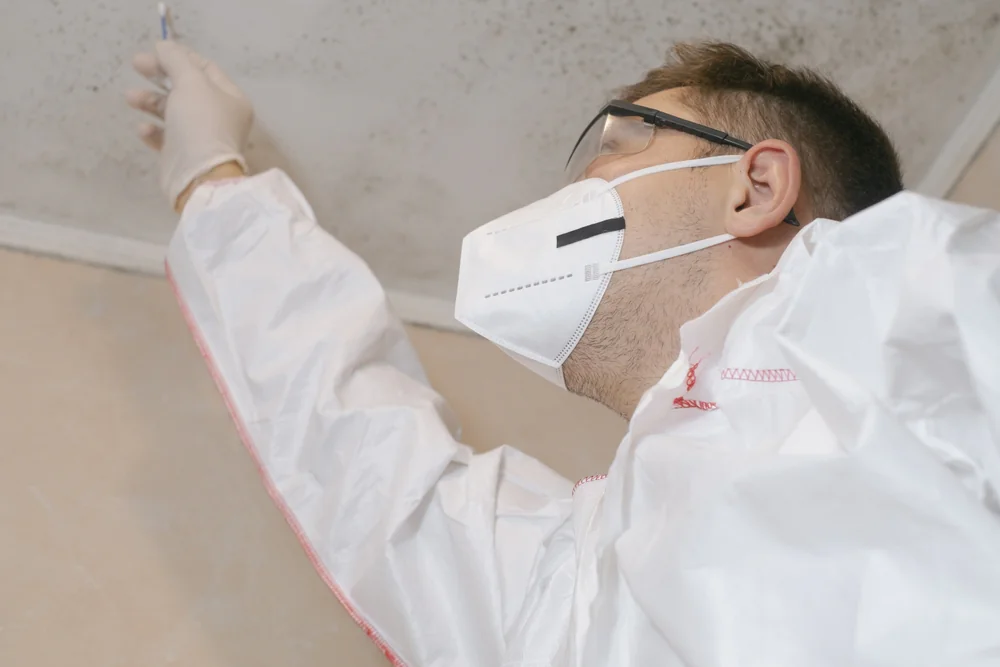
Cleaning removes what you see. Mitigation removes what’s causing it.
If you spray bleach on mold growing on your basement wall, it might look better for a few weeks. But if there’s a crack in the foundation letting groundwater seep in, or if your dehumidifier isn’t running, the mold will grow back. You’re treating the symptom, not the problem.
Mold mitigation means we find the moisture source and eliminate it. We use detection equipment to locate hidden water intrusion or high humidity levels. Then we fix the issue—repair the leak, improve the ventilation, seal the crawl space, whatever it takes.
After that, we remove the existing mold using containment and filtration so it doesn’t spread. You end up with a space that’s actually fixed, not just temporarily cleaned. That’s the difference between spending money every few months on cleaning products and spending it once on a real solution.
Most residential jobs take two to five days, depending on the size of the affected area and what’s causing the moisture problem.
A small bathroom mold issue caused by a leaking shower pan might take two days—one to remove the mold and damaged materials, another to fix the leak and let things dry before reconstruction. A larger basement problem involving groundwater intrusion and widespread contamination could take a week or more.
The timeline also depends on how long it takes to dry out the space. We can’t just remove mold and close up the walls if there’s still moisture inside. We use dehumidifiers and air movers to bring humidity levels down to safe ranges, and that takes as long as it takes.
We’ll give you a realistic timeframe during the inspection. We’re not going to rush the job just to move on to the next one. Doing it right matters more than doing it fast, because doing it wrong means you’re calling someone else in six months to do it again.
It depends on what caused the mold. If it’s from a sudden, accidental event like a burst pipe or a roof leak during a storm, there’s a good chance your policy covers it. If it’s from long-term neglect or a maintenance issue you ignored, probably not.
Insurance companies want to see that the mold resulted from a covered peril, not from something that developed slowly over time because of poor upkeep. That’s why documentation matters. If you had a pipe burst and mold grew as a result, take photos, keep records, and call your insurance company right away.
We work with insurance companies regularly. We can provide detailed estimates, documentation, and photos to support your claim. We’ll also work directly with adjusters if needed to explain what work is necessary and why.
The key is acting fast. The longer you wait after water damage, the harder it is to prove the mold is related to the covered event. If you’re not sure whether your situation is covered, call your insurance company first, then call us for an inspection.
Usually, yes—but it depends on the size and location of the contaminated area.
If we’re working in your basement or an isolated room and we’ve set up proper containment with negative air pressure, the rest of your home stays safe. The containment barriers and HEPA air scrubbers prevent spores from spreading into living areas. You can go about your day upstairs without exposure.
If the mold problem is extensive or affects your HVAC system, we might recommend staying elsewhere temporarily. Mold spores can travel through ductwork, and if we’re tearing out large sections of drywall or dealing with heavy contamination, it’s safer to limit your exposure during the removal process.
We’ll be honest with you during the inspection. If it’s safe to stay, we’ll tell you. If it’s not, we’ll explain why. Kids, elderly family members, and anyone with respiratory issues should definitely stay away from active work areas, even if the rest of the house is fine.
The good news is most jobs don’t require you to move out completely. We just need you to avoid the work zone while we’re removing contamination and running equipment.
If you’re seeing mold in multiple spots, smelling it but not seeing it, or noticing it keeps coming back after you clean it, you need mitigation.
Surface cleaning works for small, isolated spots that haven’t spread—like a little mold on a windowsill from condensation. You can wipe that down, fix the condensation issue, and move on.
But if you’re seeing mold on the basement walls, the bathroom ceiling, and inside closets, that tells us there’s a bigger moisture problem affecting your whole home. If you smell a musty odor but can’t find the source, that means mold is growing somewhere hidden—behind walls, under floors, in the HVAC system.
And if you’ve cleaned mold off a wall twice and it keeps growing back, the surface isn’t the problem. There’s water getting in somewhere, and until that’s fixed, the mold will keep returning no matter how much bleach you use.
Mold mitigation addresses those underlying issues. We find the hidden growth, identify the moisture sources, and eliminate both. If you’re dealing with any of the situations above, cleaning isn’t going to cut it. You need someone to actually fix what’s broken.
We eliminate the moisture source, and we verify the space is dry before we close it back up.
Mold needs water to grow. Remove the water, and it can’t survive. That’s why we don’t just remove mold and call it done—we fix whatever was providing the moisture in the first place.
If it’s a plumbing leak, we repair it. If it’s groundwater seeping through foundation cracks, we address the waterproofing. If it’s poor ventilation trapping humidity in your attic or crawl space, we improve airflow or install dehumidifiers. Every job is different, but the principle is the same: eliminate the conditions that allowed mold to grow.
After the source is fixed and the mold is removed, we use moisture meters to confirm the area is dry. We don’t seal up walls or reinstall insulation until we know the moisture levels are back to normal. If we rush that step, trapped moisture will just create another mold problem down the road.
We also provide recommendations for ongoing maintenance—things like running a dehumidifier in the basement during humid months, checking your gutters and downspouts regularly, or keeping an eye on plumbing fixtures for leaks. Mold mitigation works, but keeping your home mold-free long-term requires a little attention to moisture control.
Other Services we provide in East Bradford